

2026-05-01
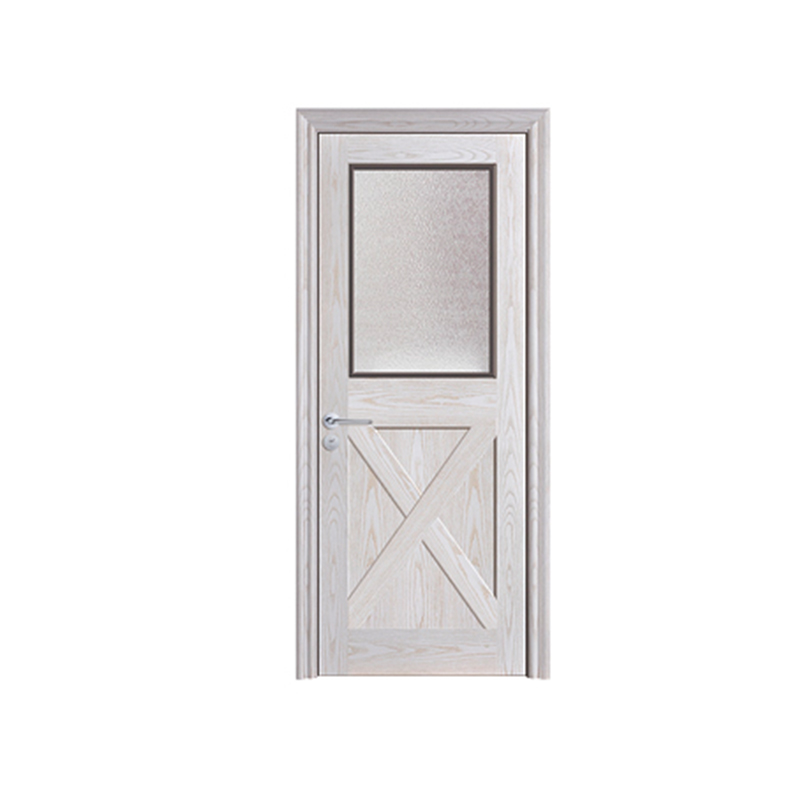
A Veneer Painted Door is no longer seen only as a basic interior component. It has gradually become part of interior design strategies that focus on texture control, color layering, and space coordination. By combining natural wood veneer with painted surfaces, this door type creates a controlled visual effect that fits modern building needs.
The structure of a Veneer Painted Door is based on layered finishing. A wood-based core is covered with a thin veneer layer, which preserves natural grain patterns. Selected areas are then coated with paint to create contrast.
In many designs, the veneer section is kept visible on larger flat surfaces, while edges or frames receive paint treatment. This balance allows the door to maintain a natural base while still introducing color variation.
A Veneer Painted Door often uses this method to avoid a flat or single-tone appearance, especially in spaces that require more visual depth without adding extra decorative elements.
In interior projects, doors are no longer treated as separate objects. A Veneer Painted Door is often planned alongside walls, flooring, and furniture from the early design stage.
Designers use it to support spatial rhythm. For example, repeating veneer tones across multiple doors can create continuity in hallways. Painted sections can then be adjusted to highlight specific rooms or functions.
This approach helps reduce visual breaks in compact spaces while still allowing differentiation between areas.
The combination of veneer and paint requires careful material coordination. The veneer layer must be properly sealed before painting to prevent uneven absorption. At the same time, coating layers need to remain stable under humidity and temperature changes.
A Veneer Painted Door is usually processed through multiple sanding and sealing stages. These steps help maintain a consistent surface feel between painted and natural sections.
Over time, this layered structure supports resistance to daily contact, especially in frequently used residential or office environments.
Color use in a Veneer Painted Door is often based on contrast control rather than strong decoration. Soft neutral paint tones are commonly paired with natural wood textures.
In some cases, designers choose close color families to create a subtle transition between veneer and paint. In other cases, stronger contrast is used to define door outlines or emphasize architectural geometry.
This flexibility allows the same door structure to fit different interior styles without changing its core construction.
The production of a Veneer Painted Door involves multiple adjustable stages. Manufacturers can select different veneer types, including oak, ash, or walnut textures. Paint finishes can also vary from matte to semi-gloss depending on project requirements.
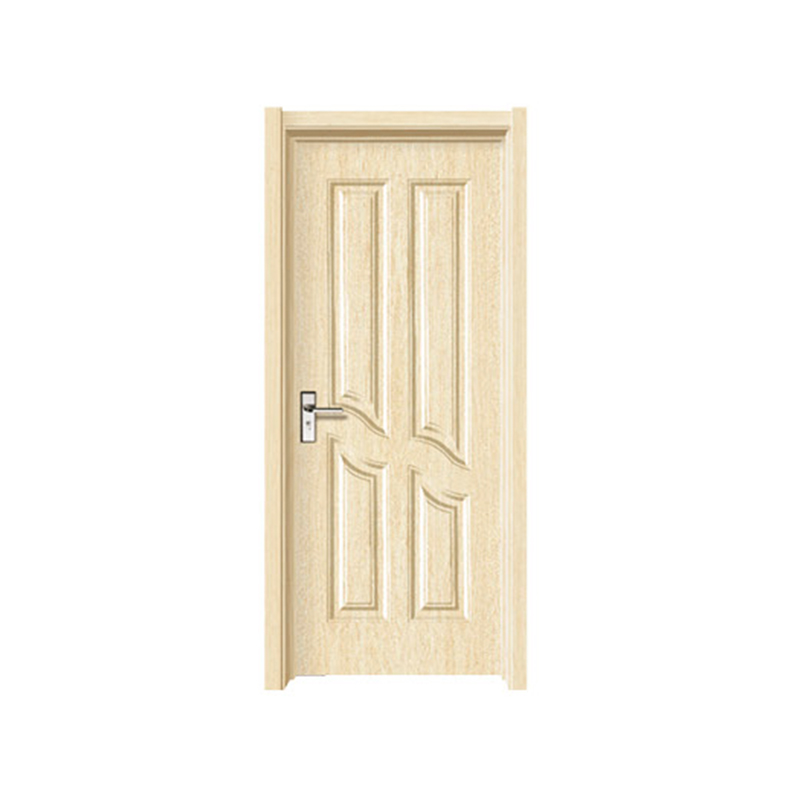
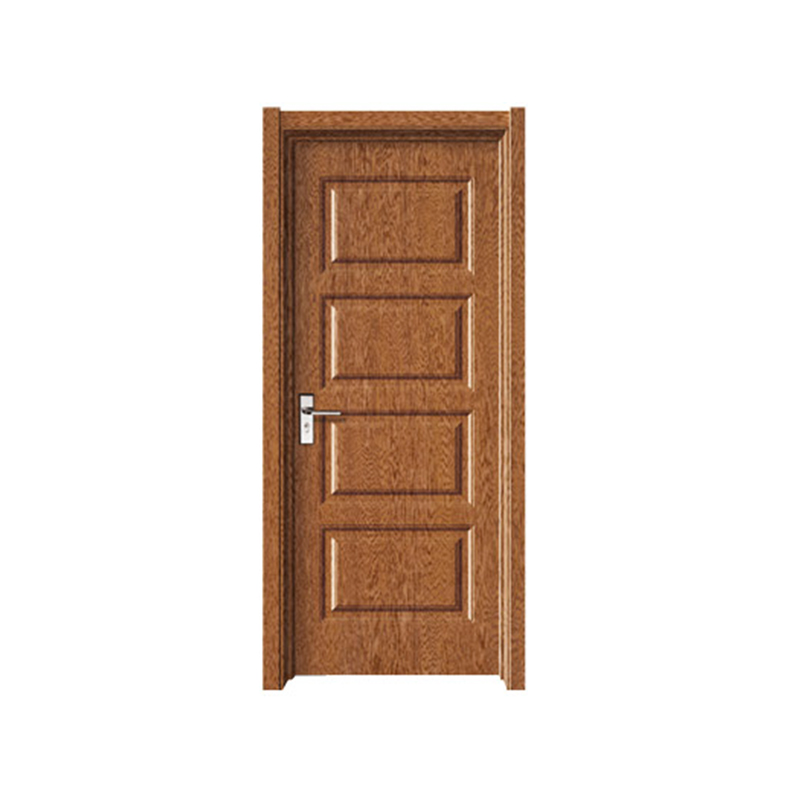
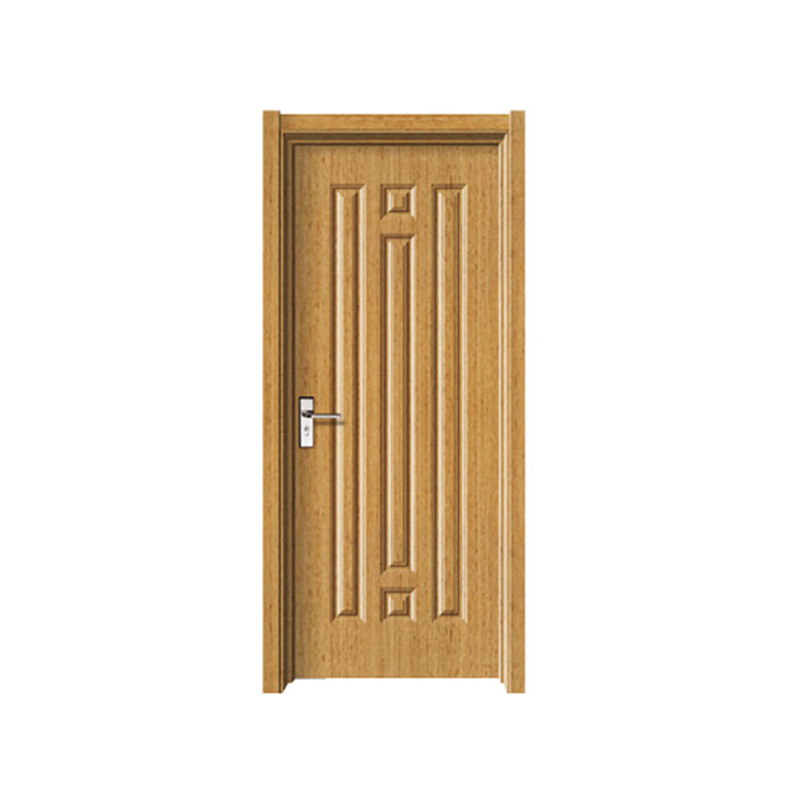
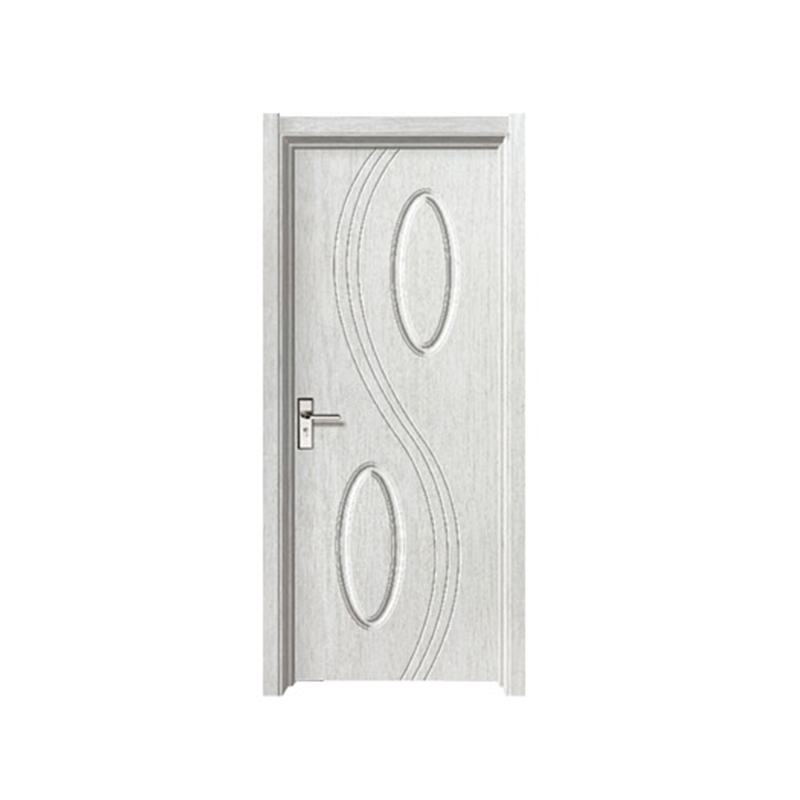
Panel layouts can be customized as well. Some designs focus on flat minimal surfaces, while others introduce framed or segmented patterns. These options make it easier to adapt doors to residential, commercial, or hospitality spaces.
A Veneer Painted Door can also support space optimization in interior layouts. Because it integrates two visual treatments in one structure, it reduces the need for additional decorative elements around door areas.
In smaller rooms, this helps maintain visual order. In larger spaces, it supports consistent design flow across multiple zones. Its adaptability makes it suitable for projects where both function and appearance need to be balanced.
A Veneer Painted Door represents a design approach that combines surface layering, material coordination, and controlled color use. Through its structured manufacturing process and flexible visual options, it fits a wide range of interior environments. As interior planning continues to focus on simplicity and coherence, this door type remains a practical and adaptable solution.
Copyright © Zhejiang Shangpin Bense Home Furnishing Co., Ltd.

Wood Interior Door Manufacturer
 русский
 عربى
عربى Français
 Español