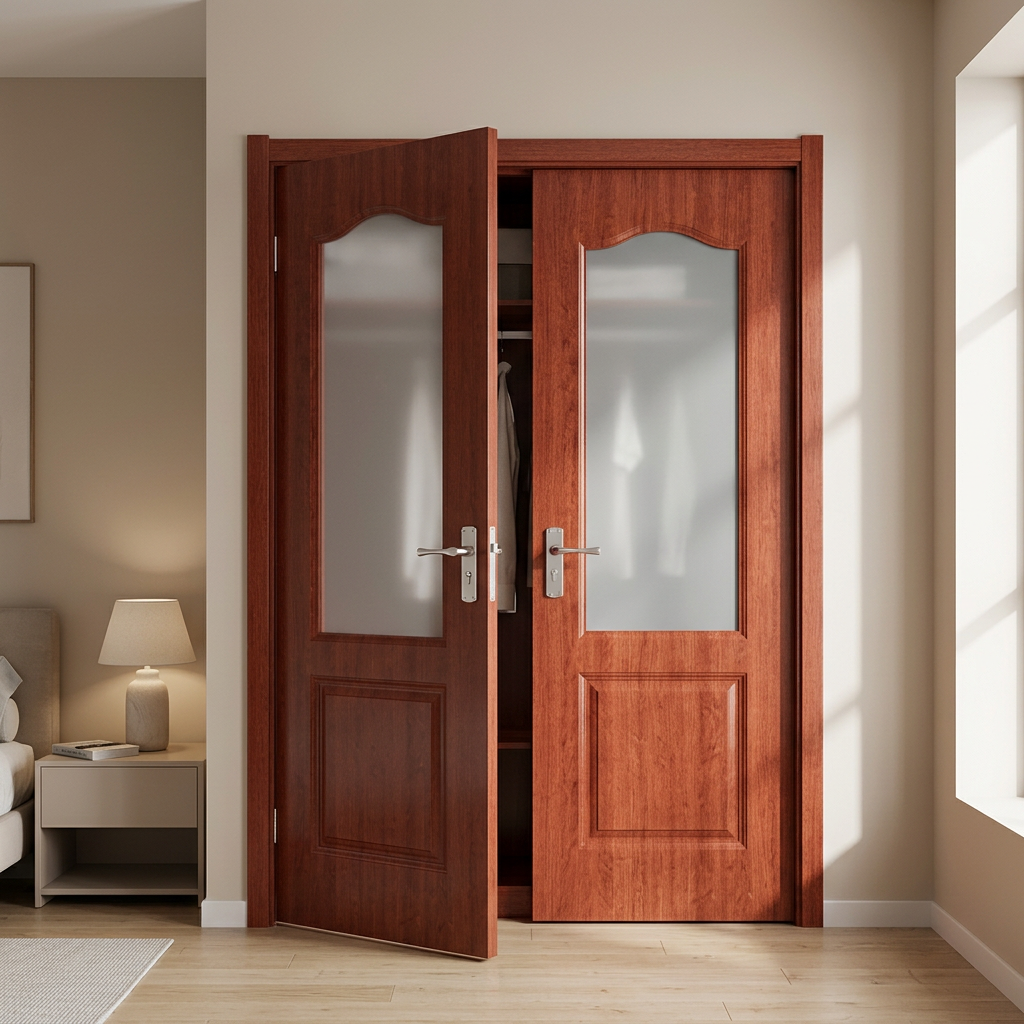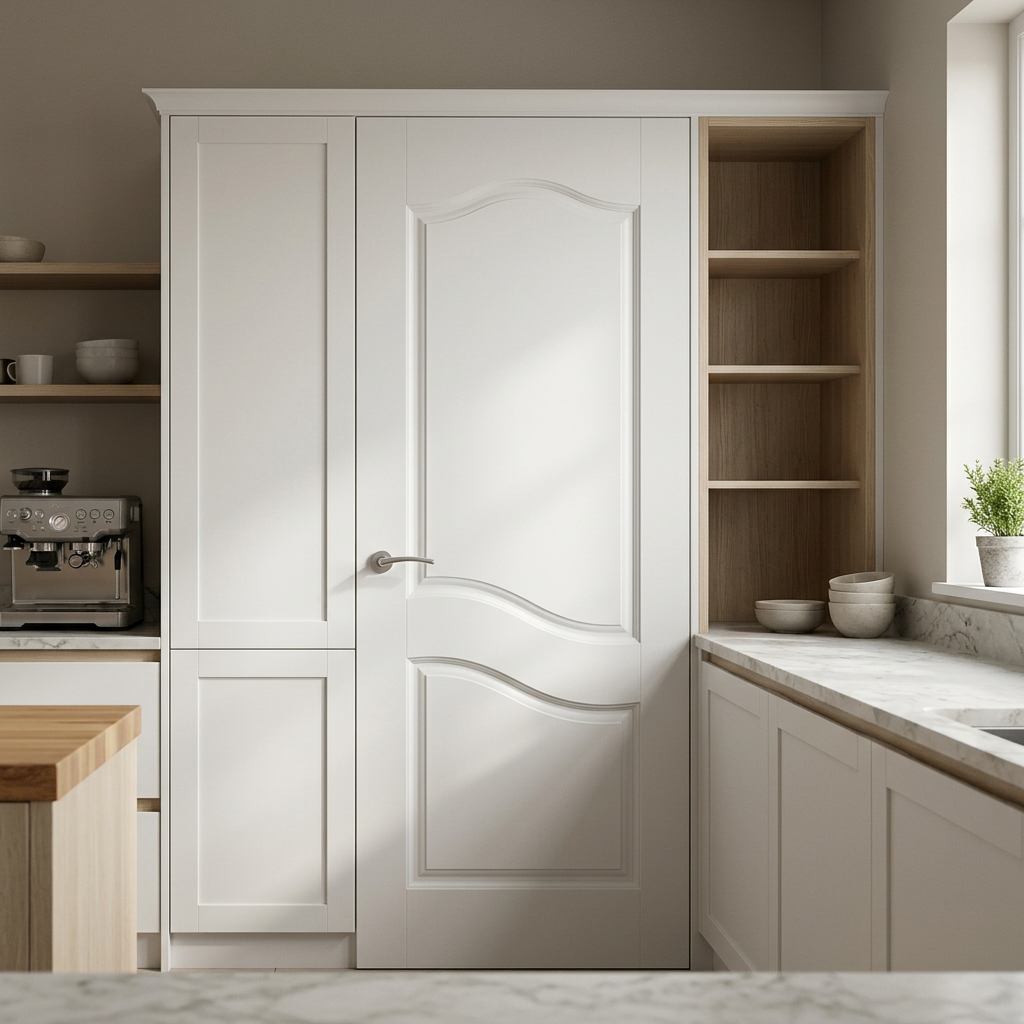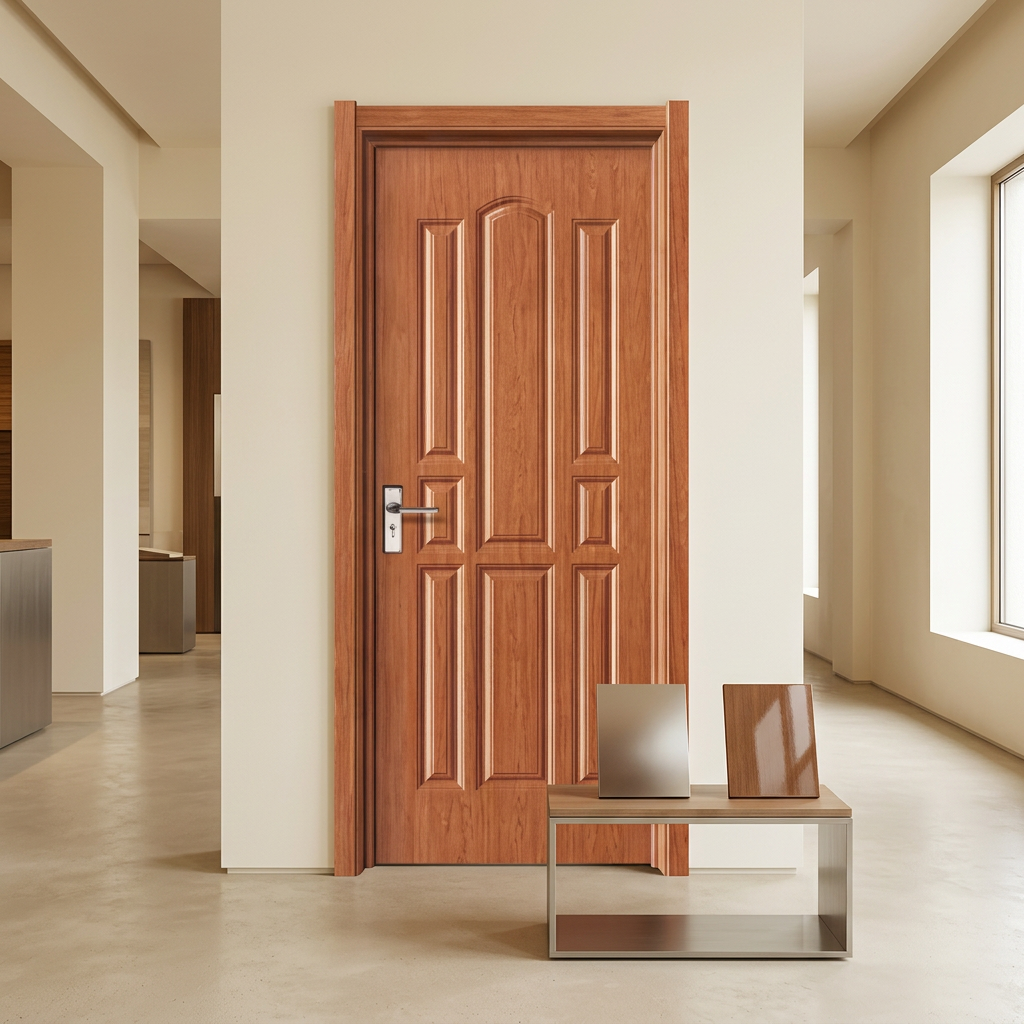


| Model NO. | Cabinet Door |
| Door Material | Solid Wood |
| Table Material | Quartz Stone |
| Drawer Guide Rail Kind | Hidden Drawer |
| Style | U Style |
| Fixed | Fixed |
| Color | White can also be customized |
| Certification | ISO9001/ISO14001/ISO45001 |
| Customized | Customized |
| Condition | New |
| Established | 2006 |
| Total Employees | 300 |
| Factory Location | Jiangshan, Zhejiang |
| MOQ | 1set |
| Transport Package | Carton |
| Origin | China |
| HS Code | 9403609990 |
| Production Capacity | 12000 |
Cabinet doors are an essential part of kitchen cabinets, bathroom vanities and other storage furniture. Available in different materials, colors, profiles and surface finishes, they help define the appearance and function of interior cabinetry.
As a cabinet door manufacturer and cabinet door supplier in China, SUPERU provides custom cabinet doors with OEM and ODM service support. The available product styles include black interior pattern, white frame, multi-line stripes, smooth and flat, square depression, curved top, white texture, and rounded rectangle cabinet doors. These cabinet door options help support different cabinetry design needs through material, style, color, and specification review.
These cabinet door options help support different cabinetry design needs through material, style, color, and specification review.

Zhejiang Shangpin Bense Home Furnishing Co., Ltd. was established in 2016 in the scenic Jiangshan City, Zhejiang Province. It is a custom cabinet door manufacturer . In March 2019, the company's new plant was successfully completed and put into operation, marking that Shangpin Bense has entered a new stage of development.
The product matrix is rich and diverse, covering PVC MDF doors, crystal clear glass doors, exquisitely crafted painted doors, flexible and changeable assembly doors, practical and beautiful cabinet doors, and natural and elegant solid wood doors and other diversified home solutions, all presented with the "SUPERU" brand. In addition, we warmly accept ODM and OEM cooperation needs and flexibly meet the market's customized needs.
As an enterprise with independent export rights, Shangpin Bense Home's custom made cabinet doors have entered the global market unimpeded and won wide praise from international customers. We sincerely invite partners from all over the world to send inquiries, seek common development, and create brilliance together!


A wardrobe may look well designed on paper, but small details can affect how it...
View MoreA cupboard door can look quite different once it is installed. A finish that see...
View MoreWhy Does the Same Cabinet Color Look Different in Matte and Glossy Finishes? A c...
View MoreA door order rarely goes wrong because of the color. It usually goes wrong becau...
View MoreVeneer interior doors sit in a middle zone. They usually cost more than basic l...
View MorePicking an interior door often gets pushed to the bottom of a renovation checkl...
View MoreA cabinet door decides how a kitchen, bathroom or storage unit looks and how it behaves day to day. To get it right, match the door to the cabinet structure, the room style, the surface finish and the way it will be installed. Framed, traditional, textured and grey doors each give a different result. Knowing the materials, styles and customization details up front makes it easier to choose doors that suit your project and sit well beside the other furniture.
What Is a Cabinet Door?
A cabinet door is the front panel fixed to a cabinet frame or body. It closes off the storage area, keeps dust away from the contents and gives the furniture a finished face. Materials, profiles, colors and surface treatments can all be varied to suit different interior styles.
The panel also has to work with the cabinet structure, hinges, handles and the space available for installation. A good choice looks right and works well in use.
In kitchens, the surface needs to handle regular cleaning and constant handling. Bathroom cabinets need materials and finishes that cope with humidity. In living rooms and bedrooms, color coordination and furniture design usually matter more.
Solid Wood Cabinet Doors
Solid wood cabinet doors are cut from natural timber. Grain patterns, color shifts and surface character give them a distinctive look that fits traditional, transitional and contemporary interiors.
The final appearance depends on the wood species, grain direction, construction method and finish. Depending on the material and process, the wood can be stained or finished in a range of tones.
Check these points before choosing solid wood:
Solid wood suits projects that want natural grain and a traditional material look. How it performs still depends on the wood chosen, the construction, the finishing and the environment where the cabinets are installed.
Framed Cabinet Doors
A framed cabinet door has a visible frame around a central panel or inset section. The frame adds lines and depth, which gives the cabinet front more definition.
Depending on profile and finish, framed doors work in classic kitchens, transitional interiors and furniture with decorative detailing.
Look at the frame width, the shape of the inner panel, the color and the nearby hardware. These details change how the doors read when they are installed side by side along a cabinet run.
Framed designs look more detailed than flat-panel doors. Their recessed areas can collect dust, so they may need a little more care when cleaning.
Traditional Cabinet Doors
Traditional cabinet doors tend to use raised panels, decorative profiles, symmetrical layouts and other details drawn from classic furniture.
They work well in rooms with detailed woodwork, decorative hardware and warm or neutral colors. A painted finish lightens a traditional door. A wood tone brings out the grain and the panel contours.
Pick the profile with the whole interior in mind. Doors with decorative detail suit classic spaces. Simpler profiles can link traditional cabinetry with contemporary furniture.
Textured Cabinet Doors
A textured cabinet door has a surface finish or material pattern that adds visual depth. In some cases it also adds a tactile feel.
The texture may come from an embossed finish, a patterned surface or another decorative treatment. Depending on the material, it can look like wood grain, fabric or a geometric design.
Keep these points in mind:
Texture adds interest without needing a complex door profile. The final look depends on the pattern, material, color and lighting.
Grey Cabinet Doors
Grey goes with a wide range of interior colors. Light grey looks soft and understated. Darker grey contrasts with pale countertops, light walls or natural wood.
The finish matters too. Matte grey looks subdued. A smoother, glossier surface reflects more light. Textured grey surfaces add visual detail.
When specifying grey, check the color under lighting similar to the installation site. Screen images and printed color references may not match the finished surface exactly.
Grey pairs with white, beige, wood tones, black hardware and metallic accents. The right combination depends on the room layout, the surrounding materials and the intended design style.
Other Common Cabinet Door Materials
Cabinet doors can be made from medium-density fiberboard (MDF), solid wood, or panels with decorative surface finishes. Each has its own processing needs and its own look.
MDF has a uniform surface that takes a range of painted finishes and shaped profiles. Solid wood brings natural grain and natural variation. Melamine and other laminated surfaces offer decorative finishes in many colors and patterns.
The table below sums up the main selection points.
|
Material Key Characteristics Common Applications Selection Considerations |
|||
|---|---|---|---|
|
Solid wood Natural grain and wood character Kitchens, storage furniture and traditional interiors Moisture conditions, wood species, construction and finish |
|||
|
MDF Uniform panel surface and flexible profile options Painted cabinet doors and shaped designs Panel quality, edge treatment and surface coating |
|||
|
Melamine-faced panels Decorative surface with varied colors and patterns Storage cabinets and contemporary furniture Surface specification, edge sealing and cleaning requirements |
|||
|
Laminated panels Decorative surface options with different patterns and textures Kitchen and general storage cabinetry Laminate type, bonding quality, edges and intended use |
This table is general guidance. Real performance depends on the panel grade, surface treatment, construction and manufacturing quality. Always confirm the material specification of the exact product you are considering.
Color and finish decide how the doors sit within the room. Check the cabinet body, countertop, wall color, flooring, lighting and hardware together before settling on a combination.
White and light neutrals give a clean look. Wood tones bring natural color variation. Grey covers everything from soft and understated to dark and contrasting.
The surface finish changes the effect as well:
For a coordinated layout, approve color and finish samples before production. That cuts the risk of a gap between the planned design and the installed furniture.
Let the intended use guide your choice of material and finish.
In every case, check the full panel construction and surface specification. The material name alone does not tell you enough.
Custom cabinet doors let you set the dimensions, designs and finishes to fit the cabinet layout. Accurate measurements and clear technical details make sure the finished panels fit the structure.
Gather this information before confirming production:
When a project has several door sizes or designs, a clear specification sheet keeps the panels consistent.
A cabinet door is one part of a complete furniture system. Its dimensions, weight, edge construction and opening direction have to fit the cabinet body and the hardware.
Hinges must suit the door construction and the opening angle you want. Handles and knobs should sit in consistent positions, especially when several doors are side by side. Door gaps and alignment also affect the finished look.
For framed doors, confirm the frame profile and panel dimensions. For flat or textured panels, watch the finished thickness, edge details and hardware clearance.
These checks apply to new cabinet production and to renovations. When replacing existing doors, take extra care with the original dimensions, hinge locations and the condition of the cabinet.
A clear process cuts down on specification changes during production.
OEM and ODM services suit projects that need specific designs, dimensions, finishes or brand-related requirements.
Depending on the agreed scope, customization can cover panel material, door profile, color, drawing review and sample approval. Hardware details and installation requirements may also need attention.
For consistent results, write the specifications down before production. A reference sample or approved color sample shows the intended appearance. A technical drawing fixes the dimensions and key construction details.
SUPERU provides OEM and ODM services for customized door requirements. Its customization options include color selection, filling, frame design, opening direction and hardware. Confirm which choices are available for your specific cabinet door design and project.
SUPERU offers cabinet door designs for different interior styles, including framed, patterned, smooth and textured looks. The product page shows several design options, and the customization service covers discussion of product specifications and design requirements.
For a custom cabinet door project, the first conversation can focus on material, dimensions, door profile, surface finish and hardware compatibility. Drawings and reference images help make the intended design clear.
These details give you a practical starting point for judging whether a design fits your project. Confirm the final product specifications and available customization options directly with the manufacturer.
What Is a Cabinet Door?
A cabinet door is a panel fixed to a cabinet body. It covers the storage space and forms the visible front of the furniture. It can be made from different materials and finished in various colors, profiles and textures. Choose one that matches the cabinet dimensions, hardware and intended use.
What Is the Difference Between Framed and Flat Panel Cabinet Doors?
A framed door has a visible frame around a central panel, which adds lines and depth. A flat-panel door has a simpler, more uniform front. The right choice depends on the interior style, cleaning preferences, cabinet design and how well the door fits the surrounding furniture.
What Materials Are Used for Cabinet Doors?
The most common materials are solid wood, MDF and panels with melamine or other laminated finishes. They differ in appearance, processing requirements and maintenance. The best choice depends on the cabinet's location, surface requirements, design, budget and the specified product construction.
Are Solid Wood Cabinet Doors Suitable for Kitchens?
Yes, when the material, construction and finish suit the installation environment. Wood reacts to changes in moisture and temperature, so material preparation, finishing and installation conditions all matter. Check the manufacturer's recommendations for cleaning, maintenance and environmental suitability.
How Should Grey Cabinet Doors Be Matched with Other Finishes?
Grey doors go well with white countertops, natural wood, neutral walls or contrasting hardware. Light and dark grey give different effects, and matte or textured finishes add more variation. Look at physical samples under the intended lighting to confirm the final color combination.
Can Cabinet Doors Be Customized to Specific Sizes?
Yes, within the manufacturer's available capabilities. Custom doors can be specified to your project dimensions and design requirements. Key details include width, height, thickness, profile, surface finish, hinge position and opening direction. Approved drawings and samples confirm these requirements before production.
Choosing cabinet doors takes more than picking a color or a decorative profile. Materials, finishes, dimensions and hardware must all work with the cabinet structure and the installation environment. Confirm these details early and your team can state its requirements clearly and compare product options with confidence. SUPERU offers cabinet door designs and OEM/ODM customization, which gives you a starting point for discussing specifications and design requirements.
Copyright © Zhejiang Shangpin Bense Home Furnishing Co., Ltd.

Cabinet Door Factory
 русский
 عربى
 Français
 Español