

2026-10-20
A door order rarely goes wrong because of the color. It usually goes wrong because of a detail nobody wrote down. Two quotations for Laminated Interior Doors can look alike on screen and still describe different constructions, surface materials, and edge finishes. Price is only one part of the picture. Before you compare offers, it helps to understand what is inside the door, how the surface is applied, what the project needs, and how samples and specifications will be recorded.
Doors with a similar look can be built in very different ways. The core, the surface covering, and the manufacturing method all shape how a door looks, feels, and performs in daily use. Reading the product description closely is the simplest way to avoid surprises.
Start with four questions:
Write the answers down. A verbal "it's the same as the picture" is not a specification.
No. "Laminated" is a general description. It tells you a surface layer has been bonded to a base, but it does not tell you which layer, which base, or which process. A PVC MDF door, for example, pairs a PVC surface with an MDF-based structure. Other laminated products may use different facing materials or different surface treatments. Each combination can change the appearance, the cleaning routine, and the way the door behaves in a given environment.
So when a quotation says "laminated door," ask for the specific construction behind the phrase. That one question often reveals whether two offers are truly comparable.
A good-looking door is not automatically the right door. A residential development, a hotel corridor, an apartment renovation, and a wholesale stock program each place different demands on the product.
Think through these points before choosing:
Picture the door after a year of real life. Will it face frequent cleaning? Will it sit near a bathroom or a kitchen? Will many people pass through it daily? These answers help you choose a finish that suits the setting, not just the mood board.
Be careful with broad promises. No supplier can honestly say one finish suits every climate or every level of humidity. Ask what conditions the product is intended for, and ask for that guidance in writing.
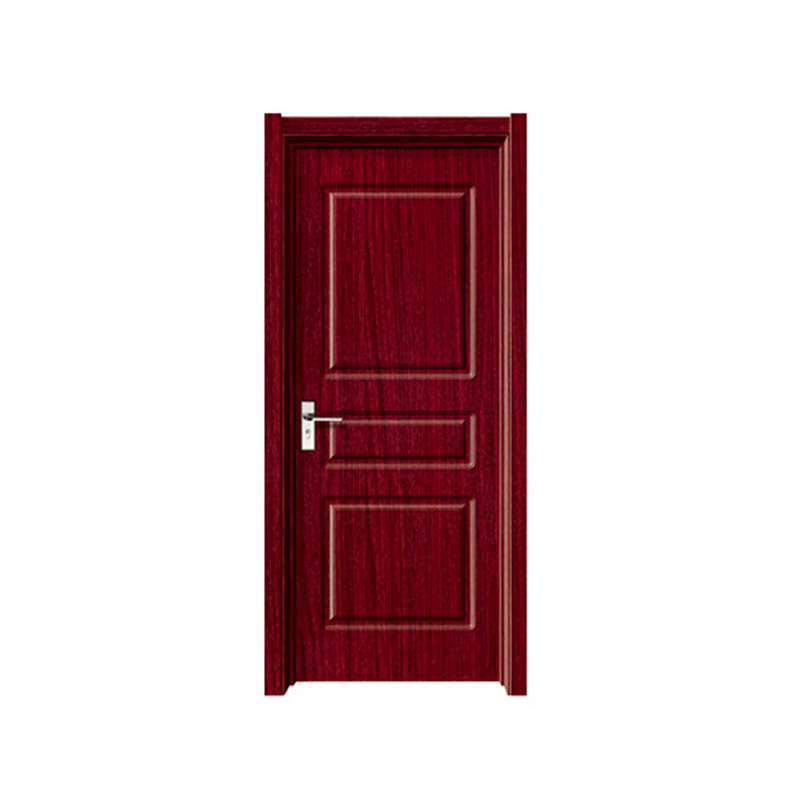
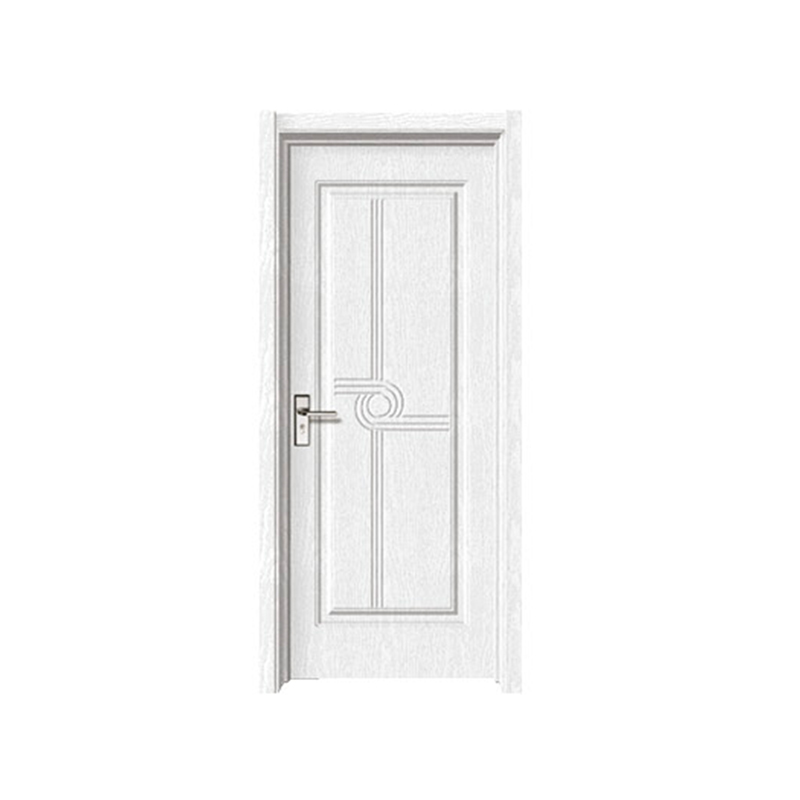
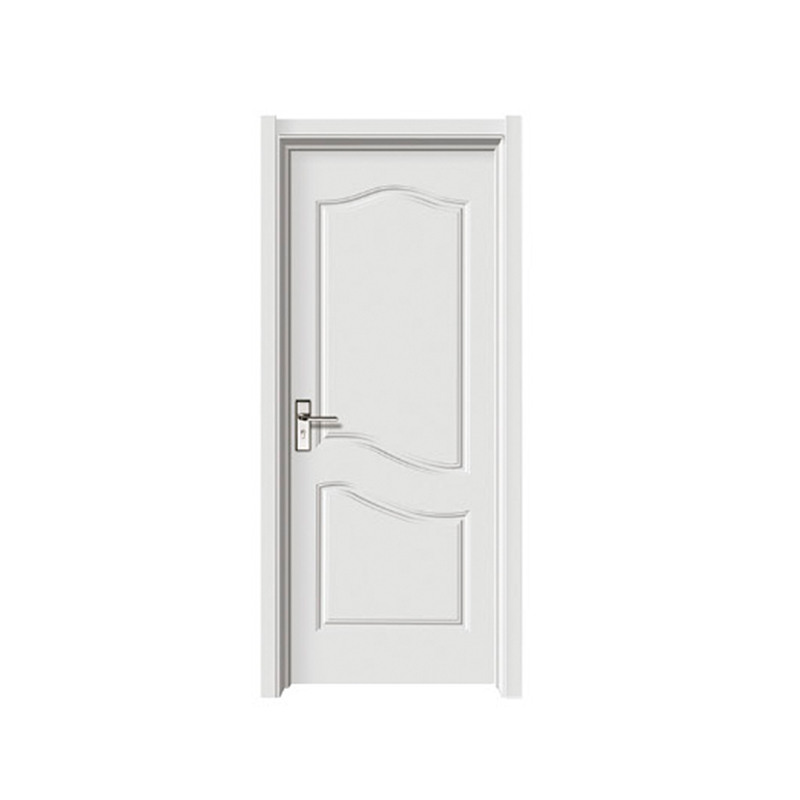
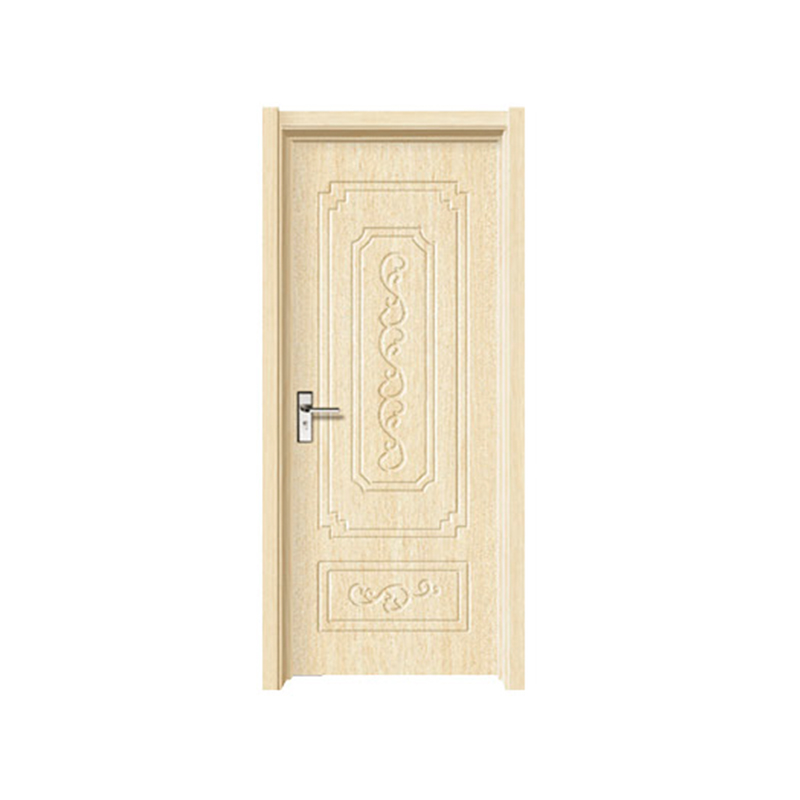
Finish is where design and practicality meet. Woodgrain patterns, solid colors, surface texture, and consistency all shape how a room feels. Laminated Interior Doors are often chosen because they offer a wide range of looks, but a wide range also means more room for mismatch if the reference is unclear.
Hold the sample next to the real materials of the project. Check it against flooring, wall paint, cabinetry, and furniture under the lighting the room will actually have. A shade that looks calm in a showroom may look different in a hallway with warm bulbs.
Use this short checklist:
That last point matters more than it seems. If you reorder in six months, an approved reference keeps both sides aligned.
Small gaps in a specification can lead to delays, extra emails, and installation trouble. The fix is simple: confirm the routine items early and record them.
| Item to Confirm | Why It Matters |
|---|---|
| Door dimensions | Helps coordinate the door with the opening and frame |
| Opening direction | Supports correct installation planning |
| Hardware preparation | Helps confirm compatibility with hinges, locks, and handles |
| Edge treatment | Clarifies the intended finish around the door perimeter |
| Surface finish | Reduces misunderstandings about color, texture, and appearance |
| Packaging requirements | Helps protect the products during handling and transportation |
None of these items is complicated on its own. Trouble starts when one of them is assumed instead of stated.
Your project team and the factory should read from the same documents. Product descriptions, drawings, approved samples, and order confirmations need to say the same thing from the first inquiry to the final shipment. If a change is made, update every document, not only the latest message.
A simple habit helps here. Keep one master specification and note the date of each revision.
A sample turns words into something you can hold. It shows whether the finish, the construction, and the design match what was discussed, and it gives both sides a shared reference before a larger order begins.
When you review a sample, look at these points:
Keep one expectation realistic. Sample approval clarifies what you want, but it does not replace quality-control procedures during production. Agree on inspection steps separately, and record them in the order documents.
Comparing quotations by price alone can hide real differences. One offer may include protective packaging and drawing confirmation, while another leaves them out. One may describe a precise construction, while another uses a vague label.
| Comparison Point | Questions Buyers Can Ask |
|---|---|
| Product scope | Does the quotation describe the same door construction and finish? |
| Customization | Can the supplier accommodate the requested design and finish? |
| Quality control | What inspection steps are used during production? |
| Packaging | How are the doors protected for transport? |
| Order communication | Who confirms drawings, samples, and specification changes? |
| Delivery planning | What production and shipping arrangements are included? |
A clear quotation makes differences easy to spot. When the scope of supply is written plainly, you can discuss the actual offer instead of guessing what sits behind a number.
Questions are cheap. Corrections after production are not. Keep this list nearby when you speak with a manufacturer:
Then take one more step. Put the answers into the order documents. Chat messages and phone calls are useful for discussion, but they are easy to lose when a project changes hands.
A well-prepared brief saves time for everyone. The more clearly you describe the request, the less back-and-forth you will face, and the more accurately a manufacturer can assess it.
Gather this information before you send an inquiry:
Even a one-page summary of these items can turn a vague inquiry into a request a factory can answer properly.
Ordering Laminated Interior Doors goes more smoothly when the product is defined before the price is discussed. Confirm the construction, the finish, the application, the installation needs, the sample, the quotation scope, and the delivery arrangements. Then keep every agreement in writing. That is how a simple purchase stays simple.
SUPERU is a manufacturer of interior door products, including PVC MDF door options. Importers, wholesalers, and project buyers are welcome to share their product requirements, drawings, or reference images to discuss suitable door options and customization needs.
Copyright © Zhejiang Shangpin Bense Home Furnishing Co., Ltd.

Wood Interior Door Manufacturer
 русский
 عربى
 Français
 Español