

2026-10-16
Veneer interior doors sit in a middle zone. They usually cost more than basic laminated panels, yet they often cost less than a door cut from a solid timber slab. So the real question is not whether they are good or bad. The real question is whether the price matches what you receive for your project.
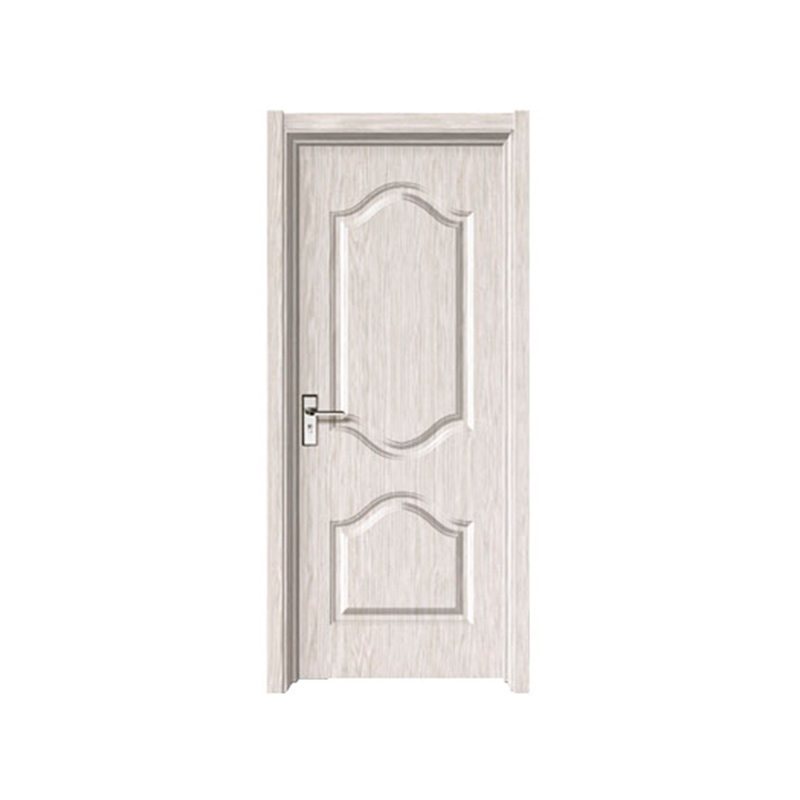
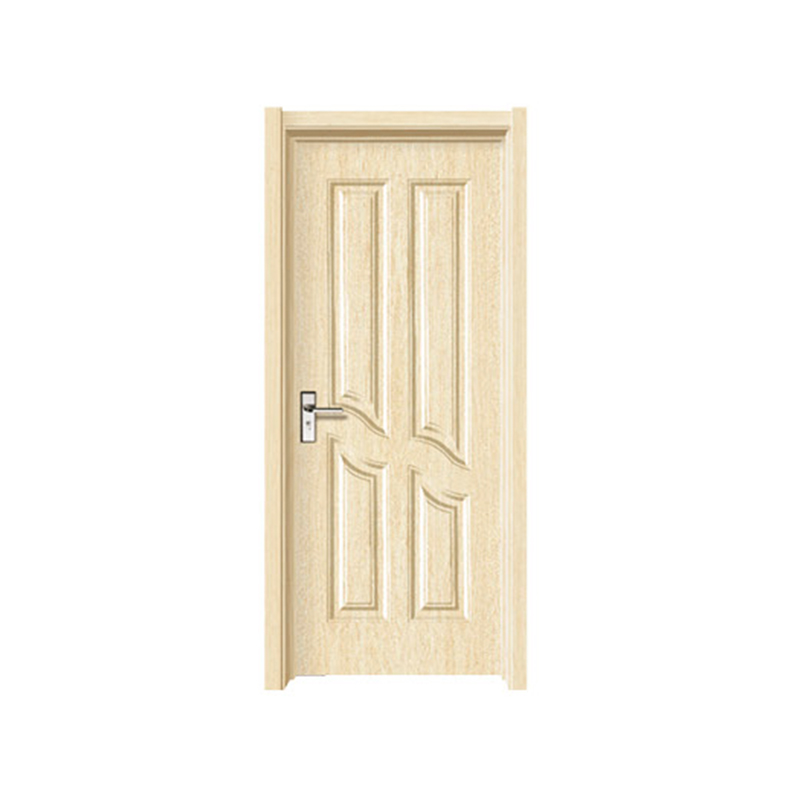
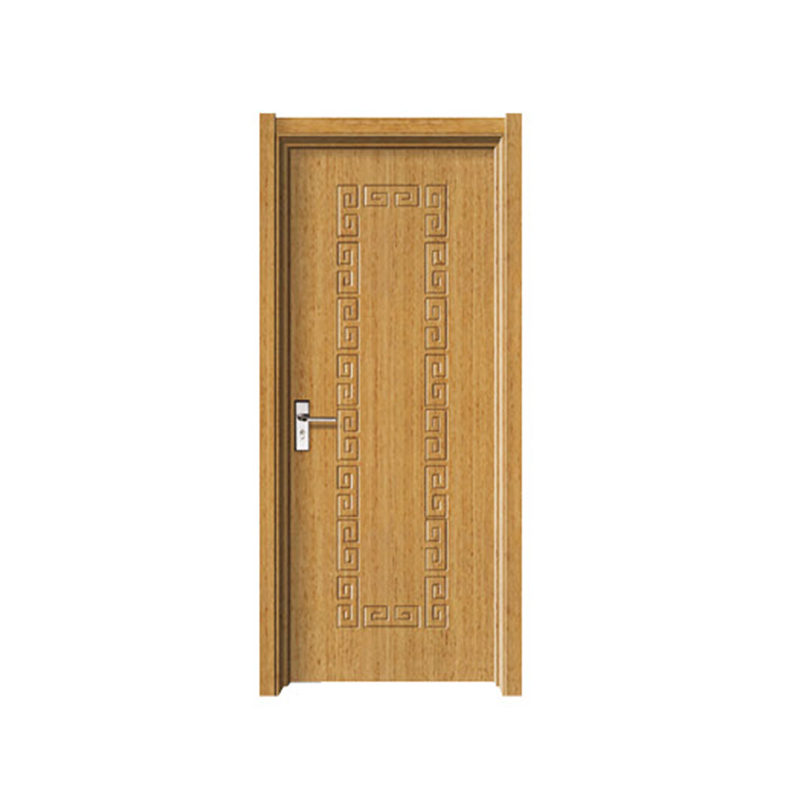
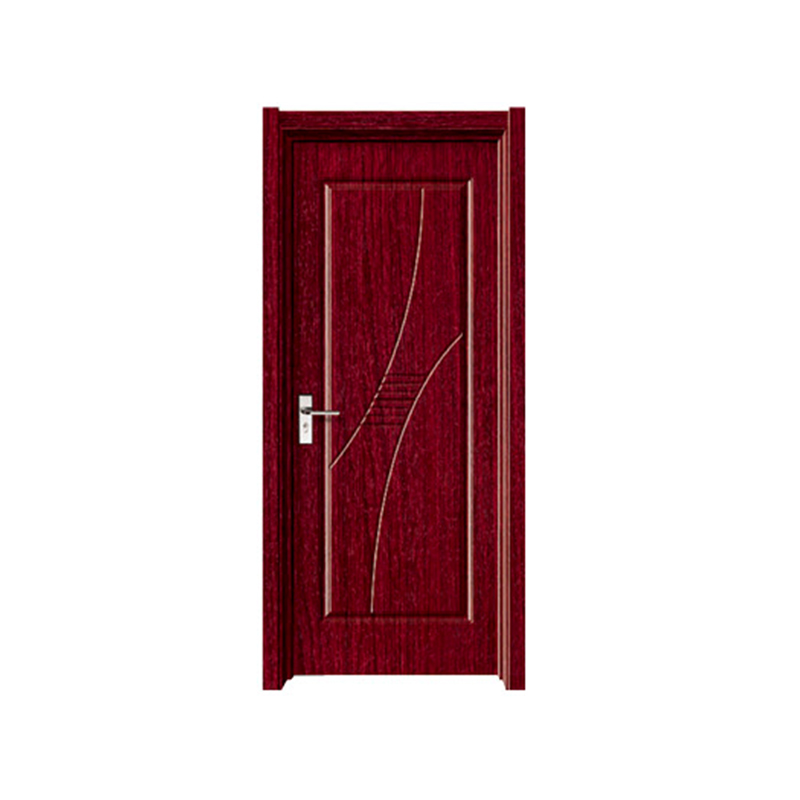
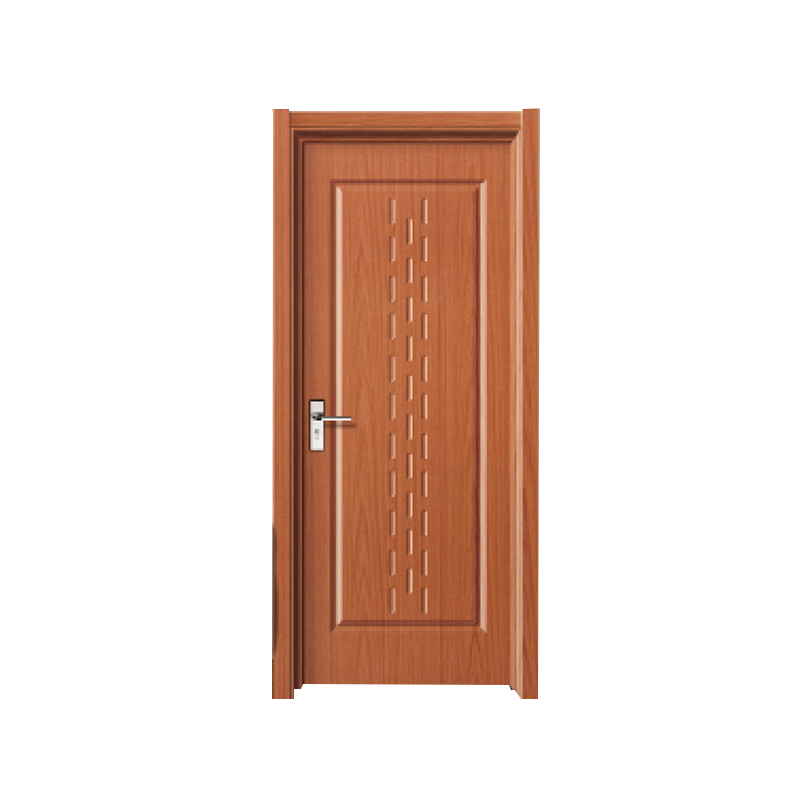
A veneer door is a layered product. A thin slice of natural wood is bonded onto an engineered base. A coating, either clear or tinted, then seals the surface. The result is a door that shows genuine wood grain while staying easier to handle than a thick timber slab.
Most of these doors use an engineered core, such as MDF panels, timber strips, or a mix of materials. This build helps the door resist the movement that natural timber shows when humidity changes. It also keeps the weight manageable for installers.
Two doors can look alike in a photo and still carry very different prices. The gap usually comes from a few factors:
Knowing these factors makes a quote much easier to read.
Think of this list as a quick inspection routine. You can use it with a supplier, a contractor, or your own purchasing team.
The core decides how the door behaves over years of use. Ask for a plain description of the materials inside the door. A clear answer shows that the supplier understands the product. A vague answer is a signal to slow down.
Natural wood varies. That is part of its charm, but it also means grain and color can shift from one door to the next. Check these details on a sample:
If you are fitting out a full apartment or a hotel floor, matching across many doors matters more than a single beautiful panel.
Many buyers choose a painted veneer door because it brings a solid color while keeping a wood-like feel. The coating should feel smooth, even, and free from dust specks or thin patches. Run a hand across the surface and look at it under angled light. Flaws show up quickly that way.
Weak points often hide at the edges. Look for clean sealing, tidy corners, and no gaps where layers meet. Edges take more knocks than the flat face, so careful work here is a sign of a careful factory.
A bedroom, a corridor, a bathroom, and a kitchen all create different conditions. Rooms with steam or frequent moisture need extra thought. Tell the supplier where the door will be installed. A good partner will say whether the model suits that space or whether another material fits better.
Poor sizing is a common source of headaches on site. Before ordering, confirm these items:
Small mistakes at this stage can cost time and money later.
Request a physical sample when the order is large. Then ask how the doors will be protected during transport. Film wrap, corner guards, and sturdy pallets all reduce damage risk. Pay attention to how quickly and clearly the supplier replies. Good communication before the order often predicts good service after it.
Different materials suit different budgets and goals. This table gives a general picture. Actual results depend on the maker and the specification.
| Door Type | Look and Feel | Price Range | Care Needs | Typical Use |
|---|---|---|---|---|
| Veneer painted | Wood texture with a smooth color finish | Mid-level | Gentle cleaning, avoid heavy moisture | Homes, apartments, hotels |
| Natural solid wood | Authentic timber character | Higher | Needs attention to humidity | Villas, custom projects |
| PVC wrapped MDF | Uniform surface, many color options | Lower to mid | Easy wipe-down | Rental units, budget builds |
| Melamine | Practical, patterned surface | Lower | Simple upkeep | Large-volume projects |
In short, veneer sits where appearance and cost meet. If you want a natural feel without paying for a full timber slab, it deserves a place on your shortlist.
Value depends on your situation. Here are a few scenarios to weigh.
Being honest about these limits saves frustration. A door that suits the room will always feel like better value than a cheaper door that fails to fit the setting.
A low quote can look attractive, yet the cost of a door includes more than the invoice. Consider these hidden factors:
When you compare suppliers, put these items beside the price. The cheapest line on a spreadsheet may not stay cheapest after delays and fixes.
Yes. The surface uses a thin layer of natural wood, so the grain is genuine. Finish and color choices change how it appears.
Many manufacturers offer color matching from a chart. Confirm the options and the sample process before you place a large order.
A well-made door with a sound core and careful finishing handles normal household and commercial use. Quality varies between makers, so inspect samples.
Use a soft, slightly damp cloth and dry the surface afterward. Avoid harsh chemicals and abrasive pads, since they can dull the coating.
It can be, provided the supplier shows consistent output, clear communication, and solid packing. Ask for references or photos of past projects.
For many buyers, yes. A veneer interior door offers a natural-wood appearance, a wide range of styles, and a price that stays within reach for larger projects. The value grows when you check the core, the surface, the coating, the edges, the sizing, the room conditions, and the supplier process before paying a deposit.
Treat the seven points above as your working checklist. Ask for samples, compare details side by side, and share your project conditions openly. With that preparation, you will choose a door that suits your space and your budget, and you will know exactly why it was worth the spend.
Copyright © Zhejiang Shangpin Bense Home Furnishing Co., Ltd.

Wood Interior Door Manufacturer
 русский
 عربى
عربى Français
 Español