

2026-10-13
Picking an interior door often gets pushed to the bottom of a renovation checklist, right until the moment you realize it is the one thing everyone touches, sees, and judges every single day. A wood veneer interior door sits at an interesting crossroad: it gives you the warmth of real timber grain while staying easier to produce and finish than a solid wood slab. But looking like wood is not the same as fitting your home. Below is a practical walk-through of how to think about tone, pattern, function, and upkeep before you settle on one.
Before matching anything to anything, it helps to know what you are actually buying. A veneer interior door is built from a core, usually a timber frame combined with an MDF filling, then wrapped with a thin layer of real wood veneer or a wood grain finish on the outer skin. That construction gives the door a natural surface texture while keeping the overall panel lighter and more dimensionally stable than a thick solid wood door.
A quick comparison helps clear up the terminology:
Knowing where veneer sits on that spectrum makes the rest of the decision much easier, because you are not comparing it to the wrong category of product.
A door is a large vertical surface, so its tone sets the emotional pitch of the room before anyone even notices the furniture. Instead of jumping straight to color swatches, try naming the mood first.
Calm and Open Spaces
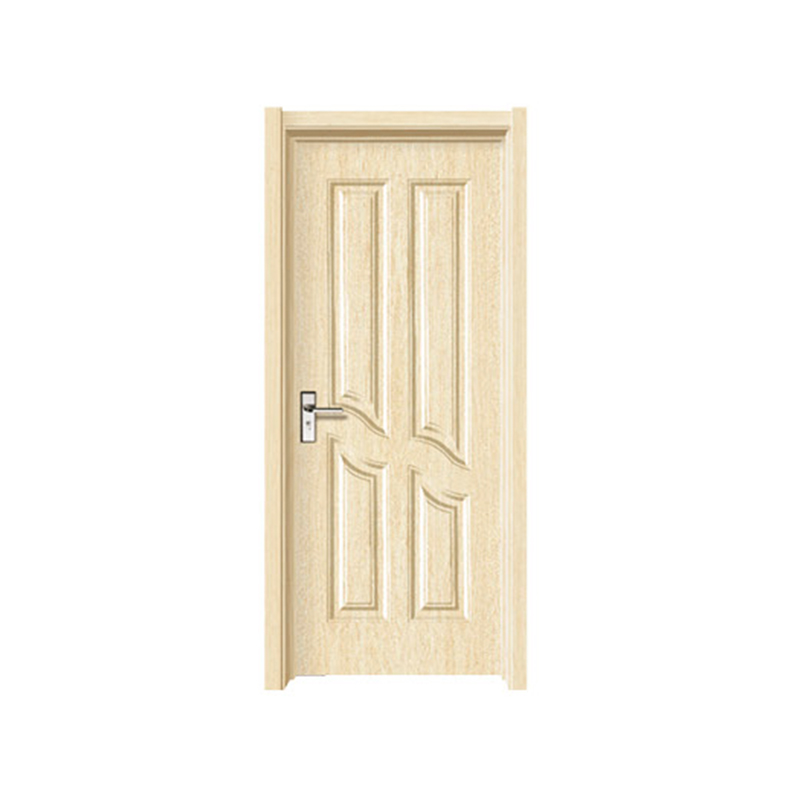
If the goal is a bright, breathable feel, lighter veneer tones such as pale beige, soft gray, or muted taupe tend to blend into wall colors rather than cutting the sightline in half. Clean, no pattern panels work well here because the eye has less to pause on.
Warm and Grounded Interiors
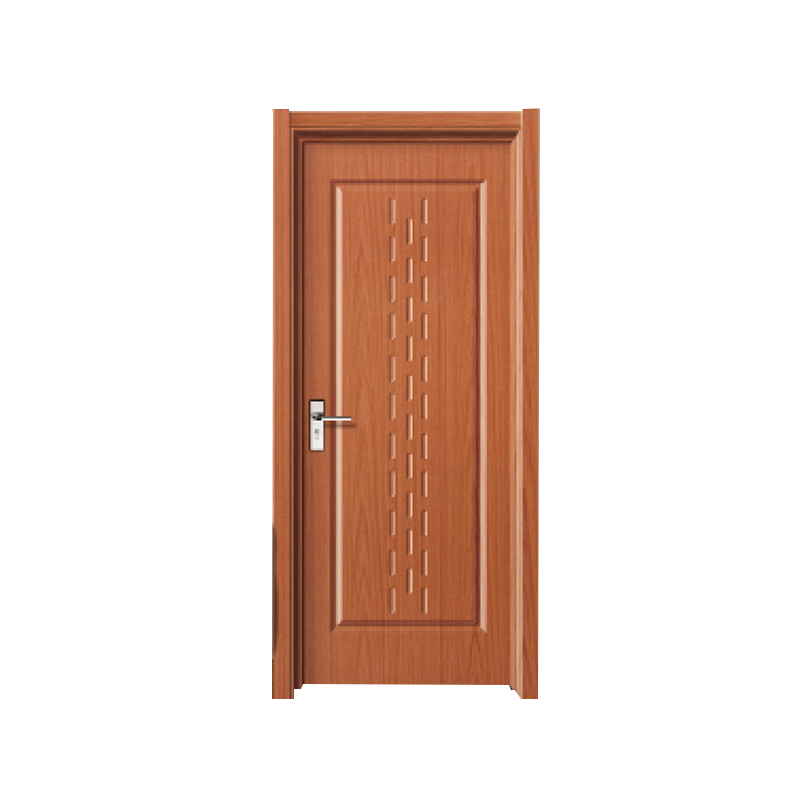
For a cozier, more layered atmosphere, mid tone veneers with visible grain give texture without turning heavy. This is where subtle vertical line detailing or a simple embossed frame adds character without shouting for attention.
Bold or Contrast Driven Rooms
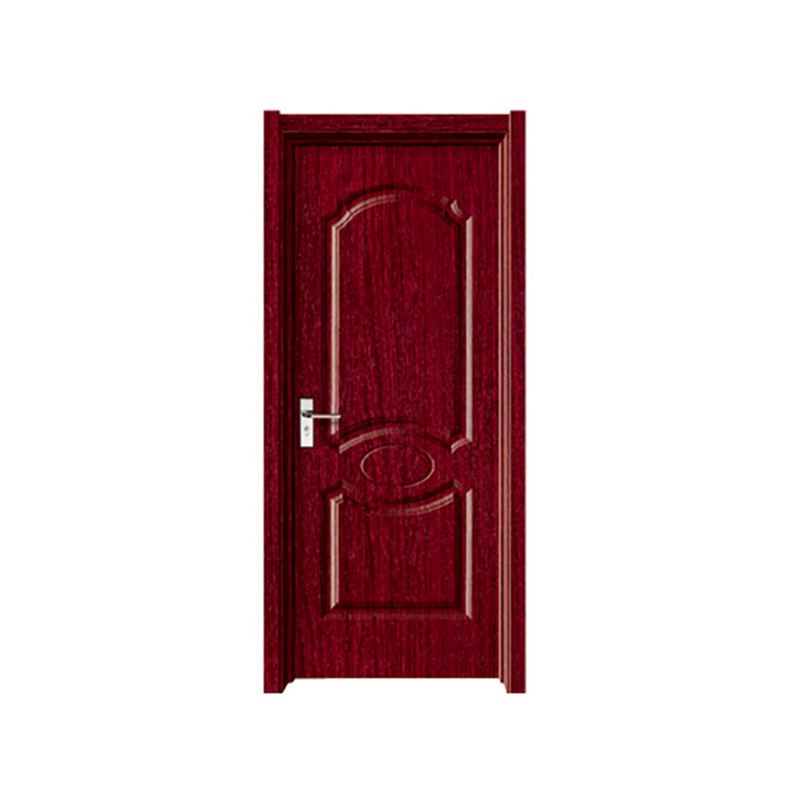
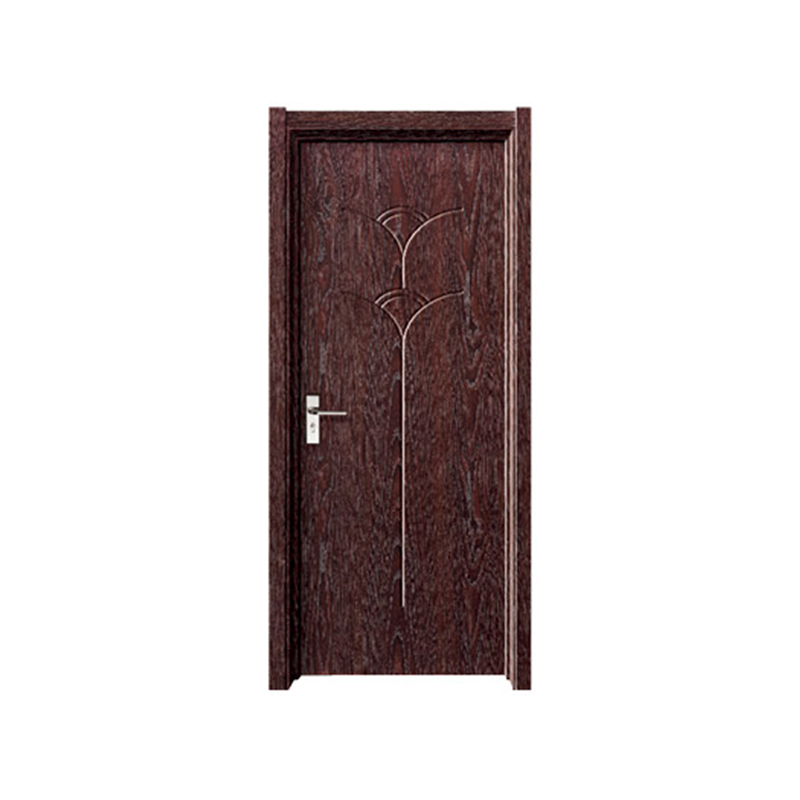
Darker veneer finishes, such as charcoal, deep walnut tones, or black bordered panels, work when the rest of the room already leans minimal. A dark door against a pale wall becomes a design statement rather than a background element, so this choice suits spaces where you want one clear focal point.
This is the step people skip, and it is usually the reason a newly installed door looks off even though nobody can explain why. The trick is undertone, not just color.
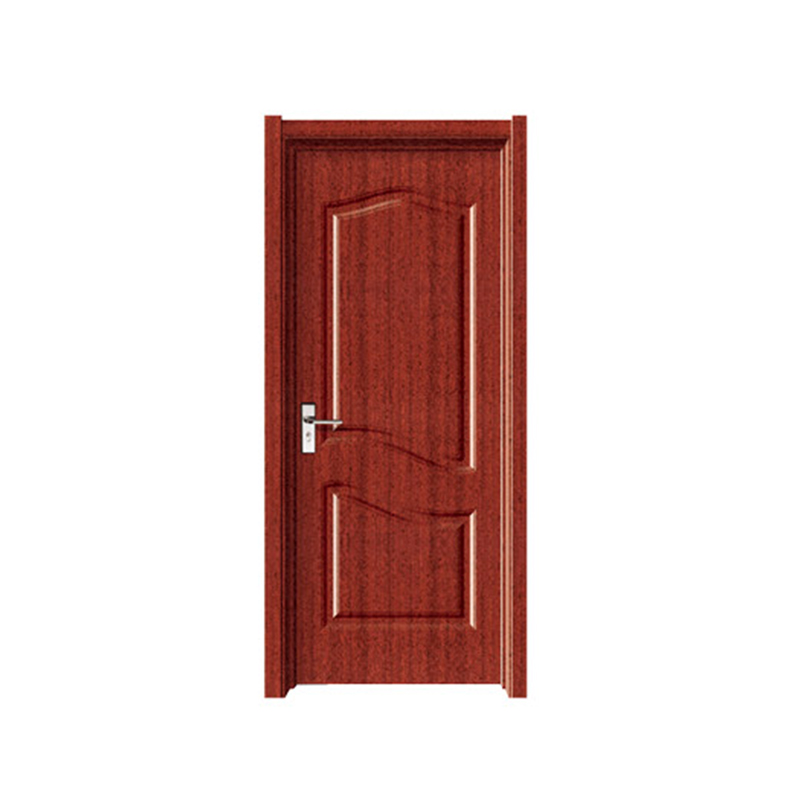
Warm floors, such as honey oak, chestnut, or amber tones, pair naturally with veneer finishes that lean toward orange brown or golden undertones. Pairing warm flooring with a cool gray toned door often creates a clash that is subtle but noticeable in daylight.
Cool floors, such as gray washed, ashy, or driftwood finishes, sit better with veneer tones that carry a slight gray or neutral cast rather than a yellow one.
Neutral or painted floors give you the most freedom, since there is no strong undertone to clash with. In this case, let the furniture or wall color guide the final decision.
A simple test before ordering is to hold a sample swatch of the veneer finish next to your flooring sample and your door frame or skirting board in natural daylight rather than under a warm bulb. Color temperature under indoor lighting can trick the eye more than people expect.
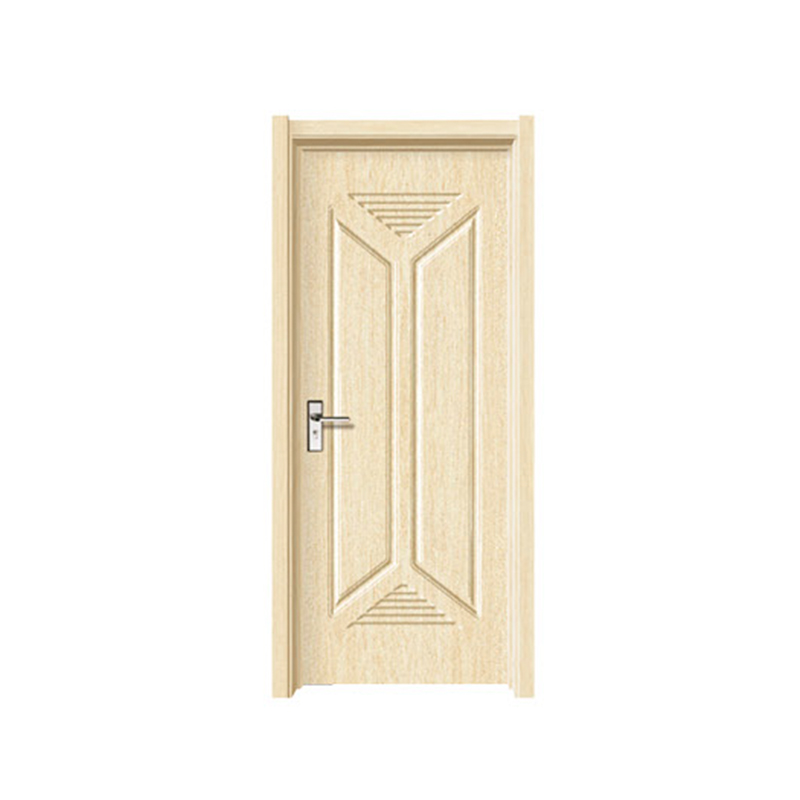
Veneer painted doors are not limited to a flat slab look. The surface can carry grooved lines, raised frame borders, metallic trim accents, or glass inserts, and each of these choices changes how the door reads from a distance versus up close.
A few common pattern directions worth knowing:
None of these is objectively the right pick. The choice depends on how much visual activity the rest of the room can comfortably absorb.
It is easy to get absorbed in color and pattern and forget that a door still has a job to do. Before finalizing a style, run through the practical side.
A veneer finish is generally straightforward to clean and keep looking fresh, but the right surface coating depends on where the door lives.
In a bedroom or study, moisture exposure is low, so the priority is finish tone and pattern, since durability demands are modest.
In a living room or hallway, moisture exposure stays low to moderate, so scratch resistance matters more given higher foot traffic.
Near a kitchen entry, moisture exposure is moderate, so a sealed, wipeable surface finish becomes a priority.
In spaces adjacent to a bathroom, moisture exposure is higher, so a moisture tolerant coating, or even a different door category such as PVC or WPC, may be worth considering.
If a space deals with regular humidity or temperature swings, it is worth asking the supplier directly about the surface coating used, rather than assuming all veneer painted doors are treated the same way.
One advantage of veneer painted doors over fixed stock solid wood options is flexibility. Because the surface finish is applied rather than being the raw material itself, color, pattern, and even handle position can usually be adjusted to match an existing color chart or a specific design brief. This makes veneer doors a practical fit for renovation projects where matching an already established interior palette matters more than picking from a limited factory default.
When discussing options with a manufacturer or supplier, it helps to bring a sample of your flooring or a photo taken in natural light, a sense of the general style direction of the room such as minimal, transitional, or warm traditional, and any hardware constraints such as existing hinges or handle height.
That groundwork tends to shorten back and forth sampling and gets you closer to the right tone on the first try.
Before placing an order, it helps to run through a short mental checklist:
A wood veneer interior door is a long term fixture, not a seasonal accessory, so a little patience at the sampling stage pays off far more than it costs in time. Once the tone, pattern, and function line up with how the room actually gets used, the door stops being a separate decision and starts feeling like it was always part of the space.
Copyright © Zhejiang Shangpin Bense Home Furnishing Co., Ltd.

Wood Interior Door Manufacturer
 русский
 عربى
عربى Français
 Español