

2026-10-09
Choosing an interior door is not only about picking a color or deciding whether the surface should look like natural wood. The construction behind the visible finish can affect the appearance, design coordination, maintenance approach, and suitability of the door for a particular project. This is why the question of Veneer Painted Door vs Solid Wood Door often comes up during interior renovation, residential development, hospitality projects, and furniture-related applications.
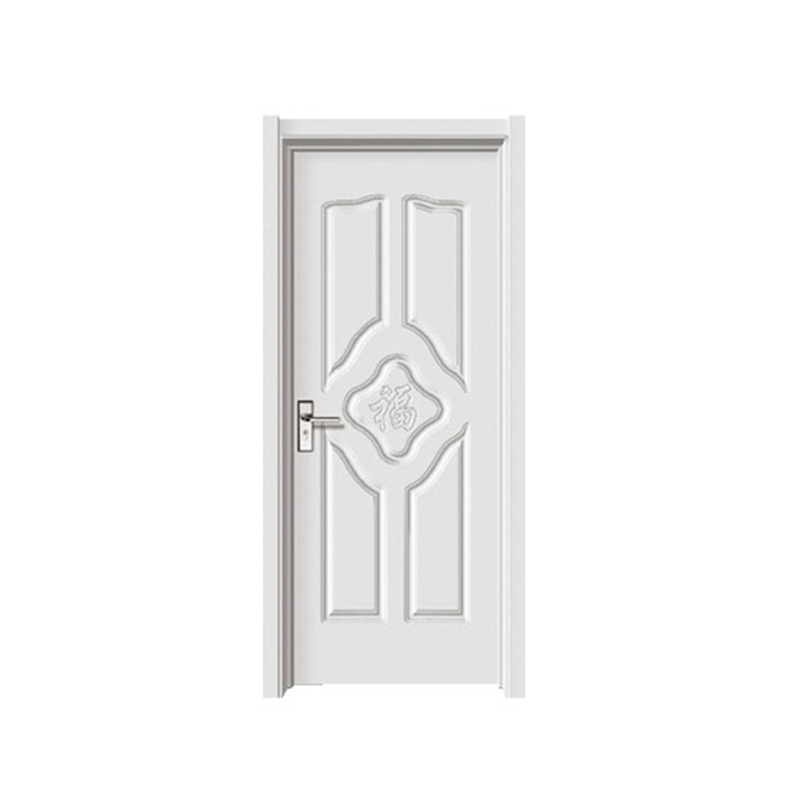
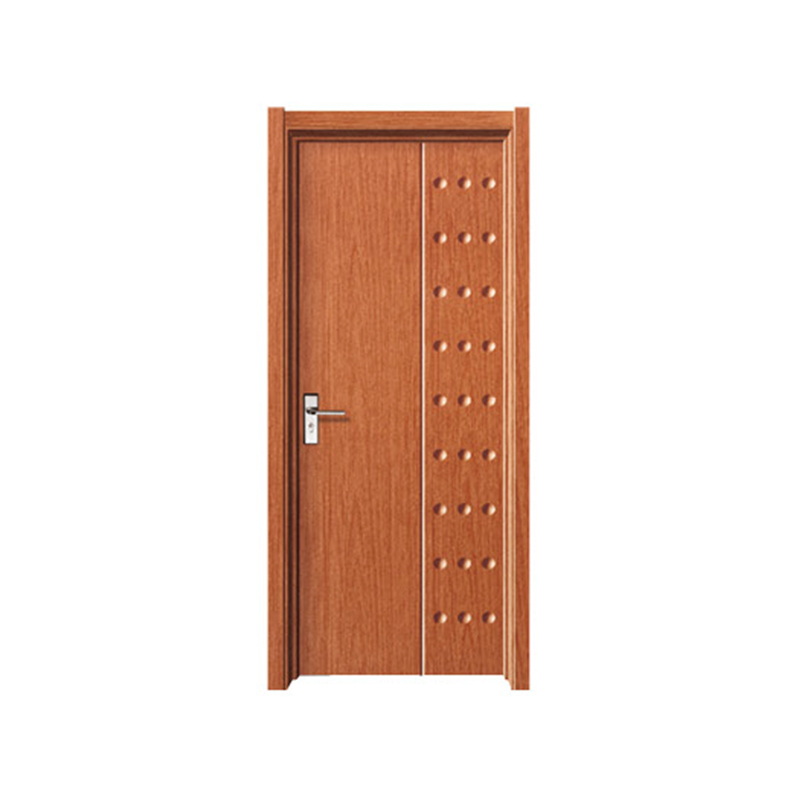
At first glance, the two options may look similar. Both can be designed around wood-based materials, different panel styles, and a range of interior finishes. However, they create different visual effects and may suit different design requirements. A veneer painted door can combine a wood-based surface with a controlled painted appearance, while a solid wood door emphasizes the natural character of solid timber.
So, what should buyers compare before making a decision?
A veneer painted door uses a veneer surface as part of its door construction and combines it with a painted finish. Veneer refers to a thin layer of wood applied to a supporting structure, so the term describes the visible wood layer rather than the complete internal construction of the door.
The painted finish changes the visual character of the surface. Depending on the selected finish and design, the door can have a more controlled color appearance while still being based on a wood-related construction.
This makes veneer painted doors useful when the design requires a coordinated color scheme across doors, wall panels, cabinets, wardrobes, or other interior elements.
A solid wood door uses solid timber for the components specified as solid wood. The exact construction can vary according to the door style, wood species, panel design, and manufacturing method.
One of the main visual characteristics of solid wood is its natural variation. Grain direction, color differences, knots, and other timber characteristics can become part of the finished appearance. These differences are normal features of natural wood rather than something that can always be controlled like a painted surface.
For buyers, this means that the appearance of a solid wood door should be considered together with the selected wood species, construction method, finish, and expected natural variation.
The main difference is not simply that one is painted and the other is solid wood. The two options can differ in surface treatment, construction, visual character, material behavior, maintenance, and design coordination.
| Comparison Area | Veneer Painted Door | Solid Wood Door |
|---|---|---|
| Surface Appearance | Can provide a more controlled painted appearance | Shows the natural character of solid timber |
| Wood Grain | May be less visually prominent after painting | Usually remains an important part of the design |
| Color Coordination | Can support a defined color concept | Color depends more on wood species and selected finish |
| Material Character | Combines veneer construction with a painted surface | Emphasizes solid timber characteristics |
| Design Approach | Useful for coordinated and controlled interior palettes | Useful when natural wood character is part of the design |
| Maintenance | Depends on the paint and surface finish used | Depends on the wood species, finish, and care conditions |
Appearance is often the first consideration because the door occupies a visible position in an interior space. However, buyers should look beyond the sample color and consider how the door will interact with the rest of the room.
A painted finish can be useful when a project has a defined interior color palette. For example, a designer may want the doors to relate closely to wall panels, cabinetry, trim, or other painted surfaces.
In this situation, the visual goal is often continuity rather than natural variation. The door becomes part of the overall color system instead of acting as a separate wood feature.
Solid wood is often considered when the design depends on visible timber character. Grain direction, natural color differences, and the texture of the selected species can become part of the room's visual identity.
This approach can work well when other interior elements also use natural wood finishes. Instead of trying to remove variation, the design can use it as part of the overall material palette.
Wood grain is an important difference to consider when comparing these door types. Natural timber does not have a completely uniform pattern. Even doors made from the same species can show differences in grain direction and color.
With a veneer painted door, the painted surface can reduce the visual emphasis of the underlying grain. This can make the door easier to coordinate with interiors where strong wood patterns are not required.
With solid wood, the grain is usually much more central to the appearance. Buyers should therefore review actual material samples when possible, especially when several doors need to work together in the same project.
Natural variation is also one reason why a sample should not always be treated as an exact prediction of every finished door. Industry door specifications commonly advise buyers to review real samples and allow for differences in grain, color, and other natural timber characteristics. :contentReference[oaicite:3]{index=3}
For a buyer, the visible finish is only one part of a door. The internal construction can be equally important.
A veneer door is not defined only by the word "veneer." The supporting material, bonding method, edge treatment, panel construction, frame arrangement, and finish system can all influence the final product. Likewise, "solid wood" does not describe every detail of a door unless the supplier clearly states which components are made from solid timber.
This is why buyers should ask for a construction description instead of comparing doors only by their product names.
There is no single design direction that requires one construction method. Both options can be used in modern interiors, but they create different visual results.
A veneer painted door can work well in interiors where clean color relationships are important. It can sit alongside painted walls, wardrobes, cabinets, and other coordinated surfaces without adding too much visual variation.
A solid wood door can be suitable when the interior concept places more attention on natural materials. In a room with timber flooring, wood furniture, natural wall elements, or warm decorative materials, the door can become another part of the natural material palette.
The better question is therefore not simply which door is better. A more useful question is: what role should the door play in the interior design?
Maintenance should be considered before ordering rather than after installation. Different finishes may have different cleaning requirements, and the care instructions should come from the manufacturer or finish supplier.
Painted surfaces generally create a defined visual layer that should be cleaned according to the recommended care method. Strong cleaning chemicals, abrasive tools, or unsuitable methods may affect the finish.
Solid wood also requires suitable care. Because natural timber can respond to changes in its surrounding environment, buyers should pay attention to the installation conditions and the maintenance guidance provided for the selected door.
The important point is that maintenance should be discussed as part of the complete door specification. The word "solid" or "painted" alone does not provide enough information about long-term care.
When purchasing several doors for the same project, consistency becomes more important.
For veneer painted doors, buyers may want to confirm how the finish will be coordinated across the order. For solid wood doors, natural differences in grain and color should be expected and discussed before production.
| Project Need | What Buyers Should Check |
|---|---|
| Multiple Interior Doors | Surface consistency, color coordination, and design repetition |
| Matching Cabinets | Color relationship, panel style, grain direction, and finish |
| Wall Panel Coordination | Visual balance between door surfaces and surrounding panels |
| Natural Wood Interior | Species, grain character, and expected material variation |
| Painted Interior Scheme | Color selection, finish appearance, and surface care |
Yes. A private home, hotel, apartment development, office, or interior renovation project may have different priorities.
For residential projects, the decision may focus heavily on personal style, coordination with furniture, and the overall atmosphere of the room.
For hospitality or larger interior projects, consistency between multiple doors can become more important. Designers and purchasing teams may also need clear material samples and construction information before confirming an order.
For custom projects, communication with the manufacturer becomes especially useful. Door dimensions, surface finish, panel design, edge treatment, hardware preparation, and other details should be confirmed before production.
A quotation is easier to compare when the specifications are clear. Two doors may have similar names but different constructions, finishes, or included components.
Before comparing prices, buyers can prepare a simple checklist:
This approach helps buyers compare the actual product specification instead of comparing two numbers without knowing what is included.
If the project requires a controlled color appearance and easy coordination with painted interior elements, a veneer painted door may fit the design direction.
If natural timber character, visible grain, and material variation are important parts of the interior concept, a solid wood door may be considered.
However, the decision should also include the door's construction, finish system, application environment, maintenance plan, and manufacturer documentation. A material name alone cannot describe the complete product.
| If Your Priority Is... | Consider Discussing... |
|---|---|
| Controlled color | Painted veneer construction and finish options |
| Natural grain | Solid wood species and grain characteristics |
| Interior coordination | Door, cabinet, wardrobe, and wall panel relationships |
| Custom design | Panel styles, finishes, edges, and hardware preparation |
| Large project sourcing | Samples, production consistency, packaging, and documentation |
A good purchasing discussion should go beyond "What is the price?" Buyers can provide the intended application, design reference, preferred finish, quantity, and installation conditions. The manufacturer can then clarify which construction and finish options are available for the project.
For custom interior door projects, it is also useful to ask whether the manufacturer can coordinate different door styles or related furniture components. This can reduce unnecessary differences between doors, cabinets, wardrobes, and other visible wood elements.
Sample approval is another practical step. Seeing the actual surface, color, grain, and edge treatment can make communication easier than relying only on digital images.
When comparing Veneer Painted Door vs Solid Wood Door, buyers should look at the complete product rather than focusing on one material label.
A veneer painted door can provide a controlled surface appearance and can be considered when the interior relies on coordinated colors and clean visual relationships. A solid wood door places more emphasis on natural timber character, including grain and material variation.
The right selection depends on the design concept, construction requirements, project application, maintenance approach, and sourcing conditions. For this reason, buyers should review the actual door construction, finish, samples, and project requirements before placing an order.
For manufacturers and suppliers, clear communication is equally important. A detailed product discussion can help buyers understand what is inside the door, how the surface is finished, and how the product can fit with the wider interior design.
In the end, the useful comparison is not simply veneer versus solid wood. It is about matching the door construction and finish with the way the space will look, function, and be maintained.
Copyright © Zhejiang Shangpin Bense Home Furnishing Co., Ltd.

Wood Interior Door Manufacturer
 русский
 عربى
عربى Français
 Español