

2026-10-06
Walk into a newly renovated home and something feels different about the doors before you even touch them. They do not throw a bright reflection under the ceiling light. Fingerprints do not show up right after cleaning day. The surface feels closer to painted furniture than to a glossy showroom sample. This is the quiet rise of the matte veneer painted door, a finish that pairs a real veneer layer with a low-sheen painted topcoat. It is not a loud style statement like a full glass panel or a heavily carved slab. Instead, it works in the background, shaping how a room feels without asking for attention. Homeowners updating bedrooms, home offices, and hallways are asking installers and suppliers about this option more often, and the reasons behind that shift are worth looking at one by one.
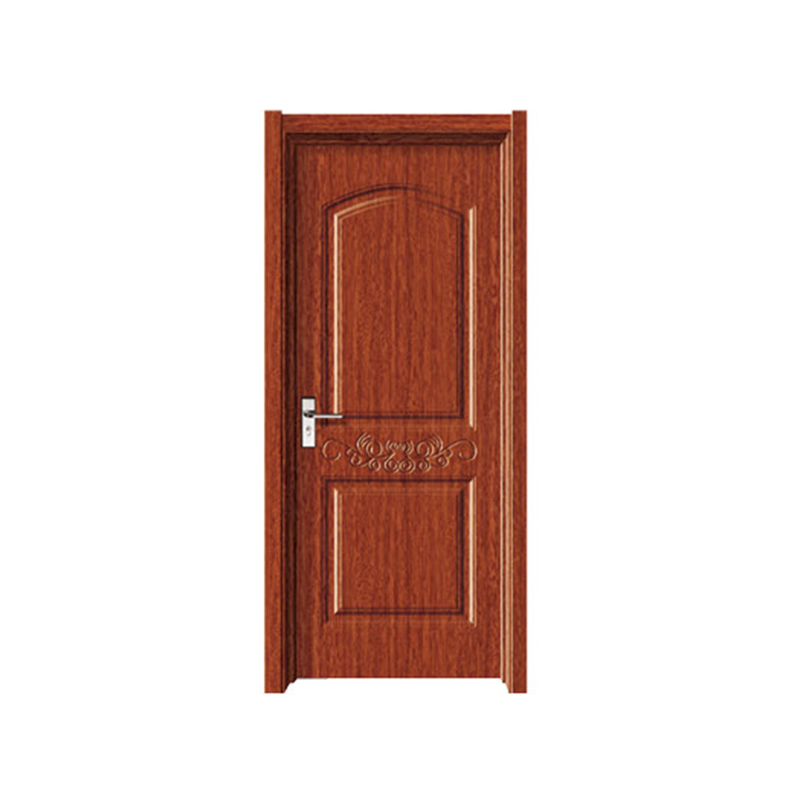
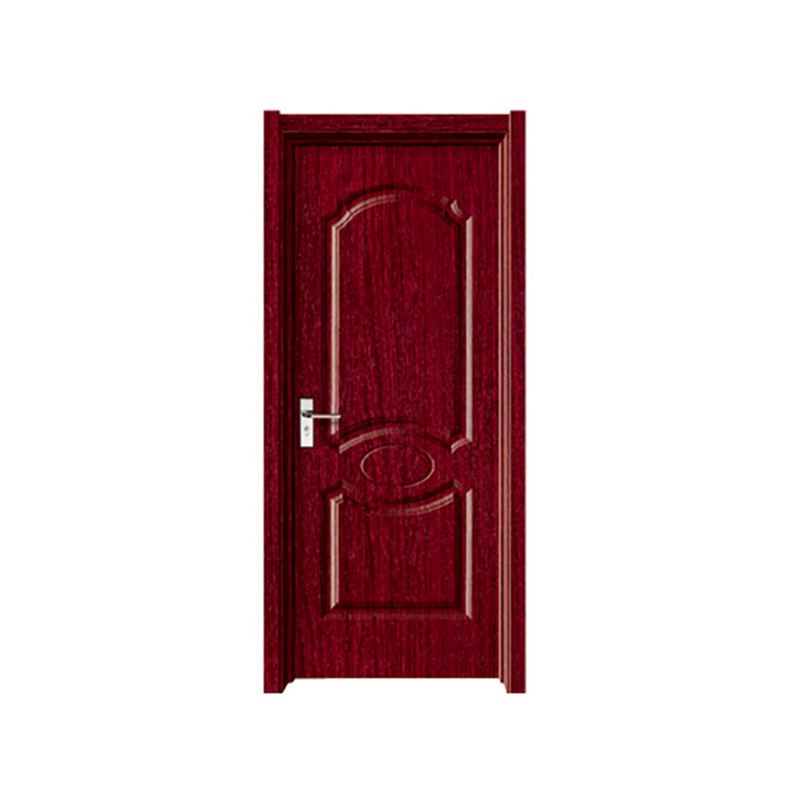
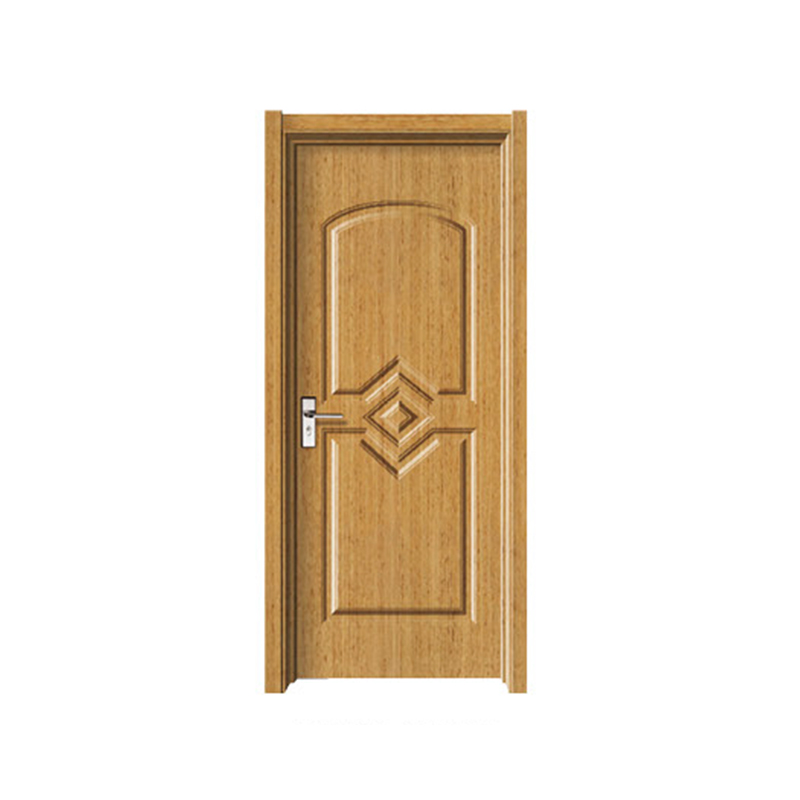
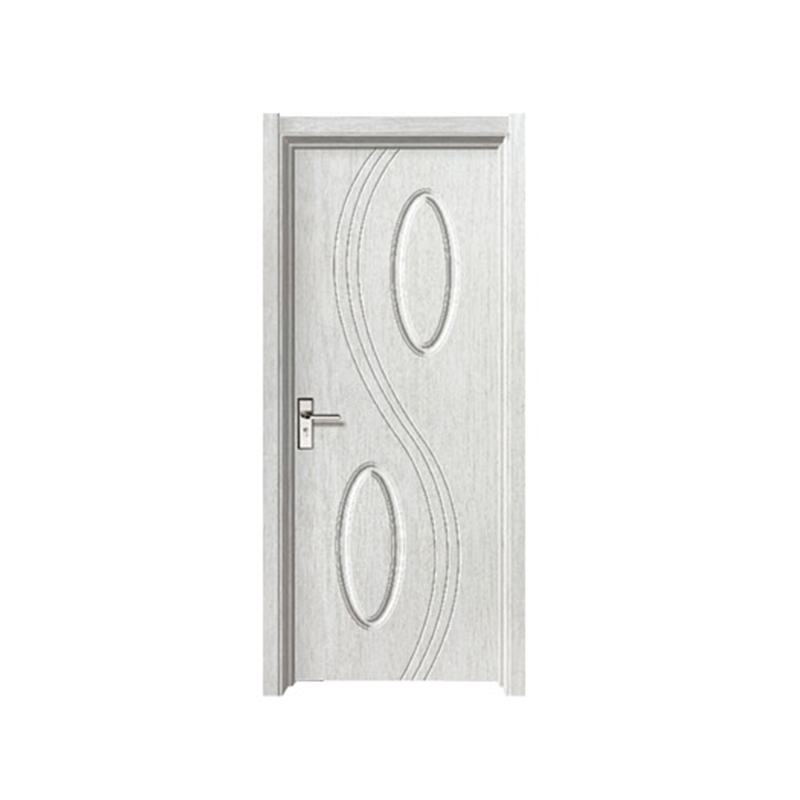
A matte veneer painted door is built in layers rather than shaped from a single solid piece. The core, often an engineered wood board such as MDF, gives the door its shape and stability. A veneer layer or a wood-grain film is applied over that core, then a paint coating is added on top and finished with a low-sheen or non-reflective topcoat. The word "matte" simply describes how much light the surface bounces back. A matte surface scatters light rather than mirroring it, which is why the door looks calm under both daylight and lamp light instead of catching a hard glare.
The base material carries most of the door's weight, both literally and in terms of performance. A stable core resists warping when room humidity shifts a little, which matters in kitchens, bathrooms, and homes without constant climate control. The veneer sits on top of that core, giving the surface a texture or pattern before paint is applied. Some manufacturers use real wood veneer for a subtle grain under the paint, while others use engineered sheets designed to hold paint evenly across the panel.
Sheen level is measured on a scale, and matte sits near the low end, well below satin, semi-gloss, or full gloss. A lower sheen level means less specular reflection, so the door does not act like a mirror when light hits it at an angle. This single detail changes how a room photographs, how it looks in the evening under warm bulbs, and how visible everyday marks become on the surface.
Interior style has been drifting toward softer, quieter surfaces for a while, and doors are catching up with walls, cabinets, and furniture that already moved in that direction. A few practical and visual reasons explain why homeowners keep circling back to matte veneer painted doors when they compare options with an installer.
Glossy surfaces reflect light sources directly, which can create a small but noticeable hot spot on a door panel, especially near windows or under spotlights. A matte surface diffuses that same light, so the door blends into the wall plane instead of standing out as a bright rectangle. In smaller rooms, hallways, or spaces with mixed lighting, that difference is easy to notice once you compare two doors side by side.
Matte surfaces tend to hide light fingerprints, dust, and minor smudges better than a mirror-like finish, simply because there is less contrast between the mark and the surrounding surface. This makes matte veneer painted doors a comfortable choice for households with children, pets, or simply a lot of foot traffic near the door edge. The finish also pairs easily with matte hardware, brushed metal handles, and neutral wall colors that have become common in current interior palettes.
Many interior schemes from a decade ago leaned on contrast, dark floors against white glossy trim, or bright accent doors against pale walls. Current schemes tend to favor tonal layering, where surfaces sit close in value and let texture do the work instead of color contrast. A matte veneer painted door fits naturally into this approach because it reads as a soft block of color rather than a shiny accent piece that pulls the eye.
No single finish works for every room, so it helps to see matte veneer painted doors next to the alternatives homeowners usually consider before making a decision.
| Finish Type | Light Reflection | Visibility of Fingerprints | Typical Rooms | General Maintenance |
|---|---|---|---|---|
| Matte Veneer Painted | Low, diffused | Less noticeable | Bedrooms, offices, hallways | Soft cloth, mild cleaner |
| Semi-Gloss Painted | Moderate | Moderate | Kitchens, bathrooms | Wipeable, some glare when wet |
| High-Gloss Painted | Strong, mirror-like | Clearly visible | Feature walls, statement doors | Requires more frequent wiping |
| Natural Wood Veneer, Clear Coat | Depends on grain and coat | Varies with grain pattern | Living rooms, studies | Occasional polish, avoid harsh solvents |
None of these finishes is inherently better across every measure. A busy kitchen door benefits from a wipeable semi-gloss surface, while a quiet bedroom door often suits the softer look of a matte veneer painted panel. The comparison is less about ranking finishes and more about matching a surface to how a room is actually used.
Because the finish behaves differently under light and touch compared to glossy alternatives, certain rooms and settings tend to get more benefit from it than others.
Matte surfaces are generally easy to live with, but they do respond a little differently to cleaning products compared to glossy paint. A few habits help keep the finish looking even over time.
A soft, slightly damp cloth handles most dust and light marks without disturbing the low-sheen surface. Harsh abrasive pads or strong solvent-based cleaners can burnish small patches of a matte finish, creating a faint sheen difference that stands out once the rest of the door dries. Sticking to mild soap and water, then drying with a dry cloth, keeps the surface consistent across the whole panel.
The area around a door handle sees more contact than any other part of the panel, so it tends to show wear first. Wiping this zone a little more often, rather than waiting for visible marks to build up, helps the color stay even in that high-touch spot compared to the rest of the door.
Like most painted wood-based doors, matte veneer painted panels do better in rooms with reasonably stable humidity. Sudden swings, such as a bathroom door exposed to steady steam without ventilation, can affect the core material over years of use. Good ventilation and a consistent indoor climate help the door keep its shape and finish for longer, which is a normal consideration for painted wood products in general, not something specific to matte finishes alone.
Matte veneer painted doors suit many rooms, but a short checklist helps confirm the finish matches both the space and the household's daily habits.
| Consideration | Why It Matters |
|---|---|
| Room lighting direction | Rooms with strong direct light show sheen differences more clearly, so matte can help even out reflections. |
| Household traffic level | High-touch doors benefit from a finish that hides light marks between cleanings. |
| Cleaning routine | Matte finishes prefer gentle cleaning methods rather than abrasive scrubbing. |
| Color and hardware pairing | Matte surfaces often pair well with brushed or matte hardware finishes for a coordinated look. |
| Room humidity levels | Stable humidity supports the core material and helps the finish hold its appearance over time. |
Working through this short list with a supplier before placing an order helps avoid mismatched expectations later, especially around how the door will look once it is installed under the room's actual lighting rather than showroom lighting.
Not necessarily. Scratch resistance depends more on the paint formulation and topcoat quality than on sheen level alone. What differs is visibility, a scratch on a glossy door can catch light and stand out, while the same mark on a matte surface may be less noticeable from a normal viewing distance.
In many cases, yes, though this depends on the specific coating system used and should be confirmed with the manufacturer or installer. Some painted veneer surfaces accept a fresh coat with proper surface preparation, while others may need a different approach depending on the original finish.
They can work in bathrooms with reasonable ventilation, though any painted wood-based door benefits from good airflow to manage humidity and steam exposure over time. This is a general consideration for painted interior doors rather than a limitation unique to matte veneer construction.
Satin sits between matte and semi-gloss on the sheen scale, offering a small amount of reflection while still muting glare compared to gloss. Families choosing between matte and satin often base the decision on how much light the specific room receives and how visible fingerprints tend to be on nearby surfaces like cabinets or trim.
Matte veneer painted doors are not a passing trend confined to design magazines, they reflect a broader shift toward calmer, texture-forward interiors where surfaces work together rather than compete for attention. The construction itself, a stable core, a veneer layer, and a low-sheen painted topcoat, gives homeowners a practical middle ground between the reflective intensity of gloss and the more exposed grain of a clear-coated natural veneer. Whether the goal is a quieter bedroom, a glare-free home office, or simply a hallway that looks tidy between cleanings, this finish offers a workable answer without requiring homeowners to compromise heavily on either appearance or daily upkeep. As with any interior material choice, matching the finish to the room's lighting, traffic, and humidity conditions remains the most reliable way to get a result that holds up well over time.
Copyright © Zhejiang Shangpin Bense Home Furnishing Co., Ltd.

Wood Interior Door Manufacturer
 русский
 عربى
عربى Français
 Español