

2026-10-02
A Veneer Painted Door does not have to stand apart from the rest of an interior. When its color, surface treatment, panel design, and wood character are planned together with wall panels and cabinetry, the door can become part of a more connected room scheme. This is particularly useful in modern residential, hospitality, office, and commercial interiors where several built-in surfaces can be seen at the same time.
The challenge is not simply finding a door that looks attractive on its own. A door may look appropriate in a showroom and still feel disconnected once it is installed beside a cabinet, feature wall, wardrobe, or wood panel. Color temperature, surface texture, grain direction, panel proportions, and visual weight can all affect how these elements work together.
For designers, architects, project buyers, and furniture manufacturers, this creates an interesting question: how can a Veneer Painted Door coordinate with wall panels and cabinetry without making the entire room look too uniform?
The answer usually comes from controlled coordination rather than exact matching. The door, wall, and cabinetry do not need to look identical. They need to share enough visual information to make the space feel intentional.
Interior doors are often selected after the main flooring, wall treatment, and furniture decisions have already been made. That approach can work for simple projects, but it can create problems when a room contains several large surfaces with different finishes.
Consider a hallway with a painted door, wood wall panel, built-in storage, and cabinet fronts. Every surface occupies part of the visual field. If the door color, wood tone, and panel details are unrelated, the hallway may feel visually divided even when each individual product is well designed.
Planning these elements together gives designers more control over the overall appearance.
| Interior Element | What Can Be Coordinated |
|---|---|
| Veneer Painted Door | Color, veneer character, panel profile, surface finish |
| Wall Panels | Wood tone, panel rhythm, texture, joint layout |
| Cabinetry | Door color, grain direction, hardware, surface treatment |
| Built-In Furniture | Color family, edge details, proportions, material transitions |
The goal is not to make every component identical. Instead, designers can repeat selected characteristics across different surfaces. A shared neutral color, a related wood texture, or a similar line pattern may be enough to connect separate elements.
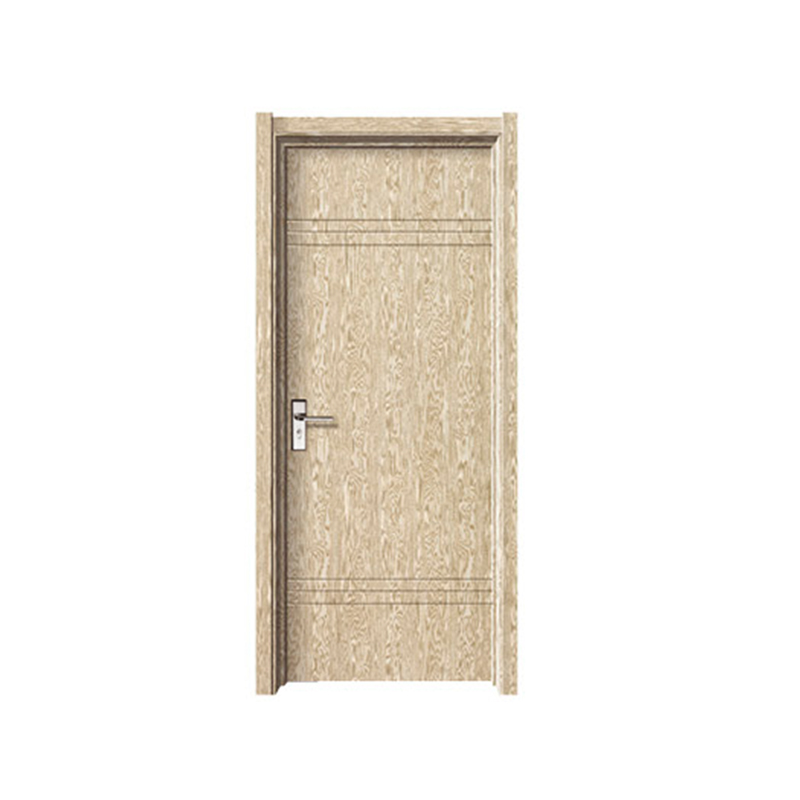
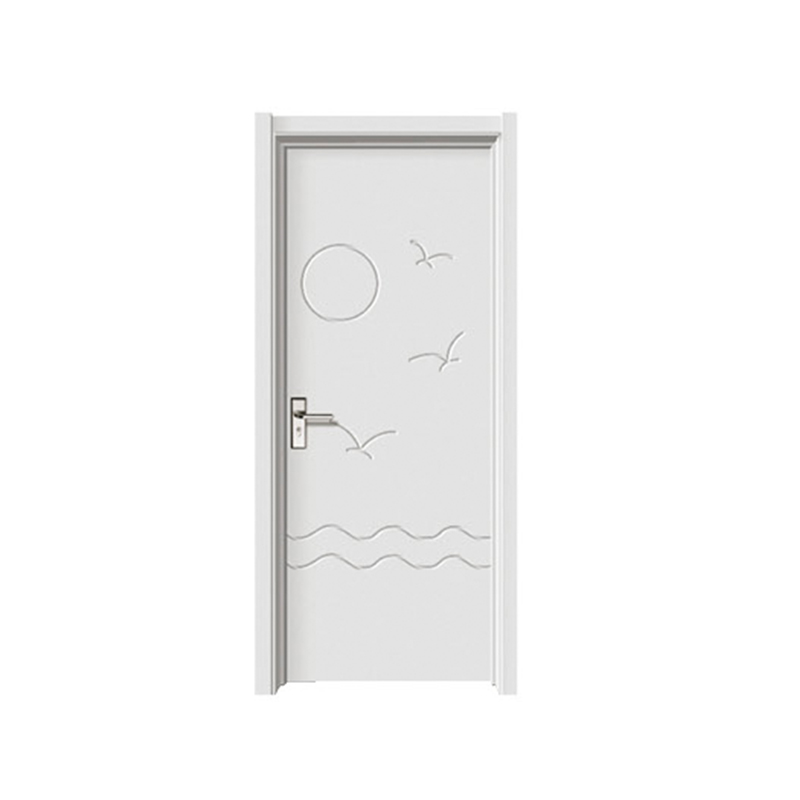
A Veneer Painted Door combines a wood veneer layer with a painted surface, allowing designers to work with both wood character and controlled color. The exact visual result depends on the veneer, coating system, preparation process, door construction, and design details.
This combination can be useful when a project requires more flexibility than a single material treatment can provide.
For example, a designer may want the door to sit within a warm wood-based interior while avoiding a room filled entirely with exposed wood grain. A painted veneer surface can provide a controlled color field while retaining some material depth beneath the finish.
That makes the door easier to coordinate with different interior elements.
Color is usually the first feature people notice when comparing a door with nearby cabinetry or wall panels. A small difference in tone can be visible when two large surfaces sit next to each other.
This does not mean that every surface should use exactly the same color. In many interiors, using closely related shades creates more depth than using one color everywhere.
For example, a soft painted door can work with slightly darker cabinetry and a natural wood wall panel. The three elements remain visually connected while each retains its own identity.
Color alone does not determine how materials work together. Texture also affects the relationship between surfaces.
A smooth painted door beside heavily textured wall cladding can create a strong contrast. A more subtle wood panel may produce a quieter transition. Cabinet fronts can then either repeat the door finish or introduce a related surface treatment.
For commercial and residential projects, the right choice depends on the atmosphere the designer wants to create and the amount of visual detail already present in the room.
Not necessarily. Exact matching can create a seamless appearance, but it is only one design approach.
A more flexible method is to establish a relationship between the door and wall panels through one or two shared characteristics. These might include a similar color family, related wood grain, matching edge treatment, or repeated geometric lines.
Imagine a corridor with warm wood wall panels. A door finished in a related warm neutral tone can sit comfortably within the same scheme without copying the wall surface. The difference helps the doorway remain identifiable while the shared color temperature keeps the composition connected.
This approach is also useful when wall panels are changed from one room to another. The door can remain consistent while the surrounding materials vary slightly.
These approaches give designers room to create variation without losing visual continuity.
Cabinetry is often more visually demanding than a single door because it may include several fronts, handles, frames, open sections, and storage compartments. When a cabinet is close to an interior door, small differences between the two surfaces can become noticeable.
A Veneer Painted Door can be coordinated with cabinetry in several ways.
The simplest approach is to use a related painted finish on both the door and cabinet fronts. The shades do not have to be identical, but they can sit within the same color family.
This works well in bedrooms, dressing areas, entryways, and living spaces where doors and storage units are visible from the same viewpoint.
Another approach is to repeat a design line. If the cabinet doors use a framed structure, the interior door can include a related frame or recessed panel pattern.
The repeated geometry creates a visual connection even when the colors are different.
Small details can also influence the overall result. Handles, hinges, edge profiles, and frame treatments may appear minor individually, but they contribute to the visual language of the room.
For a coordinated project, buyers can discuss these details with the door manufacturer before production rather than trying to solve every difference during installation.
Wood grain can be a useful design element, but it needs to be considered carefully when several surfaces use veneer.
Wall panels may run vertically, cabinetry may use horizontal grain, and a door may have a different grain direction depending on its construction. These differences are not automatically a problem. In fact, controlled variation can add structure to a room.
The important point is to avoid accidental inconsistency.
When a project uses several wood surfaces, designers can decide where the grain should be prominent and where it should remain subtle. A Veneer Painted Door can then act as a transition between painted areas and wood-focused surfaces.
| Design Situation | Possible Approach |
|---|---|
| Wood-heavy room | Use a controlled painted tone to reduce visual density. |
| Mostly painted interior | Introduce subtle veneer character for additional depth. |
| Mixed wood tones | Choose a door color that connects the different tones. |
| Minimal interior | Use simple door profiles and restrained surface variation. |
Yes, but the design details should respond to the character of the space.
A door with a simple flat appearance may fit a clean contemporary room, while a framed or geometric design can support a more decorative interior. Glass sections, panel divisions, trim details, and color choices can also change how the door relates to the surrounding furniture.
Modern interiors often rely on clear lines and controlled material transitions. A Veneer Painted Door with a restrained panel design can sit naturally beside flat cabinetry and simple wall panels.
Rather than adding decoration to every surface, the designer can use one or two repeated details to create continuity.
Residential spaces often benefit from warmer colors and visible material character. Here, the door can connect painted areas with wood furniture, wardrobes, and wall features.
A soft neutral finish may work with natural wood tones, while a deeper shade can create a stronger transition between adjacent surfaces.
Hotels, offices, apartments, and other commercial environments often require consistency across multiple rooms. Door designs may need to coordinate with built-in furniture and wall treatments throughout a larger project.
In these cases, consistency in color selection, panel design, and manufacturing details can simplify the overall design language.
The door finish should not be selected from a small sample without considering the surrounding materials. A color can appear different depending on the lighting, wall color, flooring, and nearby furniture.
Before confirming a production finish, it is useful to consider the following:
These questions are particularly useful for project buyers because the door is often ordered as part of a wider interior package.
Lighting can change the way painted surfaces and wood textures are perceived. A neutral finish may look warmer under one type of lighting and cooler under another. Wood grain can also become more visible when light travels across the surface from the side.
This is why selecting a door finish based only on a digital image can be risky.
For projects where several materials need to coordinate, physical samples can provide a clearer reference. A door sample can be placed beside the intended wall panel, cabinet finish, flooring, and other major materials.
The purpose is not to find an identical visual match. It is to see how the materials interact under the lighting conditions expected in the finished space.
Wall panels can range from simple flat surfaces to framed sections, vertical strips, geometric patterns, and other decorative arrangements. A door placed within such a wall needs to respond to the pattern around it.
If the wall already contains strong geometric lines, a door with another complex pattern may create too much visual competition.
In contrast, a simple wall may provide room for a more detailed door design.
One useful principle is to repeat the rhythm of the surrounding architecture rather than copying every line.
For example, vertical wall panels may pair naturally with a door featuring a vertical detail. A rectangular wall pattern may work with a door using a related rectangular panel structure.
This creates a subtle connection that viewers can recognize without making the room feel repetitive.
Yes. This approach is increasingly relevant in interiors where storage, wall panels, and doors are designed as one continuous composition.
A door can be visually integrated into a larger wall by using a related color and minimizing unnecessary contrast between the door surface and surrounding panels.
This can be useful for bedrooms, corridors, study areas, and living spaces where built-in cabinetry occupies a large part of the wall.
However, complete visual blending is not always necessary. Some projects benefit from making the doorway easier to identify through a subtle difference in tone, frame detail, or surface treatment.
Customization becomes important when the door is part of a larger interior scheme. A standard door may work for a single-room renovation, but project-based applications often require more coordination.
Depending on the manufacturer and product structure, buyers may discuss areas such as color selection, filling options, frame design, opening direction, hardware arrangement, panel layout, and other details.
For example, the manufacturer behind the SUPERU door range provides OEM and ODM services and lists customization areas such as color selection, filling options, frame options, opening direction, and hardware options.
This type of flexibility can be useful when the door needs to work with cabinetry and wall systems that have already been specified.
Late design changes can create unnecessary coordination work. If the cabinet finish has already been approved but the door is still undecided, matching the two later may require additional sampling and communication.
It is usually more practical to establish the main design relationship before the production stage.
A project team can provide the door manufacturer with color references, panel drawings, finish samples, or other design information where appropriate. The manufacturer can then confirm what can be produced and what details need adjustment.
One common mistake is choosing each product independently. A door is selected because it looks good by itself. Cabinets are selected separately. Wall panels are then added based on another sample. The result may contain attractive products but lack a common visual language.
A better approach is to define a small group of design priorities.
This process is simple, but it can prevent many design inconsistencies before they reach the installation stage.
For a commercial or multi-room project, product selection is only one part of the process. Communication with the manufacturer also matters.
Useful questions include:
These questions help move the conversation from a simple product purchase toward a complete project specification.
The relationship between a door, wall panel, and cabinet does not need to be complicated. In many cases, the strongest result comes from a few controlled decisions rather than a large number of decorative elements.
| Interior Detail | Key Consideration | Practical Design Tip |
|---|---|---|
| Color | Color tone, warmth, and contrast | Choose related shades that connect the door with nearby surfaces. |
| Surface Texture | Smoothness and visible material character | Balance painted surfaces with the texture of surrounding wood elements. |
| Wood Grain | Grain direction and visibility | Use related grain patterns or allow controlled differences between surfaces. |
| Panel Design | Panel shape, spacing, and proportions | Repeat selected lines or geometric details to create visual continuity. |
| Hardware | Finish, shape, and placement | Coordinate door hardware with handles and other visible cabinet hardware. |
| Lighting | How light changes color and texture | Check door and material samples under the lighting planned for the interior. |
Coordinated door, wall, and cabinetry design can be useful in several types of projects.
Bedrooms often contain wardrobes, storage units, wall panels, and interior doors within the same visual area. A coordinated finish can make these separate elements feel connected without requiring identical materials.
Entry areas commonly combine storage cabinets, wall treatments, doors, and decorative surfaces. A Veneer Painted Door can help connect the entrance to the rest of the home's interior palette.
In open-plan interiors, doors may be visible from living rooms, dining areas, and hallways. Coordinating the door with nearby cabinetry or wall panels can reduce visual interruptions.
Hospitality spaces often repeat the same room concept across several areas. A controlled door design can be coordinated with furniture, wall finishes, and other interior components to create consistency across the project.
Modern offices may include meeting rooms, storage walls, private rooms, and shared spaces within one floor plan. Coordinated door finishes can help maintain a consistent visual language while allowing different areas to have their own functions.
No. In fact, exact matching can sometimes make an interior feel too flat.
A room can have more visual depth when related colors are used instead of one repeated shade. For example, a painted door can sit between a lighter wall panel and slightly deeper cabinetry. The three surfaces remain connected while the difference gives each element a clear role.
The key is intentional variation.
Random variation can look inconsistent, while planned variation can create hierarchy.
For a custom project, early information can make communication more efficient. A manufacturer may need the intended door style, finish preference, panel design, opening direction, hardware requirements, and other project details.
Color references are particularly useful when the door needs to coordinate with existing cabinetry or wall panels. Where possible, physical samples or recognized color references can reduce ambiguity during discussions.
Project drawings can also help when the door includes custom panel proportions or unusual design requirements.
From a manufacturing perspective, customization is not only about changing color. It can involve several connected details, so confirming the design as a complete package is useful before production begins.
A coordinated interior does not mean that every surface must look the same. Instead, it means that different components communicate with one another.
A Veneer Painted Door can support this approach through its combination of painted color, veneer character, panel design, and customizable details. When these features are considered alongside wall panels and cabinetry, the door can become part of the room's broader material strategy.
The most useful starting point is to decide what should be repeated and what should remain different.
Perhaps the color should be repeated while the texture changes. Perhaps the wood tone should connect the surfaces while the door remains slightly darker. Or perhaps the wall panels and cabinets should carry the natural material character while the door provides a quieter painted transition.
There is no single formula for every interior. The right combination depends on the architecture, lighting, furniture, room function, and project requirements.
A Veneer Painted Door is easier to integrate when it is considered as part of the interior rather than as an isolated product. Wall panels and cabinetry create large visual areas, and the door sits within that composition whether the designer intends it or not.
Color, texture, grain, panel geometry, hardware, and lighting all contribute to the relationship. Small decisions can therefore have a noticeable effect on the finished space.
For homeowners, designers, architects, and project buyers, the practical approach is to compare the major materials together, establish a clear color direction, and decide where repetition and contrast should appear. For manufacturers, early communication about finish, construction, customization, and project requirements can make the production process easier to coordinate.
As interior design continues to move toward connected spaces, doors, wall panels, wardrobes, and cabinetry are increasingly considered as parts of the same visual system. A thoughtfully specified Veneer Painted Door can fit into that system without needing to dominate the room.
For projects that require customized colors, panel details, frame options, opening directions, or related manufacturing support, working directly with an experienced door manufacturer can help buyers turn a general design idea into a practical product specification.
Zhejiang Shangpin Bense Home Furnishing Co., Ltd. provides OEM and ODM services for interior door projects, with customization options covering areas such as color, frame design, filling, opening direction, and hardware. This allows project buyers to discuss door requirements according to their interior design and product plans.
Copyright © Zhejiang Shangpin Bense Home Furnishing Co., Ltd.

Wood Interior Door Manufacturer
 русский
 عربى
عربى Français
 Español