

2026-09-29
Door surfaces are exposed to regular contact during opening, closing, cleaning, moving furniture, and carrying objects through a room. Small scratches may appear gradually, especially around areas that are frequently touched or exposed to repeated friction.
A scratch does more than change the appearance of a surface. When the decorative layer is damaged, dirt can collect around the affected area, making routine cleaning less convenient. Deeper surface damage may also make the door look uneven when viewed under different lighting conditions.
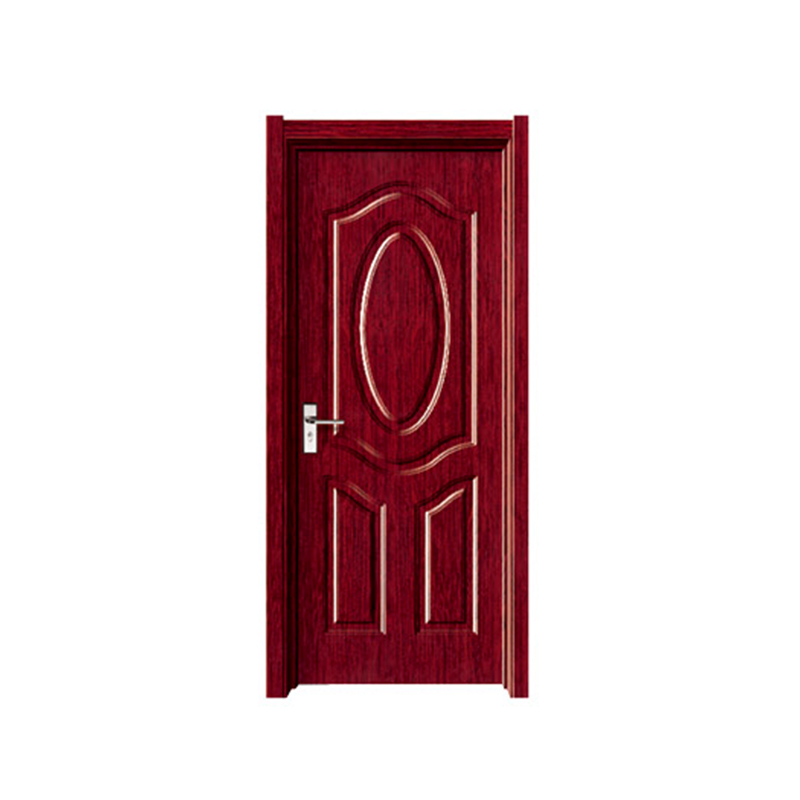
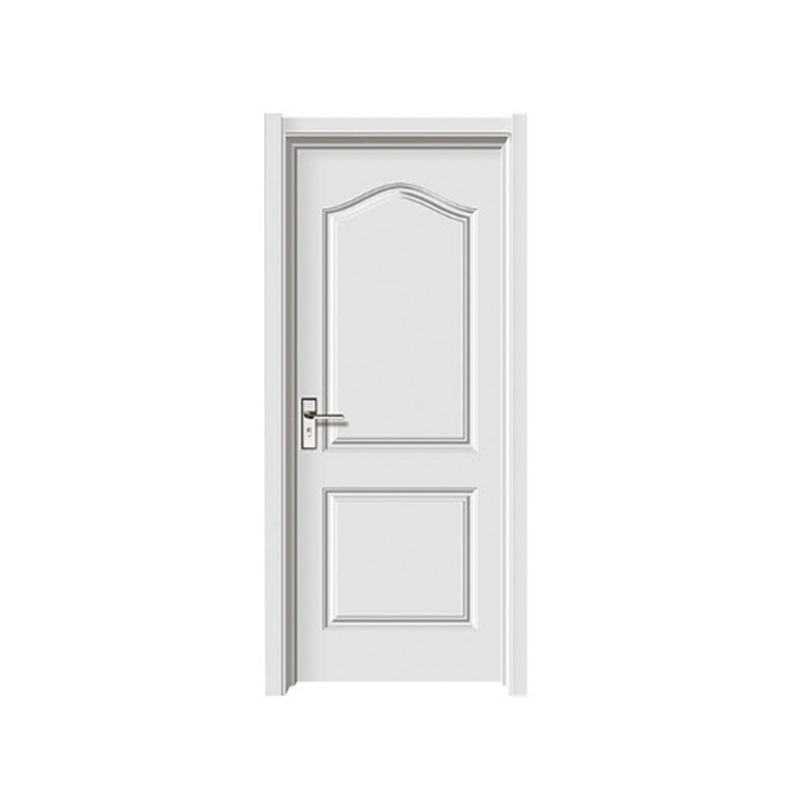
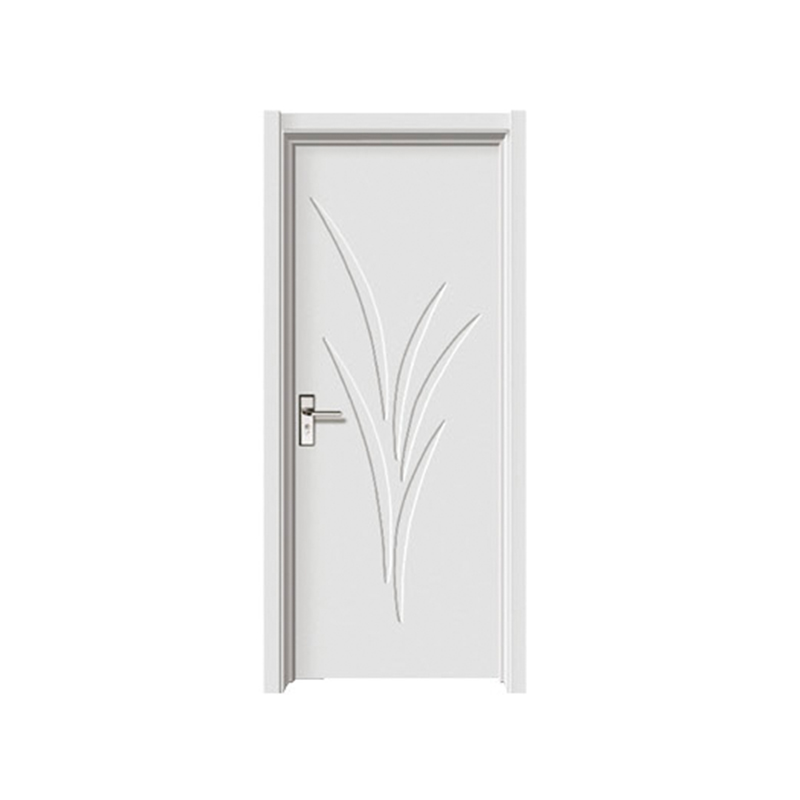
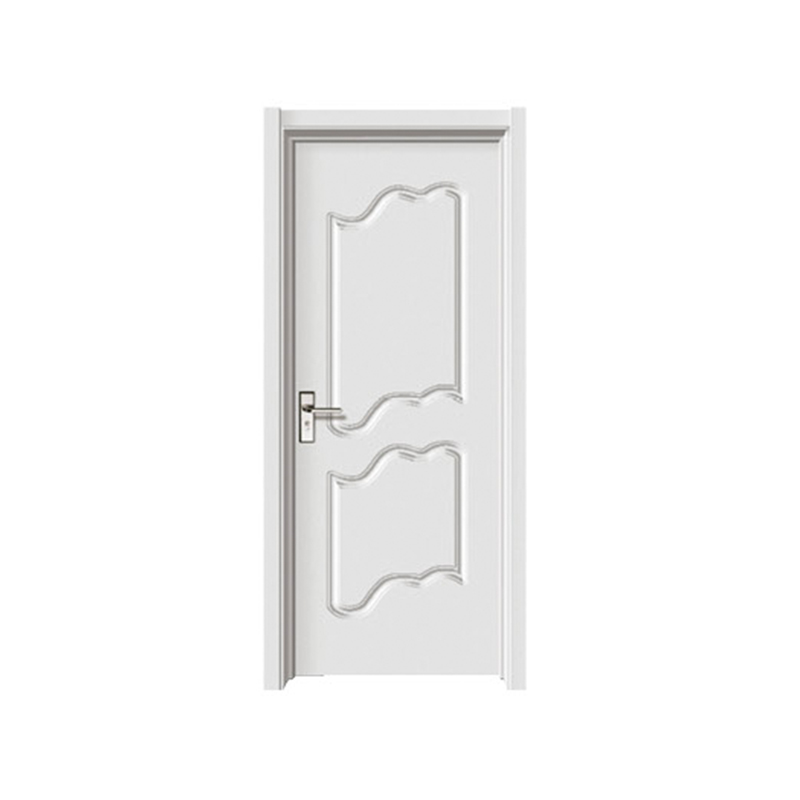
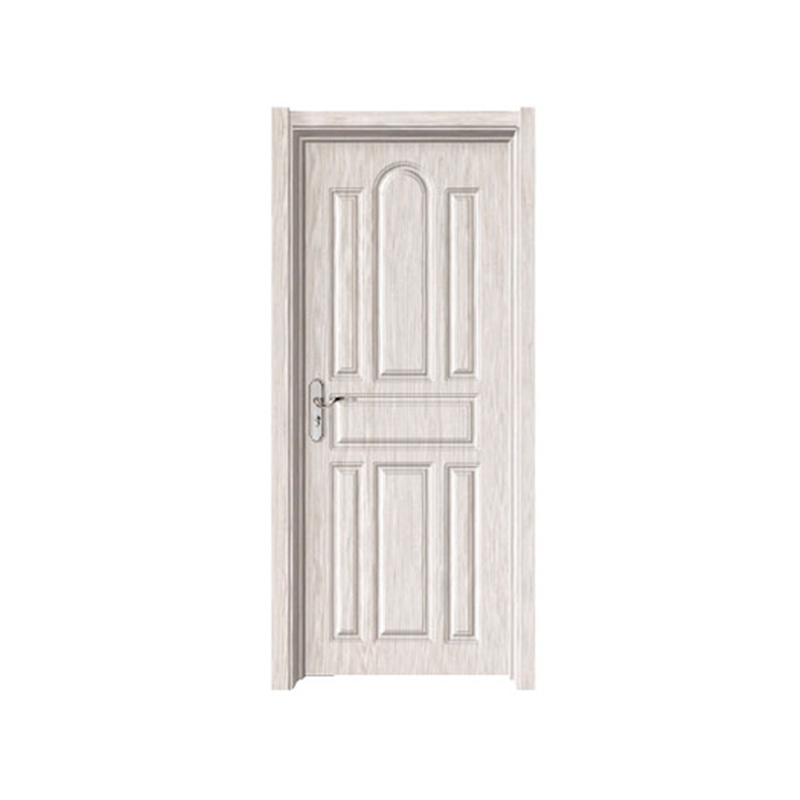
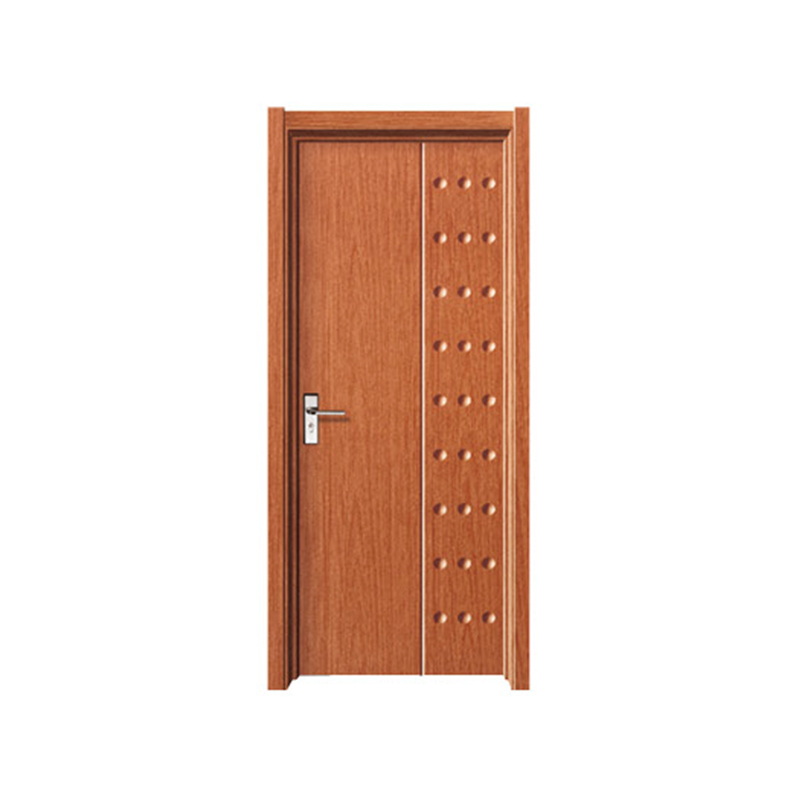
For a Laminated MDF Door, surface condition is closely related to daily use. A suitable surface needs to cope with ordinary contact without making routine maintenance unnecessarily difficult. The surrounding room also matters because a door beside furniture or in a narrow passage may experience more contact than a door in an open area.
Scratch resistance can be considered from several practical angles:
A surface that remains in good condition is easier to maintain visually. Scratch resistance is therefore related not only to appearance but also to the way a door fits into its daily environment.
Scratches can develop at different stages, from storage and transportation to installation and regular use. Some marks appear when hard objects slide across the surface, while others result from repeated contact with smaller particles.
Furniture is a common source of accidental contact. A cabinet, chair, or other object placed close to the doorway may touch the door when the panel moves. Narrow spaces can increase the chance of repeated rubbing.
Installation work can also create surface marks. Tools, packaging materials, or construction debris may come into contact with the door before the surrounding area is fully prepared. Small particles left on a surface can act as abrasive material when wiped across the panel.
Cleaning requires similar attention. Rough cloths, unsuitable tools, or trapped dust may leave fine marks after repeated wiping. Even when a cleaning method appears gentle, loose particles between the cloth and surface can increase friction.
Storage conditions should not be overlooked. Doors stacked or placed too close to other materials may develop marks when surfaces slide against each other. Protective packaging can reduce contact during handling, but the condition of the packaging and the cleanliness of the surrounding area still matter.
A laminated surface consists of a decorative layer placed over an MDF‑based door panel. The outer layer provides the visible finish and acts as a barrier between the underlying panel and everyday contact.
Its condition depends on how evenly the surface has been applied and how well the edges and corners have been finished. A smooth and continuous surface can provide a consistent appearance, while damaged or poorly handled areas may show marks more easily.
The relationship between the surface layer and the panel underneath also matters. If the outer layer becomes loose, cracked, or damaged, the affected area may respond differently to cleaning and contact.
Edges require separate attention because they are more exposed to impacts during handling. Corners can also experience contact when the door is moved through a narrow opening or placed near other objects.
| Area | Possible Scratch Risk |
|---|---|
| Flat door surface | Contact with objects or cleaning tools |
| Edges | Impact during handling and installation |
| Corners | Contact with walls or nearby objects |
| Handle area | Frequent hand contact |
| Lower section | Contact with furniture or cleaning activity |
Not every part of a door receives the same level of contact. Areas around the handle are frequently touched, while the lower section may come into contact with furniture, cleaning equipment, or objects being moved through the room.
Edges and corners are also vulnerable during installation. A door may pass through a narrow hallway or doorway before reaching its final position. Contact with walls, flooring, or other materials can leave marks before normal use even begins.
Room function changes the level of attention required. A door in a private bedroom may have fewer accidental impacts than one positioned near a busy living area. Children's rooms, shared spaces, and narrow passages can create additional opportunities for contact.
Furniture placement is another factor. When a cabinet or table sits close to the door's movement path, repeated contact may occur even when the furniture itself does not move.
For practical inspection, attention can be directed toward:
Checking these locations during routine cleaning can help identify small changes before they become difficult to distinguish from normal surface marks.
The room where a door is installed has a direct effect on the type of contact the surface may receive. A bedroom, kitchen, office, and shared living area can have different sources of dust, moisture, movement, and accidental impact.
Furniture layout is particularly relevant. When a cabinet or chair sits close to the door, the opening path may bring the two surfaces into contact. A narrow passage can create a similar problem when people carry boxes, bags, or other objects through the doorway.
Cleaning frequency also changes the type of surface contact. Rooms that require regular cleaning may expose the door to repeated wiping. Dust or small particles on the surface can increase friction when they are moved across the finish.
Moisture does not necessarily create a scratch by itself, but it can influence cleaning habits and surface maintenance. A damp area may require more frequent wiping, while a room with heavy dust may need careful removal of particles before the surface is cleaned.
Room conditions can be reviewed through several practical points:
A Laminated MDF Door installed in a busy area may require greater attention to surface protection than one located in a quieter room. The difference comes from daily contact rather than the door alone.
Cleaning is part of normal door maintenance, but the method used can influence surface condition. A surface may appear clean after wiping while fine marks gradually develop from repeated friction.
Loose dust should be removed carefully rather than rubbed repeatedly against the finish. Small particles can become trapped between a cloth and the door surface, creating scratches during movement.
The cleaning material also matters. Soft, clean cloths are generally more suitable for routine surface care than rough materials. Cleaning tools should match the surface condition and the care requirements provided for the door.
Chemical cleaners require similar attention. A product that is suitable for another household surface may not be appropriate for a decorative door finish. Unnecessary exposure to strong cleaning substances can change the appearance or condition of the outer layer.
A practical cleaning routine can include:
Repeated maintenance also provides an opportunity to identify new scratches. A small mark found early can be compared with the surrounding surface, making it easier to determine whether it came from cleaning, furniture contact, or another source.

Surface inspection during production can help identify visible problems before a door reaches the installation stage. A clean viewing area and suitable lighting make scratches, surface irregularities, and damaged edges easier to notice.
Inspection should cover the full visible surface rather than focusing only on the center of the panel. Edges, corners, handle areas, and processed sections can receive separate attention because these locations may experience different types of contact.
Practical checks can include:
Handling conditions also deserve attention. A door may pass through several stages before installation, and surface damage can occur when panels slide against one another or contact hard objects.
Packaging can help reduce direct contact during movement, but protective material needs to remain clean and properly positioned. Dust or fragments trapped between the protective layer and decorative surface can create friction during transportation.
For a Laminated MDF Door, scratch resistance can be considered alongside surface inspection, handling, and packaging. A consistent checking process helps separate manufacturing conditions from marks created during later handling.
Surface selection depends on how the room is used rather than appearance alone. A door installed near frequently moved furniture may face different contact conditions from one placed in a quiet room with open space around the doorway.
Cleaning habits should also be part of the decision. A surface that requires careful cleaning may need a maintenance routine that fits the room's actual use. Frequent contact, dust, furniture movement, and available space can all influence the practical requirements.
Visual preferences remain relevant, but surface texture and color should be considered together with maintenance conditions. A textured finish may show contact differently from a smooth finish, while darker or lighter surfaces can make certain marks easier or harder to notice.
Before selecting a surface, several questions can be considered:
A Laminated MDF Door can be evaluated through the relationship between surface condition, room use, cleaning habits, furniture placement, and handling requirements. Scratch resistance becomes a practical part of surface selection when the door needs to remain visually consistent through regular indoor use.
Copyright © Zhejiang Shangpin Bense Home Furnishing Co., Ltd.

Wood Interior Door Manufacturer
 русский
 عربى
عربى Français
 Español