

2026-09-25
A door can look acceptable at a glance while still having problems that become noticeable during installation. Small changes in shape, damaged edges, missing hardware, or unsuitable dimensions may affect fitting and later operation.
Pre-installation inspection provides an opportunity to separate product conditions from installation conditions. A door that has been moved, stored, or handled before reaching the installation area may have marks or deformation that were not present when it left production.
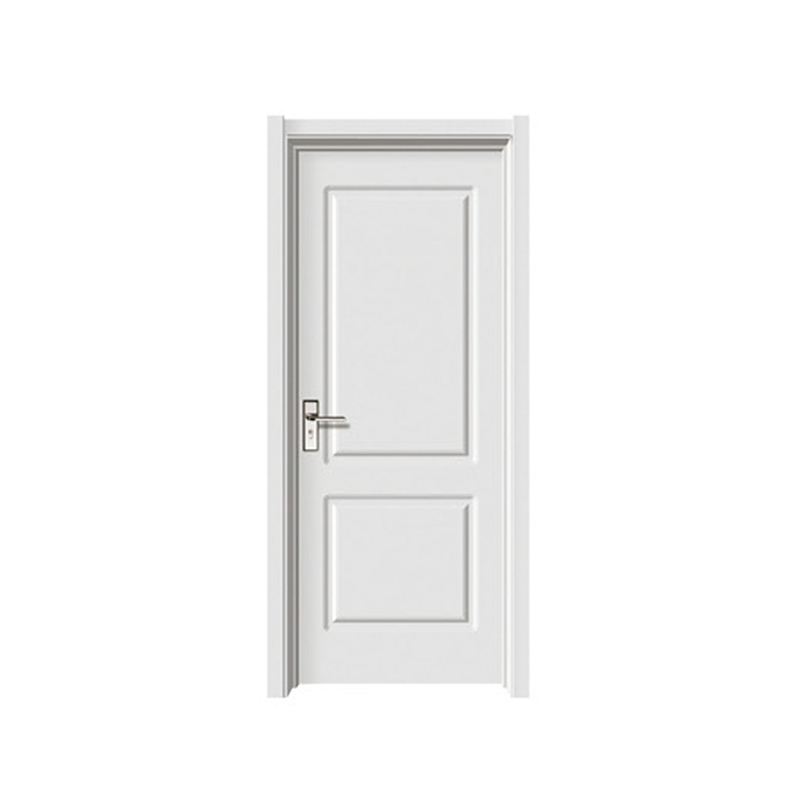
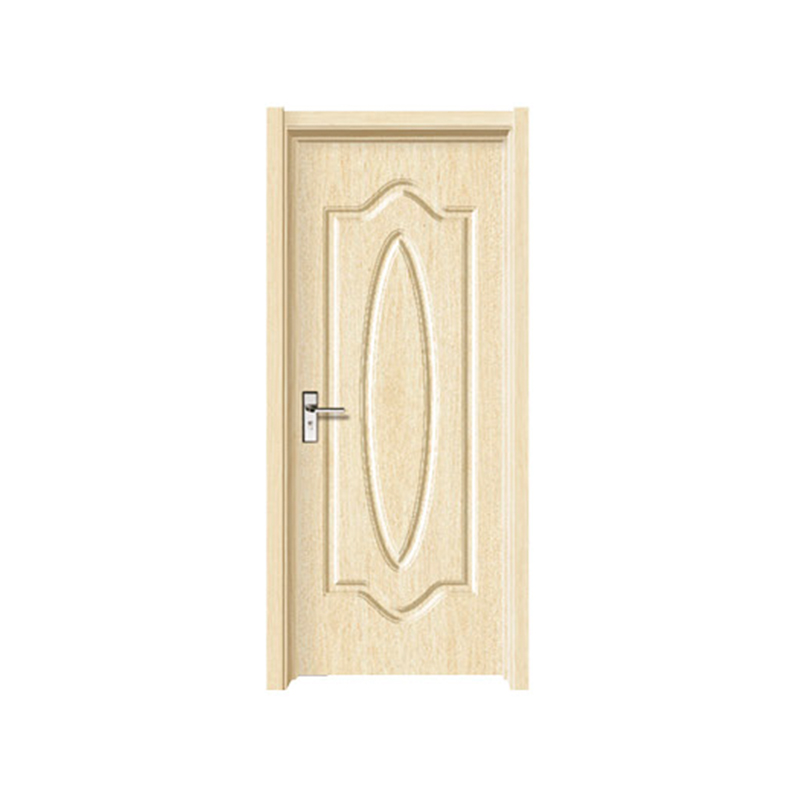
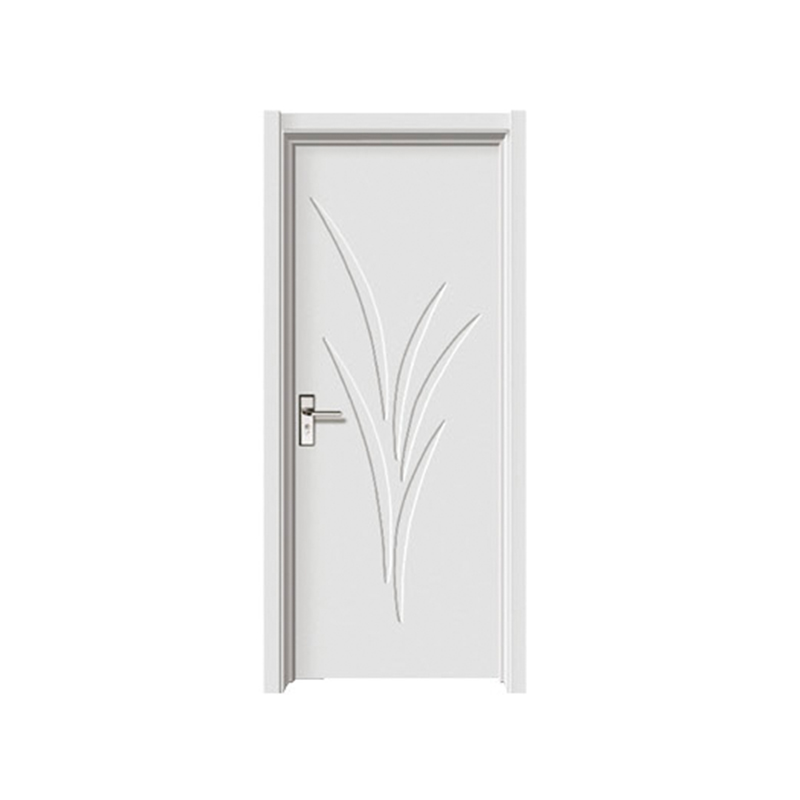
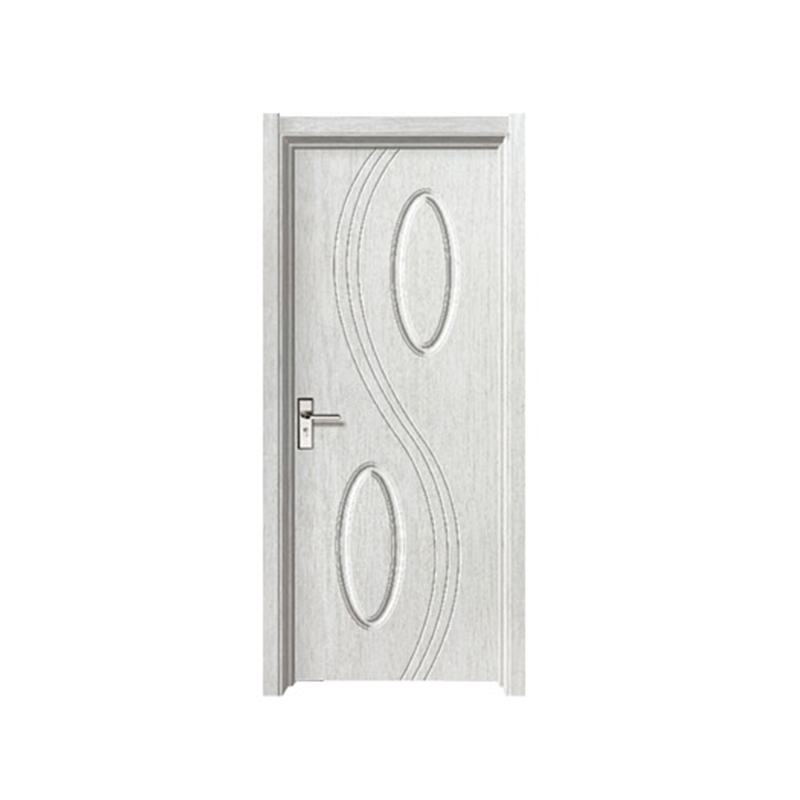
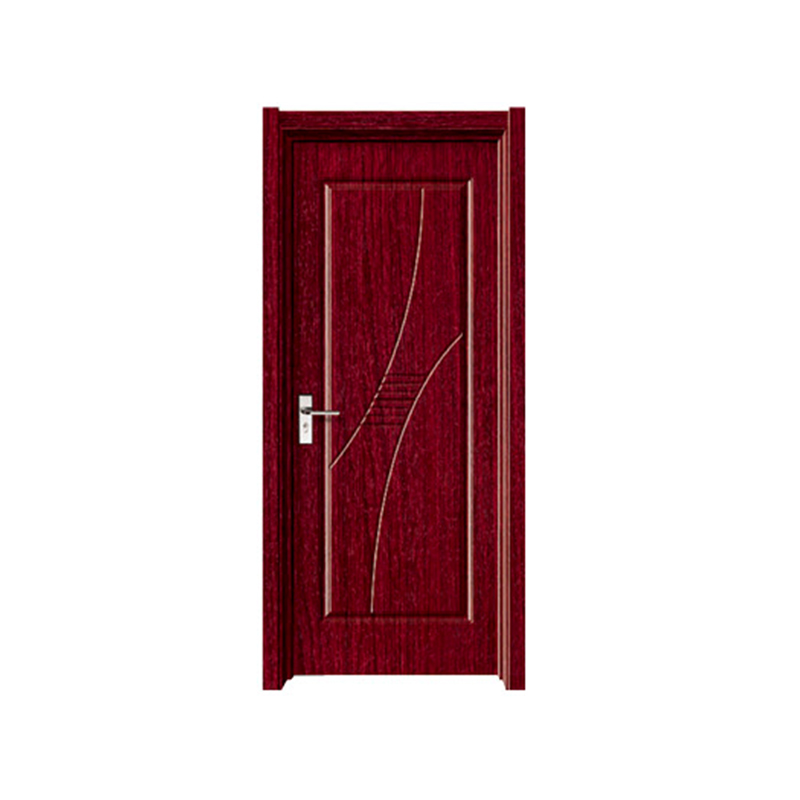
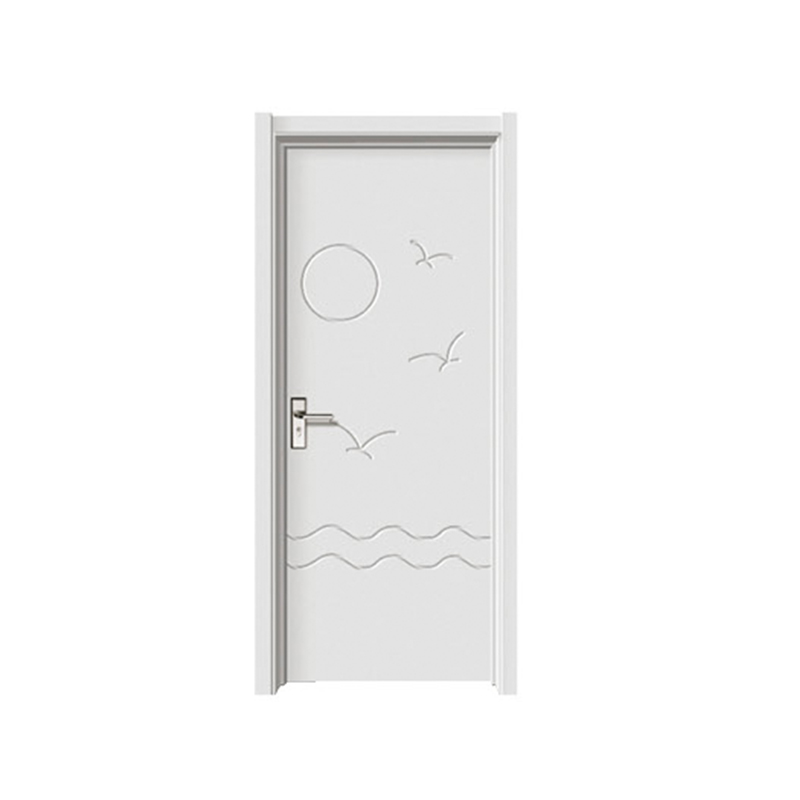
For a PVC Decorative Door, the inspection should cover more than the visible front surface. The door edges, corners, fixing areas, hardware, and surrounding installation space all have a connection with the final result.
A practical check can begin with several basic questions:
Checking these points before fixing the door in place can make later adjustments easier. Problems that are identified at this stage are also easier to distinguish from issues caused by installation.
Size is one of the basic conditions for fitting a door into an opening. The door panel should be checked against the intended installation space rather than judged by appearance alone.
The overall height and width need to correspond with the available opening. Attention should also be given to the shape of the panel. A visible curve, twisted edge, or uneven corner may affect the relationship between the door and frame.
The surrounding clearance matters as well. A small amount of space is normally needed for movement and adjustment, while excessive gaps can create fitting problems. The actual installation conditions should be checked before any cutting or modification takes place.
| Inspection Area | What to Check |
|---|---|
| Door panel | Overall size and visible shape |
| Edges | Straightness and damage |
| Corners | Cracks, impact marks, or deformation |
| Door frame area | Available fitting space |
| Opening path | Clearance around nearby objects |
A flat surface can still have a problem around its edges. For that reason, checking the panel from different directions can reveal conditions that are difficult to notice from one viewing angle.
Storage conditions may also affect shape. Exposure to unsuitable pressure or handling during transportation can leave the panel slightly distorted. When a shape problem is visible, installation should not simply be used to force the door into position.
The decorative surface is the part most easily noticed during a visual inspection, but surface checking should be systematic rather than limited to a quick glance.
Light scratches, cracks, marks, or areas of surface separation should be identified before installation. Dirt from handling can sometimes resemble surface damage, so a clean surface makes inspection easier.
Edges and corners deserve particular attention because they can come into contact with other objects during storage and movement. Small impact marks in these areas may become more visible after the door is installed.
Color and surface pattern can also be checked under suitable lighting. Minor differences caused by viewing angle or room lighting should not automatically be treated as damage. Clear changes in appearance, however, should be recorded before installation.
A useful surface inspection includes:
For a PVC Decorative Door, surface condition also relates to later maintenance. Damage that already exists before installation can make it difficult to identify the source of a mark during future inspection.
Surface appearance does not provide enough information about the condition of the door. Structural areas and edges should also be examined before the panel is fixed into position.
The door edges should remain intact and properly formed. Damaged or uneven edges may interfere with the frame, hardware, or closing movement. Particular care is needed around cut areas and fixing points because these locations can experience additional pressure during installation.
Connection areas should be checked for looseness or visible gaps. If a part appears detached or unstable, the condition should be recorded before work continues.
The edge condition can affect several parts of the installation:
A careful structural check does not require complicated equipment. Good lighting, a clean surface, and a clear view of the edges can reveal many visible problems.
When an irregularity is found, forcing the door into the opening may make the condition harder to assess. Separating product‑related issues from installation adjustments keeps the inspection process clear and makes later decisions easier.
Hardware should be checked before the door is moved into its final position. Hinges, handles, fixing parts, and other supplied components need to be present and suitable for the intended installation.
A missing part can interrupt the installation process, while a bent or damaged component may affect door movement later. Visual inspection can identify obvious problems before any hardware is fixed to the panel or frame.
The mounting points also need attention. Holes and fixing locations should correspond with the planned hardware. Misaligned positions can create difficulties during fitting and may require unnecessary modification.
Moving parts can be tested gently before installation. A hinge should move without obvious resistance, while a handle should remain firmly connected to its mounting area. Excessive looseness, visible cracks, or unusual movement should be recorded.
A simple hardware check can cover:
Hardware should not be forced into a position that does not fit naturally. Any mismatch is easier to investigate before the door has been installed.
The condition of the installation area can affect fitting just as much as the door itself. A suitable door may still be difficult to install when the opening, wall, floor, or surrounding space is not properly prepared.
The door opening should be checked for size, shape, and visible irregularities. Walls around the opening need enough stability for the frame and fixing points. The floor should also provide a reasonably even surface so that the door does not sit at an unwanted angle.
Dust, fragments, packaging material, and other objects should be cleared from the working area. Small obstacles around the bottom of the doorway can interfere with positioning and make alignment harder to judge.
The planned opening direction should be checked before fixing the frame. Nearby cabinets, furniture, walls, and other doors can affect how far the panel can move.
Several installation conditions are worth checking:
For a PVC Decorative Door, installation space also affects the visual result. A frame that sits unevenly against the surrounding wall can change the appearance of the finished doorway even when the door panel itself is in good condition.
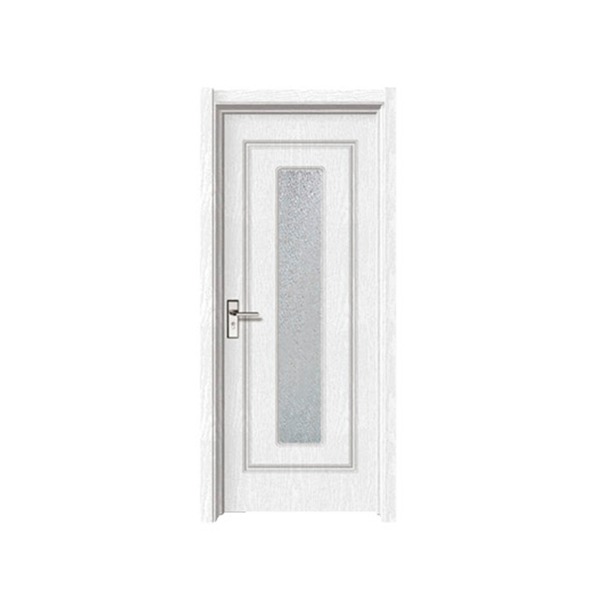
A movement check provides useful information before all fixing work is completed. The panel can be positioned temporarily to see whether the planned opening and closing path is practical.
The door should move without unnecessary contact with the frame, floor, wall, or nearby objects. Rubbing at one point may indicate an alignment issue, while resistance around the hardware area may point to a fitting problem.
Opening direction deserves attention as well. A door may technically open but still interfere with furniture or reduce convenient access to another room. Checking the complete movement path gives a clearer picture of the installation condition.
A simple movement check can focus on:
Any adjustment should be made before final fixing whenever possible. Forcing a panel into place can hide an alignment problem and place unnecessary pressure on the hardware.
The test also provides an opportunity to check whether the door remains in the intended position when opened or closed. Changes in position during movement may indicate that the frame or hardware needs adjustment.
Visible problems should be recorded before installation continues. A clear record helps distinguish a condition found during inspection from damage or changes that occur during later work.
Photographs can be useful for documenting scratches, edge damage, deformation, missing parts, or other visible conditions. Notes can identify the location and type of problem without relying on memory.
Different types of issues should be considered separately. A damaged door surface is a product condition, while an uneven wall or restricted opening may belong to the installation environment. Keeping these conditions separate makes follow‑up work easier.
A practical record can include:
Problems that may affect fitting or operation should be addressed before permanent fixing. Minor dirt can often be removed during preparation, while deformation, damaged edges, missing hardware, or unsuitable installation conditions may require further checking.
A PVC Decorative Door is easier to install when the panel, hardware, and surrounding opening have all been checked beforehand. Careful inspection does not replace proper installation work, but it provides a clearer starting condition and reduces confusion when adjustments are needed.
Copyright © Zhejiang Shangpin Bense Home Furnishing Co., Ltd.

Wood Interior Door Manufacturer
 русский
 عربى
عربى Français
 Español