

2026-09-22
A door is part of a room's daily environment rather than a separate decorative element. Its suitability depends on how the space is used, how often the door is opened, and what conditions surround it. A bedroom, kitchen, bathroom, and home office can place different demands on the same type of door.
Moisture is one factor to consider, especially in rooms where water and steam are common. Ventilation also affects the surrounding environment. In a well‑ventilated room, moisture can leave the space more easily, while a poorly ventilated area may keep surfaces damp for longer periods.
Cleaning habits also vary between rooms. Kitchen doors may be exposed to food stains and grease, while bedroom doors generally face less demanding cleaning conditions. A door used near an entrance may also collect dust from frequent movement through the space.
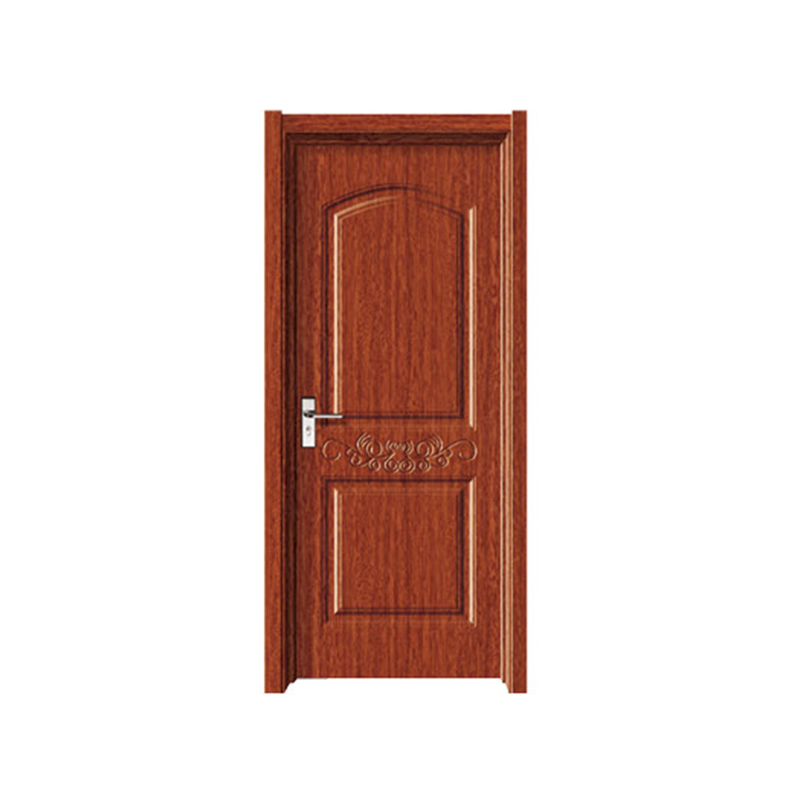
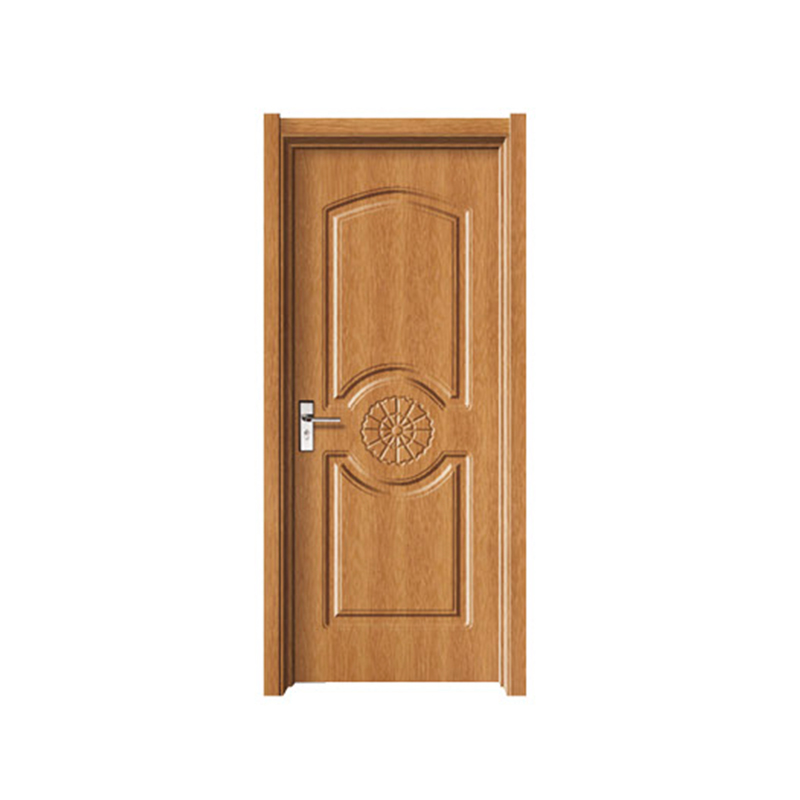
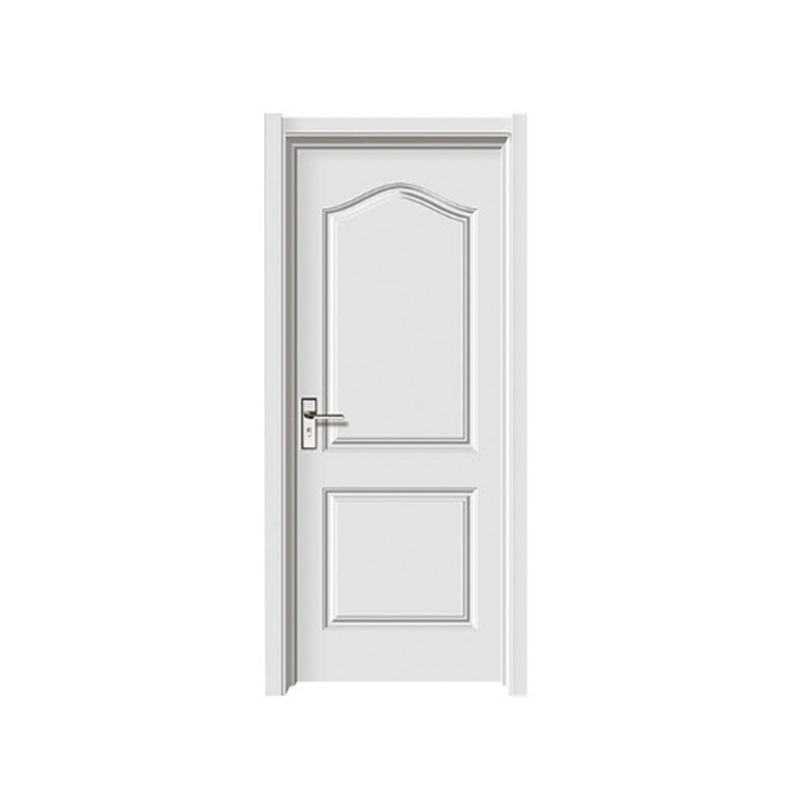
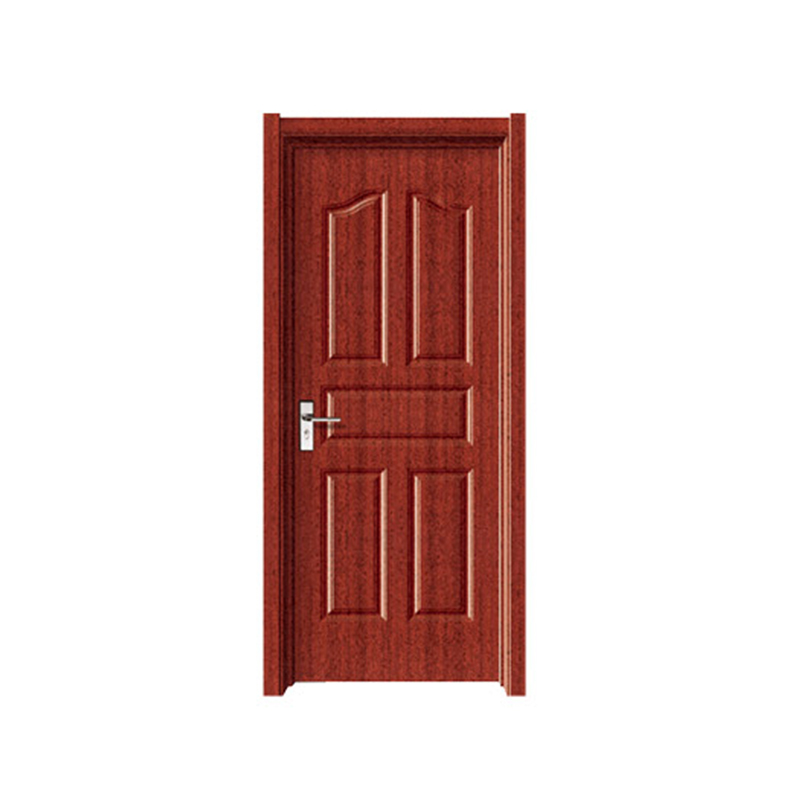
For a PVC Decorative Door, the room environment should be considered together with surface design, structure, and daily use. A suitable choice begins with the conditions around the door rather than appearance alone.
Several indoor spaces can accommodate a PVC Decorative Door when their environmental conditions and daily use are suitable. Bedrooms, living areas, home offices, dressing spaces, and storage areas can have different requirements, but they generally involve controlled indoor conditions.
Bedrooms usually require a door that supports privacy while fitting naturally with the surrounding furniture and walls. Since the door is opened and closed as part of a regular routine, smooth operation and easy surface cleaning are practical considerations.
Living rooms often connect with hallways, dining areas, or other shared spaces. Here, the door can affect how different areas are visually separated. Color, surface pattern, and overall shape can be considered alongside the layout of nearby furniture.
Home offices have another set of needs. The door separates the working area from other household activities, so its placement and opening direction should not interfere with desks, storage units, or movement through the room.
Dressing areas and storage rooms tend to have simpler environmental requirements. Attention can be given to available space, access frequency, and how the door fits into the surrounding wall.
| Room | Main Considerations |
|---|---|
| Bedroom | Privacy, daily operation, surface cleaning |
| Living area | Room separation, appearance, furniture layout |
| Home office | Access, space use, visual coordination |
| Dressing area | Available space, access frequency |
| Storage area | Easy access, surrounding layout |
Kitchens create a more demanding indoor environment because cooking can introduce moisture, stains, and airborne grease. A kitchen door may also be cleaned more frequently than a bedroom or office door.
Surface maintenance is an important consideration. A door that can be wiped according to the material's care requirements may fit better into a space where small stains appear during daily cooking. Attention should also be given to edges, corners, handles, and connection areas because these parts can collect dirt during regular use.
Ventilation has a direct relationship with the room environment. Steam and moisture can remain around the kitchen when air circulation is limited. The position of the door can influence how air moves between the kitchen and adjacent rooms.
A suitable kitchen installation also depends on distance from direct water or heat sources. Areas close to sinks or cooking equipment require more careful consideration than a doorway located farther away.
Several practical points can be checked before installation:
These conditions help determine whether the chosen door fits the kitchen environment rather than relying only on its decorative appearance.
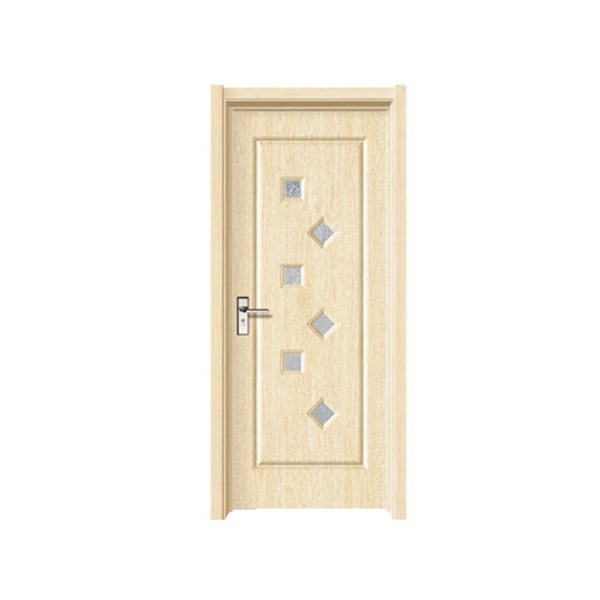
Bathrooms have a different moisture environment from bedrooms and living spaces. Water vapor, splashing, and regular cleaning can all affect the area around the door.
The position of the door matters. A doorway outside the direct wet area may experience different conditions from a door located close to a shower or bathtub. Keeping the door away from prolonged direct water exposure can reduce unnecessary moisture around the surface and edges.
Ventilation is another practical factor. When moisture remains in a bathroom for a long period, the surrounding door area may also stay damp. Good air circulation can help maintain a more stable indoor environment.
Cleaning requirements should also be considered. Bathroom doors are exposed to water marks, dust, and cleaning products, so the surface should be maintained according to its material characteristics. Particular attention can be given to the lower edge, corners, and connection points where moisture may remain.
A PVC Decorative Door may suit a bathroom when the installation position, moisture conditions, ventilation, and maintenance requirements are compatible with its intended use. Direct and prolonged water exposure should be considered separately from normal indoor humidity.
Room size influences how a door fits into everyday movement. In a compact room, the opening area can overlap with furniture, storage units, or walkways. Door placement and opening direction need to match the available space.
A wider room provides different layout possibilities, but furniture arrangement still matters. A door opening toward a cabinet or desk can restrict access even when the room itself has enough floor space. Checking the movement path around the doorway can prevent such conflicts.
Hallways also require attention because several doors may share the same passage. When multiple doors open toward a narrow area, their positions can affect movement between rooms.
For smaller spaces, several factors deserve consideration:
The visual relationship between the door and the wall also changes with room size. A heavily patterned surface may draw attention in a compact space, while a simple surface can sit more quietly within the surrounding interior. The choice depends on the overall layout rather than door design alone.
A door can connect different parts of an interior through color, texture, and surface appearance. Its design does not need to match every surrounding element exactly, but a consistent visual relationship can make the room feel more coordinated.
Bedrooms often use softer colors or restrained patterns that work with furniture and wall finishes. Living areas may require a door surface that fits with larger visual elements such as flooring, cabinets, and wall colors.
Home offices can benefit from a simple appearance that does not compete with the working environment. Dressing and storage areas usually allow greater flexibility because the door may function mainly as a visual boundary between spaces.
Common surface choices can include:
Color and pattern should also be considered under the room's lighting conditions. A surface can appear different under natural daylight and indoor lighting. Nearby walls and flooring can change how the door is perceived as well.
A PVC Decorative Door therefore works as part of the room's overall visual arrangement. Surface selection becomes easier when furniture, walls, flooring, and lighting are considered together.
Maintenance requirements change from one room to another. Dust is common in bedrooms and living spaces, while kitchens may require attention to grease and food‑related stains. Bathrooms can involve moisture, water marks, and frequent cleaning.
Regular inspection does not need to be complicated. Visible areas around the door can be checked during normal cleaning, with particular attention to places where dirt or moisture tends to remain.
Useful maintenance points include:
High‑use rooms may require more frequent observation simply because the door is operated often. Changes in movement can indicate a problem with the hinges, alignment, or surrounding structure.
Cleaning products also deserve attention. Strong chemicals or unsuitable tools may affect a decorative surface. Routine care should match the material and finish rather than relying on the same cleaning method for every room.
Moisture control remains important in bathrooms and kitchens. Keeping nearby areas reasonably dry can reduce the conditions that contribute to surface deterioration around the door.
Room selection can be considered through several connected conditions rather than a single feature. Humidity, cleaning frequency, privacy, available space, and interior style all influence whether a door fits a particular location.
A bedroom generally places greater attention on privacy and visual coordination. A home office may require convenient access and a layout that separates the working area without blocking nearby furniture. Kitchens and bathrooms require closer attention to moisture, cleaning, and the position of the doorway.
The surrounding space also matters. A door near a narrow hallway needs a suitable opening direction, while a door beside large furniture needs enough clearance for regular operation.
A practical matching process can focus on four areas:
A PVC Decorative Door can be considered for different indoor rooms when its material characteristics, installation conditions, maintenance requirements, and visual design correspond with the space. The room itself provides the starting point for evaluating suitability, while daily use and surrounding conditions determine how the door needs to perform.
Copyright © Zhejiang Shangpin Bense Home Furnishing Co., Ltd.

Wood Interior Door Manufacturer
 русский
 عربى
عربى Français
 Español