

2026-10-27
A cupboard door can look quite different once it is installed. A finish that seems warm under showroom lights may look cooler beside a gray worktop. A glossy sample may appear simple enough on a display stand, yet produce noticeable reflections across a full wall of cupboards.
These details matter when choosing laminate for cupboard doors, especially for furniture manufacturers, wholesalers, and interior project suppliers. The finish needs to suit the room, but the surface material and door construction also need to match the intended use. Looking at these factors together makes it easier to compare products and avoid choosing a finish based on appearance alone.
It is tempting to begin with a color catalogue, particularly when a project already has a clear design direction. But a sample viewed on its own tells only part of the story.
Think about where the doors will go. Kitchen cupboards sit close to worktops, sinks, cooking equipment, and task lighting. Bedroom wardrobes cover large areas of wall and often sit beside flooring and upholstered furniture. Office storage may need to match desks and other furniture across several rooms.
The same finish can look different in each setting. A pale surface may blend into a light-colored bedroom, while the same shade can look flat against a similarly colored kitchen wall. Dark finishes create contrast, but they can also make dust or fingerprints easier to notice under certain lighting.
Before choosing a design, gather samples of the other materials in the room. Put them together and look at them under the lighting that will actually be used. This small step can reveal color differences that are easy to miss on a screen.
The difference between matte and glossy finishes is not simply a matter of style. Their interaction with light affects how the cupboard doors look throughout the day.
Matte surfaces reflect less direct light, giving them a restrained appearance. This makes them a natural option for interiors with simple lines, muted colors, and a mixture of materials.
Consider a bedroom with oak flooring, warm white walls, and plain wardrobe fronts. A matte finish can sit comfortably within this palette without drawing too much attention to the doors. In a modern kitchen, a similar surface may balance the visual weight of stone worktops or patterned backsplashes.
Texture also plays a part. A matte woodgrain design can show the pattern without the stronger highlights associated with a glossy surface.
There is a practical detail to keep in mind, however. Low sheen does not mean that marks disappear. Grease, fingerprints, and rubbing can still show on certain matte finishes, particularly when the color or texture makes them noticeable.
Glossy cupboard doors return more light toward the surrounding space. Their smooth, reflective appearance can suit contemporary interiors, especially where the design uses clean surfaces and limited decoration.
The effect depends heavily on placement. A glossy door opposite a large window may reflect the outdoor view. Under pendant lighting, highlights can become more pronounced. In a room with little daylight, reflections may help the space appear brighter, although the result varies with the layout.
For a project with a long run of cupboards, look beyond a single door sample. Repeated reflections across several panels can change the overall appearance of the room. A finish that looks attractive on a small display may feel visually busy when used over a larger area.
Different spaces bring different practical concerns. There is no universal finish for every room, and the product's stated application range matters as much as its appearance.
| Room | Design and Use Considerations | Details to Review |
|---|---|---|
| Kitchen | Frequent handling, cooking residue, and strong lighting | Cleaning guidance, edge treatment, and suitability for the installation area |
| Bedroom | Large wardrobe fronts and coordination with furniture | Color, surface texture, and pattern alignment |
| Bathroom | Humidity, ventilation, and occasional splashes | Product application limits and exposed-edge protection |
| Living room | Coordination with shelves, flooring, and decorative furniture | Finish consistency and the balance of colors and textures |
| Office or commercial space | Repeated use and a consistent appearance across multiple units | Product specifications, maintenance guidance, and repeat-order references |
A kitchen cupboard near a sink, for example, faces different conditions from a bedroom wardrobe. A bathroom cabinet may look suitable in a product photograph but still require confirmation that the complete door construction is intended for that environment.
The same applies to commercial interiors. When a project involves many doors, consistency across panels and repeat orders can become a bigger concern than whether the surface is matte or glossy.
Not always. The terms can appear close together in product searches, but they describe different materials or manufacturing methods. This distinction is important when comparing cupboard doors from different suppliers.
Laminate is a broad category of decorative surface material used on a supporting substrate. High-pressure laminate, or HPL, is one example. Depending on the product, a laminate sheet is bonded to a suitable board using a specified manufacturing process.
These surfaces come in a range of colors, patterns, and textures. The finished door also depends on the substrate, bonding method, and treatment of the edges.
The word laminate alone does not tell you everything about the product. If a quotation uses this term without further details, ask the supplier to identify the surface material and explain the door construction. That information makes comparisons between quotations more meaningful.
MDF, or medium-density fiberboard, is an engineered wood-fiber board widely used in furniture and door manufacturing.
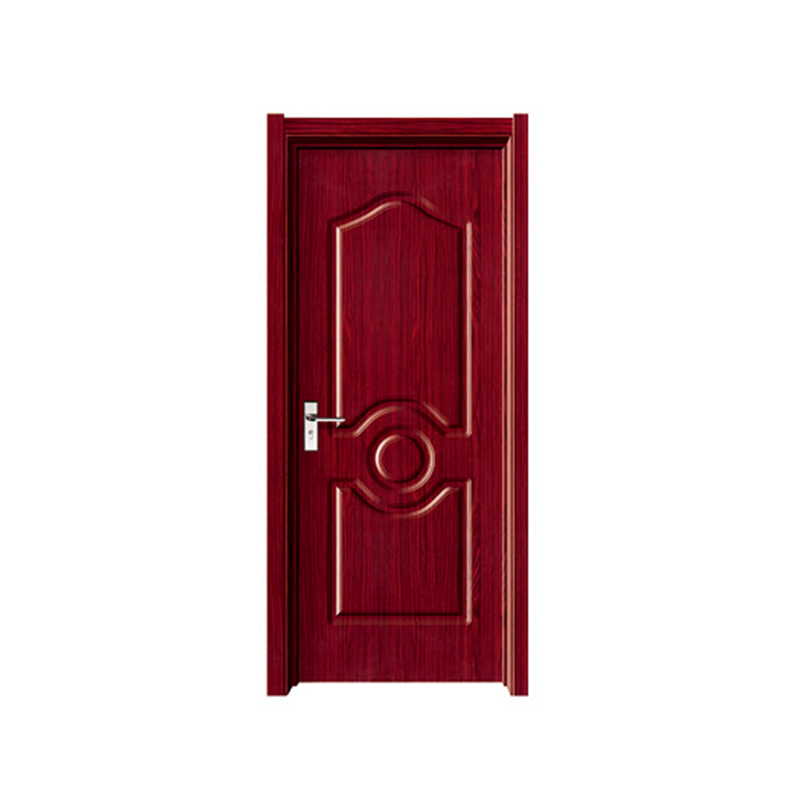
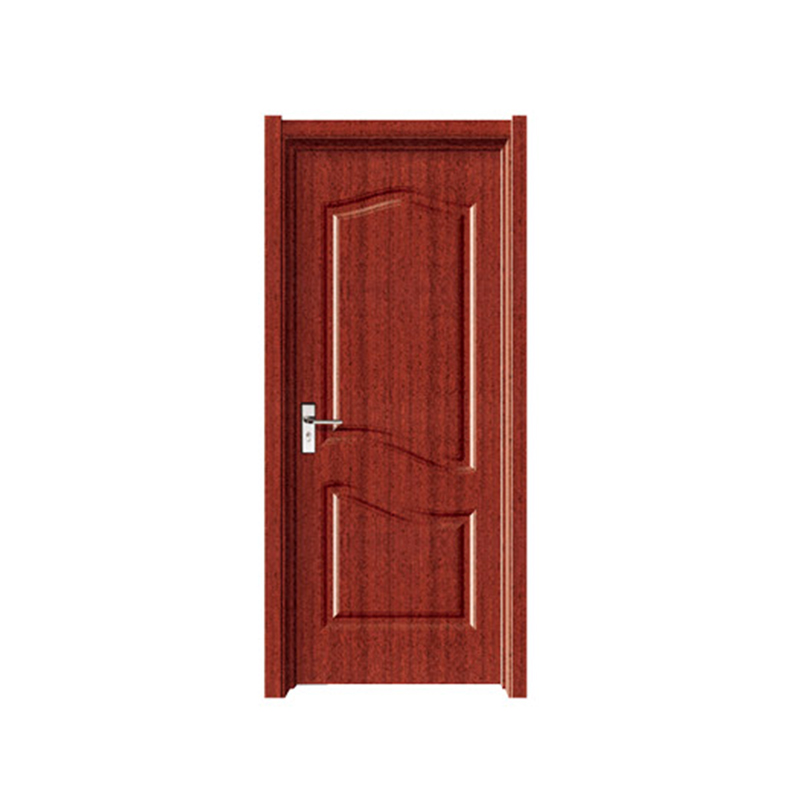
A PVC-wrapped MDF door uses a PVC film applied to a prepared MDF base. Depending on the design and production process, the film may cover shaped profiles and extend around the edges. This allows manufacturers to offer door designs with different panel shapes and decorative details.
The final appearance comes from several elements working together: the MDF profile, the film design, the surface finish, and the manufacturing process. Two doors with similar colors may therefore differ in construction.
PVC film should not be treated as another name for HPL or melamine. They are different surface options, and the appropriate choice depends on the product design and intended application.
Melamine-faced boards are also used in furniture and cabinetry. They are available in solid colors and decorative patterns, including woodgrain effects.
The differences become clearer when you look at the complete product rather than the color alone. A flat panel, a shaped door, and a door with detailed profiles may require different construction approaches. Edge treatment and the supporting board also affect the finished result.
For procurement teams, a useful comparison starts with the actual material specification, not a general label in a catalogue. Requesting samples and product details helps establish whether two quotations cover comparable products.
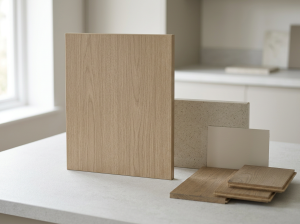
A photograph is useful for narrowing down options, but it is not a reliable substitute for viewing the actual finish. Screen settings, surrounding colors, and lighting can all affect what you see.
Imagine choosing a warm beige cupboard door from an online catalogue. Beside a cream wall, it may look almost identical. Place the same sample beside a cooler gray worktop, and the difference becomes easier to notice.
Woodgrain finishes need a little more attention. The pattern on one sample may look balanced, but repeated across a long cabinet run, the grain can become more noticeable. For larger orders, ask whether a larger sample or several representative pieces can be provided.
A practical way to compare options is to:
These checks are especially useful when the doors form part of a coordinated furniture package. Small differences in color or pattern can become more apparent when several components are installed together.
For wholesalers, furniture manufacturers, and project buyers, approving the appearance is only one part of the process. The supplier also needs a clear record of the material and finish being ordered.
Ask for a representative sample. A sample from the actual finish range is more useful than a similar shade from another collection. Check the surface, edges, corners, and any decorative profile.
Confirm the construction. Identify the substrate and surface material. If the product is PVC-wrapped MDF, clarify the film finish and available door profiles. If it uses laminate, confirm the type of laminate and the edge treatment.
Discuss cleaning and application requirements. Ask for the manufacturer's care instructions and confirm that the product is intended for the planned installation environment. Do not assume that all surfaces respond to moisture, heat, or cleaning products in the same way.
Keep the approval record. Record the selected color, finish, door design, and relevant material details. Keep the approved sample reference with the order documents so that both parties can refer to the same specification.
For repeat orders, use the recorded finish reference rather than relying on a general color name. This gives the supplier a clearer basis for checking the order against the original selection.
A supplier should be able to explain what is being offered beyond the appearance shown in a catalogue. For a B2B order, information about materials, available door designs, sample approval, and application requirements can be just as useful as the product photographs.
If the project requires several door styles, ask how the proposed finishes will work across the range. If the doors are intended for a specific environment, make sure the supplier can provide relevant product guidance. Clear answers at this stage help prevent differences between the expected product and the one delivered.
Superudoor offers interior door products, including PVC MDF door options and cabinet door designs. Buyers sourcing products for furniture or interior projects can review the available designs and discuss their requirements with the manufacturer. Sharing reference images, preferred finishes, intended applications, and project quantities gives the supplier a practical starting point for discussing suitable options.
The finish on a cupboard door affects more than its color. It changes how light moves across the surface, how the door relates to nearby materials, and how the whole installation looks when several panels sit together.
Matte surfaces offer a quieter appearance, glossy finishes create stronger reflections, and woodgrain designs introduce pattern and texture. The material underneath matters too, particularly when comparing laminate-faced products with PVC-wrapped MDF doors.
Before confirming a project, review physical samples, check the actual construction, and document the approved finish. A little more attention at the selection stage can make supplier comparisons clearer and help keep the finished cupboard doors in line with the original design.
Copyright © Zhejiang Shangpin Bense Home Furnishing Co., Ltd.

Wood Interior Door Manufacturer
 русский
 عربى
 Français
 Español