

2026-10-23
A color chip on a desk and a full run of doors in a kitchen are two different things. Buyers often approve a shade from a small sample, then find that the installed cabinets look brighter, flatter, or busier than they expected. In most cases the color was fine. The surface finish changed how it was read.
That is why a Laminate Cabinet Door should not be chosen by color alone. A matte surface scatters light in many directions, so the door looks soft and even. A glossy surface sends more light back in one direction, which brings out highlights and, in some rooms, reflections of windows and lamps.
Three conditions in the room change the result:
If you can, look at a sample in the actual room, or one close to it, before settling on a shade.
The visual difference is easy to see. The practical differences take a little longer to notice, so a short comparison helps.
| Comparison Point | Matte Finish | Glossy Finish |
|---|---|---|
| Light reflection | Creates a softer, less reflective appearance | Reflects more surrounding light |
| Visual character | Subtle and understated | Bright and polished |
| Fingerprints and smudges | Visibility depends on color and surface texture | Smudges may be more noticeable under direct light |
| Minor surface marks | Visibility varies by material and lighting | Fine marks may stand out in reflected light |
| Room coordination | Works with understated and textured interiors | Pairs with bright, contemporary interiors |
| Cleaning needs | Follow the specific surface care instructions | Follow the specific surface care instructions |
Because a matte door gives off little reflection, the eye notices color and texture before it notices shine. Rooms tend to feel quieter as a result.
This works well with woodgrain patterns, since the low sheen lets the grain read clearly. It also suits solid neutrals such as warm white, sand, and stone gray. Minimal, modern, and nature-inspired interiors often use matte cabinets for this reason: the doors stay in the background, and furniture, plants, and lighting carry the visual interest.
A smoother surface returns light in a more direct path. On a glossy door, that gives a clean, bright look, and colors can appear deeper.
Whether that helps depends on the room. In a compact kitchen with little daylight, reflected light can make the space feel more open. In a living area with large windows or strong spotlights, the same reflection can become glare. In open-plan layouts, glossy doors may also mirror whatever sits opposite them, which changes the visual balance more than people expect. Check the room in the morning and again in the evening. A finish that looks lively at noon can feel too busy under warm evening lamps.
There is no single answer here, and any supplier who gives one should be asked what material they are talking about. Upkeep depends on the surface material, the color, the texture, and how often the doors are touched.
Some patterns are worth knowing. Fingerprints tend to show clearly on dark glossy doors under direct light. On matte doors, visibility depends more on the color and the texture of the surface. Dust and dried water drops show up more on dark colors than on light ones, whatever the finish. Fine wiping marks and small scratches can catch the light on a glossy surface, while a matte surface may hide some of them, though this varies by material.
Does a matte door really keep marks away? Sometimes. Certain matte textures can also show greasy patches or rub marks if they are cleaned with the wrong cloth or cleaner. A glossy door, in turn, is not automatically harder to look after. The reliable approach is to ask for the care instructions for the exact surface and follow them. Soft cloths and mild cleaners are usually a safer starting point than abrasive pads, but the manufacturer's guidance should decide.
For buyers who order in volume, it often matters more. Finish describes how a door looks. Material and process describe what the door is made of and how the surface is attached. Two doors can both look matte and still be built quite differently.
The terms are used loosely in the market, so it is worth separating them.
MDF is a wood-fiber board commonly used as the base for cabinet doors. A PVC-wrapped MDF door has a PVC film applied over a shaped MDF base, and depending on the design, the film can continue around the edges. Doors faced with HPL or melamine use other surface materials and other bonding methods. These are different processes, even when photos make them look the same.
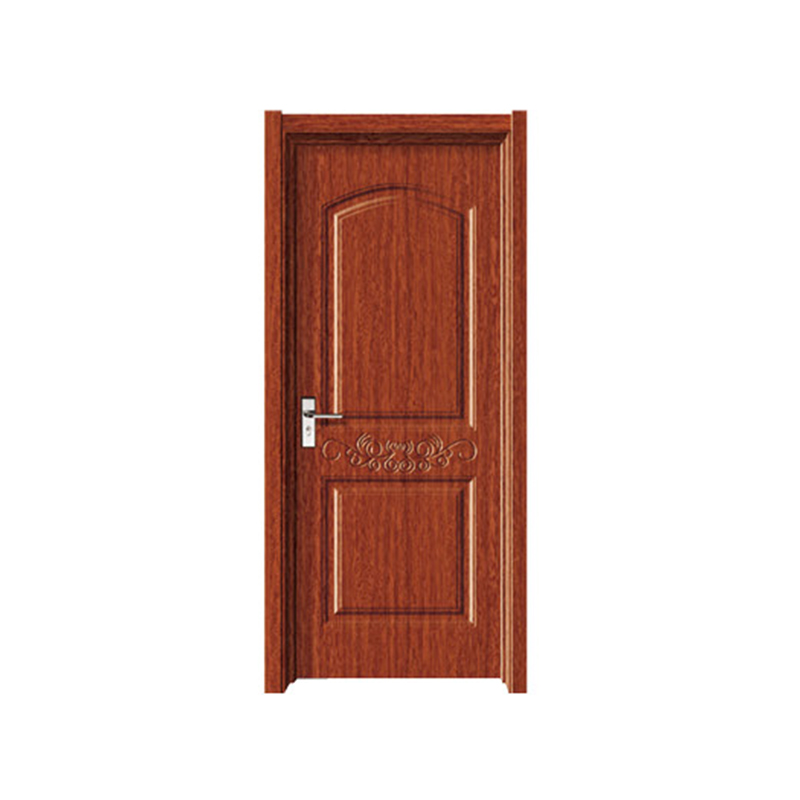
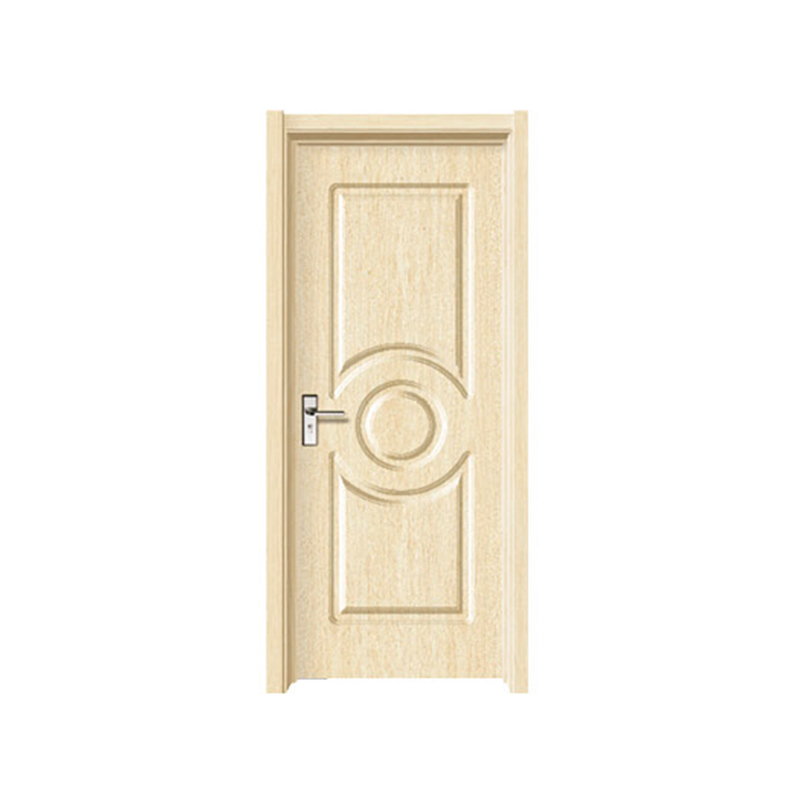
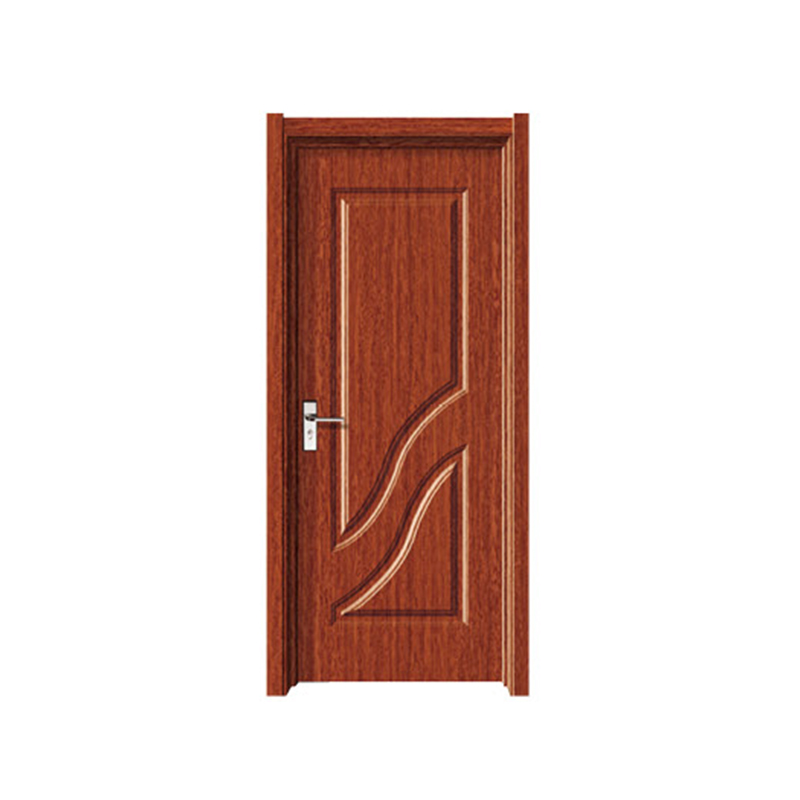
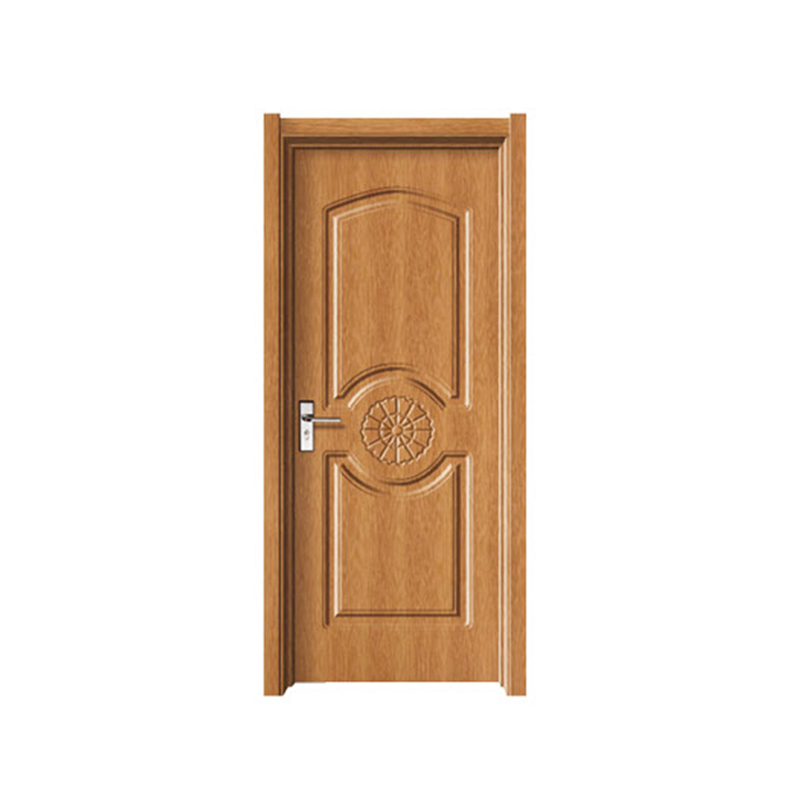
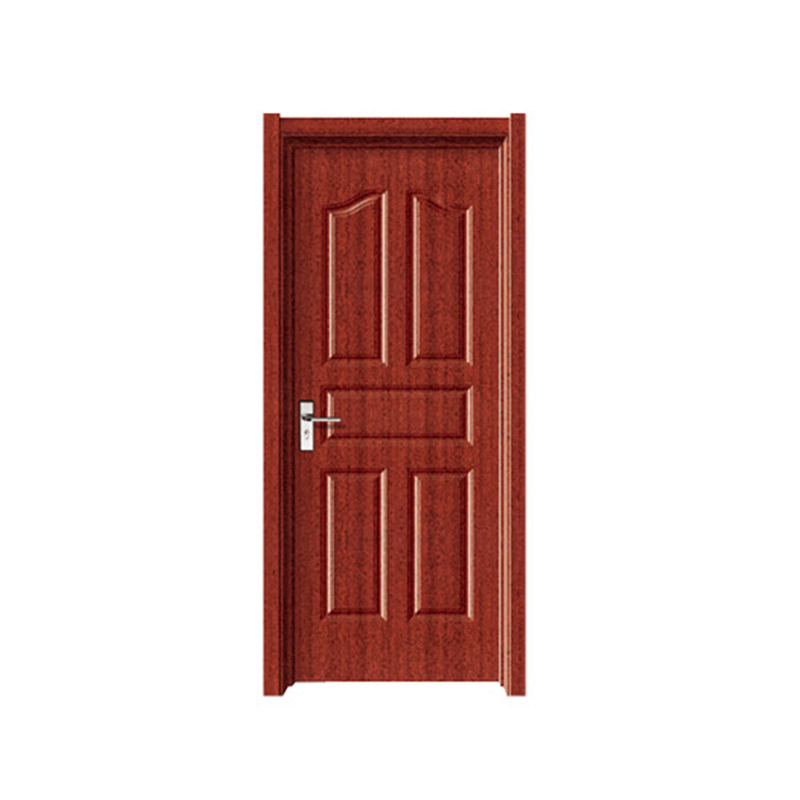
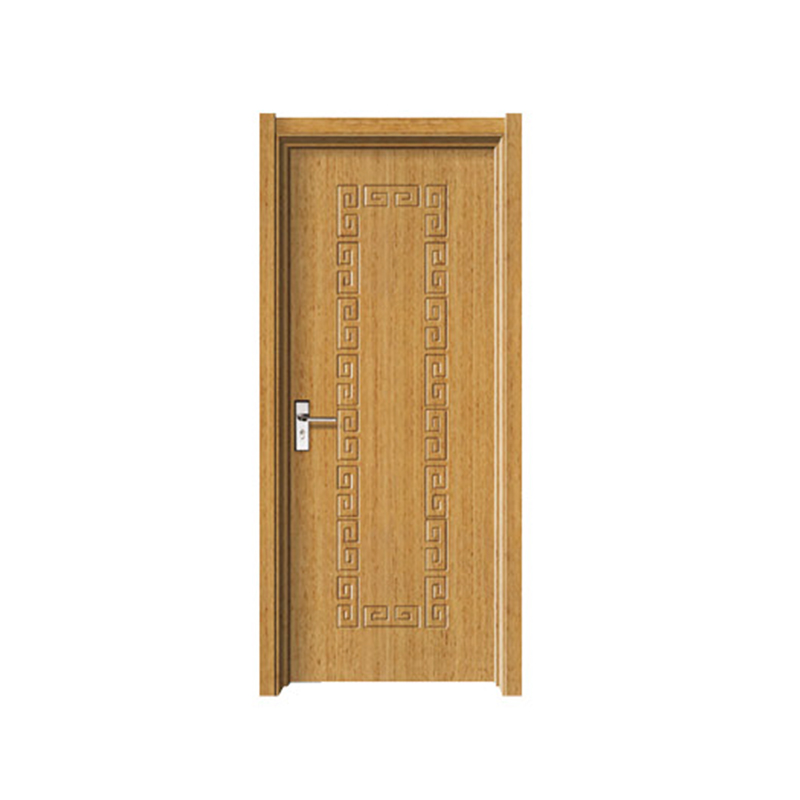
That is why a quotation that only says "laminate" leaves questions open. Ask which surface material is meant, how the edges are treated, and how the covering is applied. A PVC MDF door is one example of a PVC-wrapped construction, available in surface designs such as woodgrain looks and solid colors. As with any product, confirm the construction, the surface treatment, and the intended use with the manufacturer instead of relying on the product name.
In short, compare the materials before you compare the finishes.
Trend lists are a weak guide. It is more useful to think about how each space is used.
Kitchen cabinets. Cooking brings oil, steam, and constant hand contact. Think about how often the doors will be wiped, and look at how pendants and under-cabinet lights fall on the fronts. The finish should suit the household's cleaning routine as much as the color scheme.
Wardrobe doors. Wardrobe fronts cover large areas, so reflections become more noticeable. In a bedroom with a big window, a glossy surface may throw back strong light, while a matte one often feels calmer. Check how the door color sits next to the wall and floor.
Bathroom storage. Humidity and ventilation differ widely between bathrooms. Instead of assuming a finish will cope, ask the supplier about the stated application range and the conditions the product is meant for.
Office and commercial interiors. Here the concern is consistency across many units, along with heavy use and a realistic maintenance plan. A uniform finish across the whole project usually reads as more coordinated.
Screens are a poor judge of surface. Brightness settings, color profiles, and image compression all alter what you see, so a physical sample gives a more dependable answer.
A simple routine works well:
The last step is the one people skip. A signed-off sample gives both sides the same reference if a question comes up later.
Importers, wholesalers, and project buyers can save a lot of back-and-forth by bringing a few questions to the first conversation:
Get the answers in writing and attach them to the order documents. Verbal agreements tend to fade when a project changes hands, and a written record keeps production and inspection tied to what was approved.
Neither finish suits every job. The choice usually comes down to four points: how much light the room receives, what visual style the project calls for, how realistic the cleaning routine is, and what the door is made of beneath the surface. Soft, understated interiors often lean toward matte. Bright, polished ones often lean toward glossy. The material and process behind the finish should be settled at the same time, not afterward.
SUPERU manufactures interior door products, including PVC MDF door options with a range of surface designs. If you are an importer, wholesaler, or project buyer, send your drawings, reference images, or finish requirements to discuss suitable products and customization needs.
Copyright © Zhejiang Shangpin Bense Home Furnishing Co., Ltd.

Wood Interior Door Manufacturer
 русский
 عربى
 Français
 Español