

2025-11-07
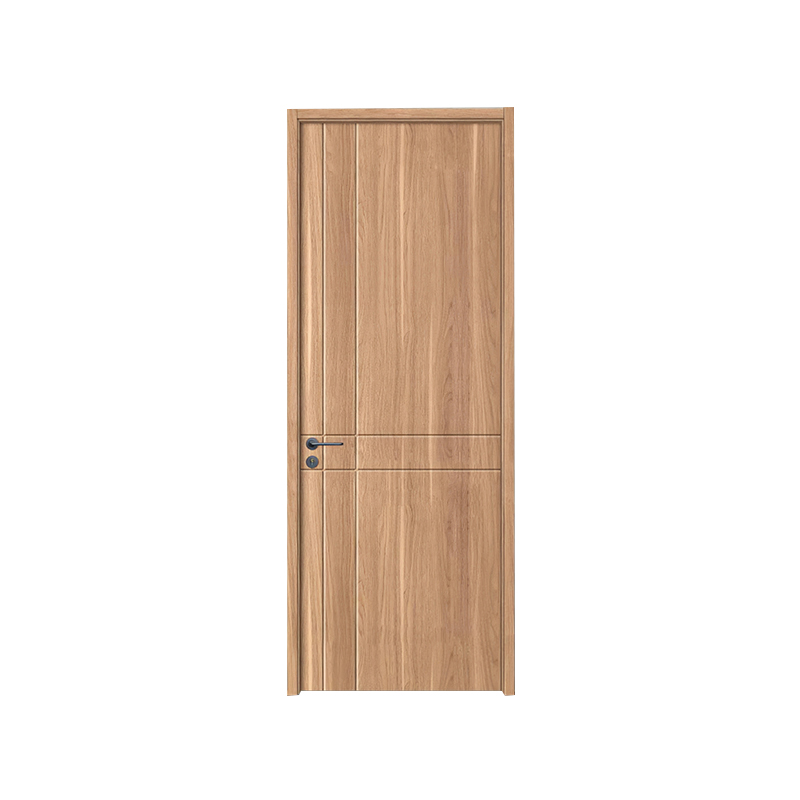
PVC MDF doors are increasingly popular in residential and commercial settings due to their durability and aesthetic appeal. For homeowners and builders, understanding how these doors perform under different conditions is essential, particularly regarding resistance to moisture and heat. This article explores how PVC MDF doors handle these challenges and what factors contribute to their performance.
Composition and Material Properties
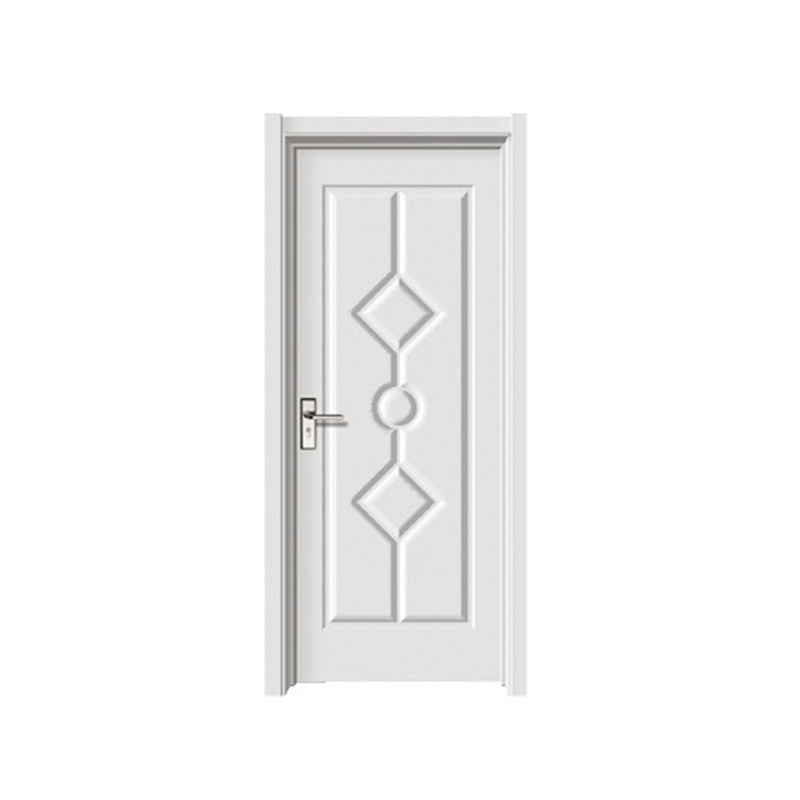
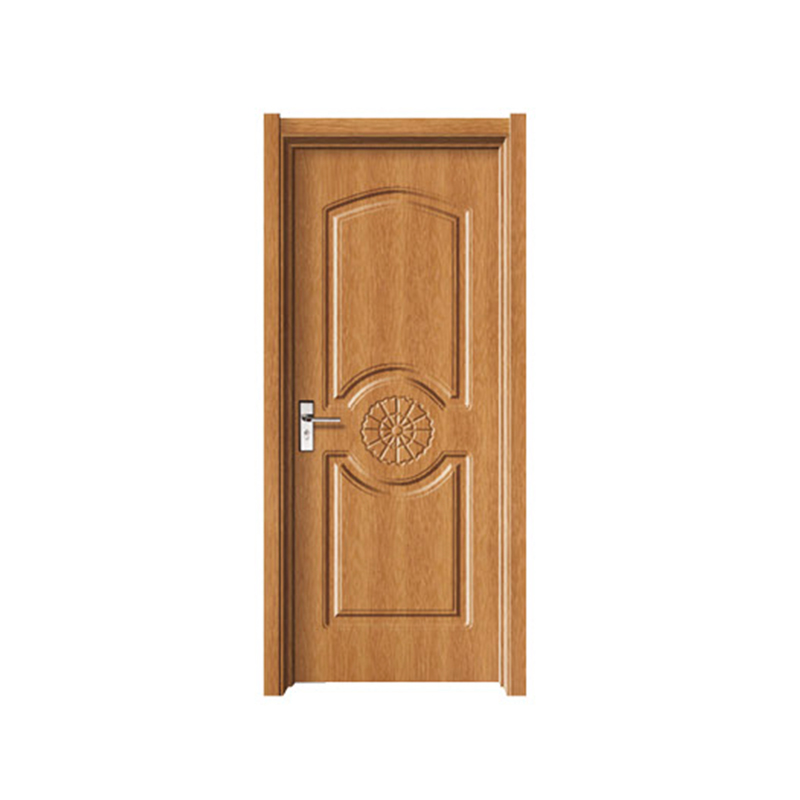
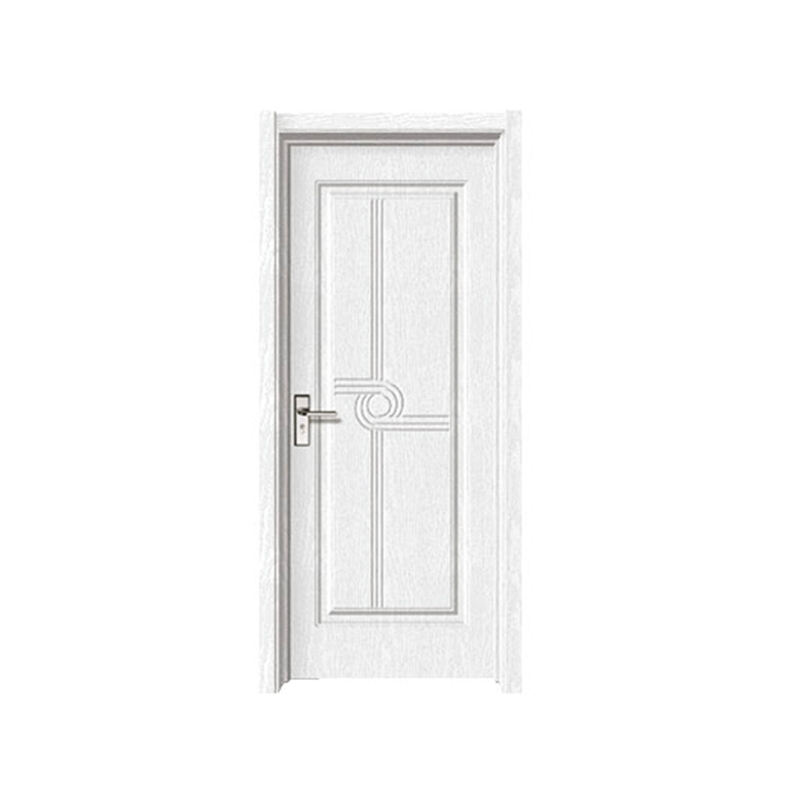
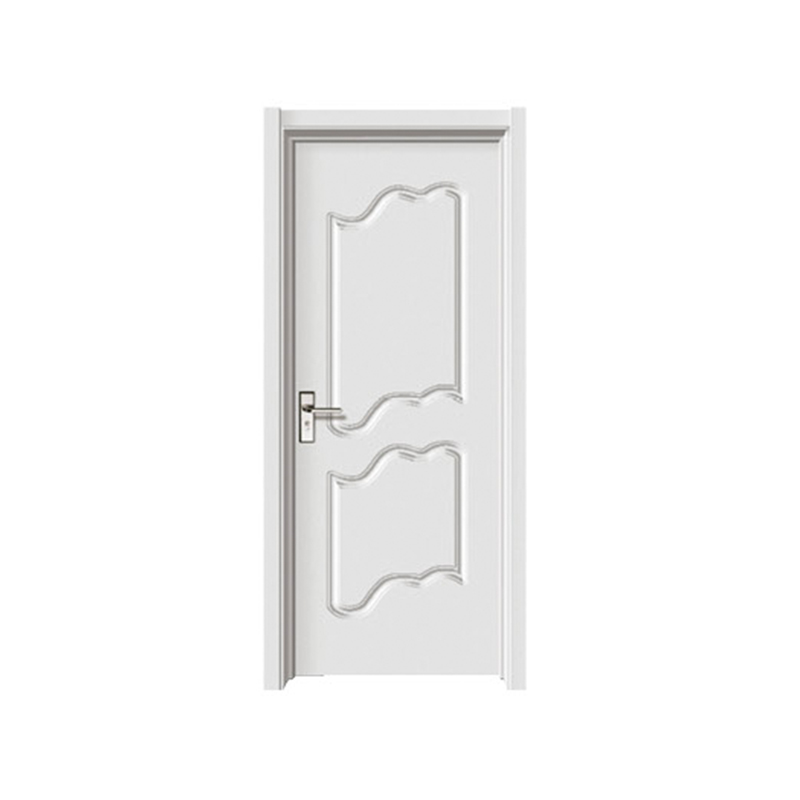
PVC MDF doors are made by combining medium-density fiberboard (MDF) with a PVC coating. The MDF core provides structural stability, while the PVC layer acts as a protective barrier. This combination gives the door several advantages over traditional wooden doors.
| Component | Role in Moisture & Heat Resistance |
| MDF Core | Provides strength and rigidity |
| PVC Coating | Protects against moisture penetration and surface damage |
| Adhesives | Bond layers while resisting heat and humidity |
The PVC coating prevents water from seeping into the MDF core, reducing swelling or warping. Additionally, the material’s thermal stability allows the door to maintain shape under moderate heat exposure.
Moisture Resistance
Moisture resistance is an important factor, especially in kitchens, bathrooms, or humid climates. PVC MDF doors are designed to resist water exposure better than traditional wood doors. The PVC layer acts as a seal, preventing moisture from reaching the MDF, which is naturally prone to absorbing water.
Some key features include:
These features make PVC MDF doors suitable for areas with higher humidity, ensuring long-term durability and appearance.
Heat Resistance
PVC MDF doors also offer a reasonable level of heat resistance. While they are not intended for direct exposure to flames or extreme temperatures, the combination of MDF and PVC helps the door withstand heat from indoor heating, sunlight, or warm kitchen environments without significant deformation.
Important aspects include:
These properties allow PVC MDF doors to remain functional and visually appealing in rooms that experience daily temperature changes.
Maintenance and Longevity
Proper care enhances the moisture and heat resistance of PVC MDF doors. Regular cleaning with a damp cloth, avoiding abrasive chemicals, and preventing prolonged exposure to direct heat or standing water can prolong the door’s life.
Additional tips:
With proper maintenance, a PVC MDF door can provide years of reliable service in various indoor environments.
PVC MDF doors are designed to resist both moisture and moderate heat, making them suitable for kitchens, bathrooms, and other indoor areas where traditional wooden doors might struggle. The combination of an MDF core and PVC coating provides strength, protection, and durability. Homeowners and builders seeking a functional, low-maintenance option will find that these doors offer consistent performance under typical indoor conditions. Partnering with a trusted PVC MDF door manufacturer ensures the material meets quality standards and performs reliably over time.
Copyright © Zhejiang Shangpin Bense Home Furnishing Co., Ltd.

Wood Interior Door Manufacturer
 русский
 عربى
عربى Français
 Español