

2026-08-28
Bathrooms create a different environment from most interior rooms because moisture comes from several directions. Warm air carries water vapor after bathing, droplets may settle on nearby surfaces, and condensation can appear when humid air meets a cooler door surface. Door edges and lower sections can also face occasional splashes during daily use.
Material response depends on how much moisture reaches the door and where contact occurs. A broad door surface may remain relatively dry for long periods, while an edge near the floor can experience repeated contact with damp air or water. Door construction therefore needs to be considered as a complete system rather than judging the outer face alone.
Traditional wood‑based structures can react to moisture through swelling or dimensional changes, especially when exposed areas are not adequately protected. PVC‑based surfaces have different moisture behavior, which is one reason molded PVC door structures are considered for bathroom applications. Industry product information commonly describes PVC and WPC door systems as suitable for bathrooms because their surfaces and structural materials are designed around moisture exposure.
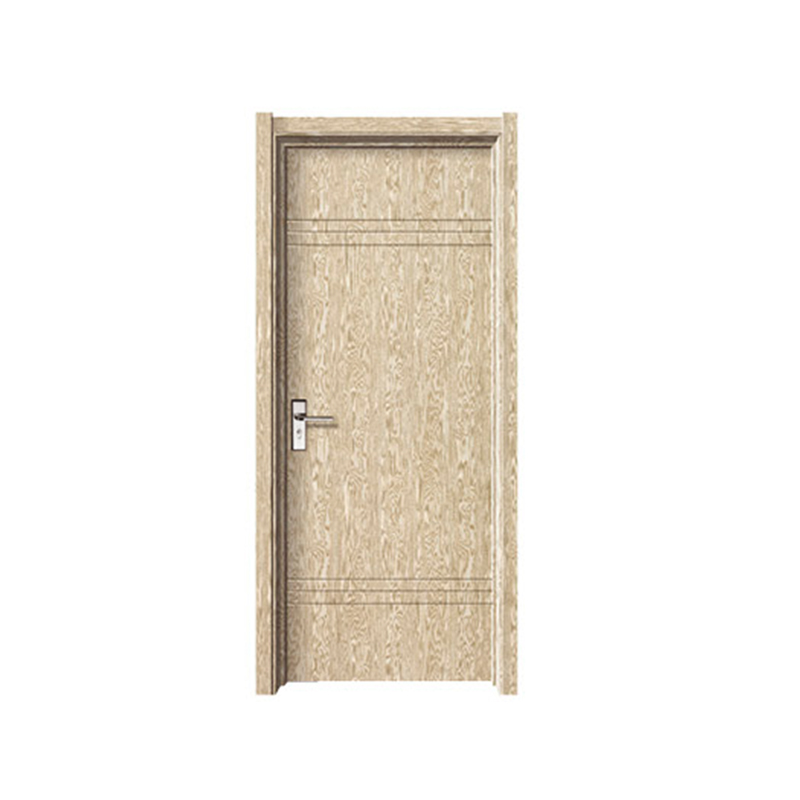
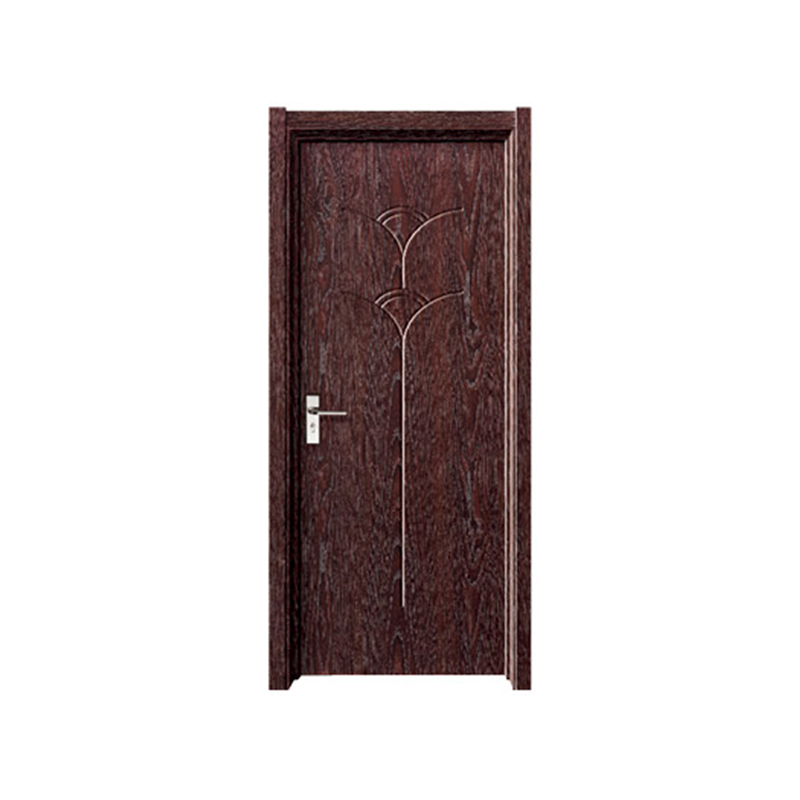
A PVC Molded Door can reduce some of the moisture‑related concerns associated with porous door materials, although actual performance still depends on construction, edge treatment, installation and daily conditions.
PVC has a relatively low tendency to absorb water compared with many conventional wood‑based materials. A molded surface can provide a continuous outer layer, limiting the number of exposed areas where moisture can reach the internal structure.
Door construction can include a molded skin combined with an internal supporting structure. Some manufacturing approaches use PVC or WPC‑based skins over a core, while other designs use a more integrated plastic‑based structure.
Surface continuity matters because moisture does not always enter through the middle of a panel. Scratches, cuts, holes and unfinished edges can create different conditions from an intact molded surface.
For bathroom use, several structural points deserve attention:
PVC‑based construction can therefore reduce moisture absorption concerns, yet it should not be treated as an unlimited barrier against water. Prolonged exposure, damaged surfaces or poorly protected openings can still create problems. Similar observations are made for PVC‑covered wood‑based doors, where damage to the outer layer can expose the underlying material to moisture.
A door has several areas that receive different levels of moisture exposure. The broad front and back surfaces may receive condensation, while edges can encounter water from cleaning, floor washing or splashes near a shower area.
Door edges deserve attention because cutting, drilling or joining can interrupt an otherwise continuous surface. Hinge holes and lock openings create additional contact points where internal materials may become exposed.
Manufacturing quality also influences how consistently edges are formed. A molded skin needs to fit the supporting structure without leaving unnecessary gaps. Where separate components meet, the connection should be suitable for the moisture conditions around the bathroom door.
The lower edge can be especially important because it sits closer to the floor. Water used during cleaning may remain nearby longer than on an upright surface, making edge protection and installation height relevant to long‑term use.
A practical design review can therefore separate the door into several zones:
| Door Area | Moisture Concern | Main Consideration |
|---|---|---|
| Front surface | Condensation and splashes | Surface continuity |
| Back surface | Humid indoor air | Material response |
| Side edges | Water contact | Edge protection |
| Bottom edge | Cleaning water and damp floor | Proper finishing |
| Hinge and lock areas | Openings and fittings | Careful installation |
Such separation makes it easier to see why moisture resistance cannot be judged from the visible front surface alone.
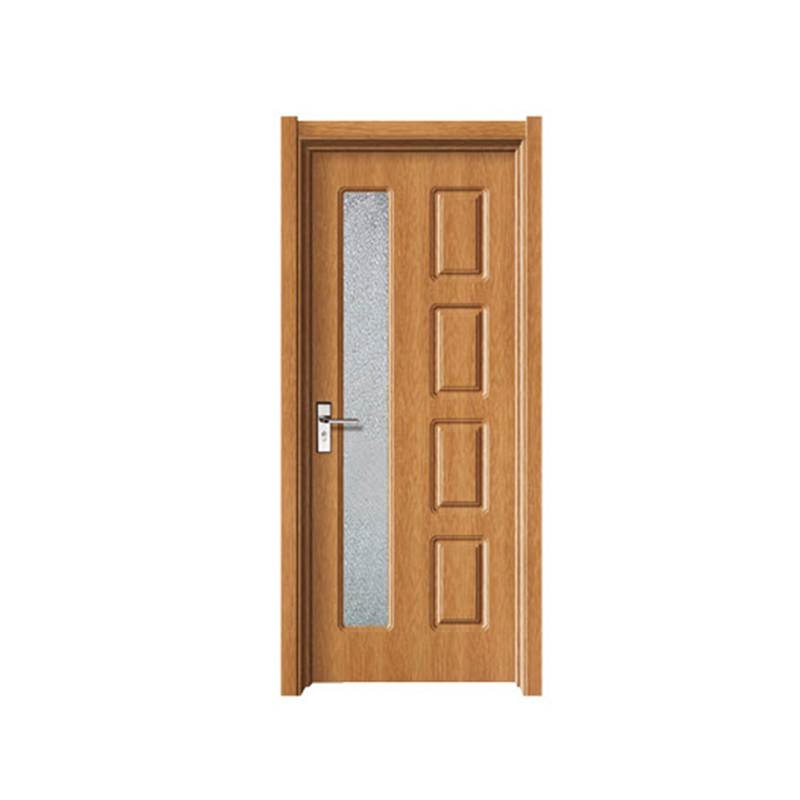
Condensation occurs when humid air meets a surface that is cooler than the surrounding air. Bathroom doors can experience such conditions after hot water is used, especially when ventilation is limited.
A few water droplets on a door surface do not create the same situation as moisture remaining on the surface repeatedly. Duration and location matter. Water that quickly dries has a different effect from moisture that collects around the bottom edge, corners or fittings.
Surface texture can also influence cleaning. Molded doors may have decorative patterns or recessed areas, creating places where droplets or cleaning residue can remain. Regular wiping can help keep moisture from sitting in such areas for extended periods.
Ventilation plays a supporting role. Better air movement allows humid air to leave the room more easily, reducing the time that condensation remains on surfaces. A door designed for humid surroundings still benefits from a bathroom environment that allows moisture to escape.
For practical maintenance, attention can focus on a few simple areas:
Such habits do not replace material selection. They work alongside suitable door construction to reduce unnecessary moisture exposure.
Material selection forms only part of bathroom door performance. A door may have a moisture‑resistant outer surface while its surrounding frame, hardware openings or connecting areas remain exposed to humid air.
Hinges require holes or fixing points, while a lock normally requires an opening through the door structure. Installation can therefore introduce areas that behave differently from an intact molded surface.
Door alignment also matters. Excessive contact between the door and frame can place stress on edges, while unsuitable gaps may allow moisture or condensation to collect around certain areas. Proper installation keeps movement controlled and helps the door operate without unnecessary pressure on its structure.
Frame material should receive similar attention. A moisture‑resistant door installed within a material that reacts strongly to damp conditions can create an uneven system. The door leaf, frame, fittings and surrounding wall should all suit the bathroom environment.
Such coordination is particularly relevant when a PVC Molded Door is installed in a frequently humid room. The outer skin may handle ordinary moisture exposure well, while installation details determine how vulnerable edges and openings become.
Manufacturing details can affect how a door behaves after installation. A molded outer skin needs to maintain a consistent shape while remaining properly connected with the internal structure. Small differences in forming, trimming or joining can create weak areas that become more noticeable in a humid room.
Material preparation also matters. PVC sheets or molded skins need suitable forming conditions so that the finished surface remains even and intact. Excessive pressure, poor shaping or uneven trimming may affect the appearance as well as the way moisture reaches an exposed area.
Edge treatment deserves particular attention during production. Once a door skin is cut to its required size, newly exposed sections need to fit the rest of the construction. Gaps around an edge can allow damp air or water to reach materials underneath the outer layer.
For Moulded Door Skin Manufacturers, production control therefore involves more than checking the visible face. Several areas can influence how a finished door responds to bathroom conditions:
A consistent production process can reduce unwanted differences between individual door components. Quality checks may also focus on areas that are less visible after installation, since moisture‑related problems can begin around an edge or opening rather than across the main surface.
Material compatibility matters during assembly as well. Adhesive or joining materials need to remain suitable for the conditions surrounding the door. A strong‑looking connection at installation may still require consideration of repeated humidity exposure, temperature changes and everyday door movement.
Bathroom door design usually involves several small decisions rather than one single moisture‑related feature. Surface shape, edge construction, hardware openings and frame connections all contribute to how moisture is handled.
A molded surface can help reduce exposed seams across broad areas of a door. Decorative patterns may also be formed directly into the outer layer, reducing the need for separate decorative pieces that could create additional joints.
Edges require a different approach. A door edge is often cut or finished after the main forming process, so protection needs to continue around the perimeter. Rounded corners can also reduce sharp areas where water may collect, depending on the overall design.
Hardware placement deserves attention during the design stage. Hinge and lock positions need openings, and each opening interrupts the continuous surface. Proper fitting can help prevent unnecessary gaps around hardware.
A practical design view can be arranged as follows:
| Door Area | Humidity Related Concern | Design Focus |
|---|---|---|
| Main surface | Condensation and splashes | Continuous outer layer |
| Side edge | Repeated damp contact | Edge finishing |
| Bottom edge | Floor moisture | Suitable protection |
| Hardware openings | Exposed internal areas | Accurate fitting |
| Corners | Water collection | Smooth and suitable shaping |
| Frame connection | Moist air and contact | Proper installation |
No single detail determines how a door performs in a bathroom. A well‑formed surface can still face problems around an unfinished edge, while careful edge treatment cannot compensate for unsuitable installation conditions.
A moisture‑resistant door still needs ordinary care. Bathroom humidity changes throughout daily use, and surface water may remain around the lower section, corners or fittings after cleaning.
Keeping the surface reasonably dry can reduce unnecessary exposure. Visible droplets can be wiped away, while bathroom ventilation can help humid air leave the room rather than remaining around the door for long periods.
Cleaning methods also have an effect. Harsh tools can scratch or damage a surface, creating areas that are different from the original finish. Once an outer layer has been damaged, moisture may have easier access to underlying materials.
Routine checks can focus on a few simple points:
Door movement provides another useful indication. A door that begins rubbing against the frame or becomes harder to close may have an installation or structural issue that deserves inspection.
Maintenance does not need to involve complicated procedures. Regular attention to moisture, edges and fittings can help preserve the intended condition of the door and its surrounding components.
Humidity resistance comes from a combination of material behavior, door construction, manufacturing quality, installation and everyday conditions. Looking at only one factor can give an incomplete picture.
A PVC Molded Door can provide a suitable material approach for rooms where humid air and occasional water contact are part of normal use. PVC‑based surfaces have moisture characteristics that differ from many porous wood materials, while molded construction can create a continuous outer layer across much of the door.
Actual performance still depends on what happens around that surface. Edges, corners, hardware openings and the lower section may encounter moisture in different ways. A properly formed skin needs suitable support underneath, while installation needs to avoid creating unnecessary gaps or exposed areas.
Manufacturing also remains closely connected with final performance. Moulded Door Skin Manufacturers influence surface formation, trimming, edge treatment and the connection between the outer skin and internal structure. Consistency during production can help maintain the intended construction from one component to another.
Bathroom conditions also vary. A room with good air movement may dry faster after bathing, while limited ventilation can allow humid air and condensation to remain around surfaces for longer. Floor cleaning, water splashes and door position create additional differences.
For that reason, choosing a door for a humid room involves several questions:
A suitable bathroom door is therefore not defined by material alone. Surface continuity, edge treatment, internal construction and installation details all contribute to how moisture is managed during everyday use.
For a PVC Molded Door, the main consideration is how each part of the construction works together under repeated humidity. Material choice can reduce certain moisture‑related concerns, while careful production and installation help protect areas that remain more exposed. Regular cleaning and ventilation then support the condition of the finished door during normal bathroom use.
Copyright © Zhejiang Shangpin Bense Home Furnishing Co., Ltd.

Wood Interior Door Manufacturer
 русский
 عربى
عربى Français
 Español