

2026-08-25
Interior spaces have gradually moved toward quieter visual details, and door surfaces are part of that change. A door no longer needs a strong shine to become noticeable. In many homes, offices, apartments, and shared spaces, a softer surface fits more naturally with walls, flooring, furniture, and lighting.
Matte finishes reduce visible reflection across a broad surface. Light is spread more gently rather than producing sharp bright areas, giving a room a calmer visual balance. For rooms with several materials already present, such a surface can prevent the door from becoming an overly strong visual element.
Practical use also influences the choice. Doors are handled repeatedly during a normal day, especially in hallways, bedrooms, offices, and shared rooms. Fingerprints, dust, and small marks may appear on any finish, while a low‑reflection surface can change how visible those marks are under different lighting conditions.
Color selection becomes easier to coordinate when surface reflection is limited. Neutral shades can sit beside wood, painted walls, stone‑like flooring, fabric, or metal details without creating too much visual contrast.
Several factors help explain continued interest:
Popularity does not come from one feature alone. Appearance, daily contact, room lighting, cleaning habits, and manufacturing methods all contribute to how a door performs as part of an interior space.
Surface reflection has a noticeable effect on how a room feels. Glossy materials can bounce light across nearby walls and objects, while matte finishes tend to scatter light across a wider area. As a result, a door may appear visually quieter even when its color remains similar to a reflective alternative.
Lighting direction can change the appearance further. A door beside a window may receive strong daylight from one side, while an interior corridor may depend on ceiling or wall lighting. A reflective surface can create bright patches under such conditions, whereas a matte surface generally produces a more restrained visual response.
Texture also matters. A completely smooth matte surface can appear different from one with a subtle texture, even when both have similar colors. Surface preparation, coating consistency, and viewing distance all influence the final impression.
Room size can affect perception as well. In a narrow hallway, strong reflections may draw attention toward a door surface. A softer finish can make surrounding visual elements feel more connected, especially when wall and flooring colors are already coordinated.
Matte finishes can also work with contrasting materials. A wooden floor, painted wall, fabric furniture, or metal hardware may have different levels of reflection. A low‑reflection door provides another surface quality without creating an abrupt visual change.
Such relationships explain why finish selection is rarely only about color. Surface behavior under actual lighting can influence how a room looks during different parts of the day.
Matte surfaces can adapt to many interior approaches because they do not strongly depend on one decorative style. A simple room may use a plain‑colored door with limited visual detail, while a warmer interior can combine a matte surface with natural‑looking flooring and furniture.
In traditional spaces, a restrained finish can help keep attention on panel shapes, handles, trim, or surrounding materials. In contemporary rooms, a plain surface can support a cleaner arrangement where large areas are visually connected.
Mixed‑material interiors provide another example. A room may contain wood, stone, fabric, painted surfaces, and metal. Using a low‑reflection finish on a door can create a visual bridge between materials with different surface characteristics.
Color remains important. Dark shades can create a stronger visual presence even with a matte finish, while lighter shades may blend more closely with nearby walls. Neither approach is suitable for every room, so surrounding colors and available light need consideration.
A useful selection process can begin with three questions:
Answers can help narrow the suitable finish without relying on a single design rule.
Daily contact gradually becomes part of a door's appearance. Handles, edges, panels, and areas around hand height receive repeated contact, while other sections may remain relatively untouched. Cleaning patterns often follow the same areas.
Finger marks can become noticeable on darker surfaces, especially under direct lighting. Dust may settle along edges, recessed areas, and horizontal details. Small scratches can appear after contact with furniture, bags, cleaning tools, or other objects moving through a doorway.
A matte finish does not remove normal signs of use. Instead, surface texture and reflection affect how visible such marks become. A heavily textured finish may hide small variations differently from a smooth matte surface, while lighting can make a minor mark appear more visible from one angle than another.
Room function should therefore influence finish selection.
| Room Setting | Common Surface Concerns | Useful Consideration |
|---|---|---|
| Bedroom | Finger marks and dust | Gentle routine cleaning |
| Hallway | Frequent contact and bumps | Surface durability and easy access |
| Kitchen Area | Moisture and airborne residue | Suitable cleaning method |
| Office | Repeated handling | Simple surface care |
| Shared Space | Frequent contact | Regular visual inspection |
Cleaning frequency should match actual use rather than follow a fixed routine. A lightly used bedroom door may need little attention, while a shared corridor door can require more frequent surface cleaning.
Care also needs to account for surrounding materials. Aggressive rubbing or unsuitable cleaning products can alter a finished surface, leaving uneven areas that become visible under directional lighting.
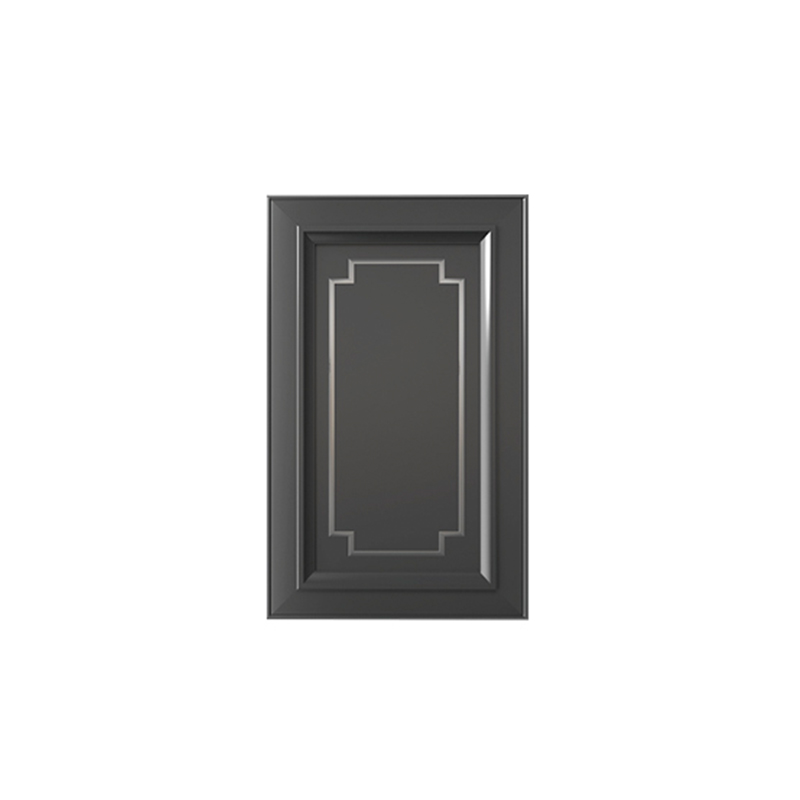
Routine maintenance helps preserve both appearance and usability. Dust can usually be removed before it builds up, while marks around handles can receive attention before repeated cleaning becomes difficult.
A soft cloth and a cleaning method compatible with the door finish are generally preferable to abrasive materials. Excessive moisture should also be avoided where door construction or surrounding trim is not designed for prolonged exposure.
Cleaning should follow the condition of the surface rather than rely on strong chemicals. A product that works on glass, metal, or ceramic may not be appropriate for a coated door surface.
Small checks during cleaning can reveal useful changes:
Minor surface changes do not always require immediate repair, while sudden or unusual damage deserves closer attention. Repair methods should correspond with the door material and finish rather than rely on an improvised coating.
Good maintenance also protects the visual consistency of a room. A door occupies a relatively large vertical area, so uneven cleaning or accidental surface damage can become noticeable when light falls across it.
Matte finishes remain popular partly because their visual character fits everyday interiors without demanding strong decorative treatment. Daily care, however, still depends on sensible cleaning habits and suitable handling.
Lighting can change how a door surface looks without any change to the finish itself. Daylight entering from a window may create a soft gradient across a panel, while a ceiling lamp can place a concentrated area of light near the upper section. Direction, intensity, and distance all affect surface appearance.
Matte finishes tend to reduce sharp reflections, which can make a door sit more quietly within a room. A darker surface may still show differences in tone under changing light, while a lighter finish can appear closer to nearby wall colors when illumination is soft.
Position also matters. A doorway opposite a window may receive direct daylight, while a door placed deeper inside a corridor can depend almost entirely on artificial lighting. Viewing angle can alter the amount of visible texture, particularly when a surface contains subtle variation.
Before choosing a finish, surrounding lighting can be considered through a simple comparison:
A finish that appears balanced in a showroom or sample room may look different inside an actual space. Wall color, flooring, furniture, and nearby reflective surfaces can all influence visual perception.
Lighting also affects surface maintenance. Finger marks, dust, and small scratches may remain difficult to notice under soft illumination, then become visible when a narrow beam of light crosses the surface. Regular inspection under ordinary room lighting can therefore be useful.
A finished door begins with the condition of its underlying surface. Small irregularities may become easier to notice after finishing, especially when light passes across a broad, relatively flat panel.
Material selection affects surface behavior, while preparation determines how evenly a finish can be applied. Uneven areas, rough edges, dust particles, or inconsistent preparation may create differences in texture or appearance.
Manufacturing normally involves several connected stages. Material preparation comes before finishing, while inspection follows the surface treatment. Each stage can influence the appearance that reaches the installation site.
Attention may be given to:
A matte surface does not hide every manufacturing variation. Under directional light, small differences can become easier to see, particularly across large door panels. Consistent preparation therefore remains relevant even when a low‑reflection appearance is intended.
Handling after finishing matters as well. Scratches, pressure marks, or edge damage can occur during movement and installation. Protective packaging and careful handling can reduce unnecessary surface contact before a door reaches its final position.
Material and finish should also suit the room environment. A door exposed to regular moisture requires different considerations from one installed in a dry bedroom or office. Surface appearance and practical service conditions need to be considered together.
An Interior Door Factory typically needs to coordinate material preparation, surface treatment, inspection, handling, and packaging as one connected process. A consistent appearance cannot depend on the finishing stage alone.
Production begins with checking the basic condition of the door material. Surface irregularities can affect later finishing, so preparation may involve cleaning, smoothing, edge treatment, and inspection before the final surface is applied.
During finishing, consistency of coverage and texture matters. Uneven application may create visible differences across panels, while contamination during production can leave marks that become noticeable after completion.
Inspection can focus on several areas:
| Production Stage | Main Inspection Focus |
|---|---|
| Material preparation | Surface condition and cleanliness |
| Panel preparation | Edges, corners, and flat areas |
| Finish application | Coverage and texture |
| Surface inspection | Marks and uneven areas |
| Hardware preparation | Openings and fitting areas |
| Packaging | Protection from handling damage |
Large door surfaces require careful visual inspection because a small irregularity can become more noticeable once the panel is installed under directional lighting.
Manufacturing conditions can also influence repeatability. Changes in handling, surface preparation, or finishing conditions may produce differences between production batches. Consistent inspection helps identify such variation before products move into installation.
Technical information has a practical role after production as well. Cleaning recommendations, handling instructions, and installation considerations help keep the finished surface in suitable condition once it leaves the production environment.
Finish selection works better when based on the actual room rather than appearance alone. A sample can provide a useful reference, although surrounding light and materials may change the final visual effect.
Room function is one factor. A bedroom may have relatively light contact, while a shared hallway can experience repeated handling. A kitchen‑adjacent doorway may face moisture and airborne residue, requiring closer attention to cleaning.
Lighting should be considered at different times of day. A surface placed near a window can show a different character under daylight compared with indoor lighting after dark.
Surrounding materials deserve equal attention. A door beside a strongly textured floor may need a simpler surface relationship, while a room with plain walls and furniture may allow greater contrast.
Useful selection questions include:
Color and texture should work together rather than being selected separately. A darker matte door may create a clear visual boundary, while a lighter option can blend more closely with surrounding walls.
Maintenance expectations should also remain realistic. A finish may reduce glare and create a softer appearance, yet normal contact, dust, and scratches still require ordinary care.
Interior design continues to place attention on how surfaces interact rather than treating each component as an isolated feature. Door finishes form part of that broader relationship, especially as open layouts and connected living areas become common.
Matte surfaces can work alongside wood‑like textures, painted walls, fabric, stone surfaces, and metal details. Such combinations create different levels of reflection without requiring every material to have the same visual character.
Surface texture may also become more varied. A completely plain matte finish is only one option, while subtle texture can introduce visual depth without creating a highly reflective appearance.
Practical concerns are likely to remain part of finish selection. Cleaning, touch frequency, lighting, moisture, and room function all influence whether a particular surface fits an installation.
For manufacturers, changes in interior preferences can influence production methods, surface preparation, material choices, and inspection standards. For designers and homeowners, the same changes can create more choices when coordinating doors with surrounding finishes.
An Interior Door Factory therefore works within a wider relationship between manufacturing and interior use. Surface treatment needs to support the intended appearance while remaining suitable for handling, installation, and everyday care.
Matte finishes continue to appear in interior spaces because visual simplicity can work with many room arrangements. Their role is shaped by lighting, materials, maintenance, and daily use rather than by appearance alone.
Copyright © Zhejiang Shangpin Bense Home Furnishing Co., Ltd.

Wood Interior Door Manufacturer
 русский
 عربى
عربى Français
 Español