

2026-09-15
Heat can affect the surface, internal material, edges, frame, and connections at different rates. A door that looks unchanged from the outside may already be experiencing changes inside. For this reason, the construction of the complete door matters when considering its behavior under fire exposure.
A fire-resistant door structure usually involves several parts working together. The outer skin provides the visible surface and protects the internal structure during normal use. The core occupies much of the internal space and can influence how quickly heat moves through the door. The frame and edge areas help hold the door in position and affect the gaps around it.
The relationship between these parts is important because fire does not affect every area in exactly the same way. The exposed surface receives heat directly, while the inner layers respond as heat gradually moves inward. The edges may also experience different conditions because they are connected to the frame.
Several areas therefore deserve attention when considering door behavior during a fire:
A complete door needs to function as a connected structure. Looking at one material alone cannot fully describe how the finished door responds to heat.
That becomes particularly relevant when the visible outer layer is made from PVC and the interior contains a fire-resistant core.
A PVC Molded Door can experience several physical changes when exposed to high heat. The surface may become warmer before the inner part of the door reaches the same condition. As heating continues, the material can soften or change shape depending on its construction and the surrounding conditions.
PVC is used as a molded outer surface because it can form a consistent door skin around a shaped structure. Under normal conditions, the surface provides protection and a finished appearance. During fire exposure, its behavior depends on the material formulation, thickness, support from the underlying structure, and the way the complete door has been assembled.
The presence of a fire-resistant core changes the way heat interacts with the door. The outer surface does not act alone. Heat reaching the skin must also interact with the material beneath it, while the core can slow or alter the movement of heat through the door.
Surface changes may include:
The actual behavior depends on the complete construction. A molded surface attached to a stable internal structure may respond differently from a thin surface with limited support.
The way the door is installed also matters. A door that fits properly within its frame can maintain a different physical relationship from one with large gaps or uneven contact. Heat can move through openings as well as through solid materials, so the door assembly needs to be considered as a whole.
This is why the core material deserves attention. Its role begins beneath the visible surface and becomes increasingly important as heat moves inward.
The core is located between the outer surfaces of the door and occupies a large part of its internal structure. Its role during a fire is closely related to how heat travels through the door and how the door maintains its physical form.
A fire-resistant core is selected to respond differently from ordinary lightweight filling materials when exposed to heat. Depending on its composition, it may slow heat transfer, maintain part of its structure, or provide support to the outer layers as surrounding temperatures change.
The core does not work independently. Its effectiveness as part of the door depends on how well it fits within the surrounding structure. Gaps, weak connections, or unsuitable bonding can affect how the different layers respond when heated.
The relationship can be viewed in a simple way:
Fire exposure → Outer surface heats → Heat moves inward → Core responds → Inner surface remains separated from direct exposure for a period of time
The process is not static. As the outer surface becomes hotter, the conditions inside the door gradually change. The core can influence the rate and pattern of that change, while the outer skin and supporting structure continue to experience the effects of heat.
A useful material assessment can consider several points:
| Door Component | Role During Normal Use | Consideration During Fire |
|---|---|---|
| Outer skin | Provides surface protection and finish | May soften or change under heat |
| Fire-resistant core | Supports the door structure | Influences heat movement through the door |
| Inner surface | Forms the opposite side of the door | Receives heat after transfer through inner layers |
| Edge structure | Connects the door layers | Can experience heat through joints and gaps |
| Frame connection | Holds the door in the opening | Affects the overall separation between spaces |
The core therefore should not be judged only by its ability to resist heat in isolation. Its relationship with the door skin, frame, edges, and internal bonding also affects the behavior of the finished assembly.
This leads to a broader consideration: how the individual layers work together rather than simply examining the core or outer skin separately.
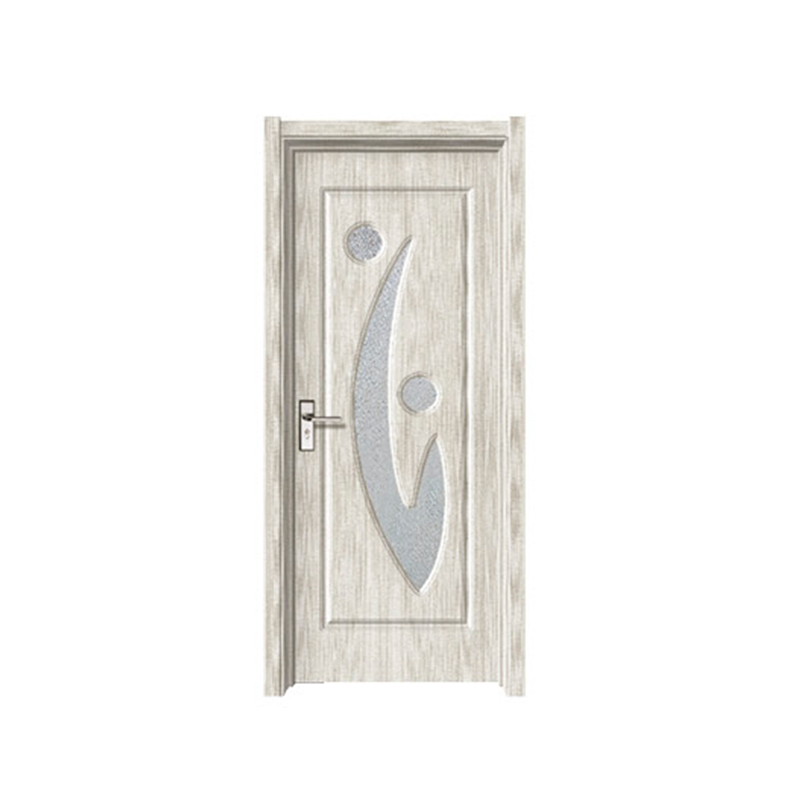
A door with several material layers behaves as a combined structure. The outer skin, internal core, supporting elements, edges, and frame each have different functions, yet their interaction determines how the complete door responds when exposed to heat.
The outer skin faces the fire environment directly. It may experience surface changes before the internal core is strongly affected. The core then influences the movement of heat toward the opposite side. Meanwhile, the supporting structure helps maintain the relationship between these layers.
The connection between the skin and core is also important. If the layers remain properly positioned, heat has to move through the intended material structure. If a layer separates or a gap develops, the heat path can change.
The same principle applies to the door edges. The center of the panel may have several layers between the fire and the opposite surface, while an edge may contain joints, frame connections, or other transitions between materials.
For practical evaluation, several questions can help:
Normal door use also places demands on the structure. Opening, closing, cleaning, and repeated movement can affect joints and connections over time. A fire-resistant design therefore needs to retain its intended structure during ordinary use as well as respond appropriately when exposed to heat.
The visible surface is only one part of that system. Once heat begins to affect the outer skin, the condition of the layers underneath becomes increasingly relevant. The next consideration is how the surface itself changes and how those changes relate to the internal structure.
A door is more than a movable panel between two rooms. During a fire, it can become part of the boundary that separates an affected area from another space. Heat, flames, and smoke may reach one side of the door while the other side remains exposed to a different thermal condition. How the door responds depends on its complete construction rather than on the outer surface alone.
The door skin, inner core, edges, frame, and connection points all have different roles. Heat reaches these areas at different rates, and each material may respond differently as the temperature rises. A surface can begin to change before the internal structure has experienced the same level of heating. At the same time, gaps around the edges can provide a path for heat and smoke even when the main door panel remains in place.
For this reason, fire behavior needs to be considered as a whole-door issue. A material that performs well in one location does not automatically determine how the finished door will behave. Thickness, bonding, internal support, edge construction, and the way the door is fitted into its frame can all affect the result.
Normal door construction also matters because a door must continue to perform its everyday function before any fire occurs. It needs to open and close properly, remain stable during repeated use, and maintain a suitable surface. Fire-related requirements therefore need to be considered alongside the physical structure used in ordinary conditions.
A PVC molded surface can respond to heat in several ways. As the temperature rises, the surface may soften, change shape, lose part of its original appearance, or become more vulnerable to physical damage. The exact response depends on factors such as material formulation, skin thickness, internal support, forming conditions, and how the different layers are connected.
The outer surface is only one part of the thermal path. Heat gradually moves from the exposed side toward the internal layers. A thicker or more insulating structure can slow this movement, while joints and less protected areas may respond differently. The condition of the surface can therefore change without showing the complete condition of the internal core.
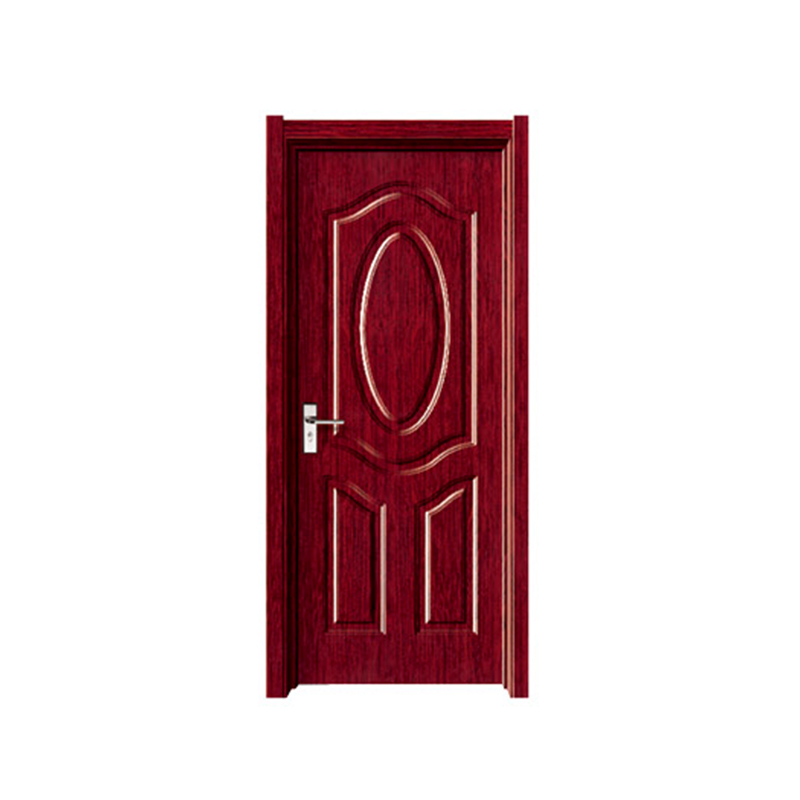
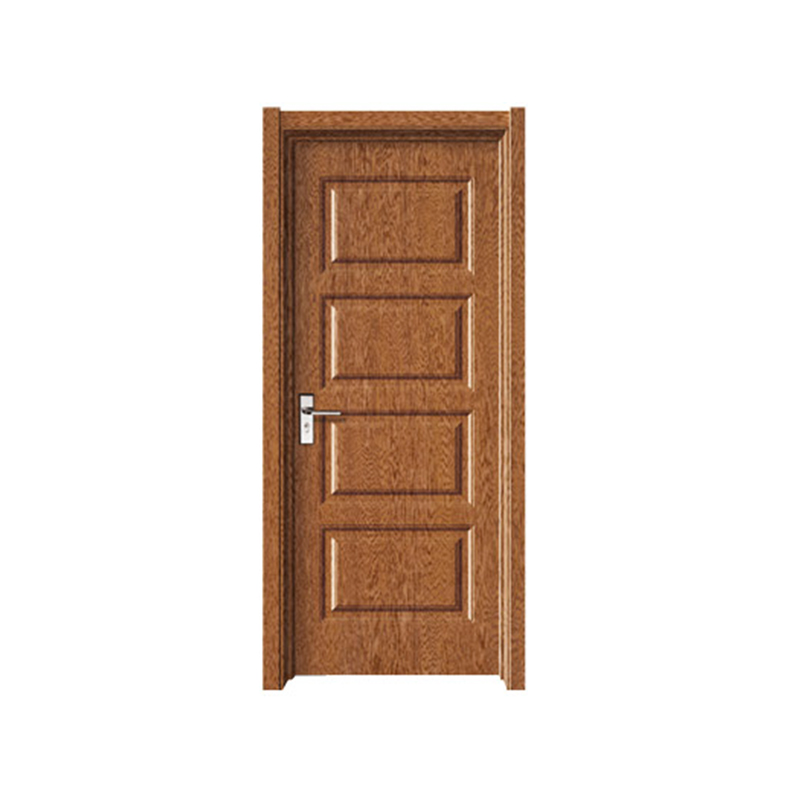
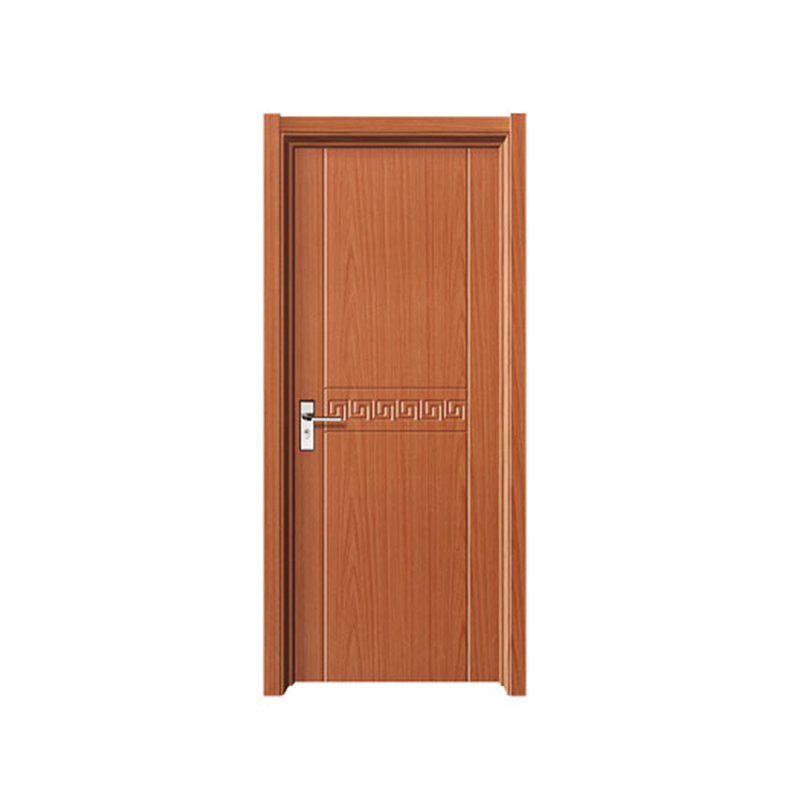
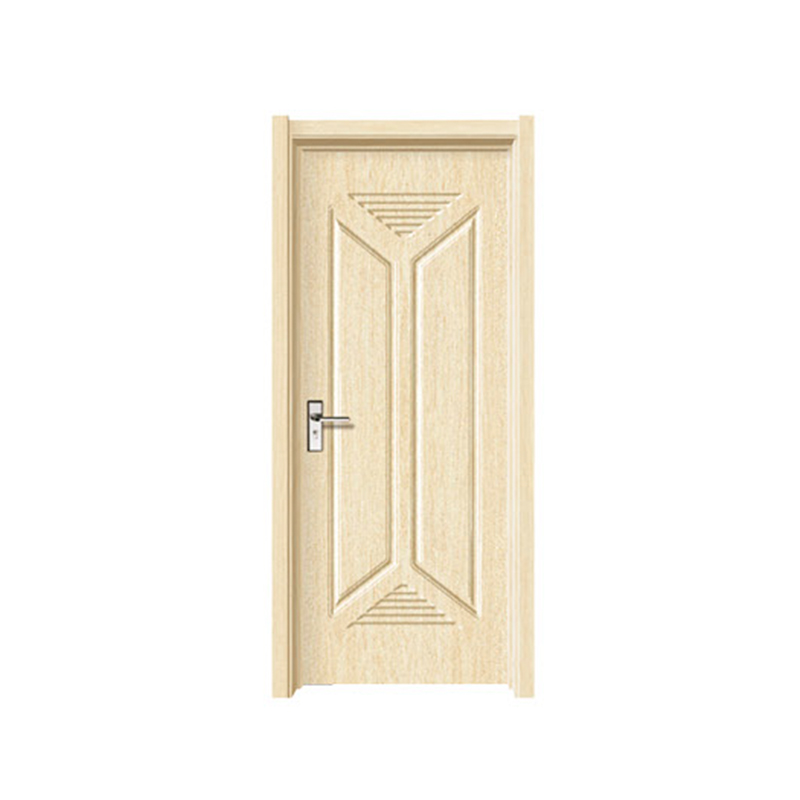
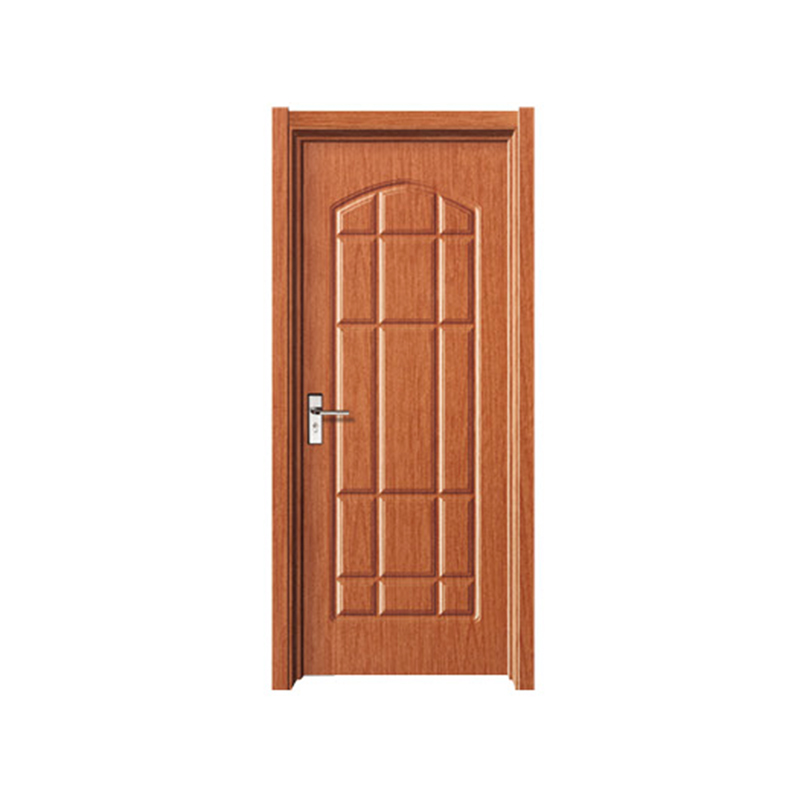
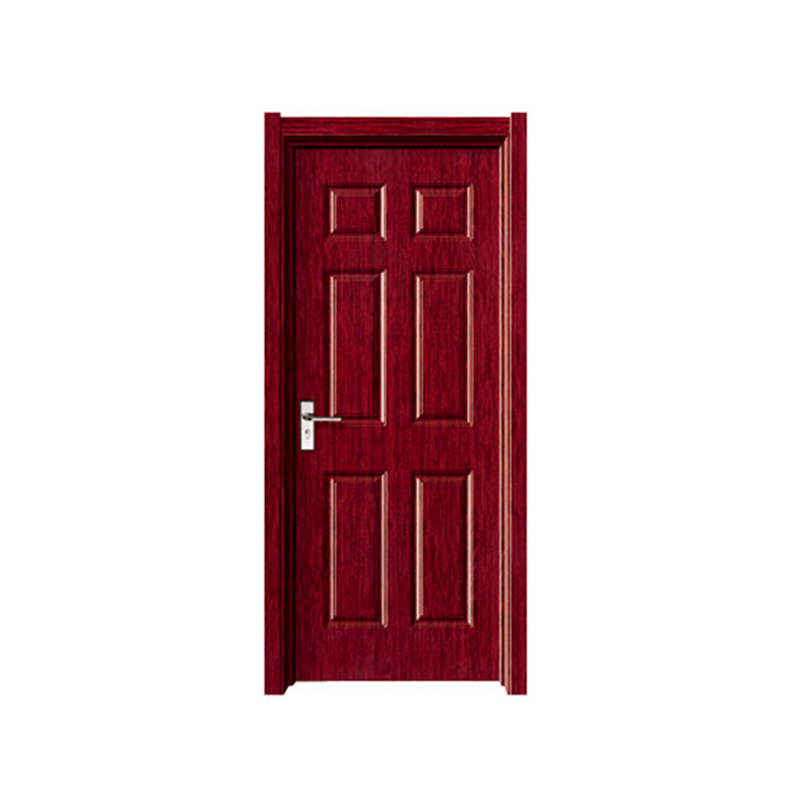
On a PVC Molded Door, the molded skin provides the visible outer layer while the internal construction supports the panel behind it. When exposed to strong heat, the surface may soften before deeper layers reach the same temperature. Changes in shape can also become more noticeable where the skin has less support or where the structure allows movement.
Several factors can influence the way the surface behaves:
A surface change does not necessarily mean that every layer inside the door has responded in the same way. The core may still have a different temperature and physical condition. Looking at these layers separately helps clarify why the external appearance of a door cannot provide a complete indication of its fire behavior.
The internal core has an important role because it occupies much of the space between the outer surfaces. Its properties influence how quickly heat moves through the door and how the panel behaves as temperatures increase. A fire resistant core is intended to provide resistance to heat transfer while also remaining compatible with the rest of the door structure.
The core does not work independently. It needs to remain properly positioned inside the panel, and its connection with the surrounding layers can affect the overall construction. Poorly controlled gaps, weak connections, or unsuitable edge treatment may create areas where heat can move more easily.
| Door Component | Role During Normal Use | Consideration During Fire |
|---|---|---|
| Outer skin | Provides surface protection and finish | May soften or change under heat |
| Fire-resistant core | Supports the door structure | Influences heat movement through the door |
| Inner surface | Forms the opposite side of the door | Receives heat after transfer through inner layers |
| Edge structure | Connects the door layers | Can experience heat through joints and gaps |
| Frame connection | Holds the door in the opening | Affects the overall separation between spaces |
A suitable core therefore needs to match the construction around it. The material choice alone does not determine the behavior of the finished door. The thickness of each layer, the way components are joined, and the treatment of the edges all influence how the door responds when exposed to heat.
Another consideration is structural stability. As the outer surface changes, the internal core may help maintain the shape of the panel. At the same time, the core itself can experience changes as heat moves inward. The interaction between these materials becomes increasingly important as exposure continues.
A door with several material layers can be viewed as a connected system. The outer skin receives direct heat, the core affects heat movement through the panel, and the frame holds the assembly within the opening. Edges and joints connect these parts and can become important areas during prolonged heat exposure.
The connection between layers is particularly relevant. A skin may remain attached during normal use because the bonding or mechanical connection provides enough support. Under heat, materials can expand, soften, or change shape at different rates. When adjacent materials respond differently, stress can develop at their connection points.
The same principle applies to the edges. The center of the panel may have a different internal structure from the perimeter. Where the skin meets the core or frame, the material arrangement can change. These transition areas need to be considered because heat does not enter the entire door in exactly the same way.
A complete door construction therefore involves several questions:
For a PVC Molded Door, these relationships are relevant not only to fire exposure but also to everyday service. A structure that remains stable during repeated opening and closing can still respond differently when subjected to intense heat. Fire behavior needs to be considered alongside the physical construction that supports normal operation.
The next stage is to look more closely at what happens at the exposed surface and how heat reaches the edges and frame. Those areas can affect the behavior of the complete door even when the central panel has a fire resistant core.
Copyright © Zhejiang Shangpin Bense Home Furnishing Co., Ltd.

Wood Interior Door Manufacturer
 русский
 عربى
عربى Français
 Español