

2026-09-11
Sliding wardrobes place different demands on a door than hinged furniture. A hinged door moves outward from a fixed point, while a sliding panel travels along a track and stays close to the cabinet during use. Door weight, surface condition, shape, edge treatment, and overall fit can therefore affect how the wardrobe feels in daily use.
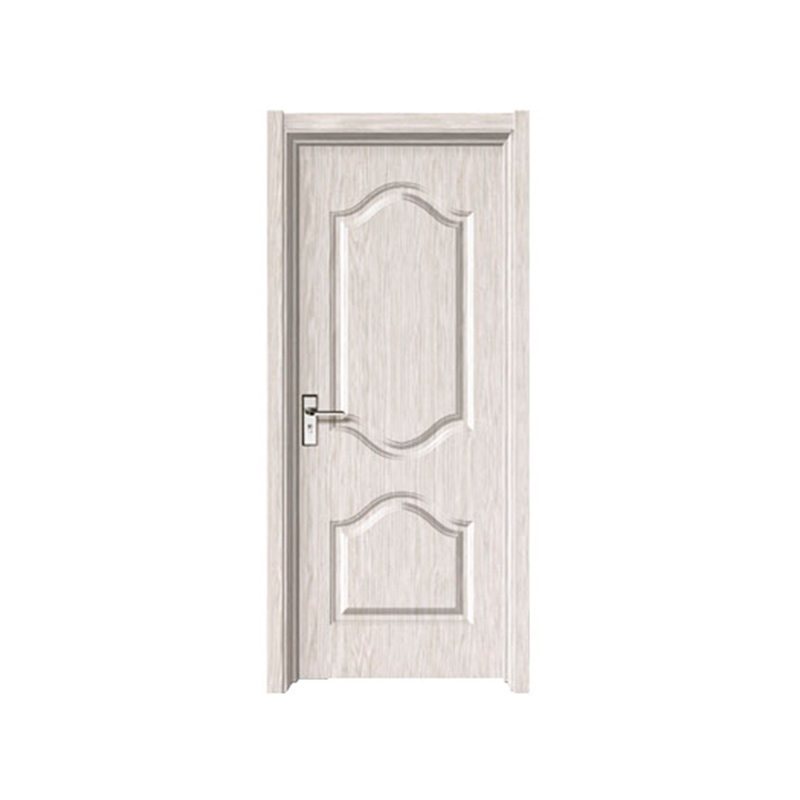
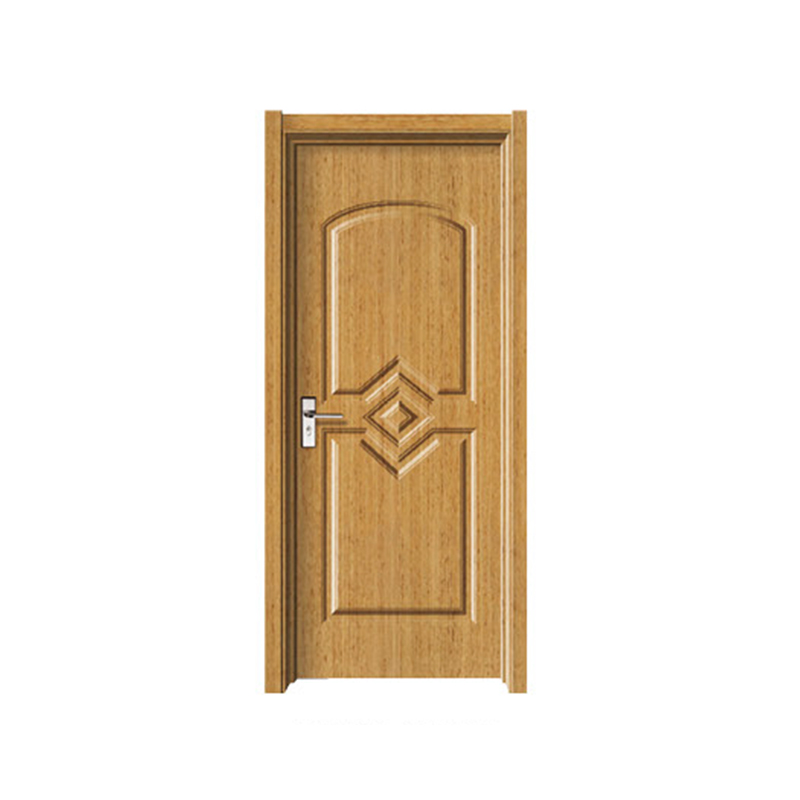
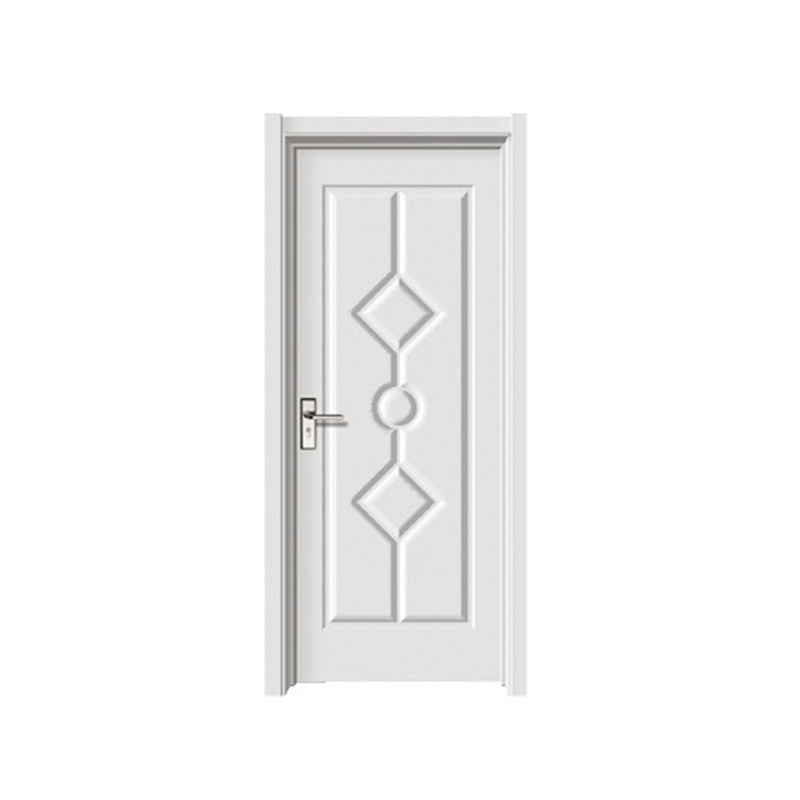
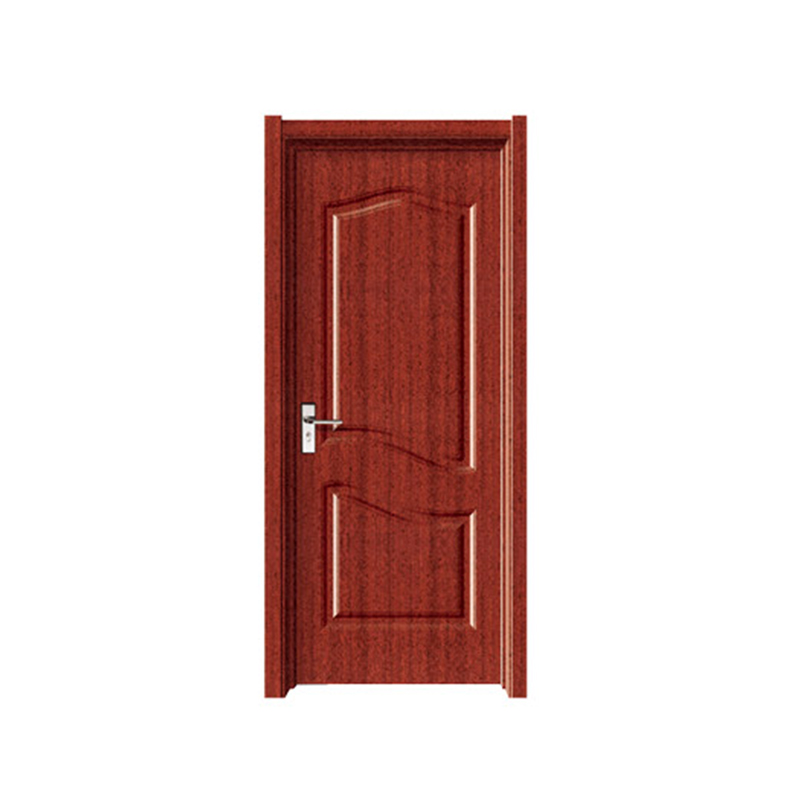
A Laminated MDF Door can suit this type of furniture because MDF provides a smooth base for a finished surface, while lamination adds a practical outer layer with a wide range of visual choices. The combination can create a flat and consistent door face without making the design unnecessarily complicated.
A wardrobe door needs to cover a relatively broad area while keeping a clean appearance. MDF is commonly used for this purpose because its surface can be processed into a smooth, even panel. A laminated finish can then be applied over the board to create a selected color, texture, or pattern.
For a sliding wardrobe, a flat panel also works well with simple furniture designs. Door surfaces remain visually close to the cabinet structure rather than extending far into the room.
Several practical points make the material suitable for this application:
Material choice still needs to match the intended cabinet structure. A door should not be considered separately from its frame, track, fittings, and installation position.
A sliding wardrobe often has several panels placed beside one another. Since the doors form a large visible area, uneven surfaces can become noticeable during everyday use. A flat MDF panel helps maintain a more continuous appearance across the cabinet front.
Surface condition also matters around handles and frequently touched areas. Smooth finishing makes routine cleaning easier, while a suitable laminate can provide a surface that fits the expected cleaning method.
Panel alignment is another consideration. Even a well-finished board can look uneven when adjacent doors sit at different positions. For that reason, door dimensions and fitting positions need to work together during installation.
A practical check can include:
A flat surface does not solve every installation issue, though it provides a suitable base for a wardrobe front that needs a neat and stable appearance.
Lamination gives MDF doors another layer of design flexibility. Rather than leaving the board surface in a plain unfinished state, a selected laminate can introduce a particular color, wood-like appearance, soft texture, or simple decorative effect.
Such choices matter in sliding wardrobes because door panels occupy a noticeable part of a room. A cabinet can have a simple internal structure while the outer doors provide a more coordinated appearance with surrounding furniture.
Surface selection also needs to consider daily use. Wardrobe doors are regularly touched, wiped, opened, and closed. A finish that is easy to clean can be more practical for rooms where dust or fingerprints are common.
Lamination can also help create visual consistency between several door panels. When more than one panel is used, attention should be given to surface direction and appearance so that neighboring sections do not look disconnected.
For a Wardrobe Door Manufacturer, surface selection therefore involves more than appearance alone. Board preparation, laminate application, edge processing, and later fitting all influence how the finished panels look together.
A sliding wardrobe door needs to move along its track without creating unnecessary resistance. Door structure therefore needs to match the furniture system rather than being selected only for appearance.
Panel size, thickness, edge treatment, and fitting positions can all influence the final arrangement. A door that is difficult to handle or poorly matched with its sliding hardware may require additional adjustment during installation.
MDF provides a workable base for many flat-panel wardrobe designs, while laminate offers a finished outer surface. Combining the two allows the door to remain visually simple while accommodating practical furniture requirements.
| Door Consideration | Why It Matters in a Sliding Wardrobe |
| Panel flatness | Helps maintain a clean and even cabinet front |
| Door thickness | Needs to suit the available fitting arrangement |
| Edge treatment | Protects exposed edges and supports a neat appearance |
| Handle position | Affects opening comfort and panel layout |
| Panel alignment | Keeps neighboring doors visually coordinated |
A suitable structure also leaves enough space for fitting and adjustment. Door panels should not be forced into place simply to match the cabinet opening. Careful preparation of the panel and surrounding furniture makes installation easier and reduces unnecessary pressure on the finished surface.
For a sliding wardrobe, material selection works best when considered alongside movement, fitting, appearance, and everyday handling. Laminated MDF offers a straightforward combination of a processed board surface and a finished outer layer, making it a practical option for designs that use broad, flat sliding panels.

A sliding wardrobe often contains several panels arranged across one cabinet front. Small differences between panels can become noticeable once the doors are installed together, so surface coordination deserves attention during production and fitting.
Color, texture, and surface direction can influence how adjoining panels appear. A wood-like laminate, for example, may have a visible direction that needs to remain consistent across neighboring doors. Plain finishes have different requirements, with attention placed more on color consistency and surface condition.
Cutting also affects the finished appearance. Rough edges, uneven corners, or marks around processed areas can interrupt an otherwise clean door face. Careful handling during fabrication helps keep the outer surface in good condition before installation.
For a Wardrobe Door Manufacturer, several details can be checked during production:
Consistent appearance does not mean every wardrobe needs the same surface style. Different rooms call for different colors and textures. What matters is that the selected finish works naturally across the complete set of doors.
Material selection needs to start with the actual wardrobe design. A door used in a compact bedroom may face different conditions from one installed in a dressing area or another indoor space.
Door size and layout should be considered together with the board structure. Larger panels can make surface flatness more noticeable, while narrow panels may place more attention on edge details and handle positions.
Daily contact is another useful consideration. Wardrobe doors are opened and closed frequently, with hands often touching the same areas. A surface that can be cleaned with ordinary care may make routine maintenance easier.
The surrounding environment also matters. Excessive moisture is not suitable for MDF-based furniture, especially around exposed edges and joints. Keeping moisture away from vulnerable areas can help maintain the condition of the panel.
Before selecting a finished board, several questions are useful:
A Laminated MDF Door works within a complete furniture system. Material selection should therefore follow the actual door structure rather than relying on appearance alone.
Door edges receive different treatment from the broad front surface because cutting exposes the board at the sides. An exposed edge can also come into contact with hands, cabinet parts, and nearby surfaces during normal use.
Edge treatment gives the panel a finished appearance and helps cover the cut area. Good alignment between the laminate surface and edge finish also makes several doors look more consistent when placed next to one another.
Corner areas deserve particular attention. Sharp or uneven edges can affect handling, while poorly finished areas may become noticeable during cleaning. Edge processing therefore needs to follow the shape and intended use of the door.
A suitable edge treatment should match:
For sliding wardrobes, edge condition also matters because panels move close to each other. Proper spacing and clean edges help avoid unnecessary contact during normal movement.
Routine care for a laminated wardrobe door can remain simple. Dust can collect around handles, edges, and lower areas, while fingerprints may appear on frequently touched surfaces.
Regular cleaning with a suitable soft cloth can remove ordinary marks without placing unnecessary pressure on the laminate. Excess water should not be allowed to remain around edges or joints, especially where the board may be exposed.
Care also extends to the sliding system. A door can appear to have a surface problem when the actual issue comes from its movement or position. Unusual rubbing, uneven movement, or a change in the gap between panels can be a reason to check the fitting condition.
Useful daily habits include:
Gentle handling is useful for both the laminate surface and the furniture fittings. A door that receives regular, simple care generally requires less corrective attention during ordinary use.
Production quality involves more than the visible front of a wardrobe door. A panel may have an attractive surface while still requiring adjustment around its edges, openings, or dimensions before it can be fitted properly.
A Wardrobe Door Manufacturer needs to consider the relationship between the MDF board, laminate layer, edge treatment, and planned fittings. Cutting should follow the intended door layout, while processed areas need to remain clean and correctly positioned.
Handling during storage and transport also deserves attention. Finished panels can be affected by impact, pressure, moisture, or careless stacking before they reach the installation area. Protection during movement helps reduce avoidable surface marks and edge damage.
A practical production check can cover:
Such checks connect material preparation with the final furniture application. A laminated panel is part of a larger sliding wardrobe system, so its production needs to reflect how the finished door will be fitted and handled.
A sliding wardrobe door does not work on its own. Panel material, door structure, sliding hardware, cabinet opening, handles, and installation position all have a role in the final arrangement.
Laminated MDF provides a flat base with a finished surface, while the sliding system determines how the panel moves. A suitable combination allows each part to perform its intended function without placing unnecessary demands on another part.
Matching also helps during installation. A door panel prepared according to the cabinet structure can reduce the need for forced adjustments. Proper clearance around adjoining panels makes movement easier, while suitable edge treatment keeps exposed areas neat.
For furniture designers and manufacturers, material selection is therefore closely connected with the complete wardrobe layout. Appearance, panel structure, movement, edge condition, and routine care all need to fit the same design approach.
A Laminated MDF Door can work naturally within sliding wardrobe applications when the board, surface finish, edge treatment, and door system are considered together. Such coordination gives the finished cabinet a practical structure while keeping the visible door surface clean and consistent with the surrounding furniture.
Copyright © Zhejiang Shangpin Bense Home Furnishing Co., Ltd.

Wood Interior Door Manufacturer
 русский
 عربى
عربى Français
 Español