

2026-05-22
A lot of homes feel smaller once every room is fully closed off. Long hallways become darker, corners lose natural light, and indoor space starts to feel separated even during daytime. Because of that, more homeowners have started using Glass Interior Doors in places where solid wood doors were once standard.
The change is easy to notice in apartments. One window may provide most of the daylight for the entire home. When every doorway blocks light completely, rooms farther from the window stay dim for most of the day. A glass panel changes that without removing the door itself.
Many people do not choose fully transparent doors. Frosted surfaces, narrow glass strips, or patterned inserts are more common in daily living spaces. Light still moves through the house, though direct visibility stays softer.
In smaller homes, even a narrow vertical glass insert can make a hallway feel less closed. During daytime, some rooms no longer need artificial lighting for basic movement around the house.
Cheap Interior Doors with glass sections are also easier to find now because simple framed designs fit many modern interiors. Still, daily use quickly reveals differences between lightweight construction and more stable assembly.
Privacy changes in different ways depending on the glass itself. A completely clear panel creates one feeling, while frosted or textured surfaces create another.
Clear glass keeps rooms visually connected. Some people enjoy that openness in dining rooms or living areas because family members can still see movement between spaces. Bedrooms usually need a different balance.
Frosted glass softens visibility without blocking light. Shapes and movement remain visible, though details disappear. Patterned glass behaves similarly, though the visual effect changes depending on the texture.
At home, privacy often feels more emotional than technical. Full visibility is not always the issue. Many people simply want separation strong enough to feel comfortable during normal daily routines.
Lighting also changes privacy. During daytime, outside sunlight usually reduces visibility through textured surfaces. At night, indoor lighting can make clear panels feel much more open.
Different surfaces create very different indoor feelings:
| Glass style | Visibility level | Light transmission | Common indoor feeling |
|---|---|---|---|
| Clear glass | high | strong | open and connected |
| Frosted glass | reduced | soft and even | private but bright |
| Patterned glass | partial | filtered | decorative separation |
| Tinted glass | moderate | lower | calmer indoor tone |
A large glass panel near eye level often feels more exposed than smaller upper inserts, even when the material stays the same.
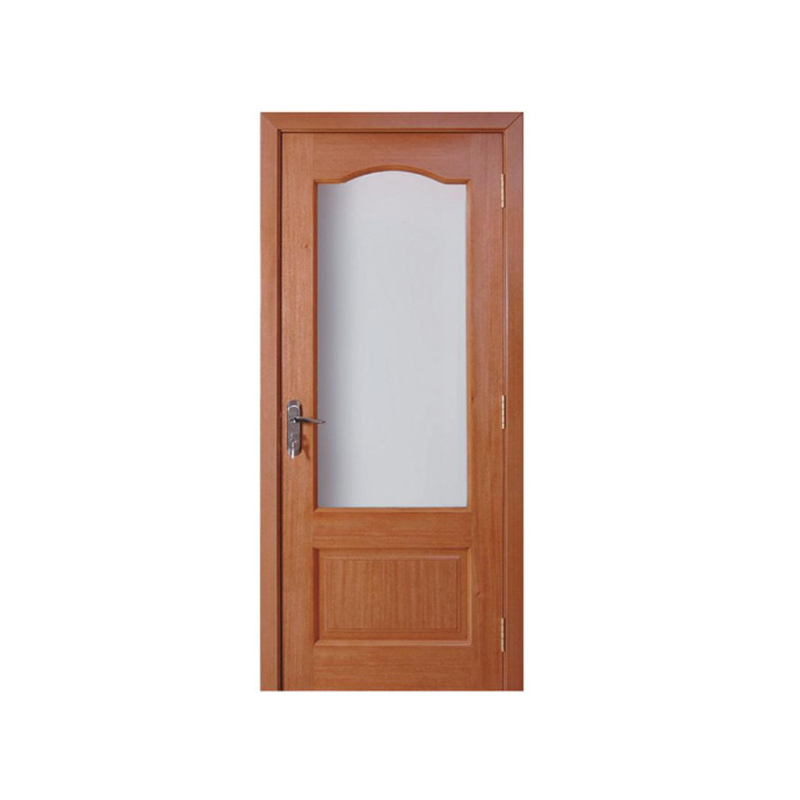
Bedroom doors usually raise the biggest questions. Some homeowners avoid glass completely in sleeping areas, while others use partial glass designs without problems for years.
The answer depends more on layout and daily habits than on the door itself.
A bedroom facing a bright hallway may receive unwanted light late at night through clear glass. Frosted surfaces reduce that effect. Small upper glass sections also help because visibility stays limited during normal movement around the room.
In apartments with limited daylight, Glass Interior Doors sometimes improve comfort during daytime hours. Bedrooms no longer feel disconnected from the rest of the home once light reaches the corridor naturally.
Several situations make glass bedroom doors easier to accept:
Sound becomes another practical issue. Hollow-core Cheap Interior Doors with large glass inserts usually block less noise than heavier solid-core designs. In busy homes, sound transfer may become more noticeable than visual privacy itself.
Door size also matters. Narrow glass strips near the edge create a very different feeling compared with full-height transparent panels.
Natural light changes how a room feels almost immediately. A darker hallway can feel open once daylight reaches it from nearby rooms.
Glass Interior Doors help move light deeper into the home. Sunlight entering from a living room window may continue into corridors, kitchens, or work areas once solid barriers are reduced.
That effect becomes especially useful in apartments where only one side of the home receives strong daylight.
Different glass finishes shape light differently:
Morning and afternoon light also behave differently. At certain angles, sunlight passing through textured glass creates soft patterns across walls or floors. Many homeowners notice those details more after installation because indoor space feels less flat during the day.
Even small inserts change room atmosphere. A narrow glass section beside the handle area may brighten a hallway enough to reduce daytime dependence on lamps.
Not all glass creates the same indoor experience. Material texture changes both appearance and daily comfort.
Clear glass is often used where openness matters more than separation. Living rooms, dining spaces, and studio layouts commonly use it because visibility remains uninterrupted.
Frosted glass appears more often in bedrooms, bathrooms, or workspaces. Light still passes through, though room details stay hidden.
Patterned surfaces add another layer. Some textures distort visibility lightly, while others create decorative shadow movement during daytime.
Tinted glass reduces brightness slightly and creates a calmer visual effect indoors. Darker tones often match modern interiors using muted wall colors or darker flooring.
Interior Door Factory production quality becomes important once glass panels are installed inside wooden frames. Poor alignment may create slight movement sounds during opening and closing.
Frame thickness also affects stability. Thin wooden sections around larger glass inserts may flex gradually after long use.
Glass changes the balance of a door. Lightweight structures may feel different once a panel is added to the center section.
Many Cheap Interior Doors rely on hollow internal construction. That design keeps weight lower, though support around the glass becomes more important over time.
Daily use often reveals small differences:
Not every lightweight door performs poorly. Small glass inserts combined with balanced framing can still work well in ordinary household use.
Problems usually appear when the frame lacks enough support around larger panels. Repeated opening and closing slowly shifts pressure toward corners and hinge areas.
Interior Door Factory assembly quality matters more than decorative appearance in those situations. Straight alignment, stable edge sealing, and balanced internal support often determine how the door behaves after long daily use.
Glass and wood respond differently to humidity and temperature. Once both materials are joined together, assembly precision becomes important.
A properly aligned frame keeps pressure balanced around the glass insert. Uneven assembly may slowly create movement around corners or edges after repeated use.
Wood moisture also affects long-term shape stability. Panels that are not fully stabilized before assembly may shift slightly after installation, especially in humid indoor environments.
Several production details influence how stable the finished door feels later:
Most stability problems do not appear immediately. Small gaps, soft rattling sounds, or uneven closing usually develop gradually through normal household use.
Interior doors use different core structures inside the panel. The filling material changes how the door feels, sounds, and moves.
Hollow-core Cheap Interior Doors remain common because they are lighter and easier to install. For ordinary rooms with low noise levels, they often work well enough.
Solid-core structures feel heavier during movement. Closing action becomes steadier, and sound transfer between rooms usually decreases.
A simple comparison helps explain the difference:
| Filling structure | Door feel | Sound behavior | Movement stability |
|---|---|---|---|
| Hollow core | lighter | more sound transfer | moderate |
| Semi-solid core | balanced | softer indoor noise | stable |
| Solid core | heavier | stronger sound reduction | more controlled |
Large glass panels reduce the amount of internal support available inside the door body. Because of that, heavier core structures often feel more stable once glass becomes part of the design.
Handle position looks like a small detail during purchase, though people notice it every day after installation. The location affects how naturally the door opens, how the hand moves across the surface, and even how safe the glass area feels during use.
On many Glass Interior Doors, the handle is placed farther from the glass edge to reduce stress around the panel section. A narrow wood frame beside the handle area may weaken faster after repeated pulling and pushing.
Daily movement inside small apartments also changes how handle placement feels. In narrow hallways, doors often open while someone carries laundry, bags, or boxes. A poorly positioned handle may force awkward movement near the glass panel.
Several practical situations appear often in homes:
Sliding movement also matters. Some doors open toward furniture or walls, so handle thickness changes how easily the door passes nearby objects.
Over time, the area around the handle usually shows wear earlier than the rest of the surface. Small scratches, fading, or looseness often begin there because the hand touches the same spot every day.
Glass Interior Doors appear in many home styles now, though the feeling changes depending on frame material, color, and glass layout.
Modern apartments often use narrow black or dark frames combined with large glass sections. The room feels visually connected, especially during daytime when sunlight travels across several spaces at once.
Wood-framed glass doors create a softer atmosphere. Natural textures reduce the colder feeling sometimes associated with large glass surfaces.
Several interior styles use glass differently:
In some homes, glass inserts are used only in shared spaces such as kitchens or dining rooms. Bedrooms and private rooms continue using solid panels for stronger separation.
Interior style also changes how large the glass section feels. The same door may appear open and bright in one room, though much more exposed in another depending on wall color, lighting, and surrounding furniture.
Long-term use reveals details that are difficult to notice at first installation. A door may look stable in the beginning, though daily movement slowly changes how parts respond.
Glass itself usually stays visually stable for many years. The surrounding frame experiences more change because wood reacts gradually to indoor humidity and repeated mechanical stress.
In homes where doors stay open most of the day, hinges may wear unevenly because weight pressure remains in one direction constantly. Full glass panels create more concentrated weight compared with smaller inserts.
Several changes appear slowly during regular use:
Cleaning habits also affect appearance. Clear glass shows dust, smudges, and hand marks quickly under direct sunlight. Frosted surfaces hide fingerprints better in everyday conditions.
Cheap Interior Doors with thinner surface layers may show corner wear earlier around the bottom edge, especially in homes with pets or frequent cleaning.
Most homeowners compare glass doors with traditional wood designs before making a final choice. The comparison usually goes beyond appearance.
Solid wood doors create stronger separation between rooms. Sound transfer stays lower, and indoor privacy feels more complete. Some people prefer that enclosed atmosphere, especially in bedrooms or workspaces.
Glass Interior Doors create a different experience. Rooms feel more connected visually, and daylight moves more freely through the home.
The choice often depends on everyday lifestyle rather than decoration alone.
Families with children sometimes prefer visibility between connected rooms. Home offices may benefit from brighter surroundings during daytime hours. Others simply want hallways to feel less closed.
Practical differences become noticeable in daily life:
Door typeIndoor feelingLight movementPrivacy feeling
| Door type | Indoor feeling | Light movement | Privacy feeling |
|---|---|---|---|
| Solid wood door | separated | limited | stronger |
| Partial glass door | balanced | moderate | softer |
| Full glass door | open | strong | reduced |
Many homeowners eventually mix both styles inside the same home rather than choosing only one type.
Different rooms need different levels of visibility, light movement, and sound separation. One door style rarely fits every space equally well.
Living rooms usually accept larger glass areas because privacy demands remain lower. Brightness and openness become more important there.
Bedrooms often work better with frosted inserts, upper glass sections, or smaller vertical panels. Full transparency rarely feels comfortable in sleeping areas unless the room stays isolated from shared household traffic.
Home offices create another balance. Natural light helps the room feel active during daytime, though some visual separation still matters during focused work.
Several room-matching habits appear frequently in real homes:
Door size also affects comfort. Large transparent panels may feel natural in open layouts, though overwhelming in narrow hallways or compact rooms.
Interior Door Factory production quality becomes more noticeable in frequently used spaces. Doors opening dozens of times daily reveal alignment and stability issues much faster than low-use rooms.
Daily behavior changes how long a door remains stable. Fast closing, repeated slamming, or pulling near the glass section creates uneven stress over time.
Children often push doors from the center instead of using the handle. That habit places pressure directly onto glass panels or thinner frame sections. Pets scratching lower surfaces may also wear edges faster in lightweight constructions.
Humidity from kitchens and bathrooms affects nearby doors gradually. Wooden frame sections absorb moisture over long periods, especially around bottom edges and corners.
Simple habits often help maintain stability longer:
Small maintenance usually prevents larger alignment problems later.
Glass Interior Doors continue appearing in modern homes because they change indoor feeling without removing room separation completely. Light travels farther, smaller spaces feel more open, and connected rooms appear less isolated during daytime.
At the same time, homeowners still pay attention to privacy, sound control, and long-term stability. Because of that, many people choose partial glass layouts instead of fully transparent panels.
Cheap Interior Doors can still function well in ordinary home use when frame structure, glass support, and filling material stay balanced properly. Interior Door Factory assembly quality also plays an important role once doors begin facing years of daily opening, closing, humidity, and indoor movement.
In real living spaces, the right balance often comes from combining visibility, comfort, and practical daily habits rather than following one single style direction.
Copyright © Zhejiang Shangpin Bense Home Furnishing Co., Ltd.

Wood Interior Door Manufacturer
 русский
 عربى
عربى Français
 Español