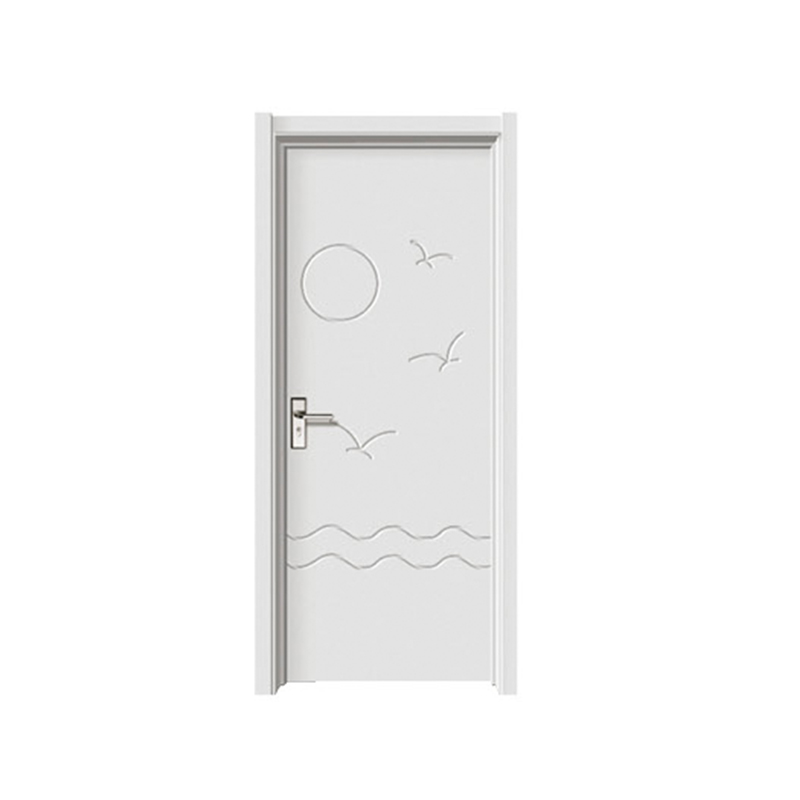


2026-01-23
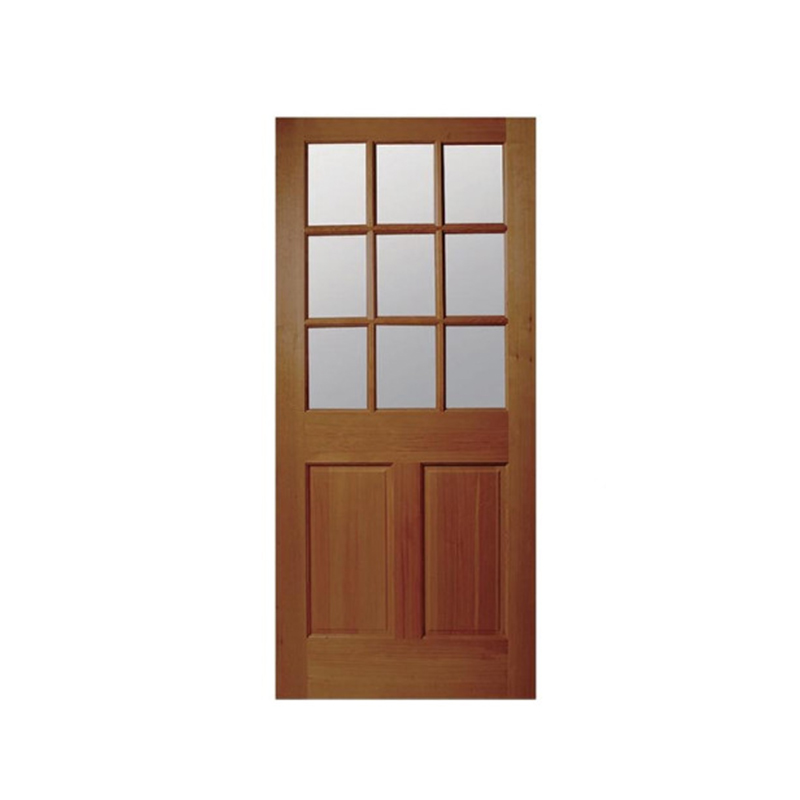
Modern living spaces are evolving faster than ever. Apartments are getting smarter, houses are becoming more flexible, and people care about how materials feel, sound, and age over time. In this context, doors are no longer just barriers between rooms. They influence privacy, comfort, and even daily mood. This shift has quietly changed how a Composite Wooden Door Factory thinks about design, materials, and production.
Instead of focusing only on appearance, manufacturers now need to consider lifestyle patterns, environmental pressure, and long-term use. That's where composite wooden doors start to show their value.
For a long time, interior doors were treated as background elements. As long as they opened and closed smoothly, little else mattered. Today, that assumption no longer holds.
People expect doors to:
A Composite Wooden Door Factory must balance all of these expectations while keeping production practical. This balance has driven innovation not through bold claims, but through quiet improvements in structure and process.
Composite wooden doors are built using multiple materials rather than a single solid wood panel. These materials are combined to achieve stability, consistency, and adaptability.
Common structural layers include:
The goal isn't to replace wood, but to support it. By reducing reliance on thick solid timber, manufacturers can improve yield rates and reduce material stress over time. For a Composite Wooden Door Factory, this approach also allows better control over quality across large batches.
Consistency has become a defining challenge in door manufacturing. Variations in temperature, raw materials, and manual processes can all affect final results.
To address this, many factories have adjusted their workflows:
These steps don't necessarily make production faster, but they make outcomes more predictable. A Composite Wooden Door Factory operating at scale benefits from fewer adjustments during installation and fewer complaints after delivery.
Interior designers often want doors that fit specific styles, but they also prefer not to redesign structural elements every time. Composite construction makes this easier.
Surface options can be changed without altering the core structure. That means:
For manufacturers, this modular approach reduces retooling. For buyers, it means more options without extending production cycles. This flexibility has become a quiet strength of the Composite Wooden Door Factory model.
Sustainability is often discussed, but practical steps matter more than slogans. Composite wooden doors allow more efficient use of raw materials, especially wood fibers and veneers.
From a factory perspective, this can mean:
A Composite Wooden Door Factory can also manage emissions and adhesives more carefully by standardizing formulations. While no material choice is impact-free, controlled processes help reduce unnecessary loss.
Doors are used every day. Small weaknesses show up quickly. Composite wooden doors are designed to handle common issues such as:
By combining different materials, stress is distributed more evenly across the door leaf. This doesn't make doors indestructible, but it does help them maintain shape and function over time. That practical reliability is one reason builders increasingly work with a Composite Wooden Door Factory instead of switching between multiple suppliers.
Below is a brief comparison to highlight structural differences. This is not a ranking, but a way to understand design logic.
| Door Type | Core Structure | Stability Over Time | Design Adaptability |
| Solid Wood Door | Single wood panel | Sensitive to humidity | Limited |
| Hollow Core Door | Lightweight frame | Moderate | Moderate |
| Composite Wooden Door | Multi-layer engineered core | More consistent | High |
This comparison shows why composite structures are often chosen for modern residential and commercial projects.
Another shift is how factories interact with partners. Instead of simply fulfilling orders, many now work earlier in the project timeline.
A Composite Wooden Door Factory may provide:
This collaboration reduces mismatches during installation. It also helps align expectations between designers, contractors, and end users.
One interesting trend is the absence of dramatic marketing language. Improvements often happen in small steps:
These changes rarely appear in brochures, but they affect daily performance. For a Composite Wooden Door Factory, progress is measured more by reduced returns than by bold descriptions.
The future of door manufacturing is unlikely to be defined by sudden breakthroughs. Instead, gradual adaptation will continue to shape the industry.
We can expect factories to focus on:
As living spaces continue to change, doors will quietly follow. A Composite Wooden Door Factory that understands this rhythm is better positioned to meet real-world needs without unnecessary complexity.
Composite wooden doors reflect a broader shift in how building products are made and used. They are not about extremes or exaggerated promises. They are about balance—between material efficiency, design freedom, and daily reliability.
By paying attention to how people live, work, and move through spaces, the Composite Wooden Door Factory becomes more than a production site. It becomes part of the ongoing conversation between architecture, materials, and everyday life.
Copyright © Zhejiang Shangpin Bense Home Furnishing Co., Ltd.

Wood Interior Door Manufacturer
 русский
 عربى
عربى Français
 Español