

2026-01-23
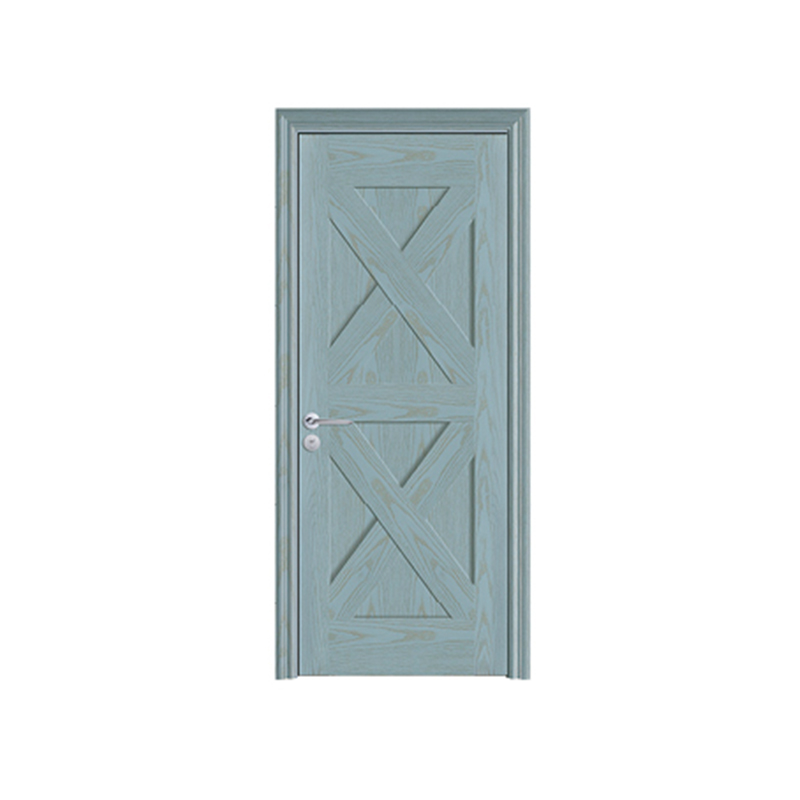
When people talk about interior design, doors rarely steal the spotlight. Walls, lighting, and furniture usually get all the attention, while doors are treated as background elements that simply open and close. But that mindset is slowly changing. Designers, builders, and homeowners are starting to see doors as part of the visual story of a space. In that shift, the Veneer Painted Door has found a rather interesting position—quietly flexible, visually adaptable, and surprisingly expressive.
Instead of choosing between natural wood texture or a clean painted surface, this type of door blends both ideas. It uses a veneer base for structure and stability, then adds paint as a design layer. The result is not flashy, but it has depth. Let's take a closer look at why this approach to doors is getting noticed, and how it fits into modern interiors without trying too hard.
Traditionally, doors were either solid wood, veneered, or painted MDF. Each option had its own look and purpose. What's different now is the expectation placed on doors. They're no longer just barriers between rooms; they're visual transitions.
A Veneer Painted Door sits comfortably in this new role. It doesn't shout for attention, yet it doesn't disappear either. The painted surface gives designers control over color, while the veneer underneath contributes to a sense of material presence. That balance is part of its appeal.
At a basic level, this door type is built around a core (often engineered wood), covered with a thin layer of natural veneer, and then finished with paint. That might sound simple, but the combination matters.
Because of this structure, a Veneer Painted Door often feels more substantial than a fully synthetic alternative, while still offering design freedom.
One reason designers lean toward this door style is flexibility. Paint gives them a wide palette to work with, and veneer provides a reliable foundation. Together, they make it easier to adapt a door to different interior themes.
For example, in a minimalist apartment, muted tones like warm gray or soft beige can help doors blend into the walls. In contrast, a bold color in a creative studio can turn the door into a visual accent without changing its construction.
Another factor is consistency. When multiple doors appear in a single space—bedrooms, storage rooms, offices—a Veneer Painted Door can maintain a unified look while still handling daily use.
Beyond appearance, there are a few practical reasons this door type keeps showing up in projects.
These points may not be headline features, but over time they make a difference in both residential and commercial settings.
Here's a quick look at how different door constructions stack up in everyday use. This isn't about ranking, just about understanding differences.
| Door Type | Visual Flexibility | Material Feel | Typical Use Cases |
| Solid Wood Door | Limited to wood tones | Strong wood presence | Traditional homes |
| Painted MDF Door | High color freedom | Flat, uniform | Apartments, offices |
| Veneer Door (Clear Finish) | Natural look | Visible grain | Hotels, villas |
| Veneer Painted Door | Balanced and adaptable | Subtle material depth | Mixed-style interiors |
This balance is exactly why some designers keep returning to the Veneer Painted Door when they need something adaptable without overcomplicating the space.
Paint color on a door influences how a room feels, even if people don't consciously notice it. Light tones can make narrow corridors feel more open, while darker shades can add a sense of privacy or separation.
With a Veneer Painted Door, color becomes part of spatial planning. Matching the door to wall color can visually “erase” it, while a contrasting shade can frame entrances without changing the door's structure. This makes it easier to refresh interiors later without replacing the door itself.
You'll often see this door style in places where design needs to stay calm but intentional.
In these contexts, a Veneer Painted Door supports the overall design rather than competing with it.
While sustainability is a complex topic, veneer-based products often make more efficient use of wood resources. By using thin layers of wood over engineered cores, manufacturers reduce the amount of solid timber required.
Painting also extends the usable life of the door. When design trends shift, the surface can be updated instead of replaced. That kind of adaptability fits well with long-term interior planning.
From an installer's perspective, this door type doesn't usually require special treatment. Standard hinges, frames, and hardware work just fine. What matters more is proper handling during installation to protect the painted surface.
Over time, daily use will leave marks on any door. The advantage here is that small scratches or scuffs are often easier to address, especially when compared with clear-finished wood surfaces.
Interior design isn't always about bold statements. Sometimes it's about choosing elements that quietly support the space for years. The Veneer Painted Door fits into that mindset. It doesn't rely on dramatic grain patterns or complex finishes. Instead, it offers a thoughtful mix of material and color.
As more projects aim for adaptable, calm interiors, this door type is likely to remain part of the conversation—not as a trend, but as a practical design solution that feels at home in many settings.
So next time doors come up in a design discussion, it might be worth asking whether a Veneer Painted Door could do more than just close a room.
Copyright © Zhejiang Shangpin Bense Home Furnishing Co., Ltd.

Wood Interior Door Manufacturer
 русский
 عربى
عربى Français
 Español