

2026-01-23
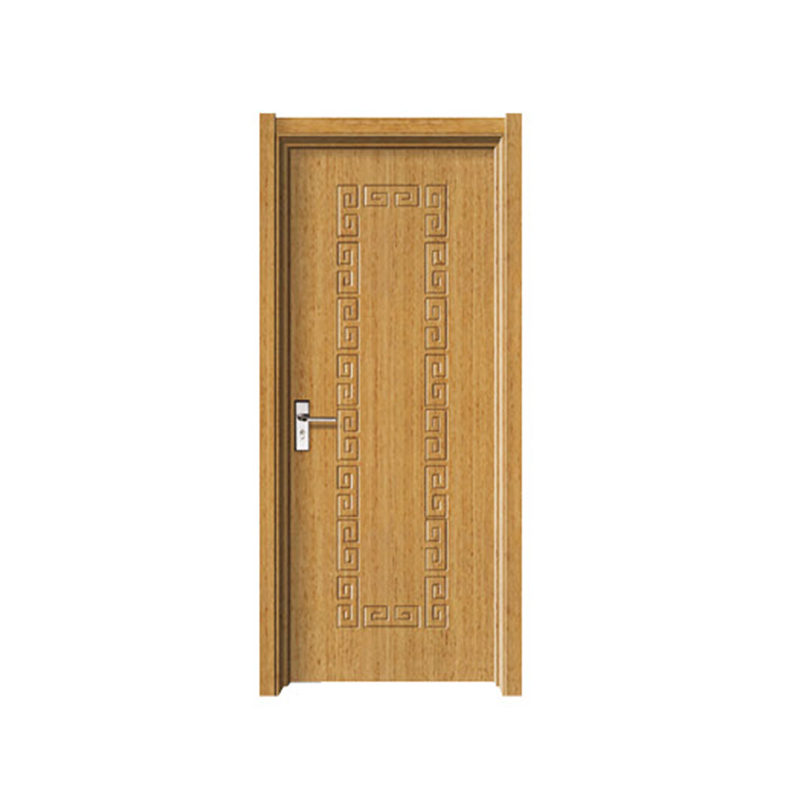
Interior doors rarely get the spotlight, yet they quietly shape how a space feels and functions. In recent years, designers, contractors, and homeowners have started to look beyond traditional solid wood options and explore materials that balance appearance, cost, and daily practicality. This shift has brought the PVC MDF Door into more conversations, not as a loud trend, but as a flexible solution that fits changing lifestyles. Instead of asking whether it is “good enough,” a more interesting question is how this type of door changes expectations around design, maintenance, and long-term use.
Interior doors used to be treated as background elements. As long as they opened and closed, little attention was paid to their material or finish. That mindset is changing. Open-plan homes, rental apartments, and mixed-use buildings all demand doors that blend into a wider design language.
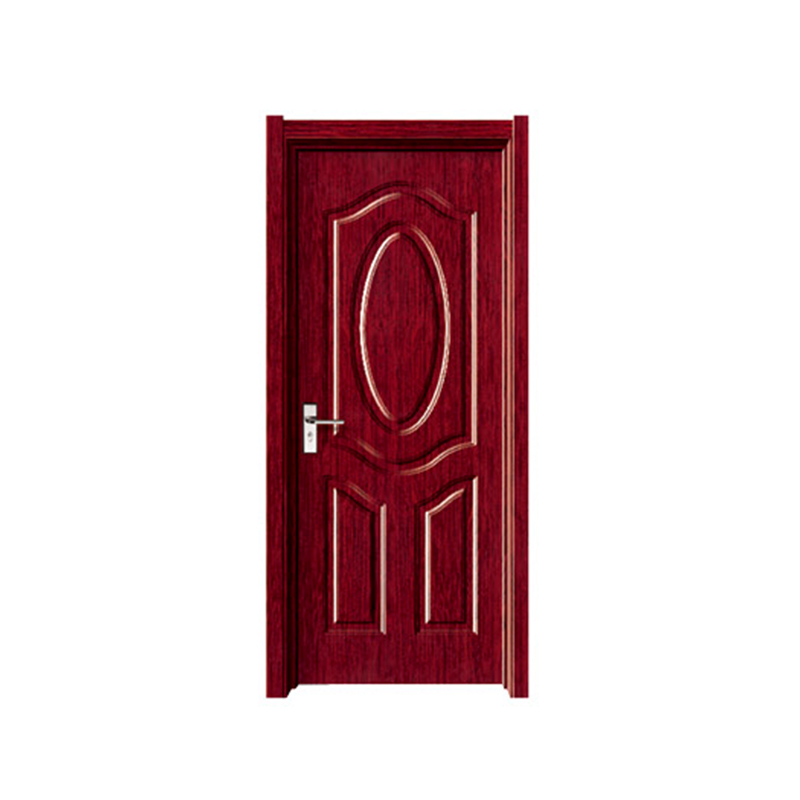
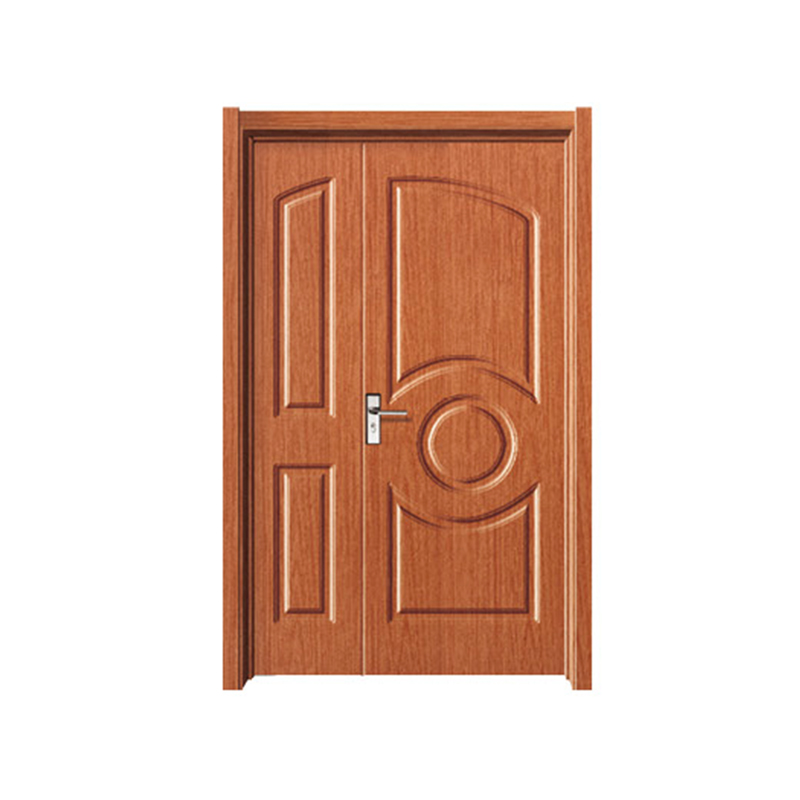
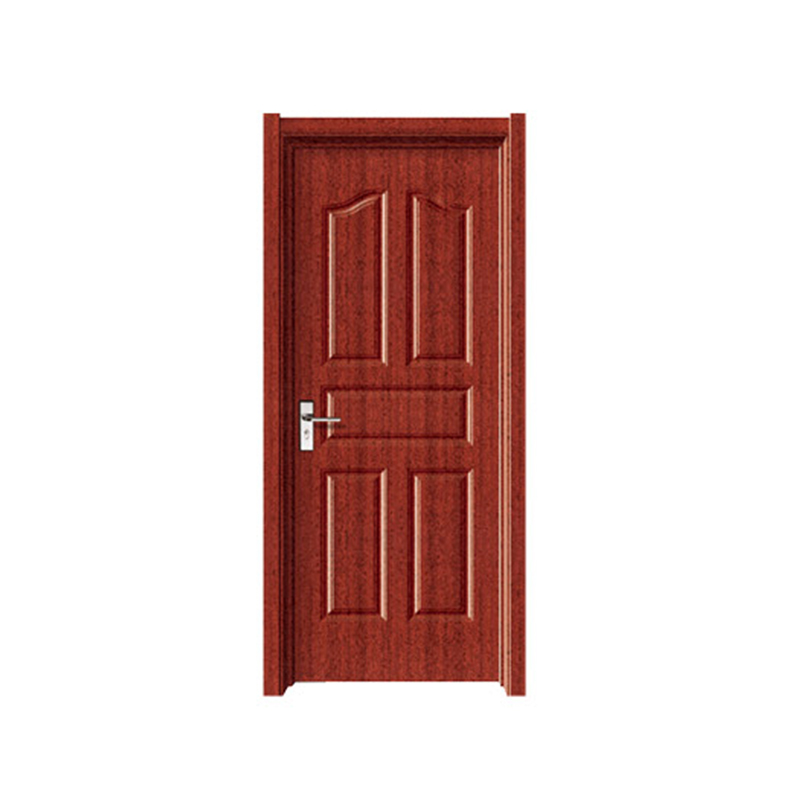
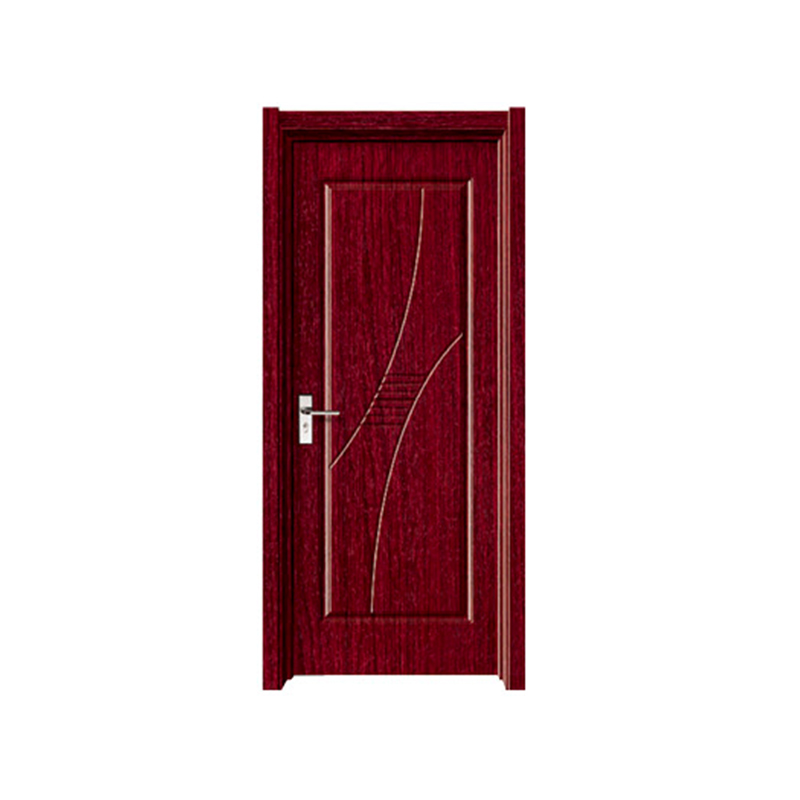
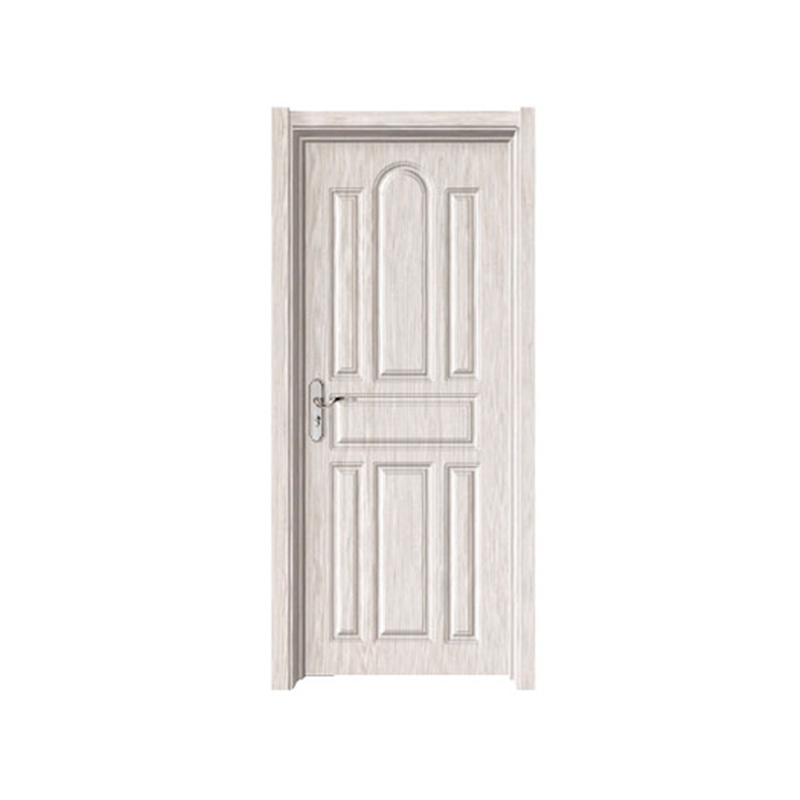
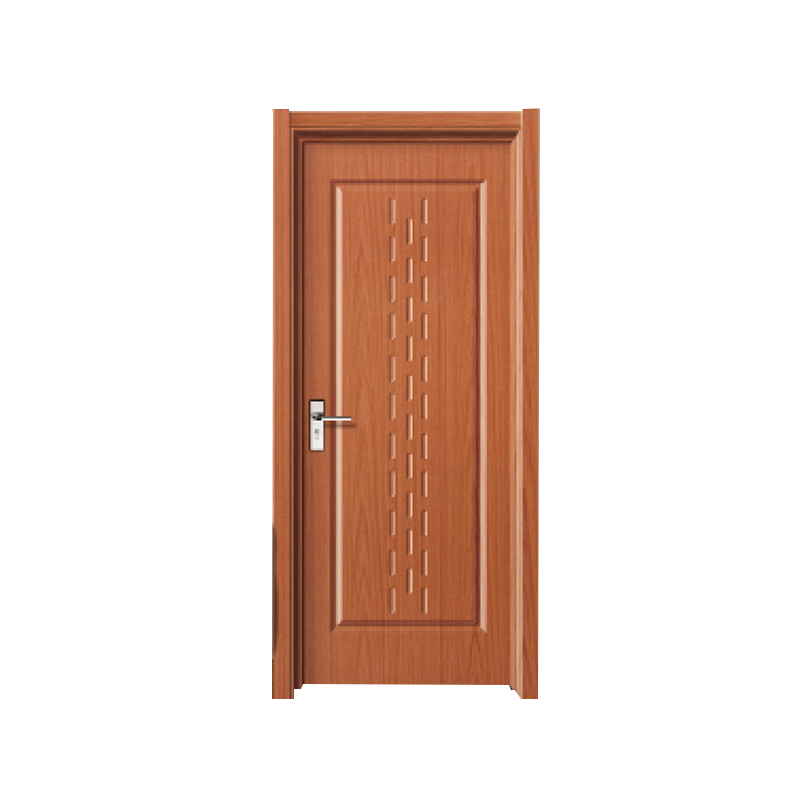
A PVC MDF Door works well in this context because it starts with MDF, a material known for its smooth surface and stable structure. The PVC layer wraps that core, adding resistance to moisture and daily wear. This combination allows designers to play with finishes, colors, and panel shapes without relying on natural wood grain. The result is a door that supports creative layouts while staying practical.
Material choice is not just about looks. It affects sound control, cleaning routines, and how a door reacts to climate changes. Solid wood can swell or shrink, especially in areas with humidity swings. Metal doors may feel cold or industrial in residential settings.
The appeal of a PVC MDF Door lies in balance. MDF offers density that helps with sound reduction, while the PVC surface provides a layer that is easy to wipe down. In family homes, rental units, or hospitality spaces, this balance reduces maintenance pressure without sacrificing visual consistency.
Modern living often involves quick transitions between work, rest, and social time, all within the same space. Doors need to support that flow rather than interrupt it. Heavy doors can feel imposing, while lightweight hollow doors may seem flimsy.
Because of its internal structure, a PVC MDF Door usually delivers a reassuring feel when opened or closed, without excessive weight. This makes it suitable for bedrooms, studies, and even kitchens where frequent use is expected. It does its job quietly, which is exactly what many people want from an interior door.
Customization used to mean long production cycles and higher budgets. That is changing as manufacturers refine surface treatments and molding techniques. With MDF as a base, grooves and patterns can be shaped with precision. The PVC layer then seals and protects those details.
This process allows a PVC MDF Door to appear in minimalist flats, classic villas, or commercial interiors with equal ease. From flat panels to subtle raised designs, the door adapts to its surroundings rather than forcing a specific style.
Below is a simple comparison to show how this door type sits among common interior door materials:
| Feature | Solid Wood Door | Hollow Core Door | PVC MDF Door |
| Surface stability | Affected by humidity | Generally stable | Stable with PVC layer |
| Maintenance effort | Periodic care needed | Low | Low |
| Design flexibility | Limited by grain | Limited | High |
| Cost control | Variable | Budget-friendly | Mid-range |
This table is not about ranking options, but about showing where different materials naturally fit.
Installation plays a role in how a door performs over time. MDF-based doors are usually consistent in thickness and shape, which simplifies fitting. Hinges align more easily, and gaps remain even. Once installed, the PVC surface protects the core from minor impacts and splashes.
A PVC MDF Door is often chosen for apartments and hotels for this reason. Over years of use, it maintains a steady appearance, reducing the need for frequent replacement. This consistency supports both cost planning and visual harmony across multiple units.
Sustainability discussions now extend beyond raw materials to include lifespan and replacement cycles. MDF is typically made from wood fibers that come from managed sources or by-products of other processes. When paired with a durable surface, the overall product can stay in use longer.
While no material choice is free from environmental impact, a PVC MDF Door can contribute to reduced waste by avoiding early disposal due to warping or surface damage. Longevity becomes part of the sustainability story, even in everyday building components.
This door style is not limited to one setting. It appears in residential projects, student housing, office interiors, and hospitality spaces. The common thread is a need for visual consistency, manageable upkeep, and predictable performance.
In renovation projects, swapping older doors for a PVC MDF Door can quickly refresh an interior without altering walls or layouts. It is a small change that often delivers a noticeable difference in how a space feels.
Value is often reduced to numbers, yet real value includes time saved on cleaning, fewer repairs, and a door that continues to look appropriate as interior trends shift. Instead of chasing dramatic statements, many projects benefit from components that quietly support the whole design.
Seen through this lens, a PVC MDF Door is less about standing out and more about fitting in with intention. It supports evolving lifestyles, adapts to different spaces, and stays visually calm over years of use.
Interior doors may never be the main topic in design magazines, but their influence is undeniable. By combining a stable core with a protective surface, the PVC MDF Door offers a thoughtful response to modern interior needs. It does not aim to impress through extremes; instead, it focuses on balance, adaptability, and steady performance. And sometimes, that quiet reliability is exactly what a space needs.
Copyright © Zhejiang Shangpin Bense Home Furnishing Co., Ltd.

Wood Interior Door Manufacturer
 русский
 عربى
عربى Français
 Español