

2026-01-23
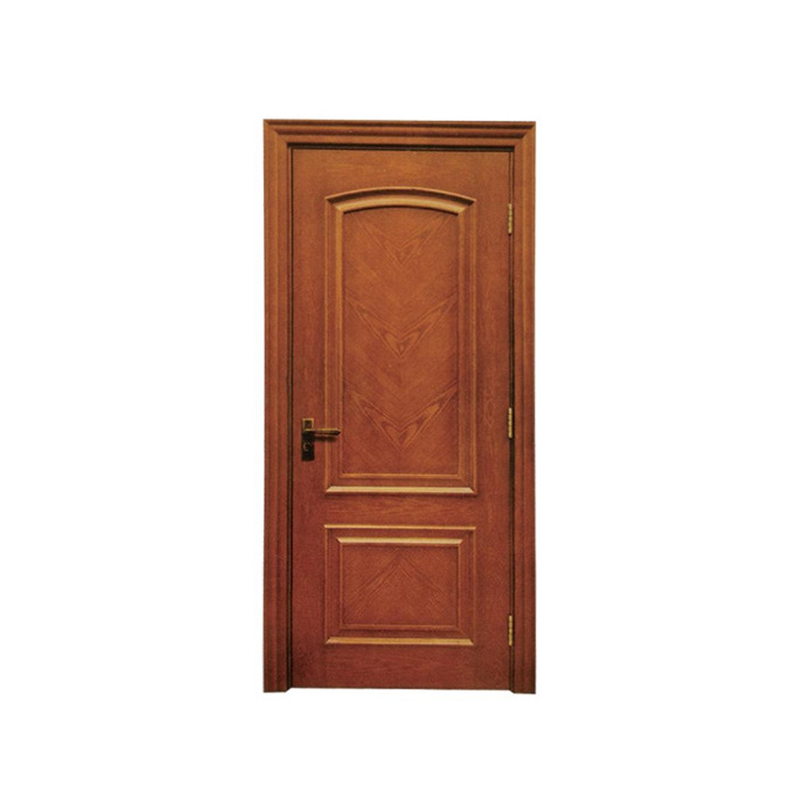
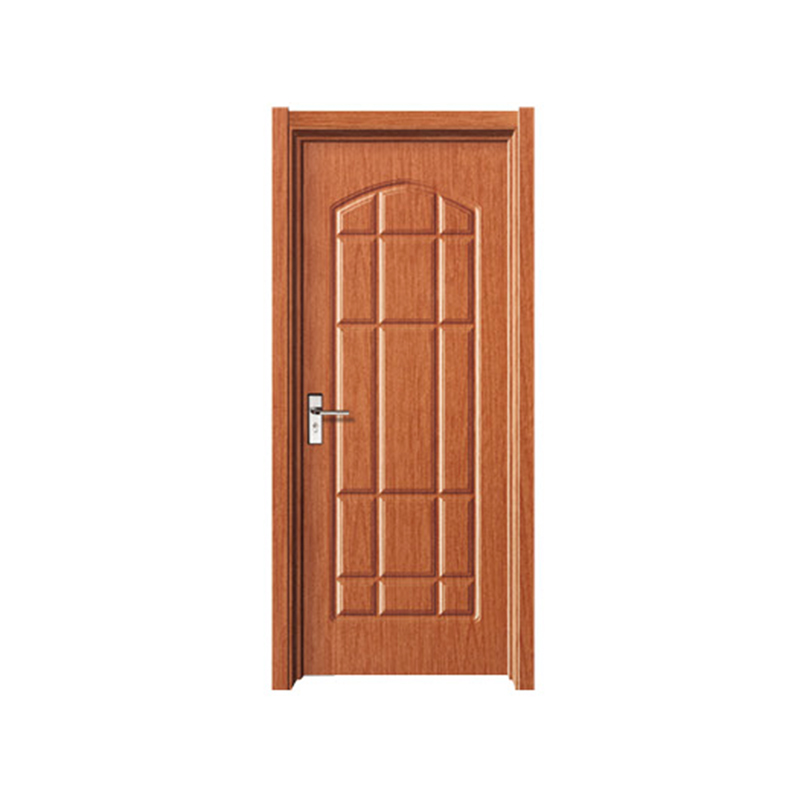
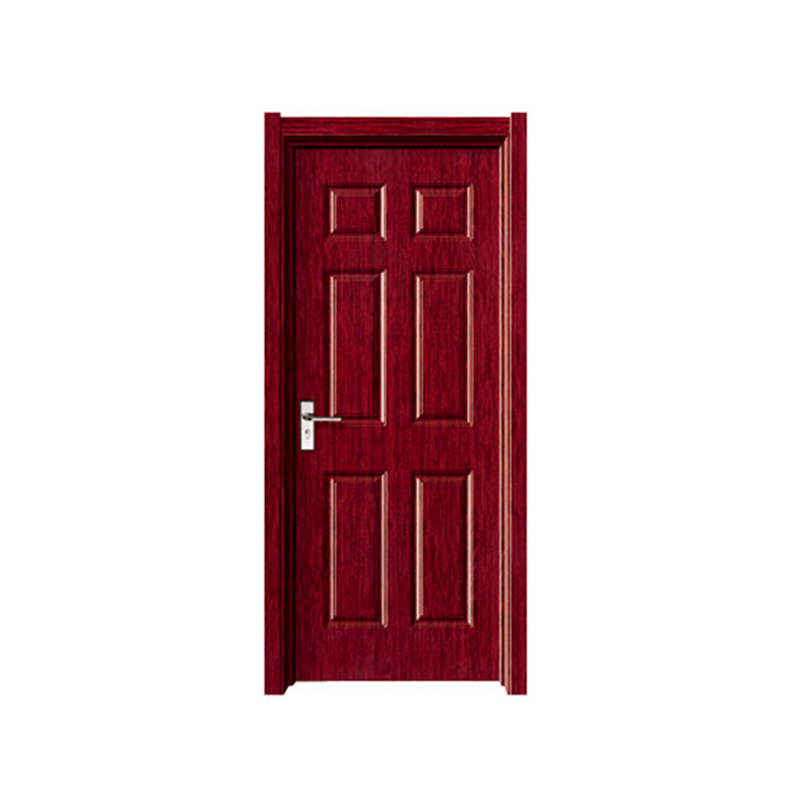
When people talk about modern buildings, the focus often lands on glass walls, smart systems, and minimalist lines. Yet one element quietly continues to influence how spaces feel and function: the Wooden Door. Far from being just a boundary between rooms, it carries cultural memory, practical value, and emotional weight. Looking at it from a fresh angle reveals how something so familiar still adapts to changing lifestyles.
A door is usually the first object we touch when entering a space and the last when leaving. The texture, weight, and sound of a Wooden Door subtly affect our mood. A solid panel closing with a soft thud feels different from a hollow surface or a metal sheet. This sensory interaction explains why wood remains relevant even as materials evolve.
Wood has a natural warmth that doesn't rely on decoration. Whether smooth or visibly grained, it brings a sense of calm that fits both private homes and shared spaces like studios or small offices. In daily routines, these small emotional cues add up.
Across regions, doors have long carried symbolic meaning. In many cultures, wooden entrances were carved, painted, or reinforced to express protection, welcome, or status. Even today, a Wooden Door can quietly reflect local traditions without appearing old-fashioned.
For example:
These meanings don't need explanation; they're felt instinctively.
Modern living spaces are more flexible than before. Homes double as workspaces, and rooms shift functions throughout the day. This has changed how doors are designed and used.
A Wooden Door now often supports:
Instead of being a fixed statement, the door becomes a quiet supporter of movement and change.
Beyond aesthetics, doors serve clear functional purposes. Wood performs well when treated and constructed properly, offering reliable insulation and sound control. This is one reason the Wooden Door remains common in residential and light commercial settings.
Here's a simple comparison to show where wood fits today:
| Feature | Wooden Door | Metal Door | Glass Door |
| Visual warmth | Natural and balanced | Industrial | Minimal and open |
| Sound control | Moderate to strong | Strong | Limited |
| Custom finish options | Wide range | Limited | Moderate |
| Repair flexibility | Relatively easy | Often complex | Replacement-focused |
This balance of appearance and function explains its continued use across different building styles.
Sustainability discussions often feel technical, but wood offers a straightforward story. When sourced responsibly, it remains one of the more renewable building materials. A Wooden Door can also be refinished instead of replaced, extending its usable life.
In practice, this means:
Rather than chasing trends, many designers now value materials that age gracefully.
Mass production dominates construction, yet doors are one place where craftsmanship still shows. Grain selection, joint accuracy, and surface treatment all influence how a Wooden Door performs years later.
Even in factory-made products, attention to detail matters. A well-finished edge or properly balanced core doesn't stand out at first glance, but it shapes long-term use. This quiet reliability is often what users appreciate most.
Doors don't just divide rooms; they define personal space. Closing a Wooden Door can signal focus, rest, or privacy without words. In shared homes or busy workplaces, this physical boundary helps manage emotional boundaries as well.
Unlike transparent materials, wood offers visual calm. It allows people to disconnect when needed, which has become increasingly important in dense living environments.
The future of the Wooden Door isn't about dramatic reinvention. Instead, it lies in subtle improvements: better surface treatments, thoughtful combinations with other materials, and designs that respect how people actually live.
As architecture continues to evolve, familiar elements that adapt quietly may matter more than bold statements. The wooden door, grounded and adaptable, seems well-suited for that role.
In a world full of fast changes, some elements endure by adjusting rather than disappearing. The Wooden Door remains part of daily life not because of nostalgia, but because it continues to serve both practical and emotional needs. It doesn't demand attention, yet it shapes experiences every day—one opening and closing at a time.
Copyright © Zhejiang Shangpin Bense Home Furnishing Co., Ltd.

Wood Interior Door Manufacturer
 русский
 عربى
عربى Français
 Español