

2026-01-27
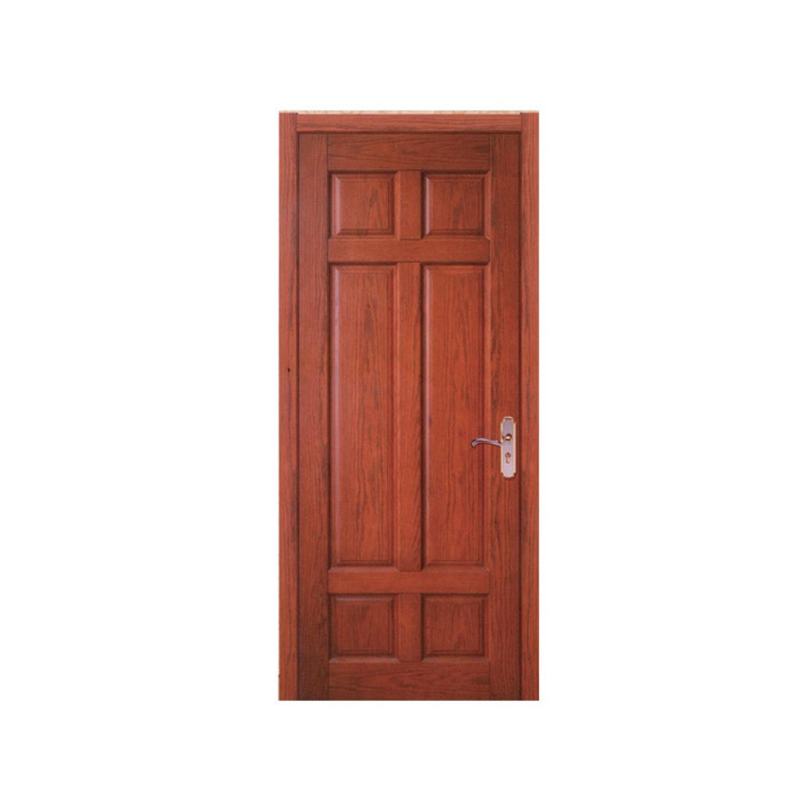
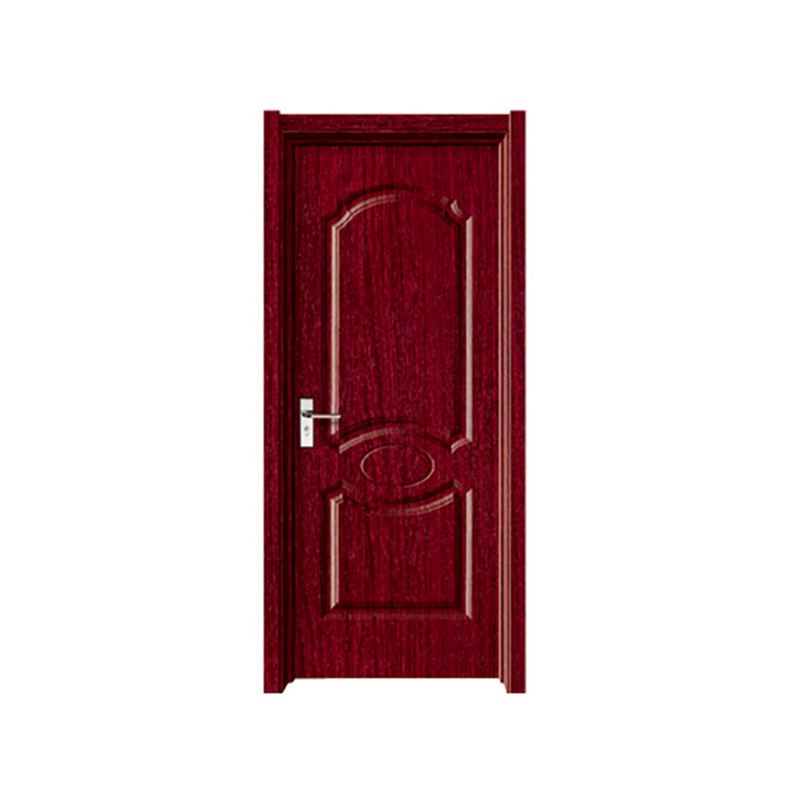
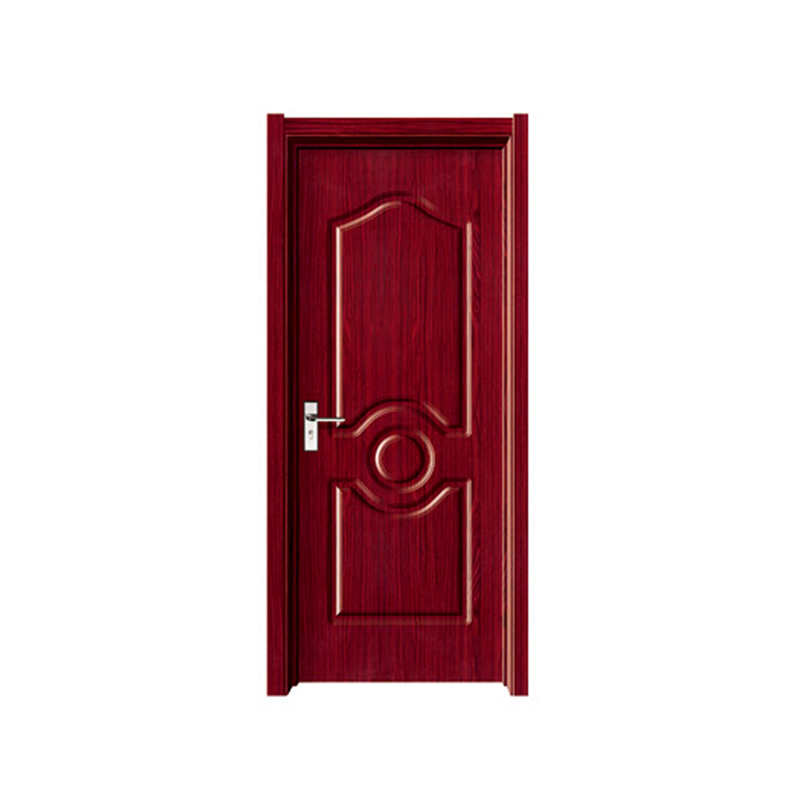
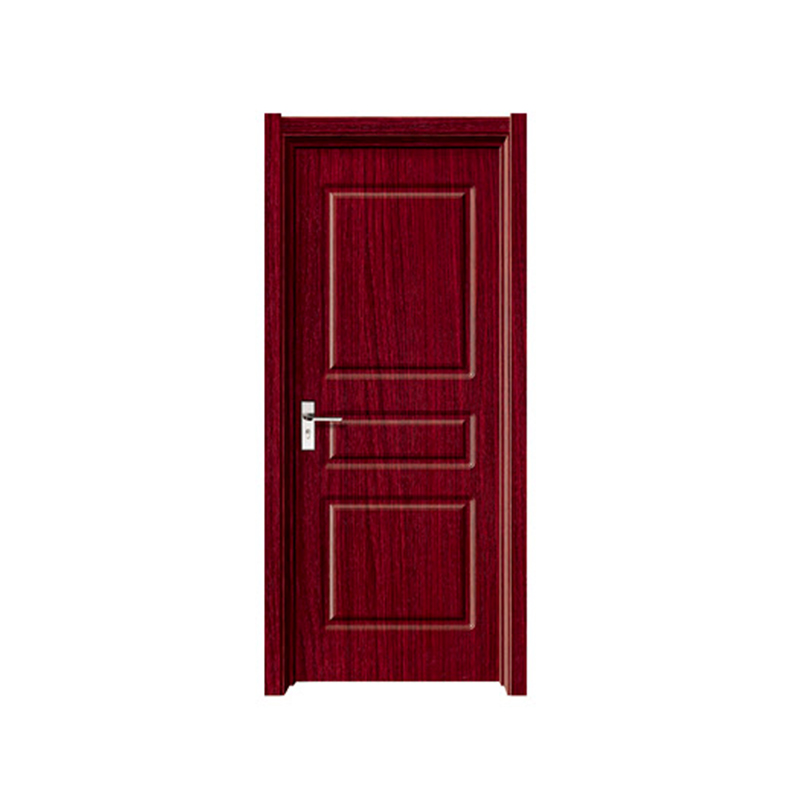
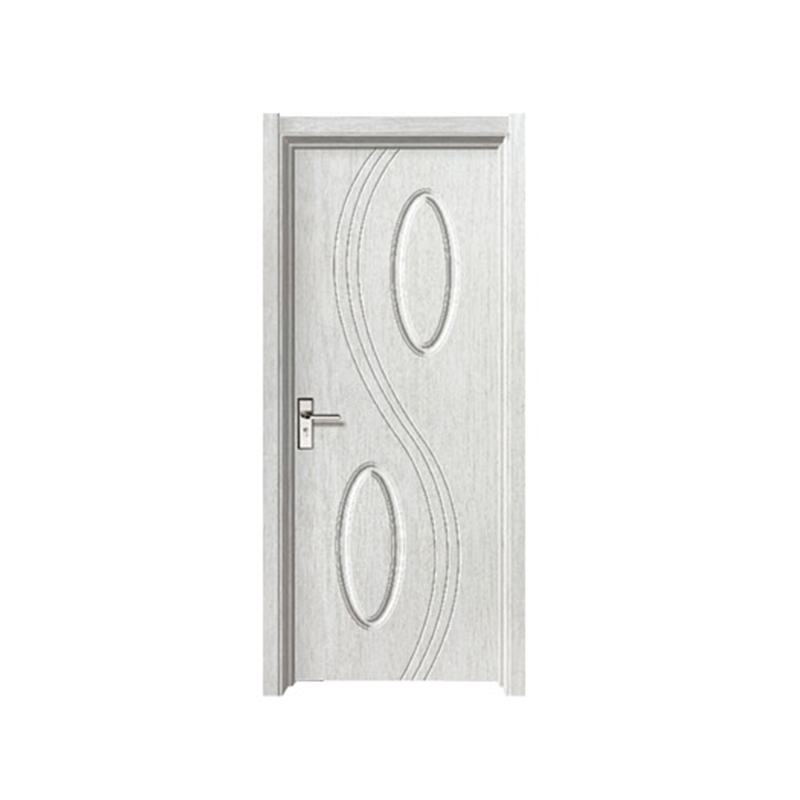
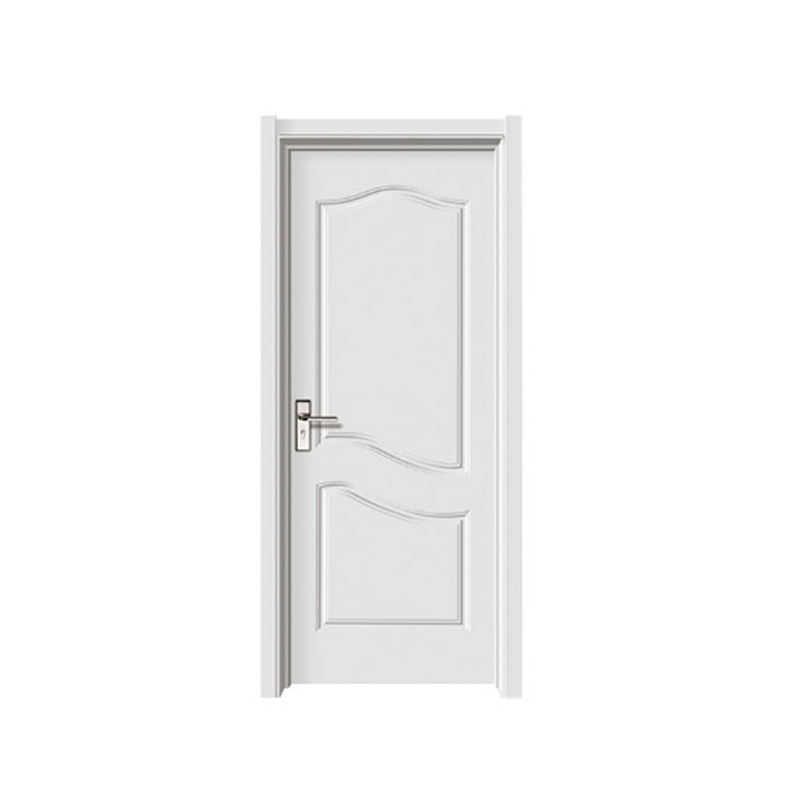
Interior doors are expected to do more than close off rooms. They need to handle frequent use, stay visually consistent, and fit within controlled budgets. In this context, the PVC MDF Door has become a common option across residential and commercial interiors. Its growing presence is not about visual impact alone, but about how materials and manufacturing choices respond to everyday conditions.
A PVC MDF door combines an MDF core with a PVC-based surface layer. MDF provides a dense, uniform base that is easy to machine, while the PVC layer acts as a protective skin. This combination allows manufacturers to achieve smooth surfaces, clean edges, and repeatable dimensions.
Unlike solid wood doors, a PVC MDF Door does not rely on natural grain patterns for stability. This makes it easier to control thickness and flatness during production, which is especially useful in large projects where consistency matters more than material variation.
PVC finishes are often chosen for their practical benefits rather than decorative value. The surface resists moisture better than traditional paint and is easier to clean with basic household products. In environments such as rental apartments, offices, or student housing, this can reduce long-term maintenance needs.
A PVC MDF Door also performs well in spaces where doors are frequently handled. Finger marks and light surface stains are less visible compared to painted finishes, helping doors maintain a tidy appearance over time without frequent touch-ups.
From a design perspective, PVC films support a wide range of styles. Wood-look textures, matte colors, and neutral tones can all be achieved without additional surface treatments. This simplifies factory processes and shortens production cycles.
Designers often choose a PVC MDF Door when they need visual consistency across multiple rooms or units. Because the finish is applied under controlled conditions, color variation between doors is limited, which supports cohesive interior layouts.
While PVC MDF doors offer practical advantages, they are not universal solutions. MDF remains sensitive to prolonged water exposure, and PVC surfaces can soften under extreme heat. For this reason, these doors are typically recommended for interior use in climate-controlled environments.
A well-manufactured PVC MDF Door performs reliably in bedrooms, living areas, offices, and similar spaces. It is less suitable for exterior openings or areas with direct exposure to water, such as wet rooms without proper ventilation.
The table below outlines how this door type is commonly positioned among interior options:
| Door Type | Key Strengths | Typical Applications |
| Solid wood door | Natural texture, repairable | Private residences |
| Painted MDF door | Smooth surface, flexible color | Offices, apartments |
| PVC MDF Door | Easy cleaning, stable finish | Rentals, hotels, workspaces |
From an installer's point of view, MDF-based doors offer predictable handling. Uniform density allows for precise hinge and lock machining, which reduces on-site adjustments. This predictability becomes more valuable as project size increases.
For developers, choosing a PVC MDF Door can help keep schedules under control. Factory-applied finishes remove the need for on-site painting, lowering labor demands and reducing variability between units.
Maintenance is often overlooked during material selection, yet it strongly affects long-term cost. PVC surfaces generally require only basic cleaning, and minor wear tends to be less noticeable than on painted doors.
If damage occurs, replacing a PVC MDF Door is usually straightforward due to standardized sizing and availability. This makes it easier for property managers to maintain consistent interiors without custom reorders.
The continued use of the PVC MDF Door reflects a broader shift toward materials that balance appearance with practicality. It does not attempt to replicate the character of solid wood, nor does it rely on decorative finishes alone. Instead, it offers a controlled, repeatable solution for interiors that experience daily use.
As interior projects place greater emphasis on efficiency, durability, and visual consistency, this door type remains relevant not because it stands out, but because it works reliably within real-world conditions.
Copyright © Zhejiang Shangpin Bense Home Furnishing Co., Ltd.

Wood Interior Door Manufacturer
 русский
 عربى
عربى Français
 Español