

2026-01-23
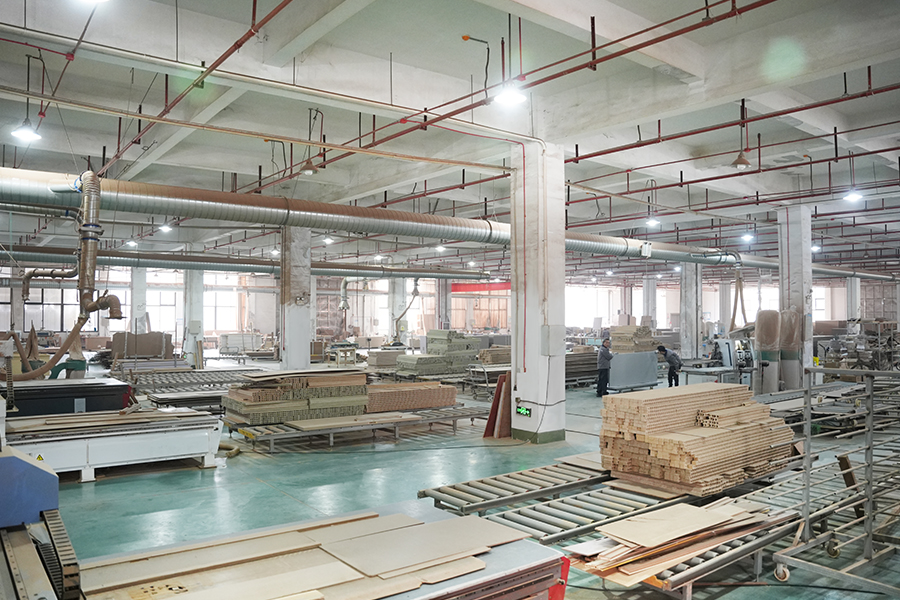
As building projects become more diverse, interior components are expected to adapt rather than dictate design choices. Doors, in particular, must respond to variations in layout, usage frequency, and visual style. This shift has pushed the Composite Wooden Door Factory into a more flexible and solution-oriented role. Instead of supplying standardized products alone, factories are now adjusting structures, finishes, and workflows to support customized project demands.
In the past, customization was often limited to color or veneer selection. Today, buyers frequently request adjustments in door thickness, core structure, acoustic performance, or edge detailing. These requirements are common not only in high-end projects but also in residential developments and mixed-use buildings.
A modern Composite Wooden Door Factory typically prepares modular internal structures that can be adapted without redesigning the entire door. By altering core density, reinforcement layout, or surface layers, factories can respond to varied specifications while keeping production efficient.
One advantage of composite construction is that the internal structure can be tailored to function rather than appearance. Sound control, impact resistance, and weight management are often addressed inside the door leaf, leaving the exterior finish free to follow design preferences.
For example, a Composite Wooden Door Factory may offer different core options under the same veneer or painted surface. This allows doors across a project to look consistent while serving different functional roles, such as bedrooms, corridors, or service areas.
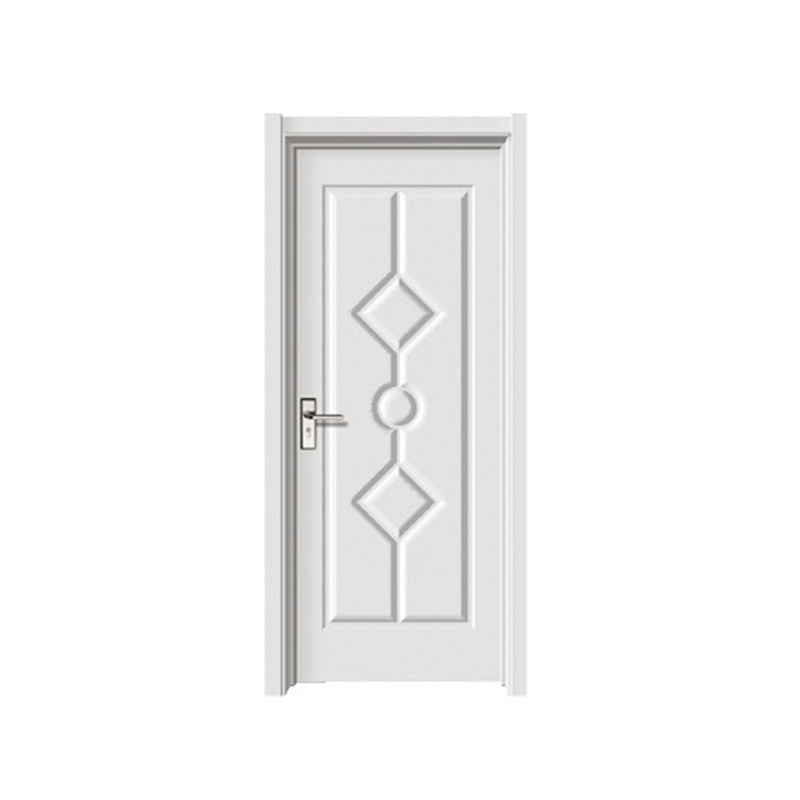
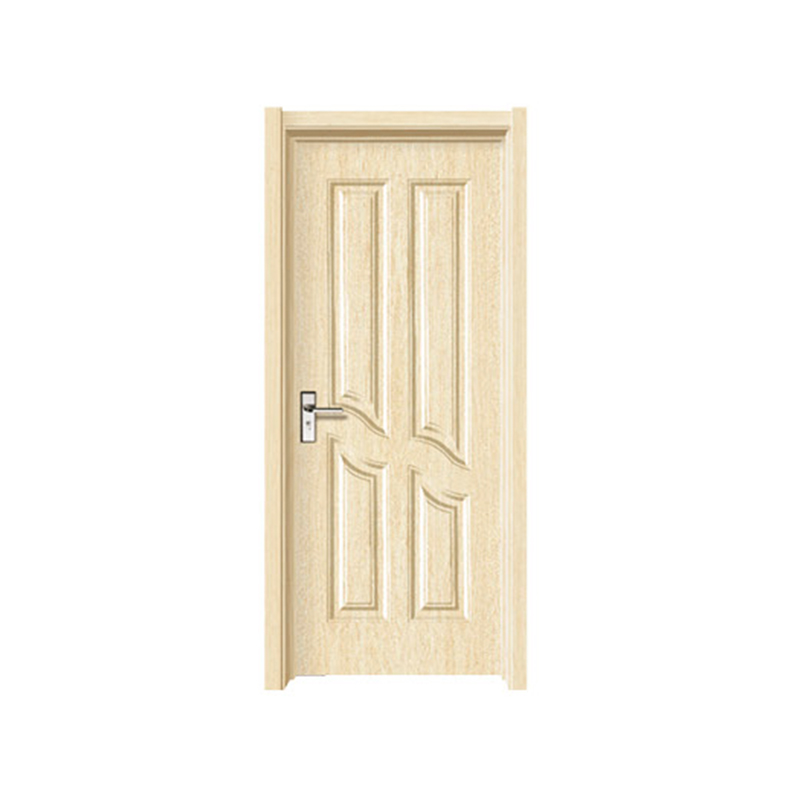
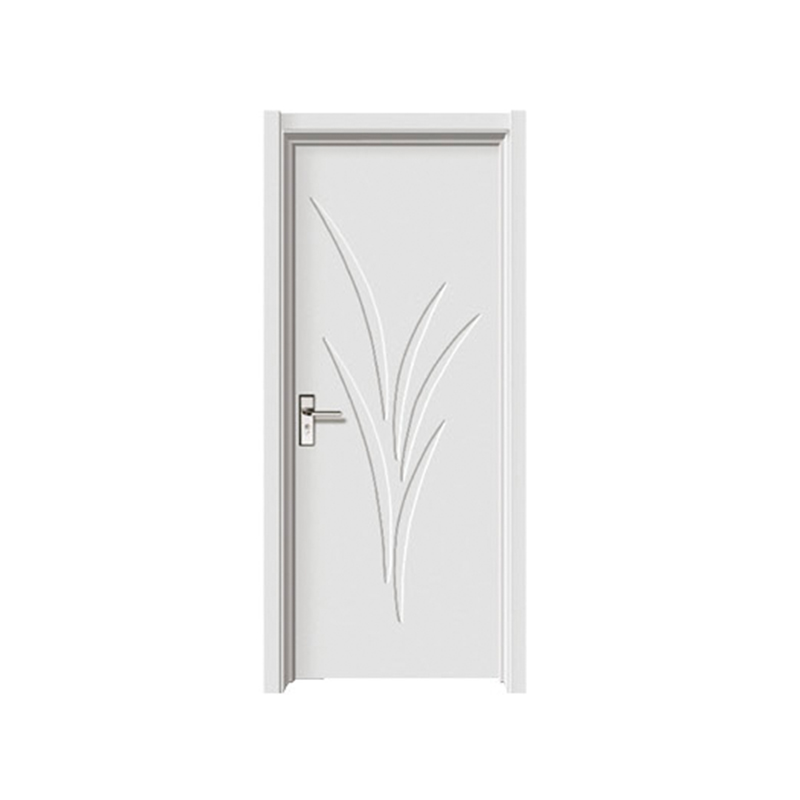
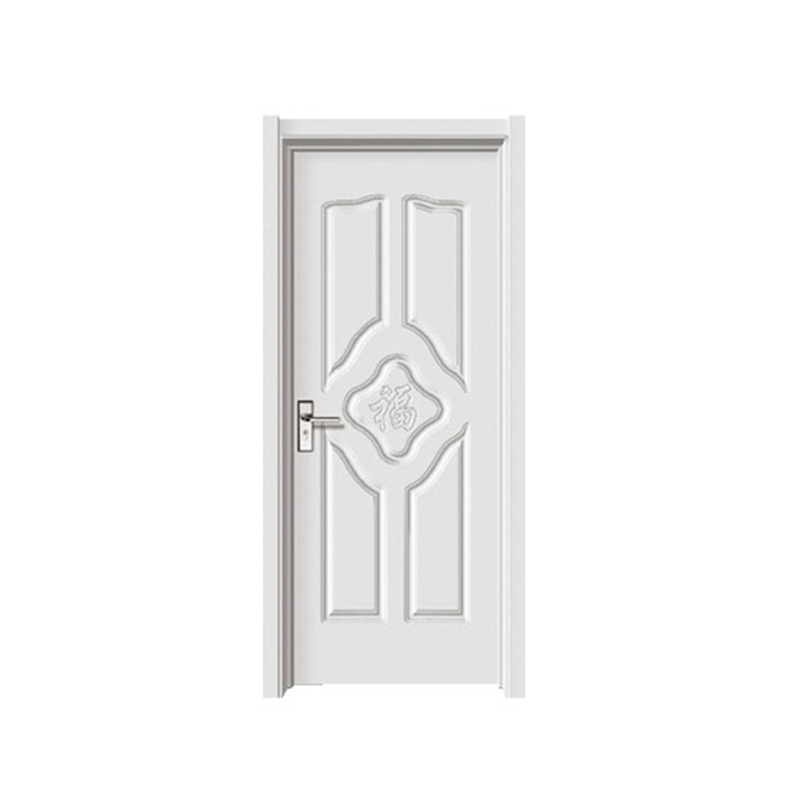
Surface finishing remains one of the most visible customization elements. Composite doors support a wide range of finishes, including veneer, laminate, paint, and PVC films. These finishes can be applied to similar base structures, which simplifies coordination across large orders.
Rather than focusing on decorative impact alone, a Composite Wooden Door Factory often works with buyers to select finishes that balance appearance with maintenance needs. In high-traffic areas, this might mean choosing surfaces that resist frequent cleaning, while private spaces allow for more texture or detail.
Customization introduces complexity, especially when projects involve dozens of door types. To manage this, factories rely on standardized components combined with flexible assembly processes.
A well-organized Composite Wooden Door Factory usually separates fixed elements, such as core formats, from variable elements like surface finish and machining details. This reduces errors and shortens lead times, even when orders include multiple configurations.
The table below shows how factories typically balance customization with production control:
| Custom Requirement | Factory Adjustment Strategy |
| Different door weights | Core density variation |
| Acoustic improvement | Internal layering changes |
| Visual consistency | Unified surface finish systems |
| Hardware compatibility | Pre-defined machining templates |
Doors do not exist in isolation. They must align with wall finishes, flooring levels, and hardware systems. This coordination becomes more important as projects scale.
A responsive Composite Wooden Door Factory often engages early with contractors or designers to confirm dimensions and interfaces. Early alignment helps reduce site modifications and supports smoother installation, especially in projects with repeated layouts such as hotels or apartment blocks.
Customization also affects long-term use. Doors designed for specific environments tend to perform more predictably over time. For example, a door built with moisture-tolerant internal materials will maintain alignment better in areas with frequent cleaning.
By adjusting internal construction rather than relying on surface treatment alone, a Composite Wooden Door Factory supports longer service life. This approach aligns with growing interest in lifecycle cost control rather than short-term savings.
The evolution of building projects has reshaped expectations around door manufacturing. Factories are no longer just production sites; they function as technical partners that translate project requirements into workable products.
In this environment, the Composite Wooden Door Factory stands out for its ability to balance structure, finish, and customization. By offering controlled flexibility rather than unlimited variation, these factories help projects move forward with fewer compromises. As construction continues to demand adaptable interior solutions, this role is likely to remain central rather than temporary.
Copyright © Zhejiang Shangpin Bense Home Furnishing Co., Ltd.

Wood Interior Door Manufacturer
 русский
 عربى
عربى Français
 Español