

2026-01-16
Interior doors increasingly carry more responsibility than simple room separation. They are expected to align with design themes, respond well to daily use, and fit within controlled project budgets. In this context, the Veneer Painted Door has become a material option worth closer attention. By combining real wood veneer with a painted surface system, this door type offers a balance that sits between natural materials and engineered finishes.
A veneer painted door typically uses an engineered core, such as MDF or laminated wood, faced with a thin layer of natural wood veneer. Instead of leaving the veneer exposed or only clear-coated, the surface is painted to achieve a uniform color and texture.
This approach allows manufacturers to retain the subtle grain structure of wood while gaining better control over color consistency. A Veneer Painted Door is often chosen when designers want a softer, more refined surface than solid paint, but without the visual variation of stained veneer.
At first glance, painting over veneer may seem unnecessary. However, veneer provides a more stable and refined substrate compared to bare MDF. The wood grain beneath the paint adds depth and reduces the flat appearance sometimes associated with fully painted doors.
From a structural perspective, veneer also improves surface strength. A Veneer Painted Door is generally less prone to minor surface dents compared to doors finished directly on fiberboard. This makes it suitable for spaces with regular traffic, such as apartments, offices, or hospitality projects.
One of the main advantages of this door type lies in its design adaptability. Paint allows precise color control, making it easier to match wall finishes, cabinetry, or built-in furniture. At the same time, the veneer layer supports routed details, panel profiles, or subtle edge treatments.
Rather than aiming for visual impact alone, a Veneer Painted Door often supports calm, consistent interiors. This makes it a common choice for modern residential developments where cohesion across multiple units is a priority.
Daily performance depends largely on finishing quality. Multi-layer paint systems, when applied correctly, help seal the veneer and reduce moisture exchange. This contributes to dimensional stability under typical indoor conditions.
That said, veneer remains a natural material. Changes in humidity can still influence behavior if sealing is inadequate. For this reason, manufacturers usually recommend a Veneer Painted Door for interior use only, away from direct water exposure or unconditioned spaces.
Below is a simplified comparison to show where this door type typically fits:
| Door Finish Type | Visual Character | Typical Use Scenarios |
| Natural veneer door | Visible grain variation | Private residences |
| Fully painted MDF door | Flat, uniform surface | Commercial interiors |
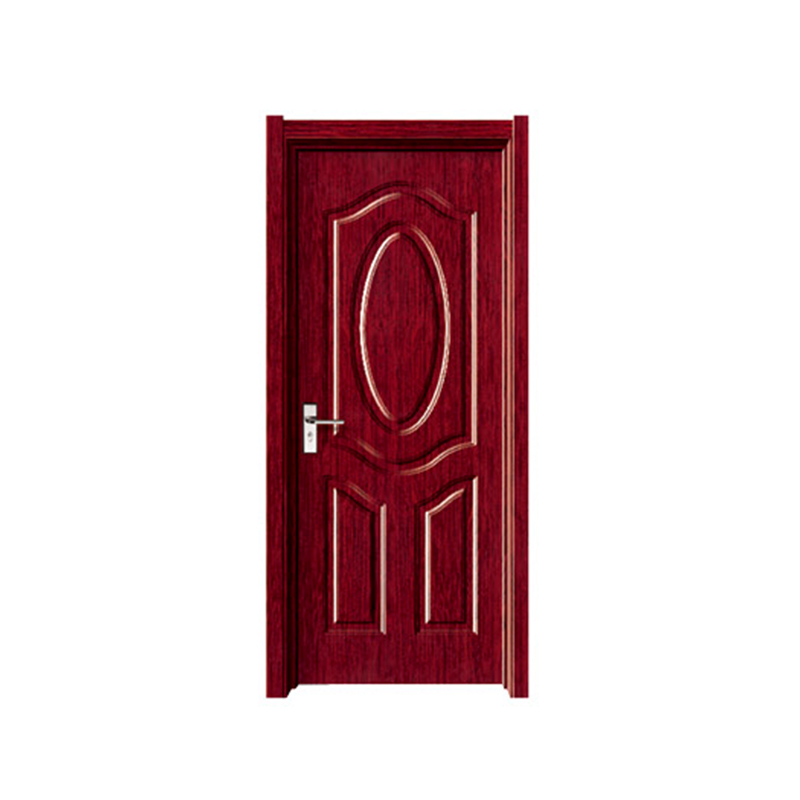
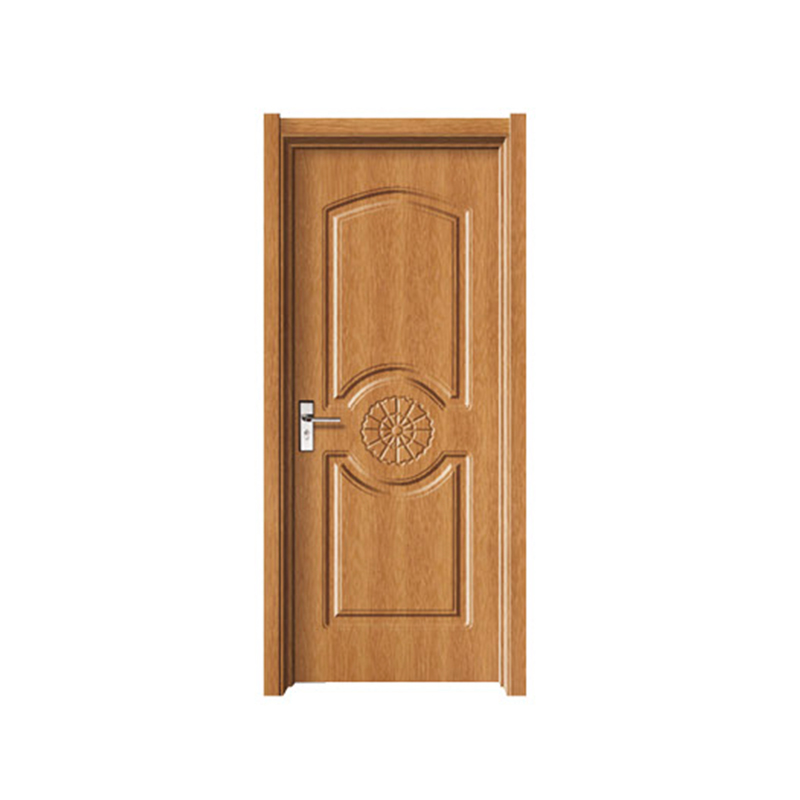
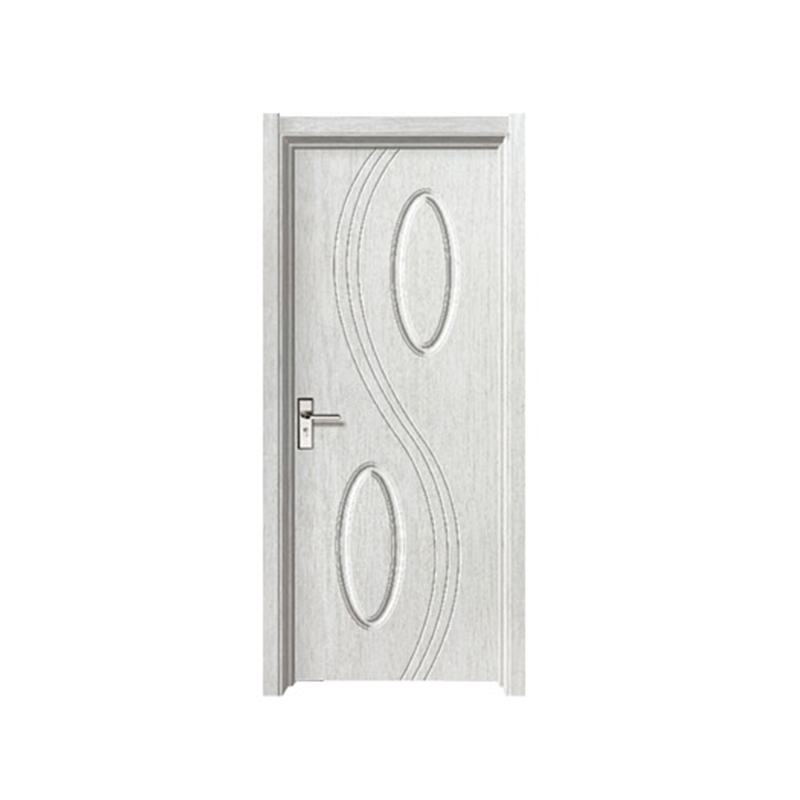
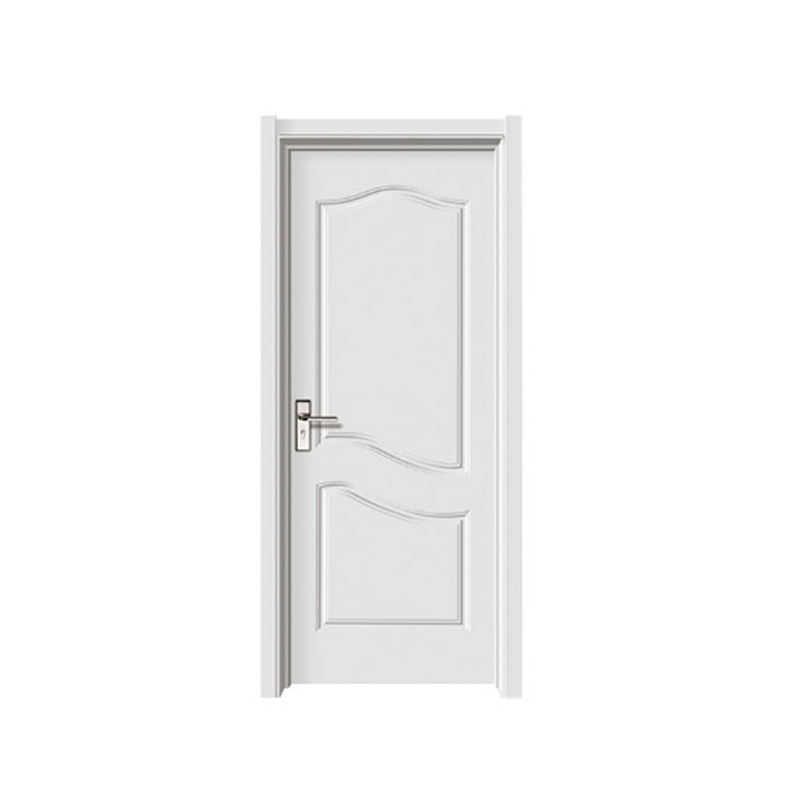
| Veneer Painted Door | Soft texture, even color | Residential projects, hotels |
From an installation standpoint, these doors behave similarly to other engineered-core doors. Consistent thickness and predictable weight simplify fitting, especially in large projects with repeated layouts.
For contractors, a Veneer Painted Door reduces the need for on-site finishing, which helps control timelines and labor costs. Factory-applied paint also ensures more uniform results compared to site painting, particularly when multiple doors are involved.
Maintenance requirements are relatively straightforward. Painted surfaces can be cleaned with mild solutions, and minor surface marks are often less visible due to the softer reflection created by the veneer layer.
Over time, repainting is possible, which extends the usable life of a Veneer Painted Door without replacing the entire unit. This aspect is especially relevant in renovation projects or rental properties where interiors are refreshed periodically.
The growing interest in this door type reflects a broader market trend toward balanced material solutions. Buyers are not always seeking visual impact or natural authenticity alone. Instead, they value predictability, controlled aesthetics, and reasonable upkeep.
The Veneer Painted Door sits comfortably in this middle ground. It does not aim to replicate solid wood doors, nor does it rely solely on synthetic finishes. By combining veneer structure with painted control, it offers a measured response to modern interior demands—quietly supporting spaces rather than competing with them.
Copyright © Zhejiang Shangpin Bense Home Furnishing Co., Ltd.

Wood Interior Door Manufacturer
 русский
 عربى
عربى Français
 Español