

2026-01-09
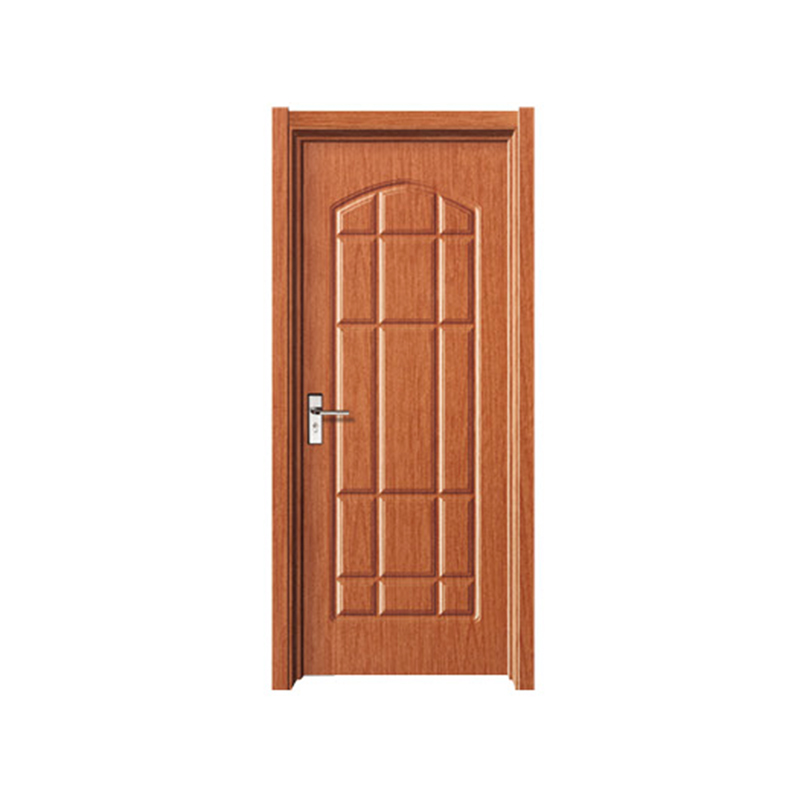
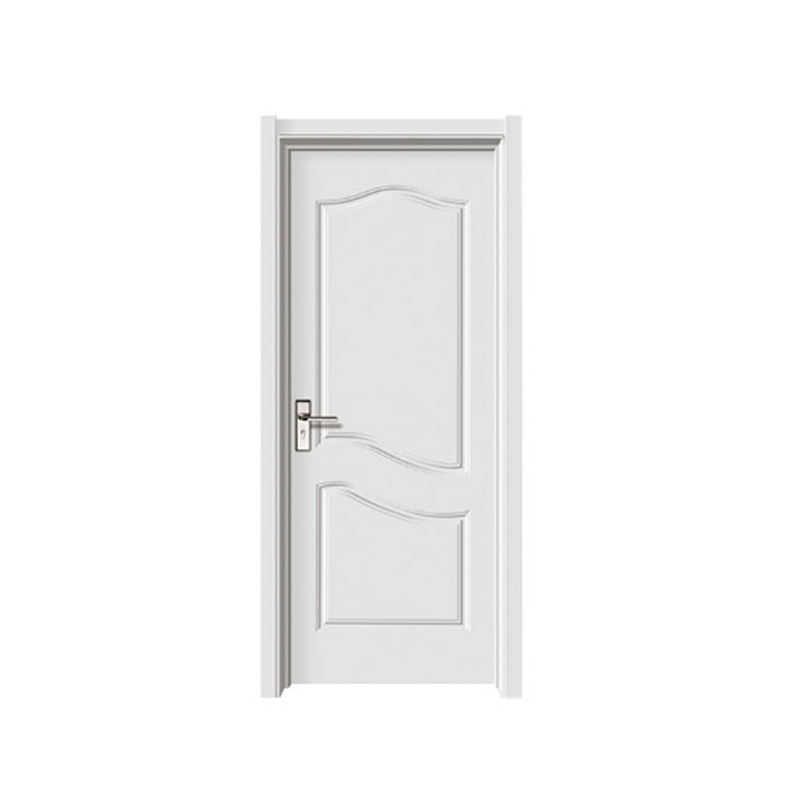
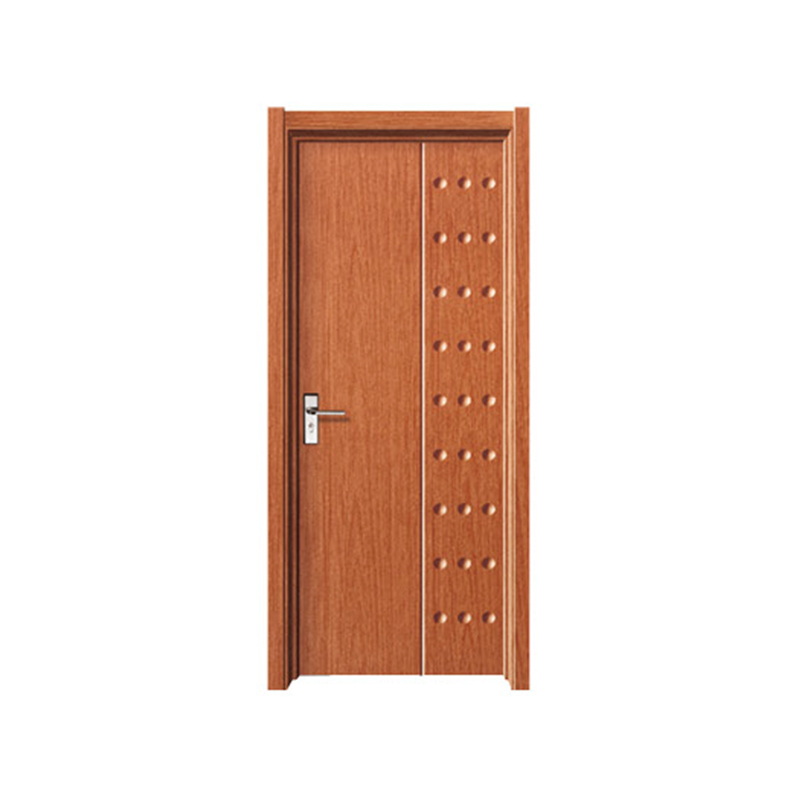
Interior doors rarely get as much attention as floors or furniture, yet they shape how a space feels and functions every day. In recent years, the PVC MDF Door has gained steady interest across residential and commercial projects. This shift is not driven by design trends alone, but by how materials, surface treatments, and installation needs have evolved. Looking closely at this door type helps explain why it fits so many contemporary spaces.
At its core, a PVC MDF door blends two familiar materials. MDF provides a dense, uniform base that is easy to machine, while the PVC layer acts as a protective and decorative surface. This pairing allows doors to maintain consistent thickness and smooth edges, which is especially useful for minimalist interiors.
Unlike solid wood, MDF is less affected by natural grain variations. When wrapped or laminated with PVC, the door surface becomes more resistant to moisture exposure and daily wear. For bathrooms, kitchens, or rental properties, this balance between structure and surface protection is often a deciding factor when selecting a PVC MDF Door.
One reason designers favor this door type is its adaptability. PVC films can replicate wood textures, matte colors, or subtle patterns without relying on veneers or paint layers. This reduces finishing steps and makes color matching across rooms easier.
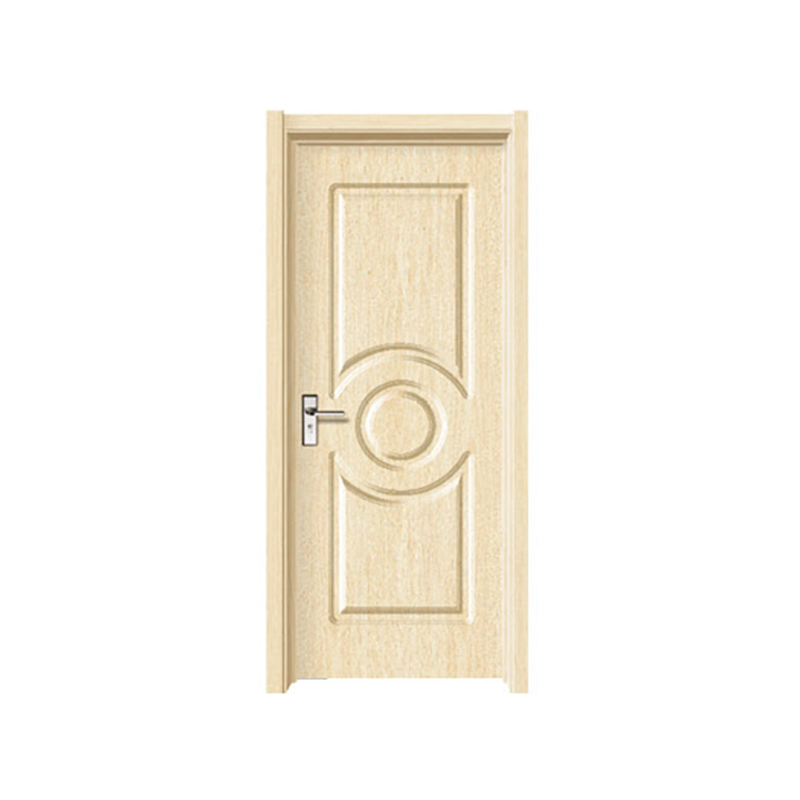
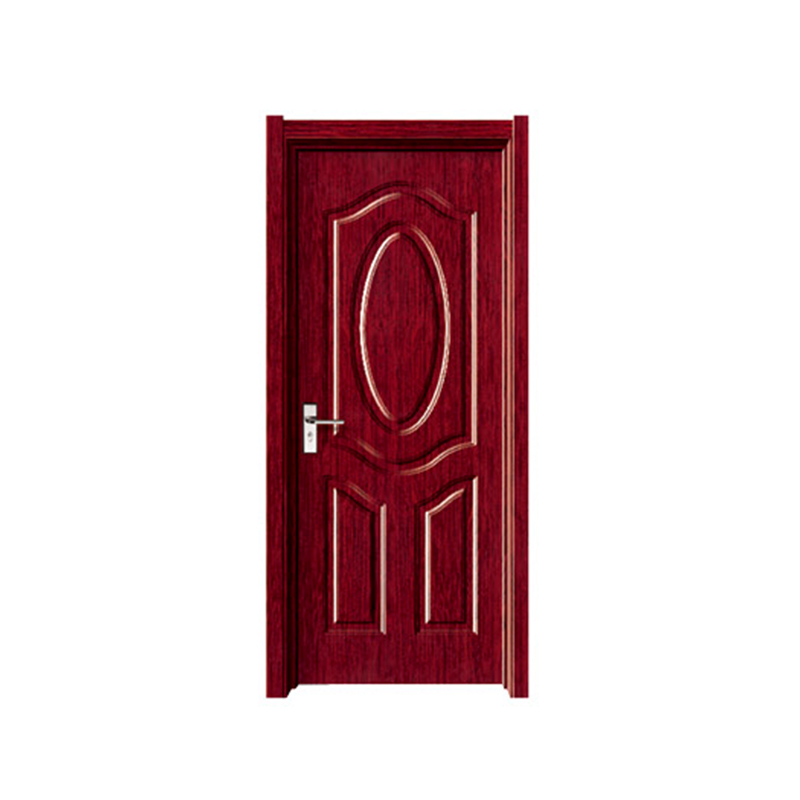
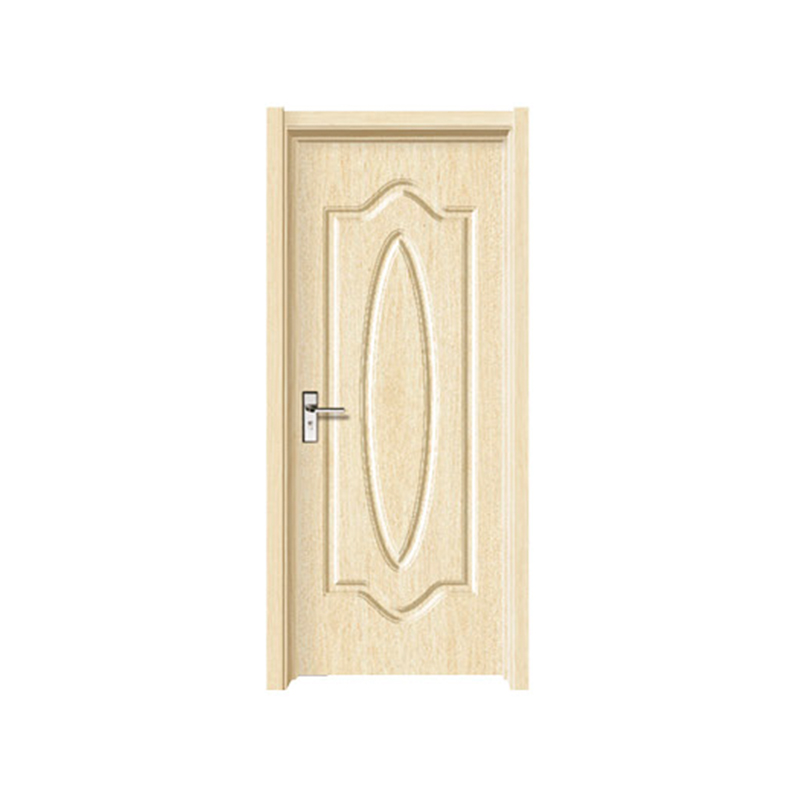
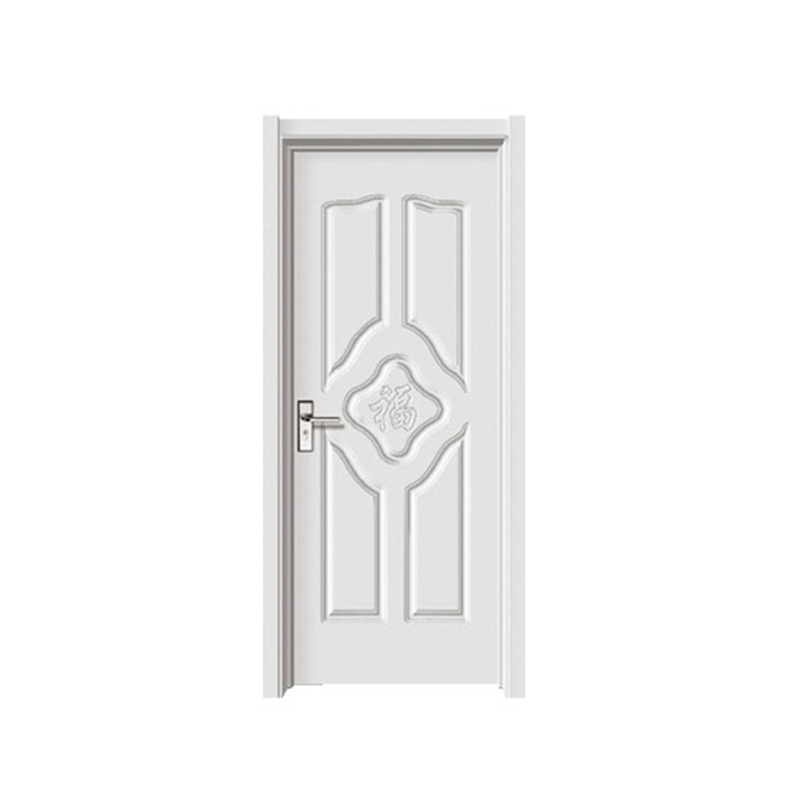
A PVC MDF Door can be routed into panel designs, grooves, or flush styles without exposing inconsistent material underneath. This flexibility supports both classic and modern aesthetics, giving specifiers more room to adjust designs without changing the base construction.
Doors are handled, closed, and cleaned repeatedly. Performance under routine use often matters more than visual appeal alone. PVC surfaces are generally easier to wipe down and less prone to absorbing stains compared to painted wood doors.
In controlled indoor environments, a PVC MDF Door tends to hold its shape well, especially when edges are sealed properly. While it is not designed for exterior exposure, it performs reliably in spaces with stable humidity, such as apartments, offices, and hotels.
Below is a simplified comparison highlighting where this door type is commonly positioned:
| Door Type | Typical Strengths | Common Applications |
| Solid wood door | Natural texture, repairable | High-end residential |
| Painted MDF door | Smooth finish, design flexibility | Bedrooms, studies |
| PVC MDF Door | Moisture resistance, easy cleaning | Kitchens, rentals, offices |
From an installation perspective, MDF-based doors offer predictable sizing and weight. This helps installers reduce on-site adjustments, especially in projects with tight timelines. Hinges and locks can be machined with consistent accuracy, which lowers the chance of misalignment.
The PVC MDF Door also fits well into mid-range budgets. While it may not provide the same tactile feel as natural wood, it often delivers stable performance at a controlled cost. For large-scale developments, this balance can be more important than material prestige.
Maintenance needs influence door selection more than many buyers expect. Painted doors may require touch-ups over time, and veneer surfaces can show edge wear. PVC finishes, when applied correctly, tend to maintain a uniform look longer under everyday use.
That said, quality depends heavily on processing standards. A poorly bonded PVC layer can peel or bubble. This is why sourcing from manufacturers with clear lamination controls is essential when specifying a PVC MDF Door for long-term projects.
Sustainability discussions have also shaped material choices. MDF often uses wood fibers from managed sources, while PVC technology continues to evolve toward lower-emission formulations. Although not marketed as a natural product, the PVC MDF Door fits projects where resource efficiency and durability are both considered.
In many markets, buyers now evaluate doors not just as visual elements but as components with lifecycle costs. Reduced repainting, stable structure, and predictable replacement cycles all factor into this evaluation.
The growing presence of the PVC MDF Door is less about novelty and more about practicality. It sits between solid wood and basic engineered options, offering design freedom without demanding intensive upkeep. For developers, designers, and homeowners alike, this door type answers a straightforward question: how to achieve consistent interiors that work well under daily use. As interior standards continue to evolve, that balance remains its strongest argument.
Copyright © Zhejiang Shangpin Bense Home Furnishing Co., Ltd.

Wood Interior Door Manufacturer
 русский
 عربى
عربى Français
 Español