

2026-08-18
A door may look simple from outside, while its internal structure has a direct connection with weight, stiffness, handling, surface condition, and long‑term movement. Behind a finished door skin, filling materials help support the outer layers and keep different sections connected.
Solid wood filling and MDF strips take different approaches to internal construction. Solid wood uses natural timber sections, with grain direction and moisture response influencing its behavior. MDF strips are manufactured from processed wood fibers, giving the material a more consistent internal structure.
Choice of filling does not work alone. Door skin, frame sections, adhesive, edge treatment, hinges, and installation conditions all contribute to how a finished door behaves.
A practical way to view the structure is:
Outer Surface → Door Skin → Internal Filling → Frame Support → Edge Connection
Each layer has a role. Internal filling provides support, while the surface layer creates the visible face. A mismatch between materials can create movement or bonding problems even when individual components appear suitable.
For manufacturers, internal construction also affects production. Cutting, assembly, pressing, edge treatment, and surface finishing may need different handling depending on the filling selected.
Solid wood filling gives a door internal sections made from natural timber. Grain direction varies from one piece to another, and moisture movement can influence the dimensions of wood over time.
Such movement does not mean solid wood cannot be used successfully. It means construction needs to allow for the material's natural behavior. Connection points, adhesive areas, surrounding door skin, and edge treatment all need to work together.
Solid wood can provide a firm internal framework around areas that require additional support. Hinges, locks, handles, and edge sections may need a stable base, making internal layout an important part of door design.
Several factors deserve attention:
Natural timber also varies in density and texture. Two pieces from the same type of wood may not behave in exactly the same way during machining or assembly.
Processing therefore needs suitable control. Cutting accuracy, drying condition, storage, and bonding can influence the final door structure.
A solid wood filling structure may also change the feel of a door during handling. Additional timber inside the panel can increase weight, which affects transportation, installation, hinge selection, and everyday movement.
MDF strips are produced from wood fibers that have been processed into panels or sections with a relatively consistent structure. Within a Laminated MDF Door, strips can form part of the internal support arrangement beneath the outer surface.
Uniformity can be useful during manufacturing because cutting and assembly follow a more predictable material structure. Surface preparation and bonding can also be planned around a consistent substrate.
MDF does not behave exactly like natural timber. Moisture exposure, edge condition, fastening, and machining still need attention, especially around areas where hardware will later be installed.
Internal strip placement can vary according to door design. A manufacturer may use a particular arrangement around the perimeter, hinge side, lock side, or central areas to create the required support.
A simple production sequence can look like:
Good alignment matters during assembly. Misplaced strips can leave unsupported sections or create uneven pressure during pressing.
MDF strips can also influence surface flatness. Since a laminated structure relies on close contact between layers, uneven internal support may appear later as surface distortion or inconsistent bonding.
Material storage remains important as well. MDF can react to moisture, particularly around exposed edges. Proper handling before assembly helps maintain the intended dimensions and surface condition.
Stability depends on how materials respond to changes in their surroundings and how different layers are joined. Solid wood and MDF have different internal structures, so their movement patterns are not identical.
Natural timber contains grain, which creates directional behavior. Changes in moisture can cause timber to expand or contract differently along different directions. Door construction needs to accommodate such movement through suitable joints and surrounding materials.
MDF has a more uniform fiber structure, although moisture can still affect it. Exposed edges require particular care because unfinished areas can respond differently from protected surfaces.
Door stability also depends on the construction around the filling. A well‑prepared internal material can still produce problems when the outer skin is poorly bonded or edge treatment is incomplete.
| Construction Factor | Solid Wood Filling | MDF Strip Filling |
|---|---|---|
| Internal Structure | Natural Grain | Processed Fiber Structure |
| Material Movement | Influenced by Grain | More Uniform Across Sections |
| Moisture Response | Needs Careful Control | Edge Protection Matters |
| Machining | Grain Direction Matters | Consistent Cutting Behavior |
| Hardware Support | Can Provide Solid Timber Areas | Requires Suitable Reinforcement |
| Surface Bonding | Depends on Timber Condition | Depends on Surface Preparation |
Door design therefore needs to consider the entire assembly rather than treating filling material as an isolated choice.
Climate and installation conditions can also influence results. A door used in a dry interior space may face different material demands from one exposed to changing humidity.
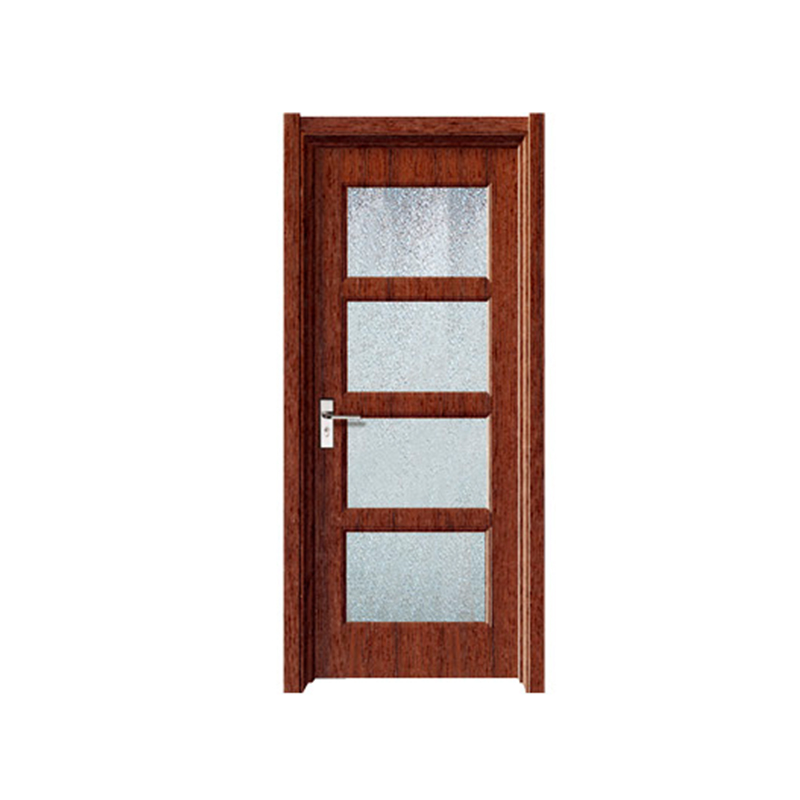
Internal filling has a noticeable effect on how a door feels during transportation and installation. Solid wood sections can add substantial material within a panel, while MDF strips may allow a different balance between support and overall construction.
Weight influences more than carrying. Hinges, frames, installation labor, door opening, and hardware positioning can all be affected by the finished structure.
A heavier door requires suitable support at hinge points. Internal reinforcement around hardware locations becomes important because repeated opening and closing places movement around relatively small connection areas.
MDF strip construction can distribute support according to the door layout. Placement around hinge and lock sections may be adjusted to suit the hardware arrangement, while less critical areas can use a different internal pattern.
Handling during manufacturing also changes with filling choice. Solid timber sections may require different cutting and storage practices, while MDF strips can be prepared according to planned dimensions before assembly.
Transportation creates another consideration. Door panels need protection around edges and corners because impact during movement can affect both the surface skin and internal structure.
A suitable construction approach therefore considers:
No single filling arrangement fits every door design. Material choice needs to follow the construction method and intended application.
A door skin forms the visible outer layer and helps define the finished appearance of a door. Its relationship with internal filling affects surface flatness, bonding, edge condition, and resistance to everyday handling.
A laminated surface needs close contact with its supporting structure. Gaps or uneven pressure during assembly can create visible changes after production, especially when a large flat area is involved.
Door skins may also contain molded patterns or shaped sections. Internal support needs to accommodate those forms without creating unwanted pressure points.
Moulded Door Skin Manufacturers therefore need to consider more than the shape of the outer panel. Material thickness, edge design, bonding surface, dimensional consistency, and compatibility with internal structures all influence the finished assembly.
During production, workers can inspect:
A good relationship between outer skin and filling helps create a door structure that behaves as one assembly rather than as separate layers.
Material selection becomes easier to manage when manufacturing conditions are considered alongside door design. Solid wood filling and MDF strips require different handling during cutting, assembly, bonding, and finishing, so production planning can influence which structure fits a particular door.
Solid timber needs attention to grain direction, moisture condition, and machining behavior. Cutting across or along grain can produce different surface conditions, while storage may influence later dimensions. Assembly workers also need to position timber sections carefully around hardware areas and door edges.
MDF strips follow a more consistent manufactured structure. Cutting and positioning can often be planned around repeatable dimensions, although exposed edges still require suitable treatment. Dust from machining also needs to be controlled because loose particles can interfere with bonding surfaces.
Pressing and bonding create another consideration. Internal filling should remain correctly positioned while the door skin and supporting frame come together. Uneven pressure can create gaps, surface marks, or inconsistent contact between layers.
A practical production flow may include:
Choice of filling therefore affects production planning rather than only the internal structure.
A suitable choice depends on the door design, intended environment, hardware arrangement, manufacturing process, and required handling characteristics. Solid wood and MDF strips can both form useful parts of an internal structure, although each material brings different working considerations.
Solid wood may be selected where timber sections are needed around particular support areas. Grain direction and moisture condition then become important during preparation and assembly.
MDF strips can suit constructions where a manufactured fiber‑based material fits the planned internal layout. Consistent dimensions can simplify cutting and positioning, while edge treatment and moisture protection remain important.
Several questions can guide the decision:
A Laminated MDF Door may use internal support arranged around the door perimeter and hardware locations, while other areas can follow a different layout according to the design.
Material selection should also consider later repair or modification. Hardware replacement, edge trimming, or surface repair can expose internal sections, so compatibility between layers remains relevant throughout the door's service life.
Layered door construction allows manufacturers to combine a shaped outer surface with an internal support structure. A Laminated MDF Door can use a molded or flat skin over an internal frame, creating different surface appearances without requiring the whole door to be made from one material.
Surface design influences internal support. A flat panel may have relatively simple contact areas, while a shaped door skin can contain grooves, raised sections, or recessed patterns. Internal strips need to avoid creating unwanted pressure against such features.
Edge construction is also important. Door edges receive handling contact during transportation and installation, while hardware openings create additional areas where support may be required.
A well‑planned structure considers the relationship between:
Door Skin → Internal Filling → Frame → Edge → Hardware
Changing one part can influence another. A different skin design may require changes to filling placement, while a new hardware location can require additional internal support.
Manufacturing teams can therefore review the complete door design before production begins rather than selecting filling material separately from the outer skin.
Integration starts with accurate preparation of each layer. Internal strips need to sit in their intended positions, while door skin surfaces need to remain clean and suitable for bonding.
Adhesive application should match the contact areas. Excess material can create uneven surfaces, while insufficient contact may leave unsupported sections. Pressing or securing the assembly then brings the layers together.
Alignment deserves attention throughout production. A small shift in an internal strip can change support around an edge or hardware area. Misalignment of the skin can also affect the finished appearance.
After assembly, inspection can focus on several practical areas:
Surface finishing comes after the structural layers have been assembled and checked. Sanding, coating, or other finishing work should not hide an underlying assembly problem.
For Moulded Door Skin Manufacturers, coordination between skin production and door assembly is particularly relevant. A molded surface needs suitable dimensions and edge conditions so that internal filling can support it without creating unwanted stress.
Production consistency also depends on material storage. Door skins and internal components should remain protected from conditions that could change their shape before assembly.
A complete door is therefore the result of several connected operations rather than a single material choice. Solid wood filling can provide timber‑based internal support, while MDF strips offer a manufactured alternative with different handling characteristics. Door skin design, bonding, edge construction, hardware placement, and workshop processes all influence how either filling method performs within a finished door.
Careful coordination between internal support and outer layers helps reduce avoidable assembly problems and gives manufacturers a clearer basis for selecting a construction method suited to the intended door design.
Copyright © Zhejiang Shangpin Bense Home Furnishing Co., Ltd.

Wood Interior Door Manufacturer
 русский
 عربى
عربى Français
 Español