

2026-07-17
A solid wood door without finish looks rough and unfinished. The bare wood surface, open and exposed, absorbs moisture and dirt. The finish seals the wood, protecting it from humidity changes that would cause warping or cracking. The finish provides a smooth surface that resists stains and wear from regular use.
The appearance of a door matters as much as its function. The finish determines the colour and texture that people see when they walk into a room. A well-finished door looks rich and consistent. A poorly finished one draws attention for all the wrong reasons.
A Solid Wood Door Manufacturer puts effort into finishing because the finish makes the product complete. The door might be well-constructed and perfectly fitted, but without a quality finish, the door looks unfinished. The finishing process transforms raw wood into a finished product ready for installation.
The preparation starts with sanding. Coarse grit sandpaper removes tool marks and smooths the surface. Progressively finer grits follow, each one removing the scratches left by the previous grit. The final sanding produces a smooth surface ready for finish.
Dust removal comes next. The sanding process creates fine particles that settle on the door surface. A tack cloth or compressed air removes the dust before any coating goes on. Dust trapped under the finish creates bumps that show through the final coat.
The surface preparation affects every layer that follows. A poorly sanded door will show sanding marks through the finish. Dust trapped in the finish will create a rough texture. The care given to preparation determines the quality of the final finish.
A few steps in the preparation process:
A coating system consists of multiple layers applied in sequence. The primer goes on first, sealing the wood and providing a base for subsequent coats. The primer fills the wood pores and creates a uniform surface for the top coats.
Sealers follow the primer, building the film thickness and providing additional protection. The number of sealer coats depends on the desired finish quality. More coats produce a deeper, richer appearance. The sealer also locks in the stain colour if the door gets stained.
Top coats provide the final appearance and the primary protection. Clear top coats are used over stained wood. Painted top coats provide a solid colour finish. The top coat should be durable enough to withstand handling and cleaning.
Spray application is the most common method for finishing solid wood doors. Automated spray lines carry doors through spray booths where finish gets applied evenly. The spray system controls the amount of finish applied and the pattern of application.
Hand application still has a place in finishing. Some manufacturers apply stain or glaze by hand to achieve a specific look. The hand application allows control over the colour and the effect achieved.
The difference between automated and manual finishing lines affects consistency. Automated lines apply the same amount of finish to every door. Manual finishing can vary with the skill of the operator. A Solid Wood Door Manufacturer that uses automated finishing typically achieves more consistent results.
| Application Method | Consistency | Production Speed | Suitability |
|---|---|---|---|
| Automated spray | High | Fast | Large volume production |
| Manual spray | Moderate | Moderate | Custom orders, small batches |
| Hand application | Variable | Slow | Stains, glazes, specialty finishes |
| Roller application | Moderate | Fast | Flat surfaces, primer coats |
The finish does not stop changing once it gets applied. It needs to dry and then cure. Drying refers to the evaporation of solvents from the finish. Curing involves the chemical reaction that hardens the finish to its final state. Both processes take time and require the right conditions.
Temperature and humidity control the drying and curing process. A warm, dry room allows the finish to dry quickly. A cool, humid room slows the process. The finish may remain tacky for longer, or it may not cure properly at all. Dust and dirt can settle into a wet finish if the room conditions are not managed well.
Drying time between coats matters. Each layer needs enough time to dry before the next layer goes on. Applying a second coat over a still-wet first coat causes problems. The layers may mix, or the finish may wrinkle as it dries. The manufacturer's process sets drying times for each stage of the finish application.
Curing completes the hardening process. A finish that has dried to the touch may not yet be fully cured. The full cure may take days or even weeks to achieve. Doors should be handled carefully during this period.
Inspection starts with a visual check. The inspector looks for runs, sags, and drips. The finish should be even across the entire door surface. The colour should be consistent from one door to the next. Imperfections that show up during inspection get addressed before the door leaves the factory.
The inspection process includes checking the edges and corners. These areas can be difficult to finish evenly and often show problems first. The edges should have the same coverage as the faces, and the finish should not have pooled or dripped along the edges.
Consistency across production batches matters. A door finished today should match a door finished last week. A Solid Wood Door Manufacturer manages the finish process to maintain colour and sheen from one batch to the next. The consistency is achieved through careful control of materials and application methods.
A few quality points checked during inspection:
Clear finishes show the natural wood grain. The finish protects the wood while letting the grain show through. The colour may shift slightly with the type of clear finish used, but the wood remains visible. Options range from matte to high gloss.
Painted finishes cover the wood completely. The paint provides a solid colour that may be matched to a specific shade. Painted finishes are offered in a wide range of colours. The paint also provides protection against scratches and moisture.
Textured and specialty finishes create unique effects. A distressed or antique finish can give a door a historical appearance. Glazes can add depth and character to the finish. These specialty finishes require additional steps and time.
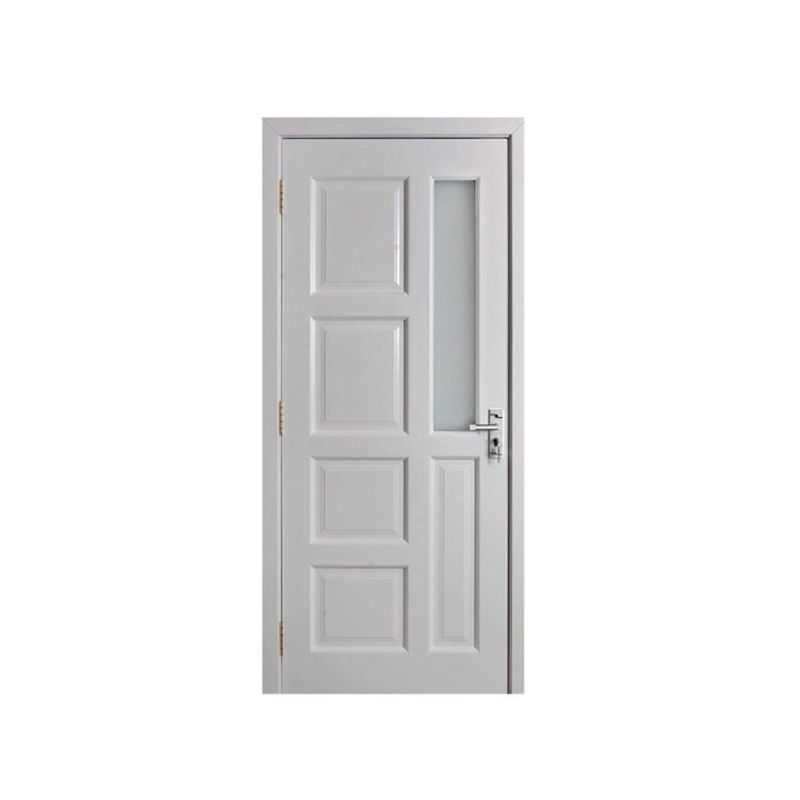
Durability starts with the materials used. The finish must be formulated for interior use, and the top coat must resist scratches and scuffs. The Solid Wood Door Manufacturer selects finish materials that match the demands of the application.
Proper application techniques maintain the finish. A poorly applied finish will fail, regardless of the quality of the materials. The manufacturer trains staff, maintains equipment, and controls the application environment to achieve a reliable finish.
Testing for finish performance can include scratch resistance, stain resistance, and adhesion testing. These tests confirm the finish meets the expected standard. A manufacturer that conducts regular testing catches problems before the finish gets applied to production doors.
The Solid Wood Door Manufacturer's responsibility for finish durability goes beyond the factory. Recommended care instructions help the door perform in service. Information on cleaning, humidity control, and exposure to sunlight supports long-term finish performance. The manufacturer provides that information to customers and may offer warranty coverage that depends on following the care recommendations.
Copyright © Zhejiang Shangpin Bense Home Furnishing Co., Ltd.

Wood Interior Door Manufacturer
 русский
 عربى
عربى Français
 Español