

2026-07-14
Many household items become part of everyday life without attracting much attention. A door is one of them. It opens in the morning, closes at night, separates busy spaces from quiet rooms, and creates privacy whenever it is needed. Although people pass through it many times each day, its influence is often noticed only after problems appear, such as poor closing, unnecessary noise, or a style that no longer matches the room.
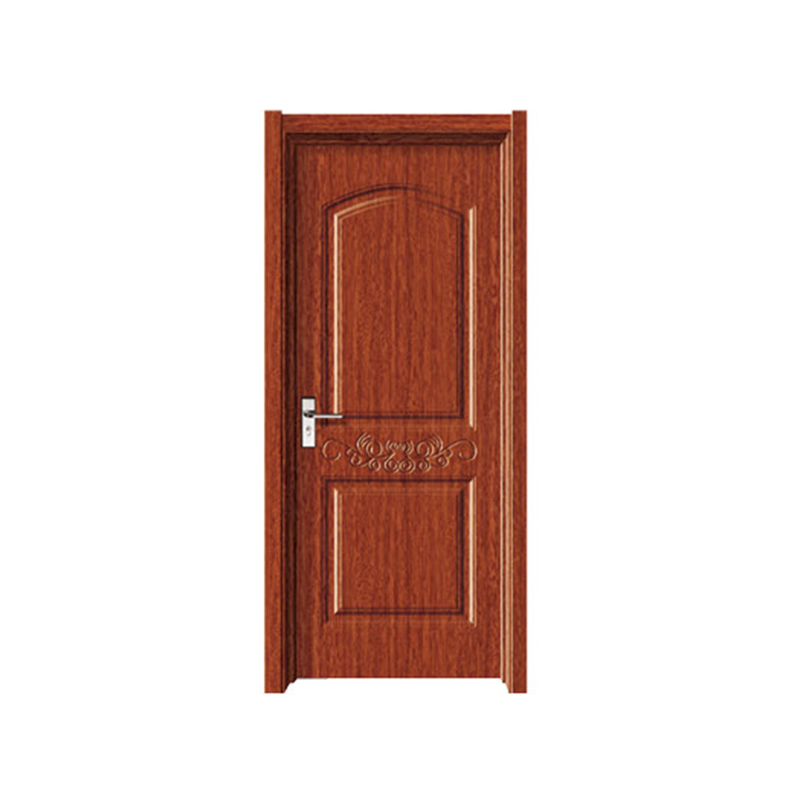
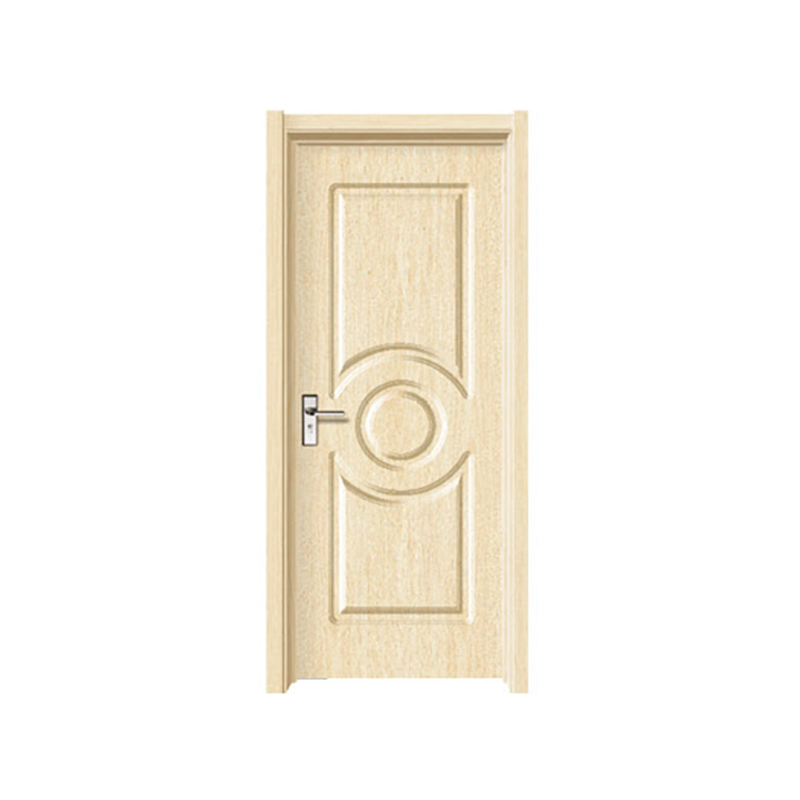
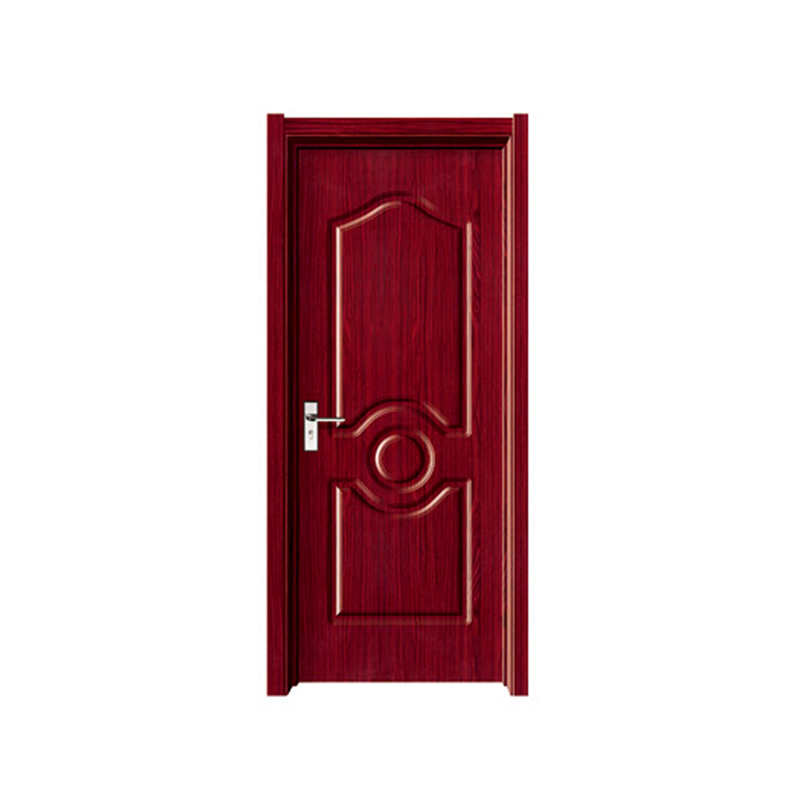
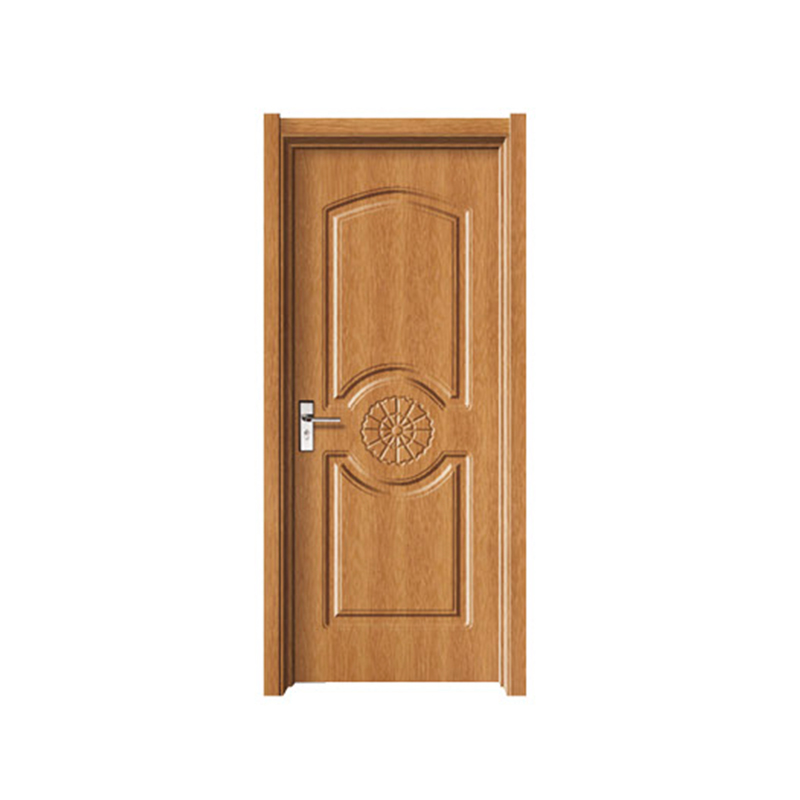
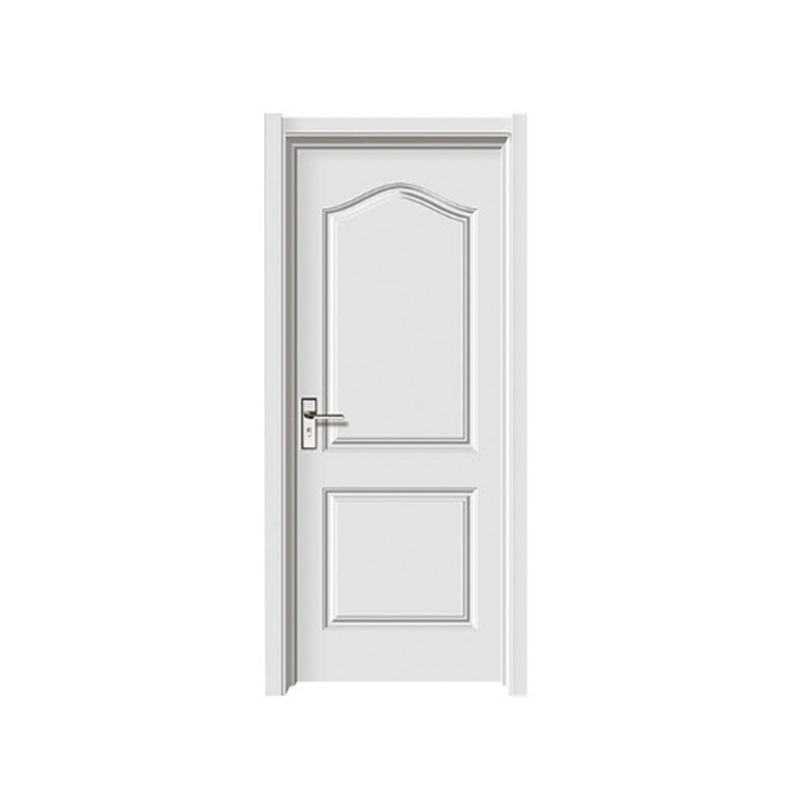
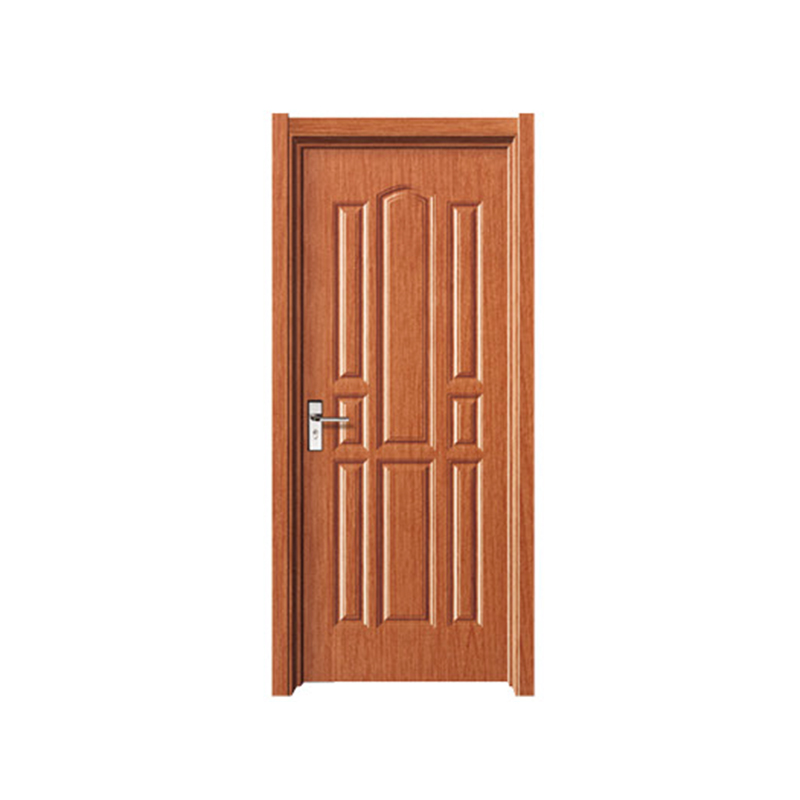
A Modern Solid Wood Door is often chosen because it meets practical needs found in ordinary homes. Besides connecting one room with another, it also helps create a comfortable indoor environment. Smooth operation, simple maintenance, and a balanced appearance all contribute to daily living in subtle ways.
Living habits continue to change. Many families now pay more attention to how different rooms are used throughout the day. One room may become a home office during working hours and a reading space in the evening. Another may be used for study, rest, or hobbies. Because each room serves a different purpose, door selection often becomes part of planning the whole living space rather than simply filling an opening in the wall.
A Solid Wood Door Supplier also plays a practical role by providing products with consistent manufacturing quality, making it easier for builders, designers, and homeowners to choose doors suitable for long-term residential use.
People usually think about walls when discussing room layout, yet doors influence daily movement just as much.
Every time someone enters a bedroom quietly while another family member is sleeping, closes a study to reduce distractions, or keeps cooking activity inside the kitchen, the door is helping different parts of the home serve their intended purpose.
Daily comfort often depends on many small details working together.
A door that opens smoothly allows hands carrying laundry, books, or shopping bags to move through without unnecessary effort.
A handle placed at a comfortable height feels natural during repeated use.
A door that closes properly reduces repeated adjustments throughout the day.
Simple design can also make a room feel calmer. Large decorative patterns sometimes become visually heavy after years of use, while clean lines usually remain easy to coordinate with changing furniture or wall colors.
Many homeowners gradually notice practical advantages such as:
Instead of becoming a decorative feature alone, the door becomes part of how people experience the home every day.
Home interiors often change over time, yet many design preferences remain practical. A Modern Solid Wood Door usually follows simple forms that work with different decorating styles instead of relying on heavy ornament.
Flat surfaces or light panel designs are common because they create a clean appearance and are easier to maintain during regular cleaning.
Natural wood texture is another characteristic many families appreciate. Even after painting or surface finishing, wood still gives rooms a warmer feeling than many artificial materials. Rather than drawing attention, the texture blends naturally into bedrooms, living rooms, study areas, and hallways.
Several practical features are often considered during selection.
Color also changes the atmosphere of a room.
Lighter finishes often make smaller spaces feel brighter.
Medium wood tones fit many interior combinations without becoming visually dominant.
Darker colors may suit rooms with stronger visual contrast or traditional decoration.
Many homeowners prefer finishes that remain comfortable for everyday living instead of following temporary decorating styles.
Comfort at home usually comes from repeated everyday experiences rather than dramatic changes. Opening a bedroom quietly before sunrise, closing a study during an online meeting, or reducing sound between a living room and a resting area all depend partly on the door.
A Modern Solid Wood Door supports those routines by helping different spaces keep their own function.
Morning activities can begin while another person continues sleeping.
Children may play in one room while someone nearby reads or works.
Guests can visit shared spaces without interrupting private family areas.
Stable operation also matters.
A door that swings smoothly feels different from one that rubs against the floor or frame.
Proper alignment reduces unnecessary friction during daily use.
Simple surfaces also save cleaning time. Dust usually collects around handles, edges, and frames. Flat panels are generally easier to wipe than doors with deep decorative patterns.
Families often value practical details like these:
None of those changes seem dramatic on their own. Together, they influence how comfortable a home feels throughout ordinary days.
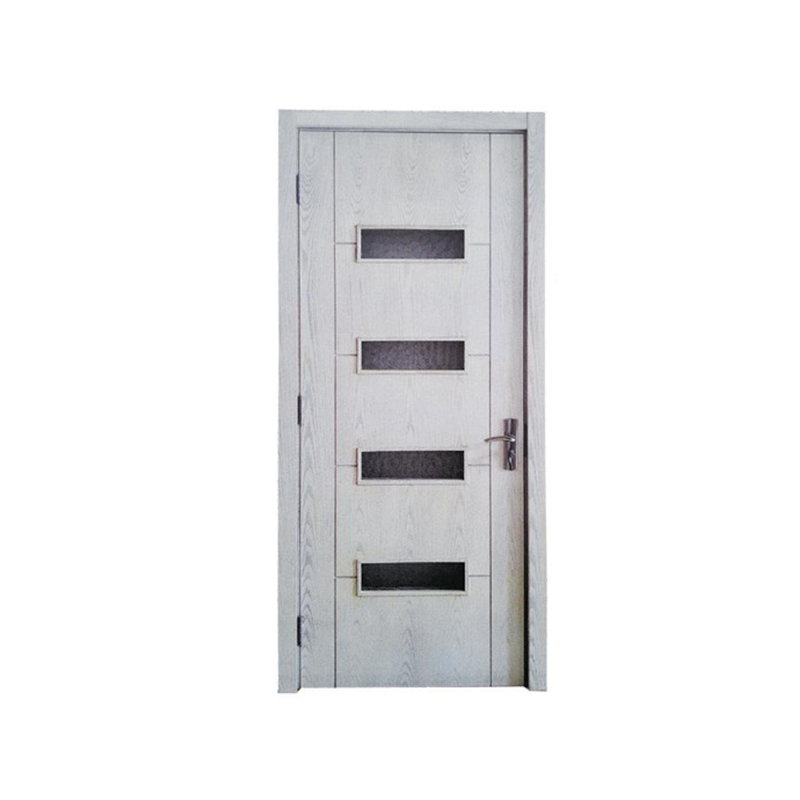
Choosing a door becomes easier after looking at how each room is actually used.
A bedroom usually needs more privacy than a storage room.
A study benefits from a calm environment.
A living room often connects directly with several other spaces, making convenient movement more important.
Door size should also match the room instead of simply filling the opening. Comfortable passage becomes especially noticeable when moving furniture, carrying household items, or walking through frequently used areas.
Surface finish deserves practical attention as well. Homes with children or pets often require regular cleaning, making finishes that are easy to maintain a sensible choice.
Opening direction influences everyday movement too. A door should work naturally with furniture placement and walking paths instead of creating unnecessary obstacles.
| Consideration | Practical Question | Everyday Benefit |
|---|---|---|
| Room function | How is the room used each day? | Supports suitable privacy and use |
| Door size | Does it fit available space? | Comfortable movement |
| Surface finish | Is routine cleaning convenient? | Easier maintenance |
| Opening direction | Does it match room layout? | Better traffic flow |
| Long-term care | Can regular maintenance be simple? | Supports continued daily use |
Many families make decisions after imagining ordinary situations rather than special occasions. Carrying groceries into the kitchen, checking on a sleeping child, cleaning the house during the weekend, or moving between rooms several times a day often reveals which door design fits daily life more naturally.
Home decoration often changes over time. Sofas may be replaced, wall colors may change, and furniture can move from one room to another. A door, however, usually stays in the same place for many years. Because of that, many households prefer a design that remains comfortable through different decorating styles instead of following short-term trends.
A Modern Solid Wood Door with clean lines often blends naturally into different spaces. It does not compete with furniture or wall decoration. Instead, it becomes part of the overall room.
Simple design also brings practical value during everyday use.
Dust is easier to remove from flat surfaces than from deep decorative patterns.
Corners are easier to wipe during regular cleaning.
Small marks can often be noticed and cleaned before they become more visible.
Many families also appreciate that a simple appearance works well in different rooms.
Using a similar design throughout the home creates a consistent visual feeling without making every room look identical.
Another practical point is future flexibility. When furniture or decoration changes later, a clean and balanced door design often continues to match the updated interior without requiring replacement.
Good manufacturing is closely connected with daily use. A Solid Wood Door Supplier usually pays attention to each production stage because consistency affects installation, operation, and long-term maintenance.
Material preparation is one important step. Wood should be processed carefully before assembly so that different parts work together during normal household use.
Surface finishing also receives careful attention. A smooth finish supports regular cleaning and helps maintain a neat appearance during everyday living.
During production, attention is often given to areas such as:
Each stage supports the next one. Careful production makes installation easier and helps reduce unnecessary adjustment after the door reaches the building site.
Packaging also deserves attention. Doors travel through transportation and storage before installation. Proper protection helps reduce scratches, dust, and unnecessary surface contact during handling.
Manufacturing consistency does not remove the need for regular maintenance, though it provides a stable starting point for long-term use.
Regular care does not require complicated tools or lengthy procedures. Small habits often keep a door looking clean and operating smoothly.
Dust naturally settles on door panels, frames, and handles. Wiping those areas with a soft cloth during normal house cleaning helps prevent dirt from building up.
Handles receive frequent contact throughout the day. Keeping them clean improves appearance and also makes routine inspection easier.
Hinges deserve occasional attention as well. A quick visual check may reveal loose screws or movement that feels different from normal. Addressing small changes early is usually easier than waiting until operation becomes less comfortable.
Useful maintenance habits include:
Many families naturally include these tasks while cleaning other parts of the house, so maintenance becomes part of normal household routines rather than a separate job.
A door becomes part of everyday life from the moment people wake up until the end of the day. It supports privacy, separates activities, and connects different living spaces without drawing constant attention.
A Modern Solid Wood Door often contributes to that experience through practical design rather than decorative complexity. Smooth operation, comfortable handling, and easy maintenance all influence daily living in quiet ways.
Room planning also becomes easier when each door matches its surroundings. Bedrooms remain private, study areas stay suitable for concentration, and shared spaces continue to feel connected while maintaining appropriate separation.
Long-term comfort often depends on ordinary situations rather than special occasions.
Examples include:
Those everyday moments gradually shape how comfortable a home feels over time.
A Solid Wood Door Supplier contributes by producing doors with consistent workmanship that supports reliable installation and routine use. After installation, regular cleaning, careful handling, and simple inspections help maintain smooth operation.
Choosing a door is not only about appearance. Daily movement, room function, maintenance habits, and long-term living needs all play a part. When those practical factors are considered together, the door becomes a natural part of household life, supporting comfort through ordinary routines rather than attracting attention to itself.
Copyright © Zhejiang Shangpin Bense Home Furnishing Co., Ltd.

Wood Interior Door Manufacturer
 русский
 عربى
عربى Français
 Español