

2026-07-10
A bedroom door does more than separate one room from another. It provides privacy, controls sound, and contributes to the overall look of the space. Choosing the right door involves considering how the room is used, what conditions exist in the home, and what kind of appearance fits the interior design.
Two common options appear in many bedroom installations. One uses solid wood construction with natural grain and substantial weight. The other uses molded PVC with a manufactured surface and lighter build. Each material offers different advantages depending on the bedroom location, climate, and how the door gets used over time.
Modern Solid Wood Door designs have been a traditional choice for bedrooms. Solid wood offers certain characteristics that many homeowners look for in a bedroom door. The natural material provides a certain feel and appearance that manufactured surfaces may not replicate. Molded Door products offer an alternative with different performance characteristics. Understanding how these two options compare across practical factors helps in making a selection.
Sound transmission through a bedroom door affects both the person inside the room and others in the house. A door that reduces sound transmission provides more privacy and less disturbance from household activity.
Solid wood construction offers natural sound reduction due to material density. The wood fibers absorb and block sound waves more effectively than lighter materials. A solid wood door in a bedroom provides noticeable privacy benefits. Conversations inside the room stay within the room. Outside noises do not intrude as easily.
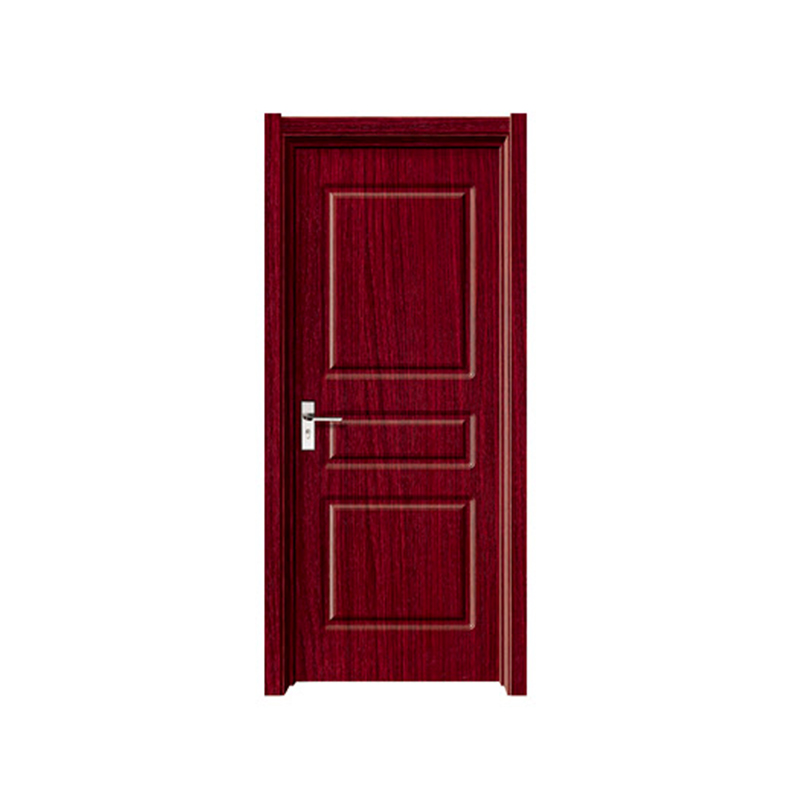
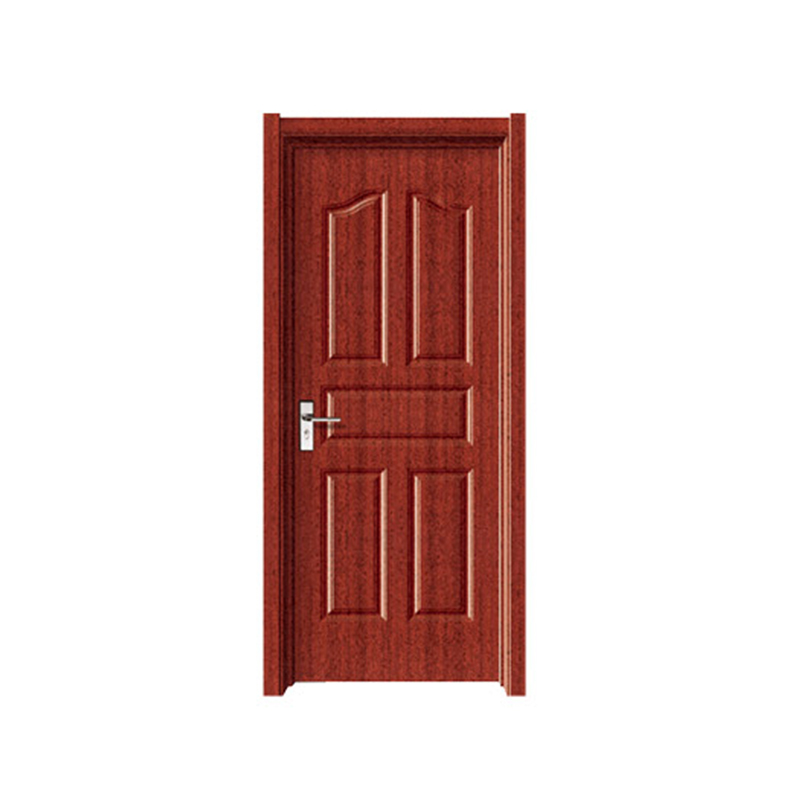
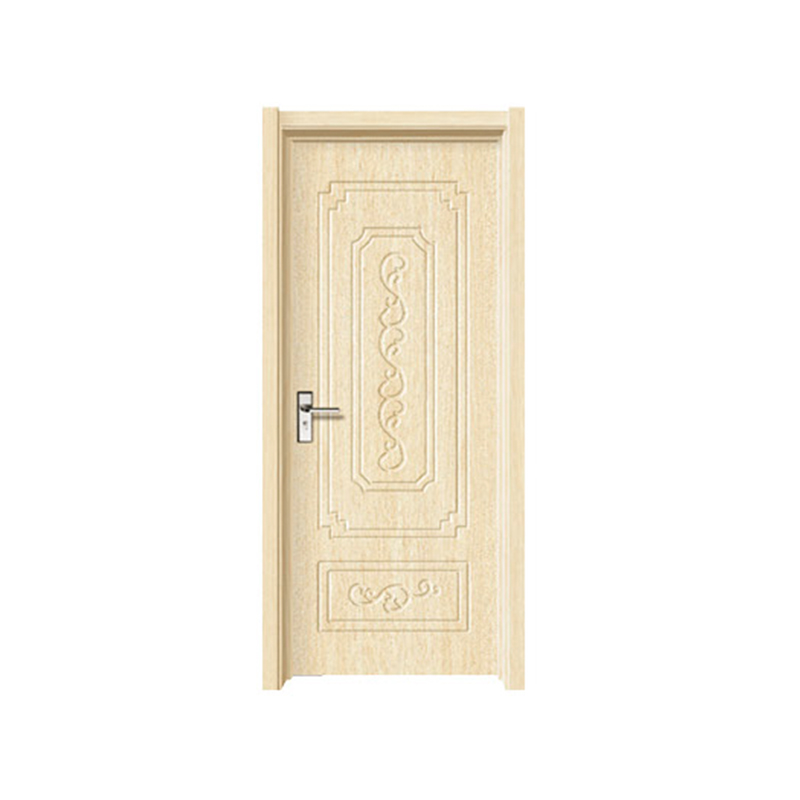
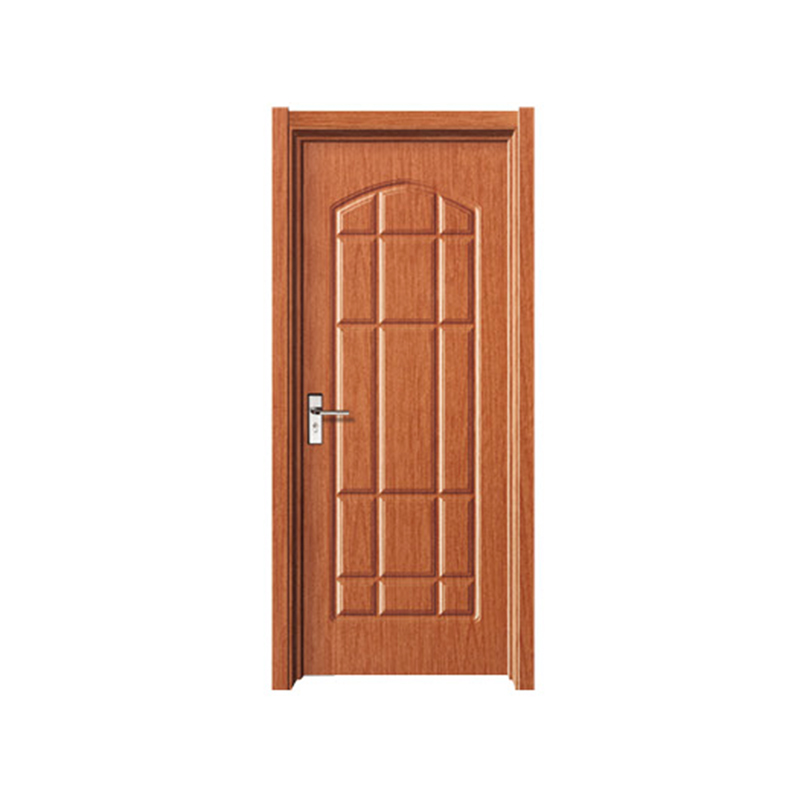
PVC Molded Door vary in acoustic performance based on what lies inside the door. Some molded doors have hollow cores that allow sound to pass through more readily. Others use solid cores that improve sound insulation. The molded PVC skin itself does not provide the same density as wood, so sound reduction depends heavily on the internal construction.
Bedroom location affects privacy needs. A bedroom next to a living room or hallway benefits from better sound insulation. A bedroom at the end of a hallway may have less need for sound reduction. The door choice should match the privacy requirements of the specific room location.
| Door Type | Sound Reduction | Privacy Level |
|---|---|---|
| Modern Solid Wood Door | Dense material blocks sound well | Higher privacy |
| PVC Door (hollow core) | Moderate sound transmission | Basic privacy |
| PVC Door (solid core) | Improved sound reduction | Better privacy |
Bedrooms experience different moisture conditions depending on climate and home ventilation. Some bedrooms have ensuite bathrooms that add humidity to the air. Others are located in basements with higher moisture levels. The door material responds differently to these conditions.
Solid wood absorbs moisture from the air. That absorption causes the wood to expand. When the air dries out, the wood contracts. That seasonal movement can affect how the door fits in its frame. A door that fits perfectly in winter may stick in summer. Repeated expansion and contraction can also cause joints to open or paint to crack.
Molded Doors resist moisture penetration. The PVC skin does not absorb water, so the door maintains its dimensions regardless of humidity changes. That stability keeps the door operating smoothly in the frame. Bathroom-adjacent bedrooms or homes in humid climates benefit from that moisture resistance.
The risk of warping deserves consideration. Solid wood doors can warp if exposed to persistent moisture or uneven humidity. A door that warps may not close properly. Molded Doors do not warp from moisture exposure, although excessive heat can affect the material.
Purchase price differs noticeably between these two door types. Solid wood represents a higher upfront investment. The material cost alone exceeds that of molded PVC products. The craftsmanship involved in solid wood construction also adds to the price.
Molded Doors are more budget-friendly. The manufacturing process produces consistent products at lower cost. That affordability makes them attractive for projects with tight budgets or multiple rooms requiring doors.
Installation expense adds to the total cost. Solid wood doors weigh more than PVC alternatives. That weight requires careful handling and sturdy hardware. Installation takes longer because the door must be maneuvered into position and the hinges must support the load. Molded Doors are lighter and easier to handle. Installation proceeds more quickly with less physical effort.
Hardware selection also affects cost. Heavier solid wood doors need hinges rated for the additional weight. PVC Molded Door can use standard hinges. The hardware cost difference may be small, although it adds to the overall expense.
Ongoing care requirements differ significantly between the two materials. Solid wood needs periodic attention to maintain its appearance and performance. PVC Doors require minimal upkeep.
Solid wood doors should be refinished periodically. The paint or stain wears over time, and the wood surface needs protection from moisture and handling. Refinishing involves sanding, priming, and painting. That work takes time and requires the door to be prepared properly. A well-maintained solid wood door can last for many years with regular attention.
PVC Molded Door need occasional cleaning to remove dust and fingerprints. A damp cloth generally suffices. The molded surface does not require painting or sealing. That low-maintenance characteristic appeals to homeowners who prefer to avoid regular refinishing work.
Repair options differ between the two materials. Solid wood can be sanded to remove surface scratches. Dents can be filled and sanded smooth. PVC surfaces are harder to repair. Scratches or gouges may remain visible because the material cannot be sanded or refilled in the same way.
The way a door looks affects the entire bedroom. Solid wood offers natural grain patterns that vary from one door to the next. That variation gives each door a unique appearance. Some homeowners prefer that individuality. Others prefer consistency across multiple doors.
Solid wood accepts paint and stain well. The surface can be finished in any color. Stains enhance the natural grain. Paints cover the grain for a uniform look. The finish can be changed later if the bedroom decor changes. That flexibility allows the door to adapt to different design styles over time.
PVC Doors provide consistent manufactured surfaces. The molding process creates patterns that replicate wood panel designs. Those patterns repeat exactly from door to door. That consistency works well in modern interiors where uniformity is desired. The molded surface does not show natural grain variation.
Paint adhesion on PVC surfaces differs from wood. Special primers may be needed for paint to bond properly. The finish options are more limited than solid wood. Changing the color later requires more preparation work.
Door weight affects every stage of installation. Solid wood doors are noticeably heavier than PVC alternatives. That weight requires careful handling to avoid injury or damage. Two people may be needed to position the door in the frame.
The heavier weight also affects the hinges and frame. Hinges must be rated for the door weight. The frame must be sturdy enough to support the door over time. Those requirements add to the installation complexity.
PVC Molded Door are lightweight and easier to manage. One person can handle the installation in many cases. The hinges and frame do not need special reinforcement. Installation proceeds more quickly with less physical strain.
The installation time difference affects labor cost. A solid wood door takes longer to hang and adjust. The weight makes fine adjustments more difficult. A PVC door goes up faster because it is easier to hold in position while attaching hinges.
Bedroom doors experience daily use. Children may push or pull on them. Furniture may bump against them during moves. Pets may scratch at the surface. The door material affects how well it withstands these ordinary events.
Solid wood resists denting from impacts. The wood fibers compress rather than fracture under force. A bump from furniture may leave a mark, although the damage is often minor. Surface scratches can be sanded out if they are not too deep.
PVC Molded Door can scratch or dent under sufficient force. The molded skin is thinner than solid wood. A sharp impact can penetrate the surface. Scratches show as lighter lines against the surrounding color. Repairing PVC damage is more difficult than repairing wood.
The surface finish affects durability. Painted solid wood may show chips if struck hard. Stained wood may show scratches more visibly. PVC surfaces are factory-finished and may not match touch-up paint perfectly.
Different bedrooms have different needs. A master bedroom used by adults has lower wear demands than a children's room. A guest room used occasionally has different requirements than a daily-use bedroom.
Children's bedrooms benefit from durable surfaces that resist damage. PVC Molded Door offer moisture resistance and easy cleaning. Spills and fingerprints wipe off easily. The lower cost also makes replacement more affordable if damage occurs.
Master bedrooms often prioritize appearance and sound privacy. Solid wood provides a traditional, substantial feel that suits many master bedroom designs. The sound reduction contributes to a quieter sleeping environment.
Rental properties present different considerations. Landlords often choose durable, low-maintenance options. PVC Molded Door fit that requirement well. Owner-occupied homes may justify the higher cost of solid wood for the aesthetic and performance benefits.
| Door Material | Best Bedroom Application | Key Advantage |
|---|---|---|
| Modern Solid Wood Door | Master bedrooms, quiet spaces | Sound reduction, natural appearance |
| PVC Door | Children's rooms, rentals | Moisture resistance, easy cleaning |
Service life varies between the two materials. Solid wood doors can last through multiple paint cycles and decades of use. The material remains structurally sound with proper care. A solid wood door may outlast the building it is installed in.
PVC doors have a different service life pattern. The material does not rot or warp from moisture, although it may age visibly over time. Sunlight exposure can cause fading or yellowing. The surface may become brittle in extreme conditions. Replacement may be needed sooner than solid wood.
Refinishing extends the life of solid wood doors. A fresh coat of paint makes an old door look new. PVC surfaces cannot be refinished in the same way. Once the surface shows wear, replacement is the primary option.
Material sourcing affects environmental impact. Solid wood from responsibly managed forests offers a renewable resource. The manufacturing process for wood doors has lower energy requirements than PVC production. Wood is biodegradable at the end of its service life.
PVC production involves petrochemicals and higher energy use. The material is not biodegradable. Recycling options exist, although they are not universally available. The lighter weight of PVC doors reduces transportation fuel consumption, which offsets some environmental impact.
The longevity of the door affects overall environmental footprint. A door that lasts longer requires fewer replacements. Solid wood's longer service life may balance its higher initial material impact.
The decision between these two door types comes down to priorities. A Modern Solid Wood Door works well when sound privacy, natural appearance, and long service life matter. That choice fits master bedrooms, quiet spaces, and homes where design quality is a priority.
A PVC Door suits situations where budget, moisture resistance, and low maintenance are more important. That choice works for children's rooms, rental properties, and homes in humid climates.
Consider the specific bedroom location. A bedroom with an ensuite bathroom may benefit from PVC's moisture resistance. A bedroom next to a noisy living area may benefit from solid wood's sound reduction.
Consider the household composition. Active children may be harder on doors. Pets may scratch surfaces. The durability of each material should match the expected use.
Consider the design goals. Natural wood grain provides a traditional, warm appearance. Molded PVC offers a clean, consistent look that fits modern interiors. The door should complement the overall room design.
Copyright © Zhejiang Shangpin Bense Home Furnishing Co., Ltd.

Wood Interior Door Manufacturer
 русский
 عربى
عربى Français
 Español