

2026-04-03
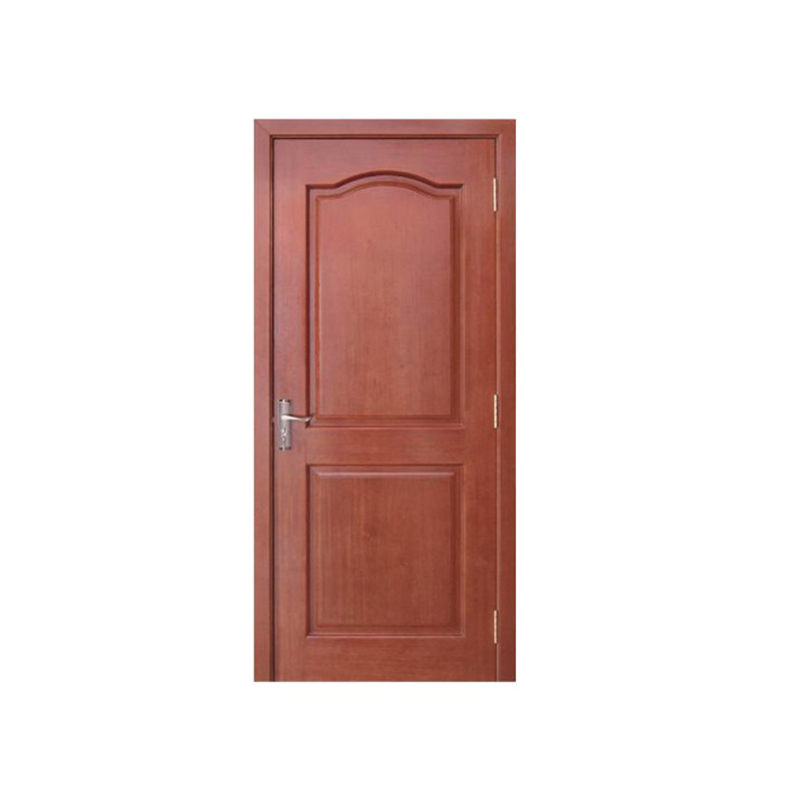
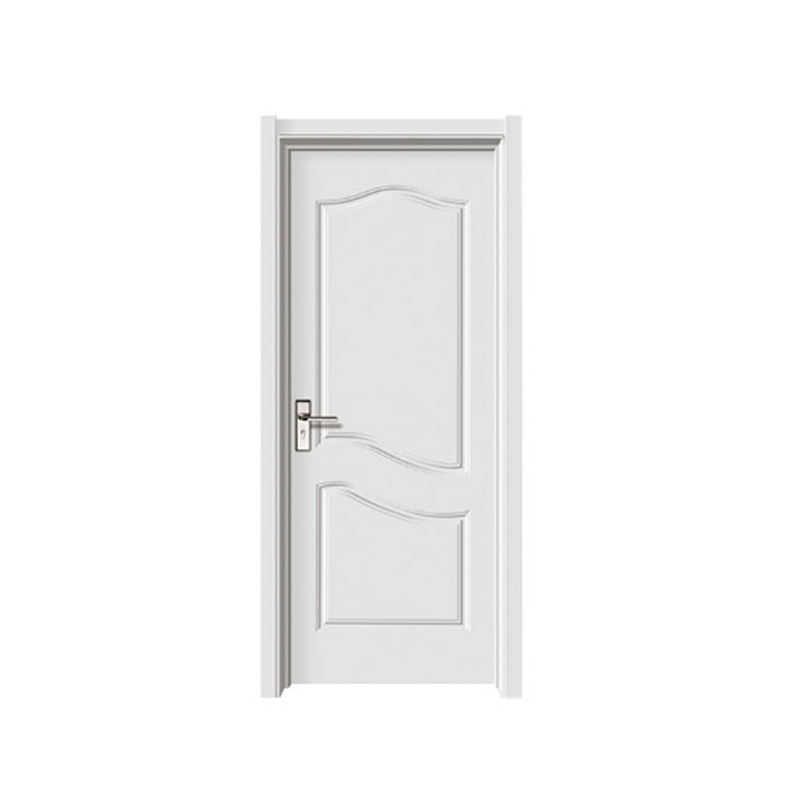
A PVC MDF Door has become a common option in both residential and commercial interiors. Instead of focusing only on appearance, many buyers now look at durability, maintenance, and overall cost when selecting doors. This shift has made composite materials more widely accepted across different types of projects.
A PVC MDF Door is typically made by combining a medium-density fiberboard core with a PVC surface layer. This structure allows the door to maintain a stable shape while offering a smooth and consistent finish.
The MDF core provides density and strength, which helps reduce warping under normal indoor conditions. The PVC layer, on the other hand, acts as a protective surface. It can resist moisture to a certain extent and is easier to clean compared to traditional painted wood surfaces.
This combination makes the door suitable for areas where environmental conditions may vary slightly, such as kitchens, bathrooms, or utility spaces.
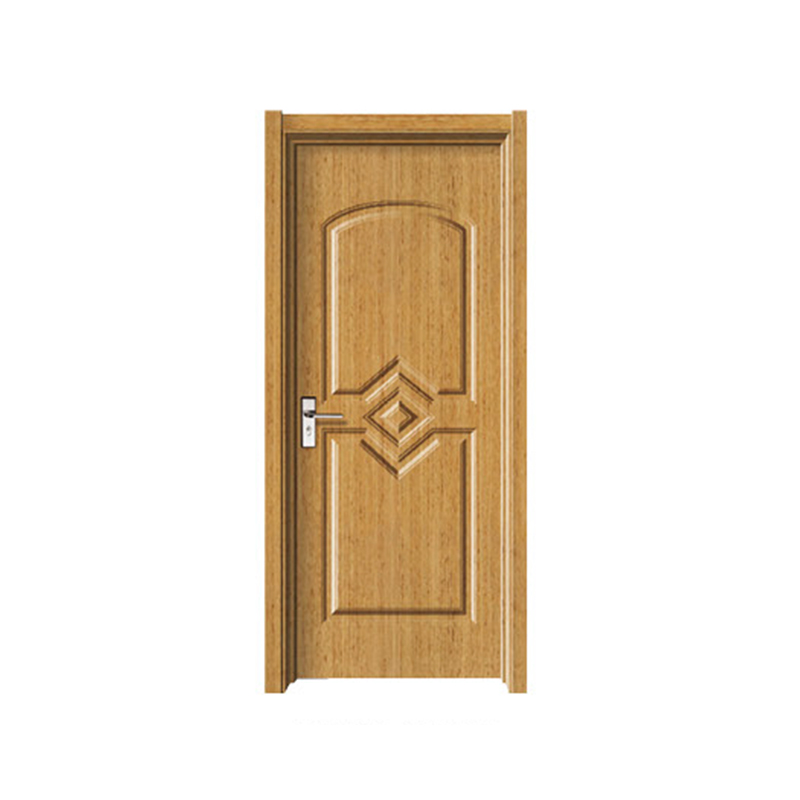
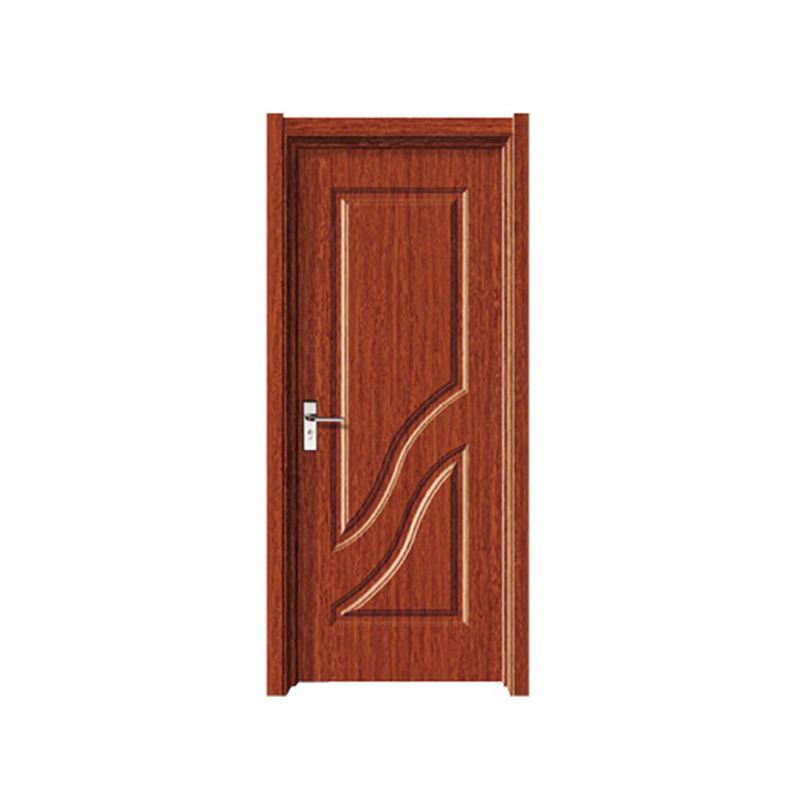
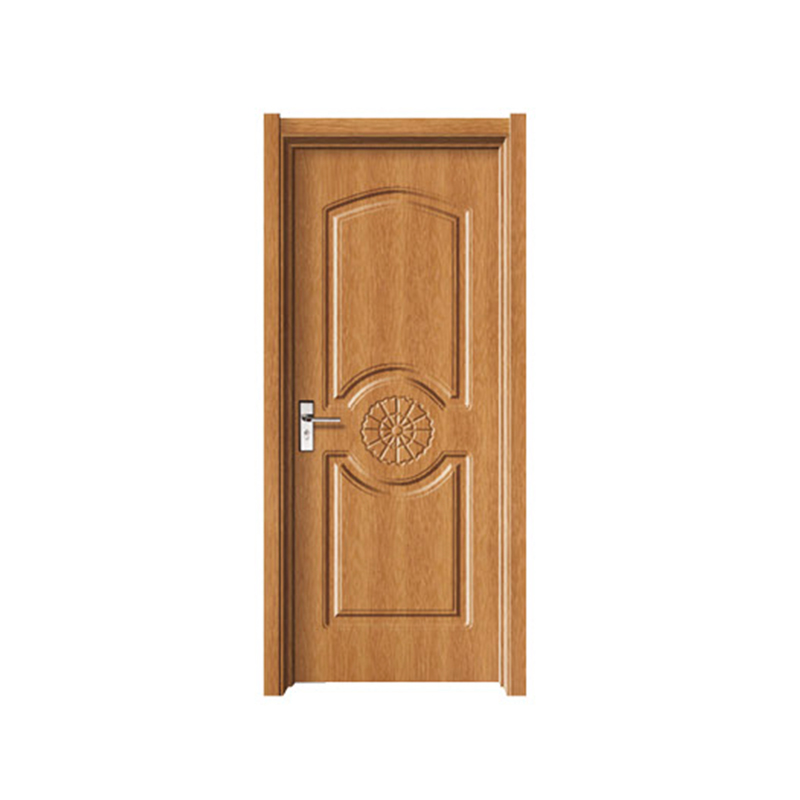
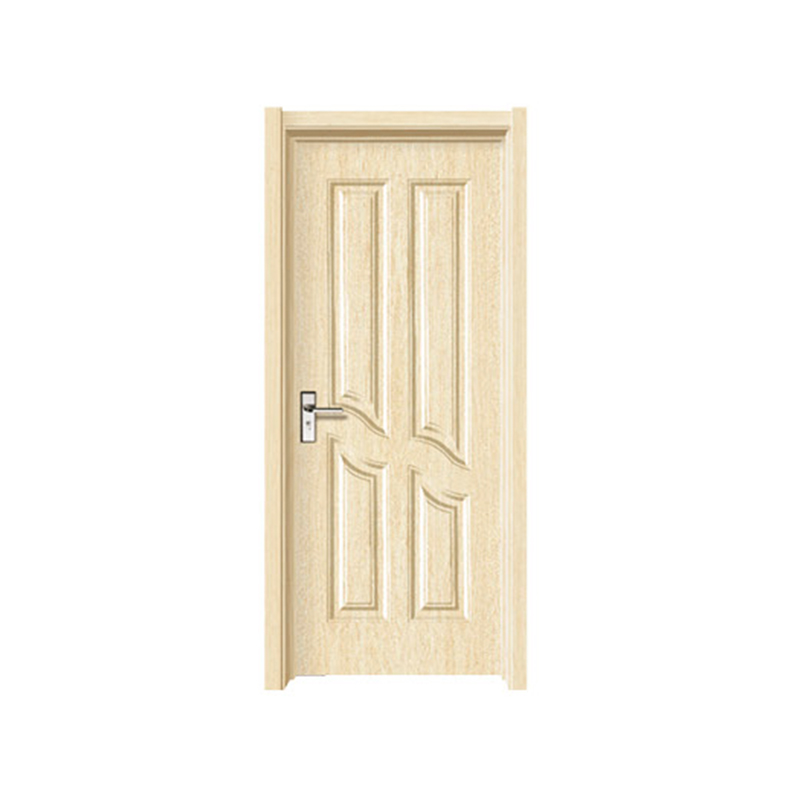
One advantage of a PVC MDF Door is its adaptability in design. The surface can be produced in different colors, patterns, and textures, including wood grain or solid finishes. This allows designers and contractors to match doors with various interior styles without needing multiple materials.
In large-scale projects, consistency is often important. Using the same type of door across multiple rooms can simplify installation and create a more uniform appearance. A PVC MDF Door supports this approach because its finish is manufactured rather than hand-applied, reducing visible variation.
From a practical perspective, installation plays a significant role in project efficiency. A PVC MDF Door is generally lighter than solid wood doors, which can make handling easier during transport and fitting.
Standard sizing options are widely available, and the material can be cut or adjusted on-site if needed. This helps installers deal with minor structural differences in door frames without requiring specialized tools.
In addition, pre-finished surfaces mean that no extra painting or coating is required after installation. This can reduce labor time and simplify project scheduling.
Maintenance is another reason why the PVC MDF Door is commonly used. The PVC surface does not require regular repainting and can be cleaned with basic household products. This is particularly useful in environments where doors are exposed to frequent contact, such as offices or rental properties.
While it is not intended for heavy outdoor exposure, the door performs reliably in indoor settings when used under appropriate conditions. Avoiding prolonged exposure to direct water or extreme temperatures helps extend its service life.
Budget planning is often a deciding factor in material selection. Compared to solid wood options, a PVC MDF Door typically offers a more balanced cost structure. It allows buyers to achieve a finished look without the additional expense associated with natural wood processing and finishing.
For developers or contractors managing multiple units, this cost difference can have a noticeable impact on overall project expenses. At the same time, the door still meets basic functional requirements for everyday use.
The use of a PVC MDF Door is not limited to one type of environment. It is commonly found in apartments, office buildings, hotels, and public facilities. Its versatility comes from the combination of consistent appearance, manageable cost, and straightforward installation.
In residential settings, it is often used for bedrooms or interior partitions. In commercial spaces, it can serve as an efficient solution for standard room layouts where uniformity is preferred.
A PVC MDF Door represents a practical approach to modern interior construction. By combining a stable core with a protective surface, it addresses common concerns such as maintenance, cost, and design consistency. As project requirements continue to evolve, this type of door remains a reliable option for a wide range of indoor applications.
Copyright © Zhejiang Shangpin Bense Home Furnishing Co., Ltd.

Wood Interior Door Manufacturer
 русский
 عربى
عربى Français
 Español