

2026-03-25
When people talk about interior design, they usually focus on furniture, lighting, or wall colors. Doors rarely become the center of the conversation. Yet they quietly shape how rooms connect and how a home feels as people move from one space to another.
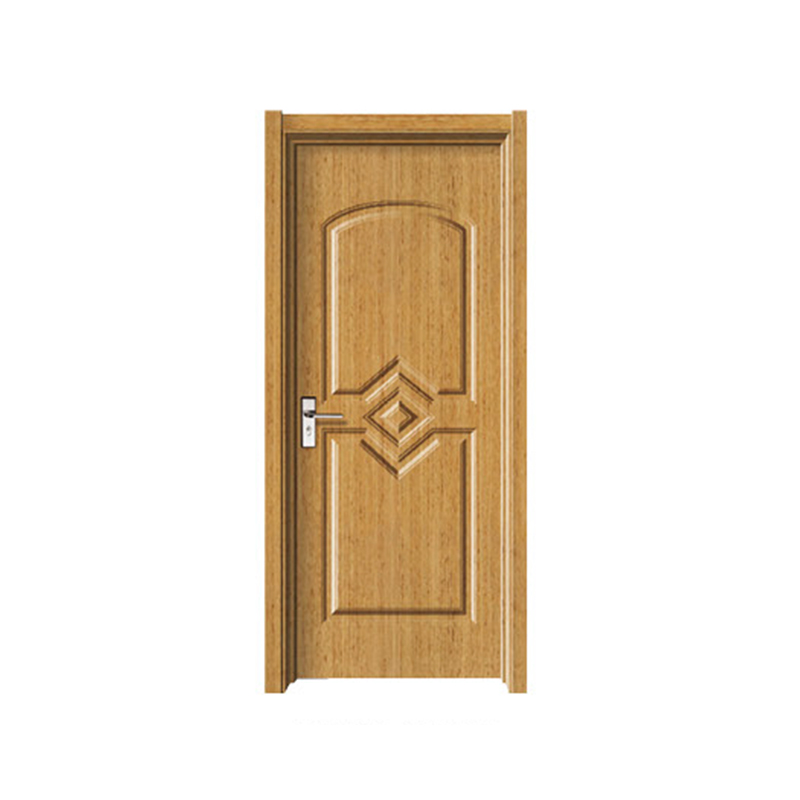
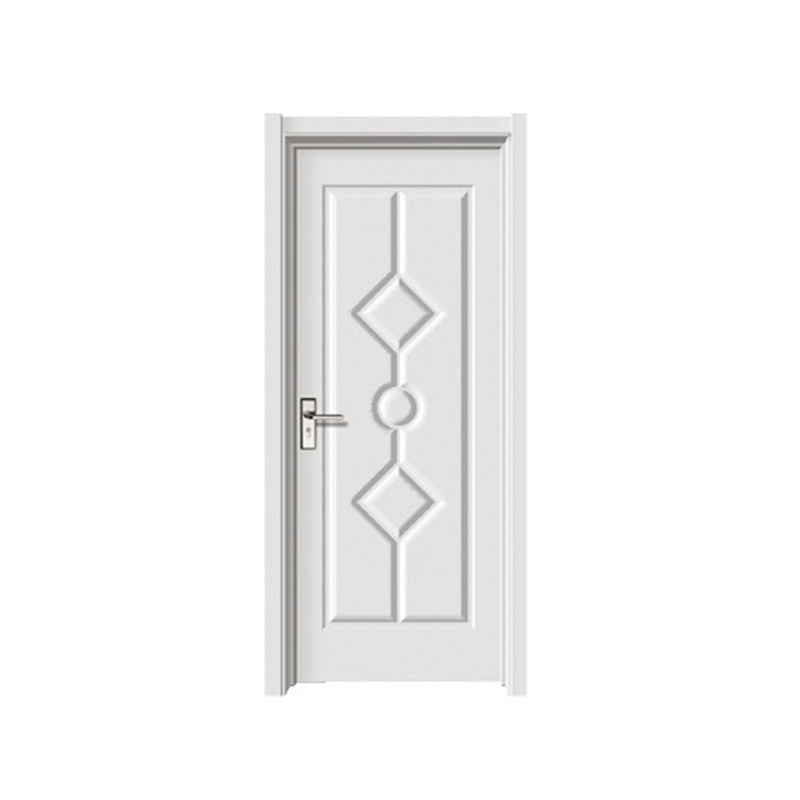
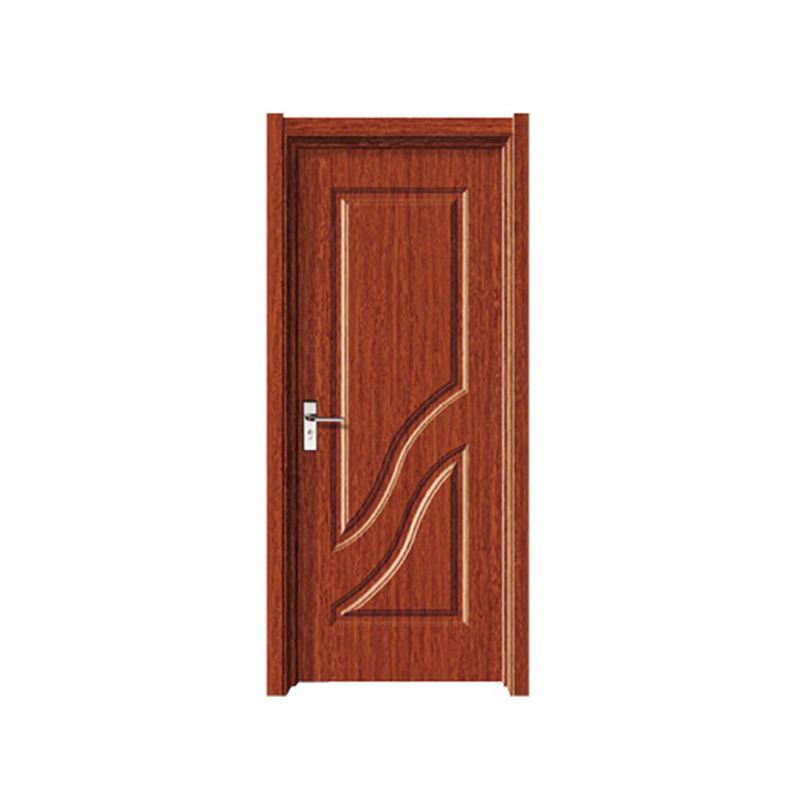
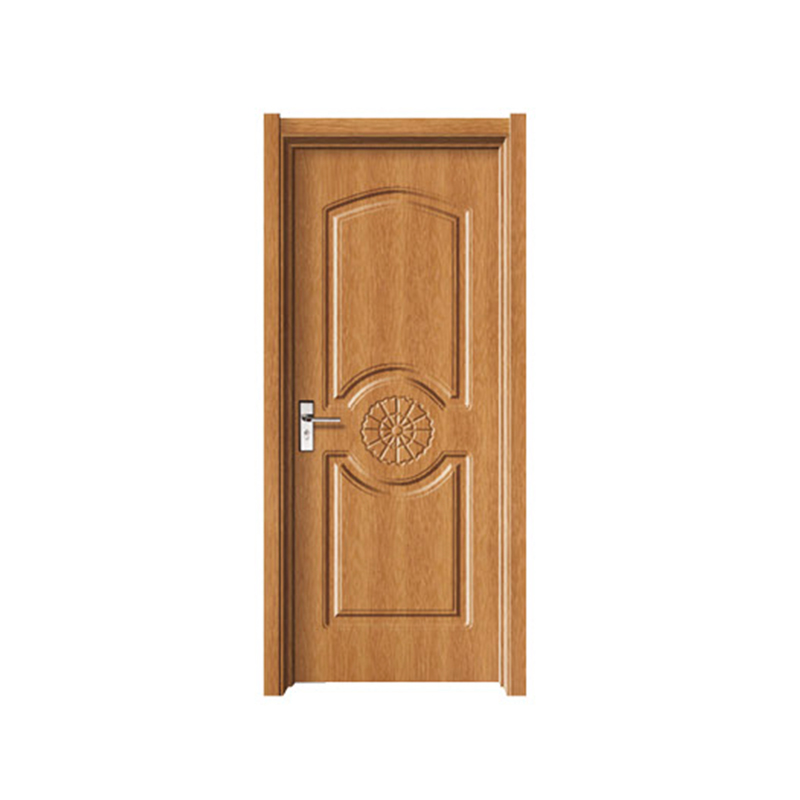
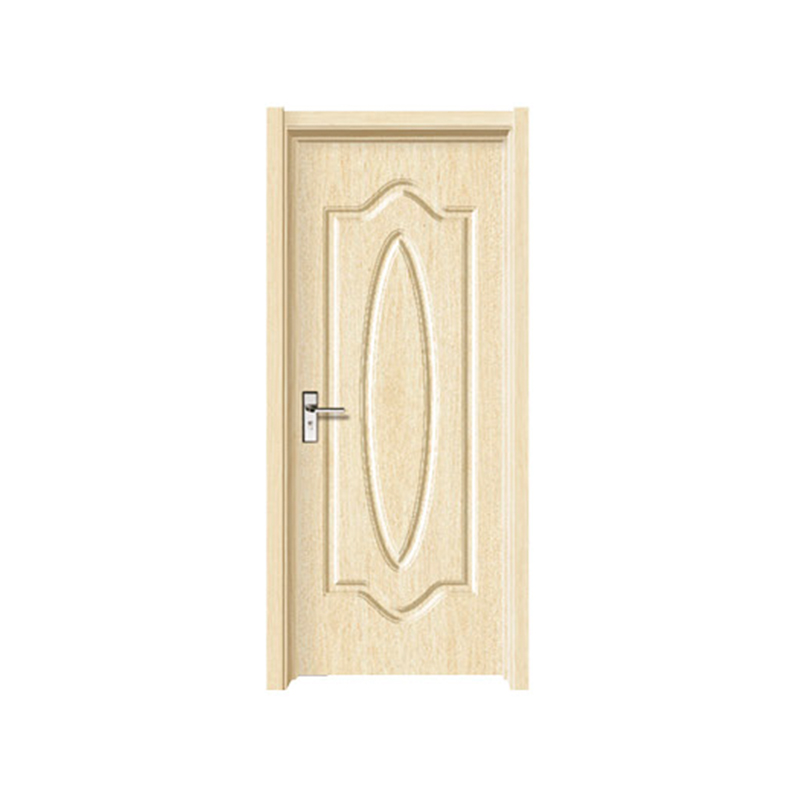
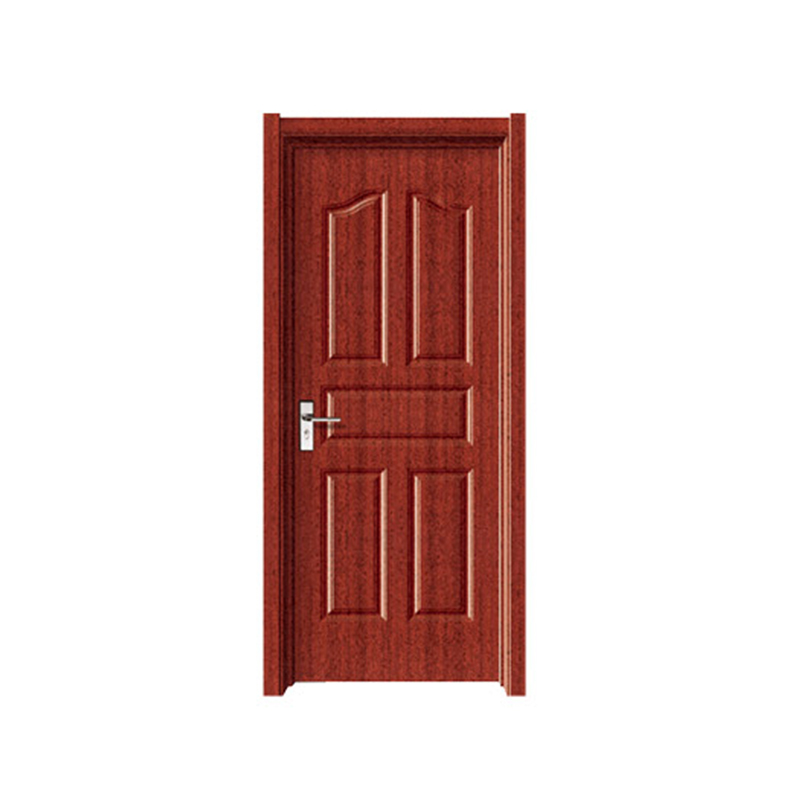
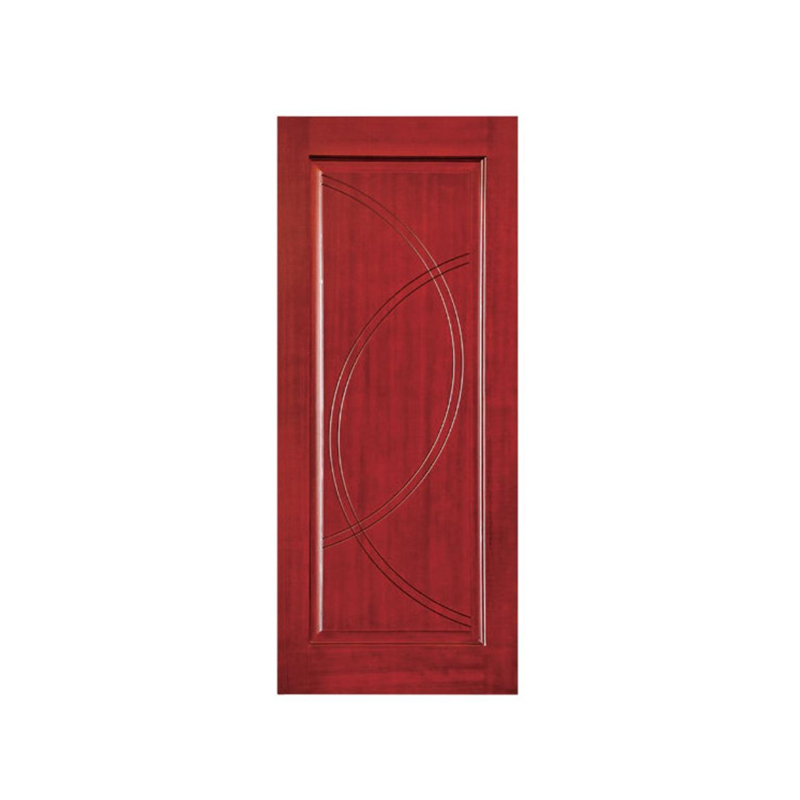
In many residential and commercial projects today, the PVC MDF Door is appearing more often. It is not simply a door panel; it reflects how building materials are adapting to modern construction needs, cost control, and design flexibility.
Rather than relying only on traditional solid wood, many designers now consider alternatives that provide consistent appearance and practical performance.
To understand why this type of door is used widely, it helps to look at its basic structure. A PVC MDF Door usually combines two main elements: an MDF core and a PVC surface layer.
This combination creates a door panel that balances appearance and functionality. The PVC layer can be applied through vacuum pressing or lamination, forming a smooth finish that covers the MDF surface evenly.
Because the decorative film can carry different textures, manufacturers can create designs that imitate wood grain, matte finishes, or simple color panels.
Modern interior spaces often follow consistent color themes. Cabinets, wall panels, and doors are expected to work together visually. One reason designers consider a PVC MDF Door is its ability to support many surface styles.
Common decorative options include:
This range allows designers to match doors with wardrobes, wall panels, or storage units. Instead of treating the door as a separate object, it becomes part of a broader visual system.
In apartment renovations, this approach helps create a more unified environment, especially in smaller living spaces where visual continuity matters.
Different building projects require materials that are easy to install and maintain. Because of its balanced structure, a PVC MDF Door can be found in several environments.
| Application Area | Reason for Use |
| Residential homes | Decorative flexibility and practical cost |
| Apartment developments | Consistent appearance across many units |
| Hotels and guest rooms | Coordinated interior design themes |
| Office interiors | Neutral style that fits modern partitions |
For developers working on large housing projects, standardized door sizes and finishes can simplify procurement and installation.
A door experiences frequent contact. It is opened, closed, pushed, and sometimes bumped by furniture or bags. Because of this daily interaction, maintenance becomes an important factor.
A PVC MDF Door generally requires simple cleaning. The PVC surface can usually be wiped with a damp cloth to remove dust or light stains. This can be helpful in family homes, rental apartments, or hospitality spaces where cleaning routines need to stay simple.
Of course, installation quality still matters. Proper hinges, aligned frames, and stable indoor humidity help maintain the door’s shape and appearance over time.
Interior design is often influenced by many small decisions rather than one dramatic change. Doors are part of this process. They affect how rooms connect visually and functionally.
The growing use of the PVC MDF Door reflects how builders and designers are exploring materials that fit modern construction workflows. It offers decorative flexibility, practical structure, and compatibility with different interior styles.
While a door might seem like a minor component in a renovation plan, its design, surface finish, and durability all contribute to the overall experience of a space. In that sense, choosing the right door material can quietly shape how people live and move within their homes.
Copyright © Zhejiang Shangpin Bense Home Furnishing Co., Ltd.

Wood Interior Door Manufacturer
 русский
 عربى
عربى Français
 Español