

2026-03-20
When people think about interior design, they often imagine furniture, lighting, or wall finishes. Doors are usually noticed only when they are missing or damaged. Yet behind every door installed in a home, office, or hotel, there is a long process of design, material preparation, and manufacturing. This process often begins in a Composite Wooden Door Factory, where materials and production methods come together to create doors suited for everyday spaces.
As building styles evolve, manufacturers have to adjust not only their designs but also how they organize production. A modern Composite Wooden Door Factory is no longer just a workshop focused on cutting wood panels. It is a place where materials, machines, and design ideas interact throughout several stages of production.
Composite wooden doors are typically built using multiple layers rather than a single piece of timber. Inside a Composite Wooden Door Factory, the production process begins with selecting materials such as MDF boards, solid wood strips, or engineered cores. These components are combined to create a stable internal structure.
The layered construction helps reduce issues such as warping or uneven surfaces. After the internal frame is assembled, the door panel is pressed and shaped to reach the required thickness and dimensions.
This stage may seem straightforward, but it sets the foundation for the door’s performance. A consistent panel structure makes later finishing steps easier and helps ensure that doors fit properly during installation.
After the door core is prepared, attention shifts to appearance. In many projects, the surface design determines how well the door matches the surrounding interior.
Inside a Composite Wooden Door Factory, several finishing options may be used:
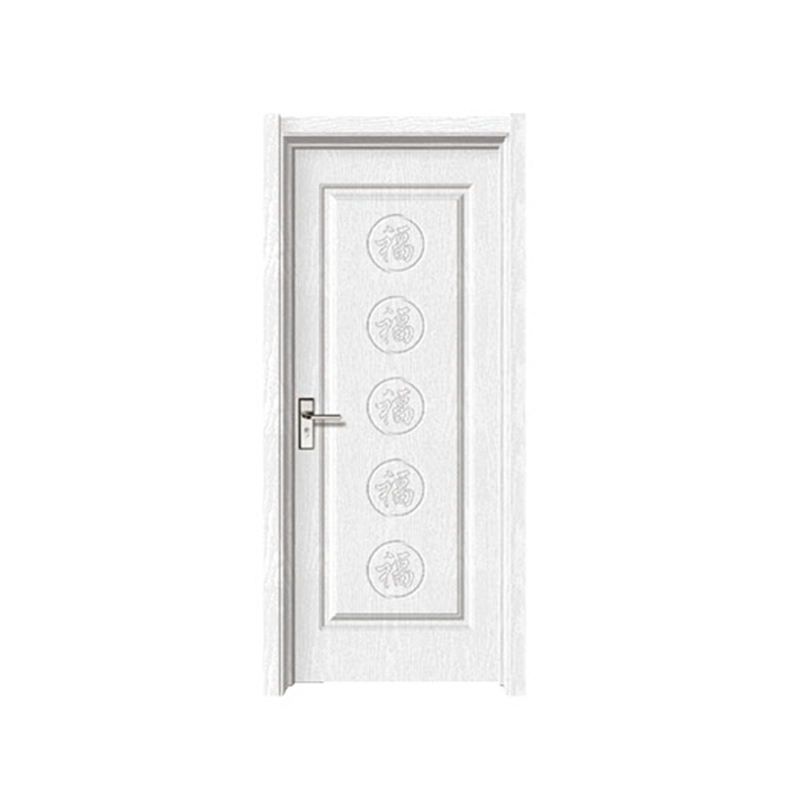
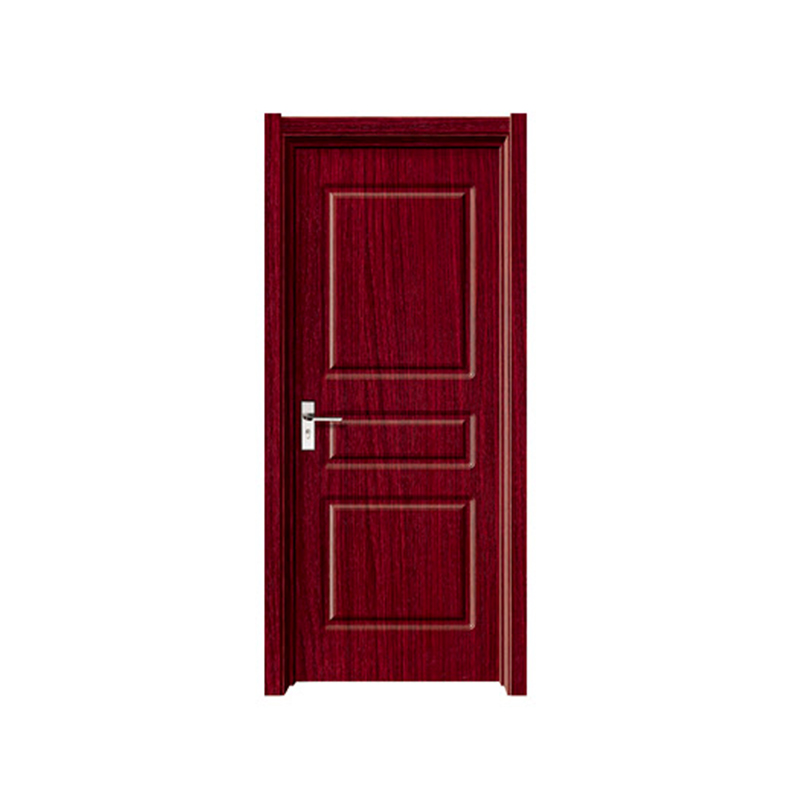
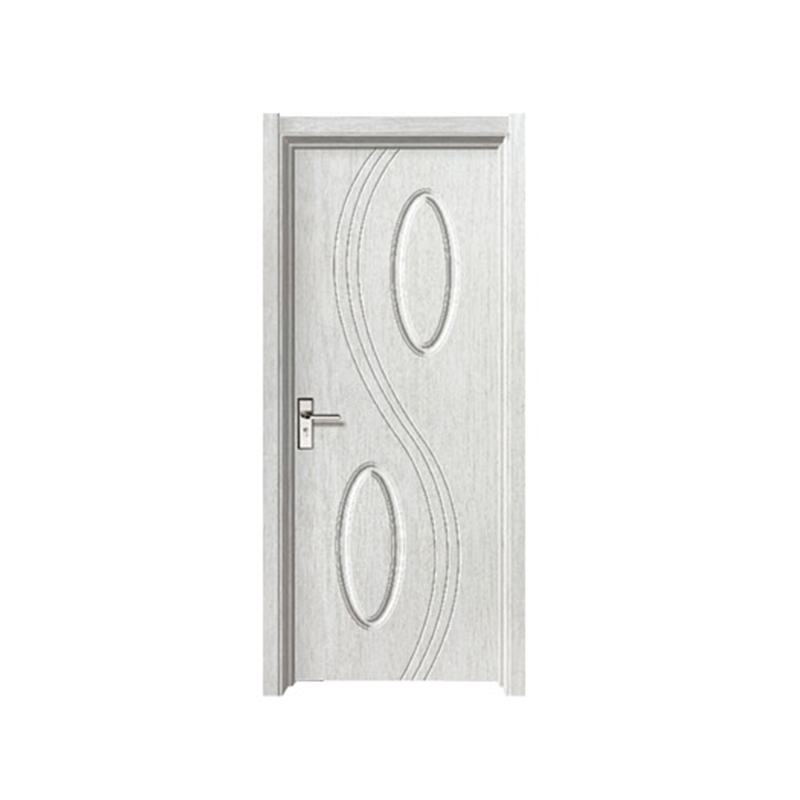
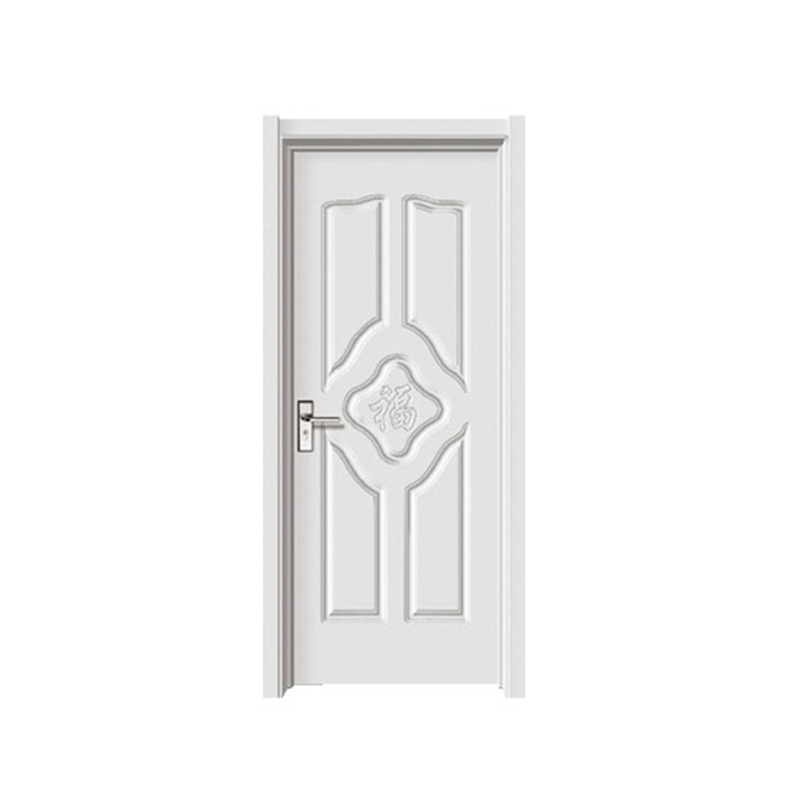
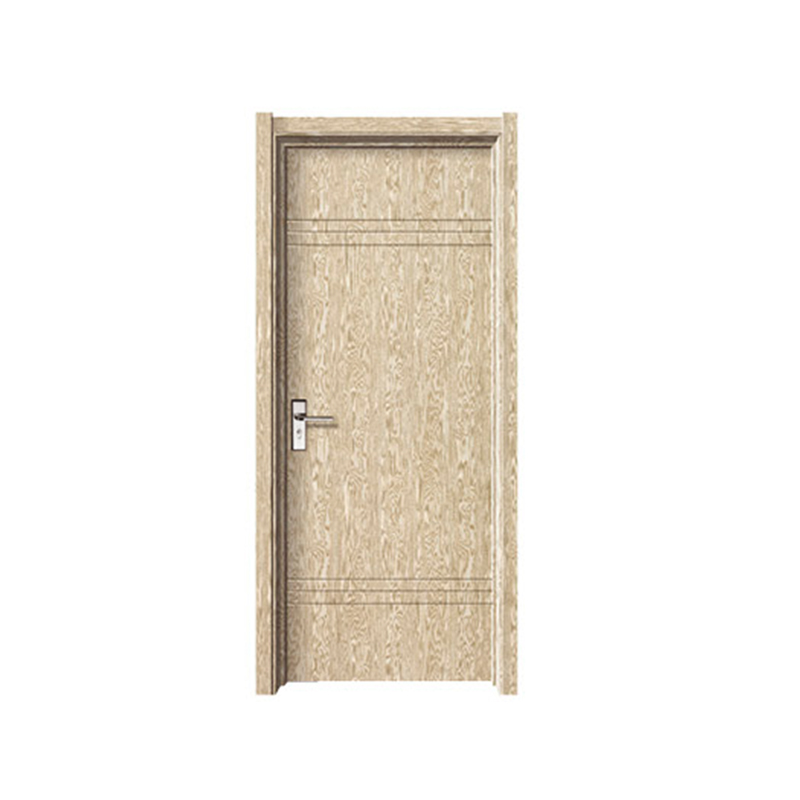
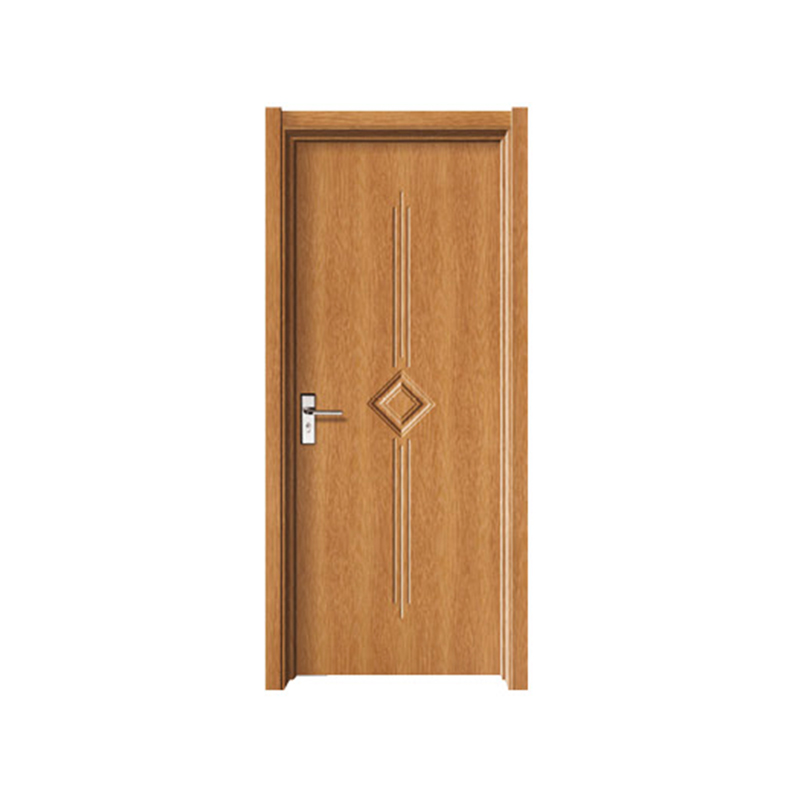
These finishing processes allow designers to coordinate doors with flooring, cabinets, or wall panels. Instead of producing only a few standard styles, manufacturers often maintain a broader range of patterns to meet different project needs.
For example, apartment buildings may prefer neutral tones, while boutique hotels might choose deeper wood textures or decorative panel lines.
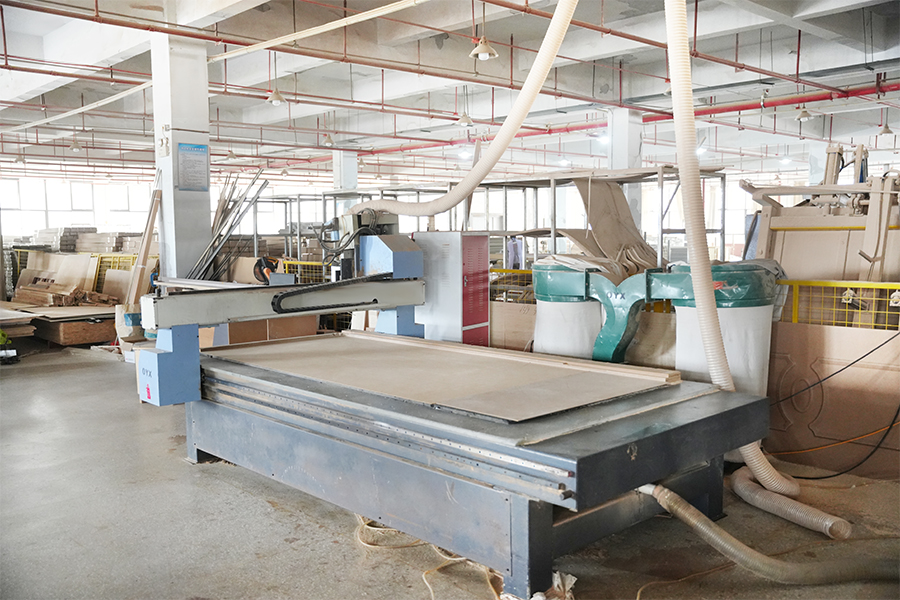
Although craftsmanship still matters, many factories now organize production lines to maintain consistency across large orders. A typical Composite Wooden Door Factory may divide its workflow into several steps.
| Production Stage | Main Task |
| Material preparation | Cutting boards and preparing internal frames |
| Panel pressing | Forming the door core structure |
| Surface finishing | Applying film, paint, or laminate |
| Edge sealing | Protecting edges and improving durability |
| Inspection & packing | Checking size, appearance, and packaging |
This structured flow helps manufacturers handle both small custom orders and large construction projects.
The construction industry often works on tight schedules. Residential complexes, office buildings, and hotels may require hundreds or even thousands of doors within a limited timeframe. Because of this, a Composite Wooden Door Factory must balance production efficiency with design flexibility.
Factories often keep commonly used sizes and materials ready in advance. This preparation allows them to adjust quickly when new orders arrive. At the same time, customization remains possible through surface finishes or panel shapes.
This balance is especially useful for developers who want consistent interior design across multiple units while still allowing minor style variations.
Doors may not receive the same attention as furniture or lighting, yet they influence how people move through a building and how rooms connect with one another. The work carried out inside a Composite Wooden Door Factory quietly supports these everyday interactions.
From layered core structures to decorative surface treatments, each step contributes to a door that fits both functional and visual needs. As interior trends continue to shift toward practical materials and coordinated design, factories that produce composite wooden doors remain an important part of the construction supply chain.
In the end, a door is more than a simple panel on hinges—it reflects the planning, materials, and production work that happened long before it reached the building site.
Copyright © Zhejiang Shangpin Bense Home Furnishing Co., Ltd.

Wood Interior Door Manufacturer
 русский
 عربى
عربى Français
 Español