

2026-03-13
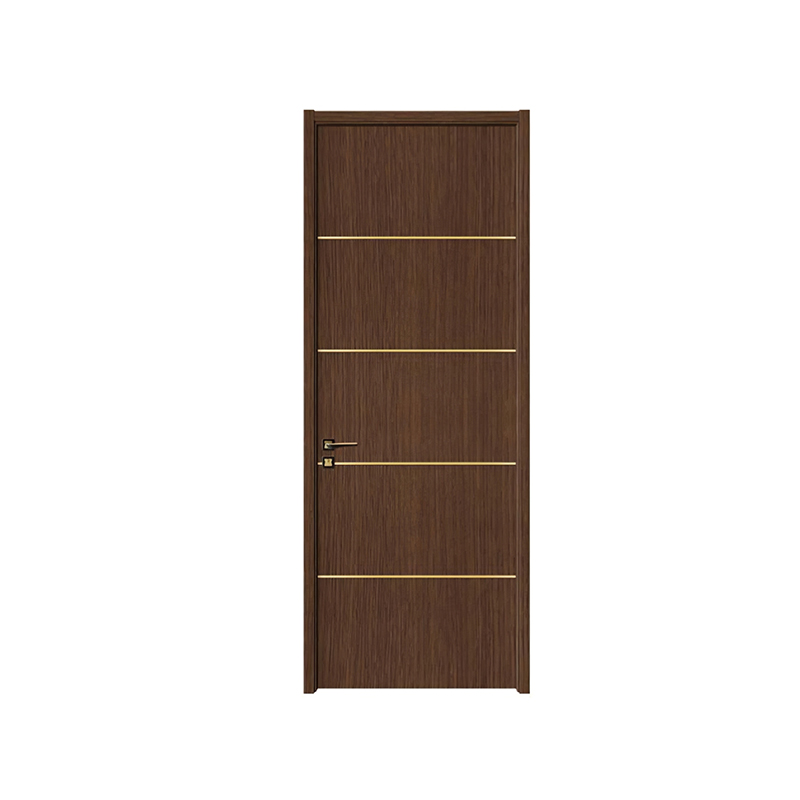
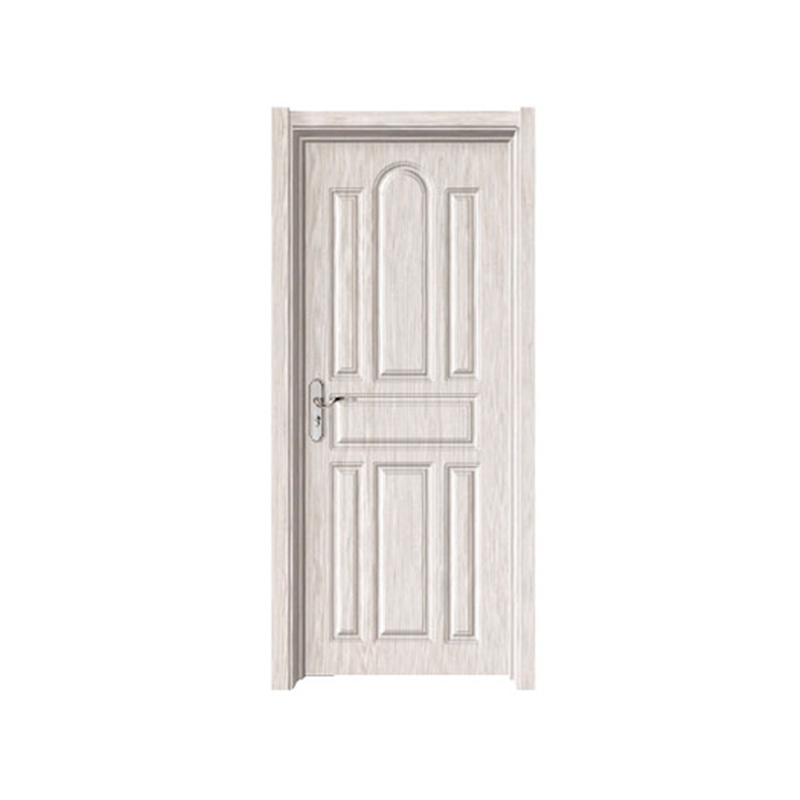
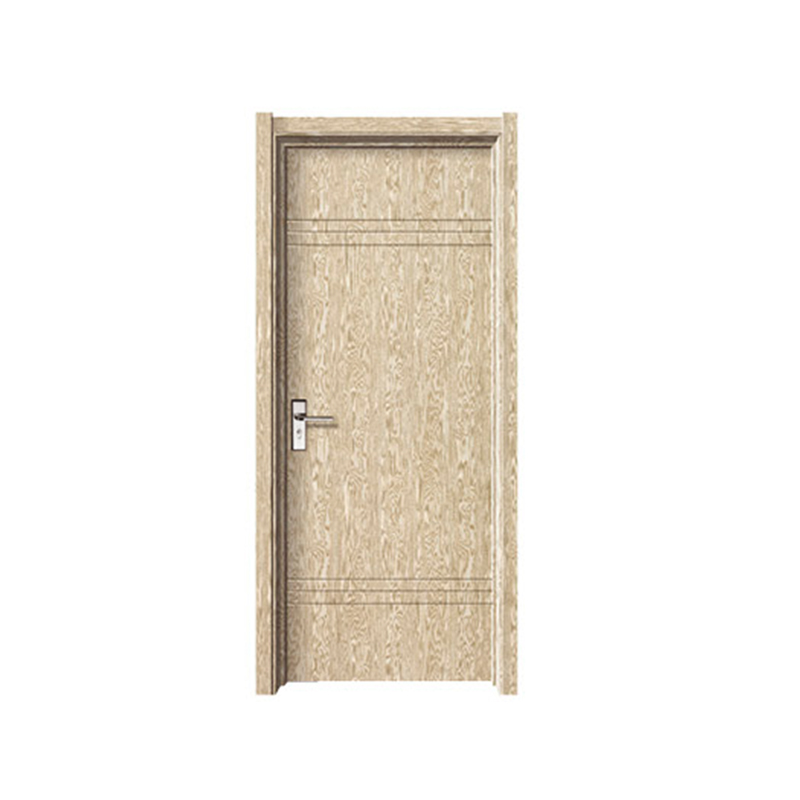
Interior doors rarely receive the same attention as flooring or furniture, yet they influence how rooms connect and how a design theme flows through a space. In recent renovation projects, designers have shown growing interest in combining natural materials with subtle color finishes. One result of this approach is the Veneer Painted Door.
This type of door blends two elements that are often treated separately: the organic look of wood veneer and the controlled finish of painted surfaces. Instead of choosing between raw wood texture and a solid paint color, the Veneer Painted Door allows both to exist in the same design language.
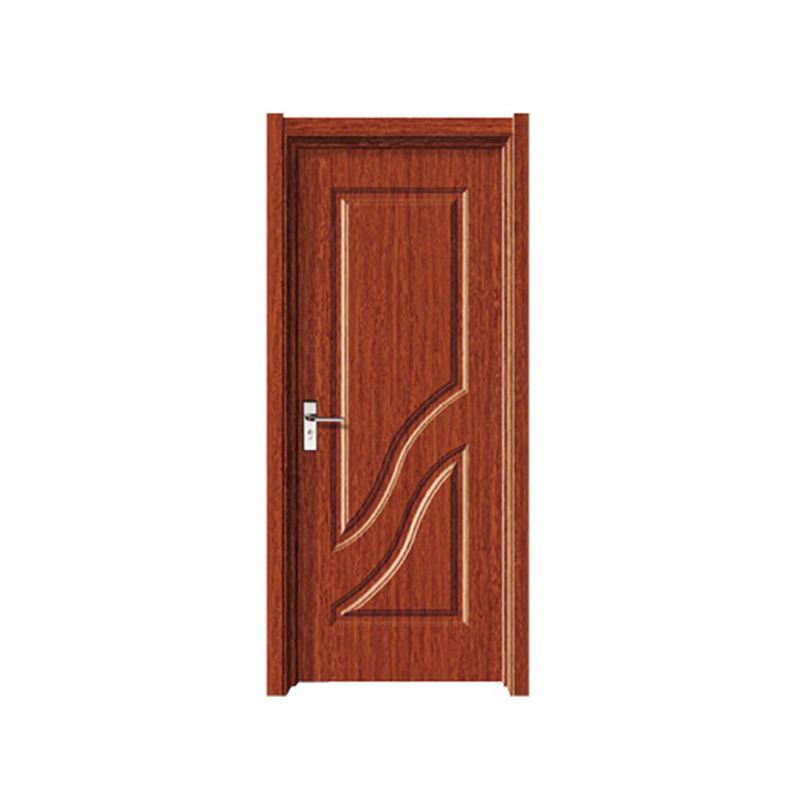
To understand why this door style is gaining attention, it helps to look at how it is made. A Veneer Painted Door generally uses an engineered wood core with a layer of real wood veneer on the surface. Afterward, selected areas or the entire panel receive a painted finish.
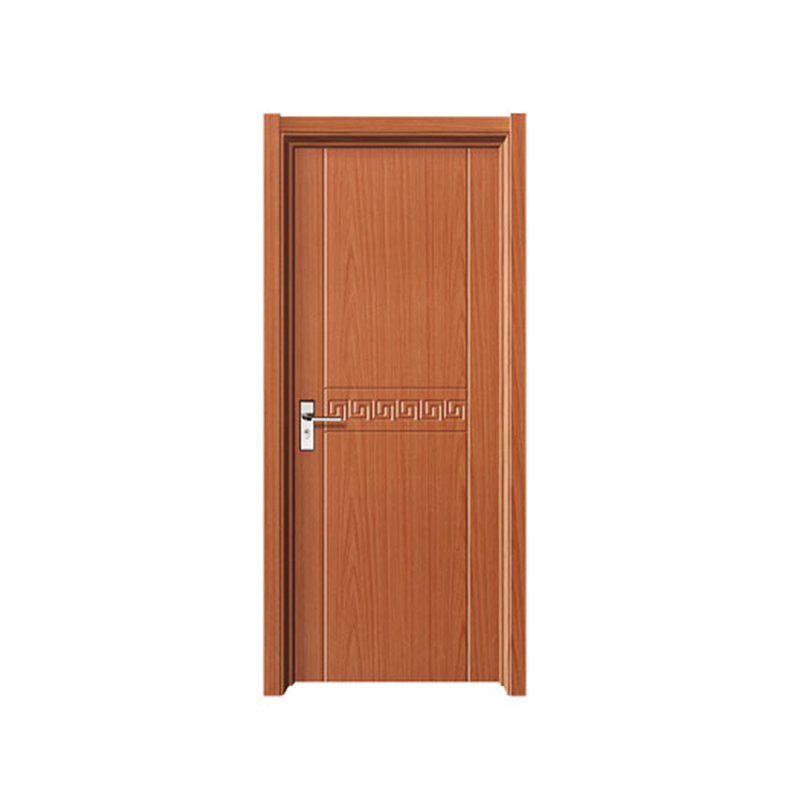
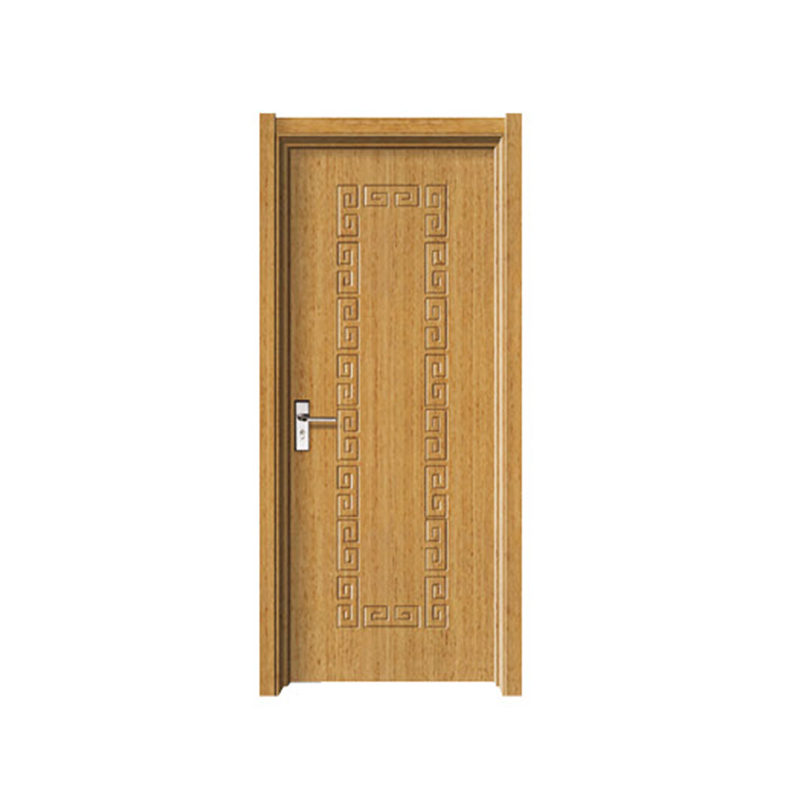
The combination creates a layered visual effect. Wood grain remains visible in some sections, while painted surfaces provide color consistency.
This approach brings several practical outcomes:
Because of this structure, designers can treat doors as design elements rather than just room dividers.
Interior trends often shift between minimalism and more decorative environments. One reason the Veneer Painted Door adapts well is its ability to move between these styles without appearing out of place.
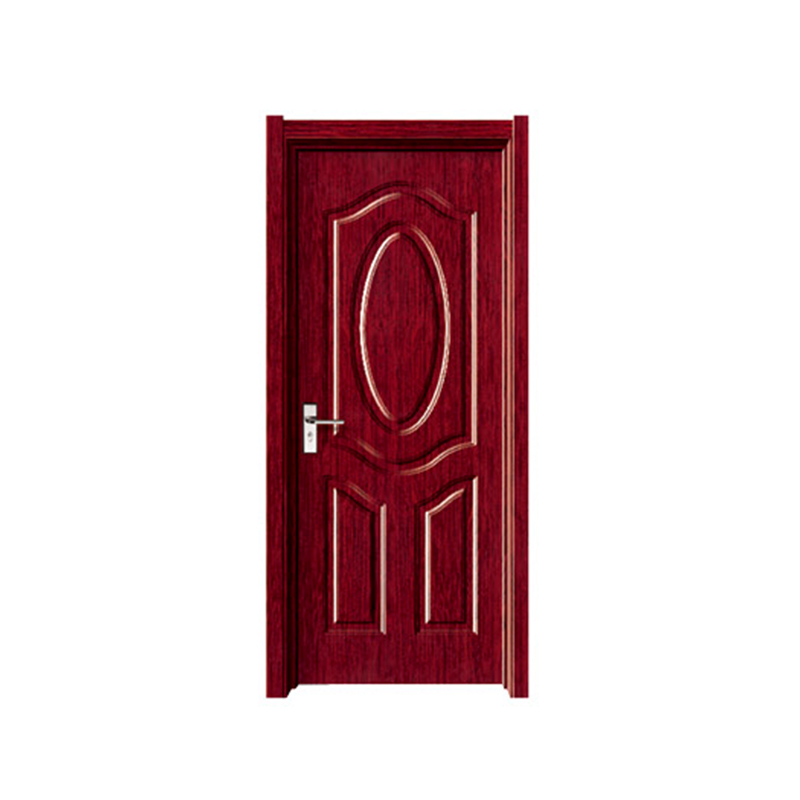
In modern apartments, the door may feature a calm neutral tone combined with light wood grain. In more traditional homes, deeper colors and framed panels may be used.
Some common style directions include:
These combinations help maintain visual warmth while still allowing a structured color palette across the home.
Different rooms require different levels of visual attention. A Veneer Painted Door can adapt to several interior environments without dominating the overall design.
| Space | Design Benefit |
| Bedrooms | Warm texture with calm color tones |
| Living areas | Decorative panels that connect rooms visually |
| Offices | Neutral finish that fits modern workspaces |
| Boutique hotels | Wood detail that supports interior themes |
Because of this versatility, architects and interior planners sometimes include this door style in both residential and small commercial projects.
When selecting interior materials, maintenance is often part of the conversation. The painted surface of a Veneer Painted Door typically receives protective coating layers, which help reduce visible wear from daily contact.
Cleaning usually involves simple steps such as wiping the surface with a soft cloth. The veneer layer should be protected from excessive moisture, but under normal indoor conditions it maintains its appearance for long periods.
Another advantage is that minor scratches in painted sections can sometimes be repaired more easily than unfinished wood surfaces. This makes the door suitable for homes where daily activity may leave small marks over time.
Design trends often circle back to the idea of combining natural materials with controlled finishes. The Veneer Painted Door reflects this direction by blending visible wood grain with painted surfaces that match modern interiors.
Instead of treating doors as purely functional components, this approach encourages designers to view them as part of the room’s visual rhythm. The result is not dramatic or overly decorative, but it adds quiet detail to the interior environment.
In the end, the Veneer Painted Door demonstrates how thoughtful material combinations can bring texture, color, and structure together in a simple architectural element.
Copyright © Zhejiang Shangpin Bense Home Furnishing Co., Ltd.

Wood Interior Door Manufacturer
 русский
 عربى
عربى Français
 Español