

2026-03-06
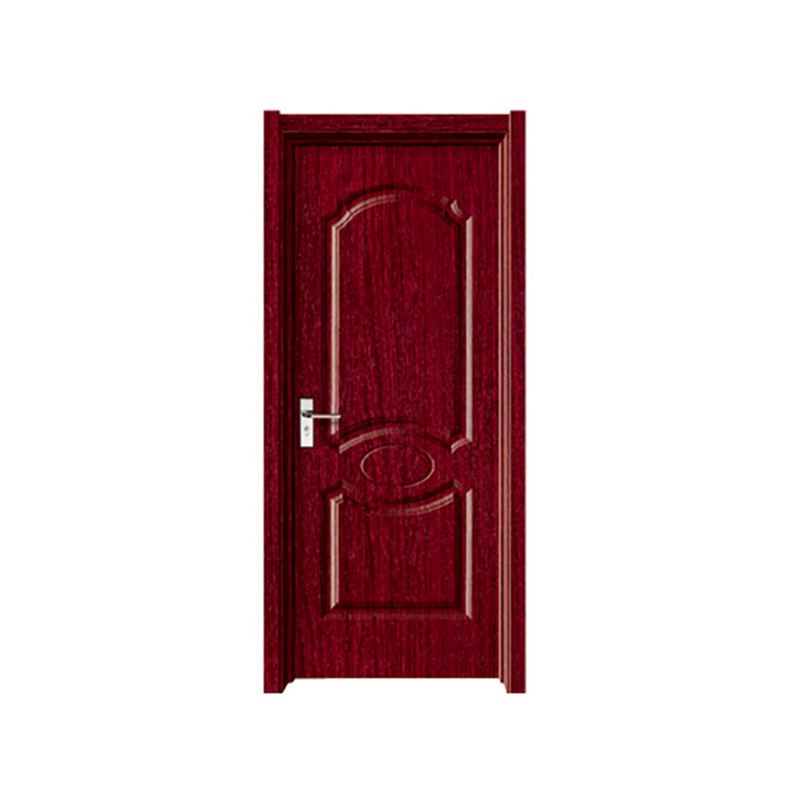
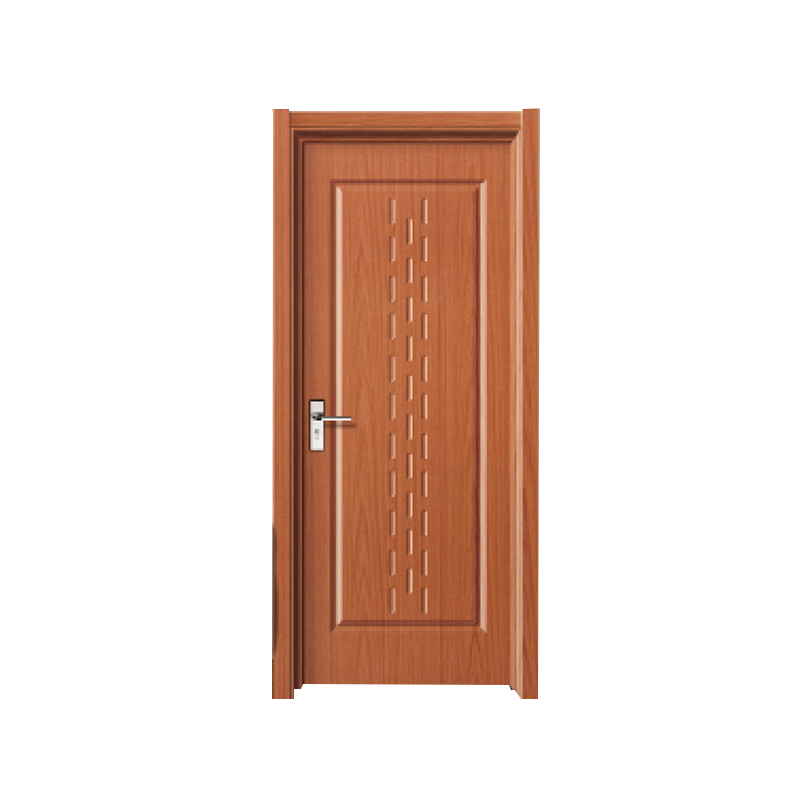
Interior design is often shaped by materials that quietly support daily life. While flooring and wall finishes usually receive attention, doors also play a significant role in shaping a space. In many renovation projects and new housing developments, the PVC MDF Door has started to appear more frequently.
Its structure combines medium-density fiberboard with a PVC surface layer, creating a door panel that balances appearance, cost considerations, and practical use. Instead of being viewed as a simple functional object, a PVC MDF Door can influence both layout and visual continuity in modern interiors.
A door interacts with the environment every day—opening, closing, absorbing humidity, and occasionally facing scratches or stains. Because of this, material selection becomes important during the planning stage.
The construction of a PVC MDF Door usually includes an MDF core wrapped with a PVC film or coating. This outer layer helps reduce moisture absorption while allowing different textures or colors to be applied.
Compared with some traditional wooden options, this structure offers several practical characteristics:
For developers working on apartment projects or hotels, these characteristics often simplify installation and interior coordination.
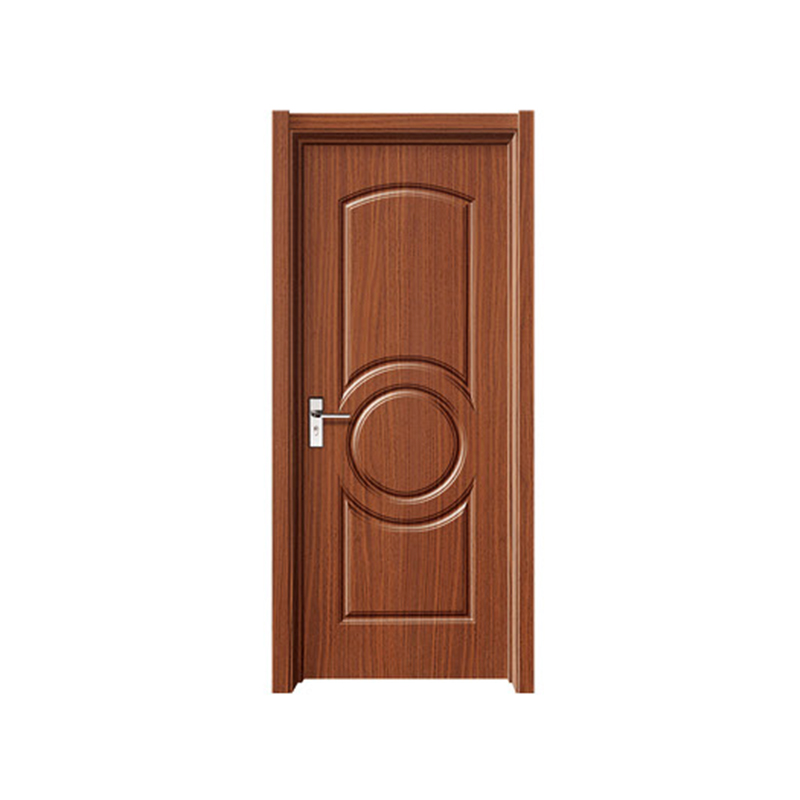
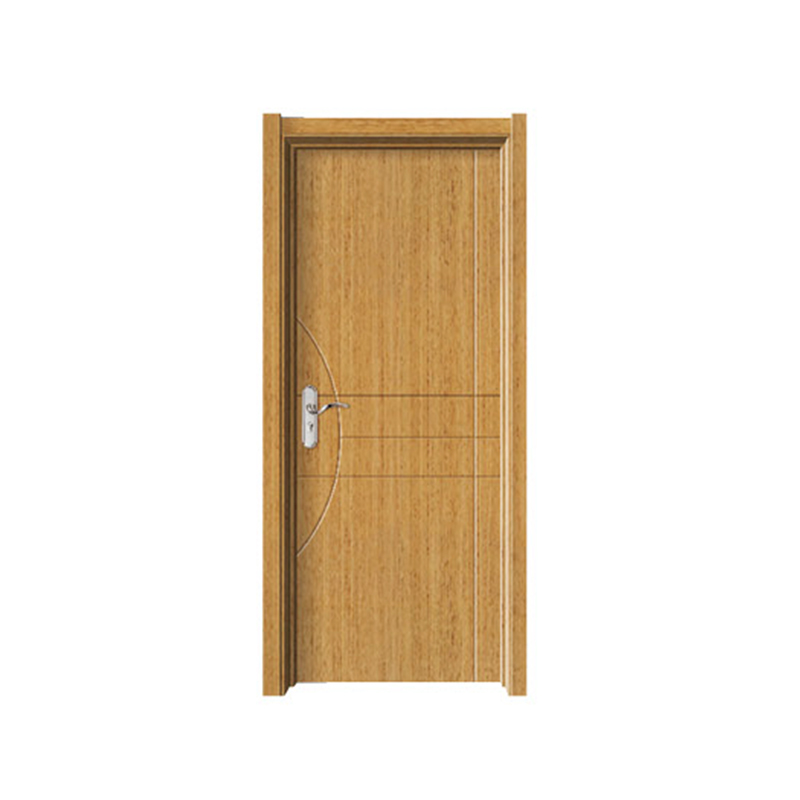
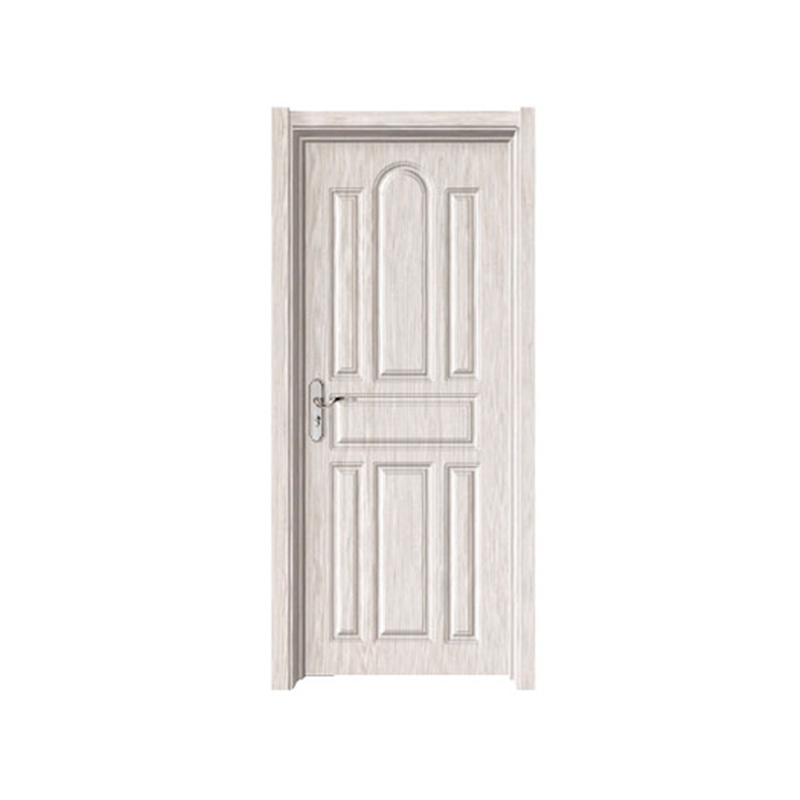
Modern interior design often aims for consistency between walls, cabinets, and doors. Because the PVC surface can be printed or embossed, a PVC MDF Door can visually match other elements in the room.
Common styles include:
These options make it easier for designers to build cohesive environments without relying only on solid wood materials. In smaller apartments, a unified surface style can help rooms feel less fragmented.
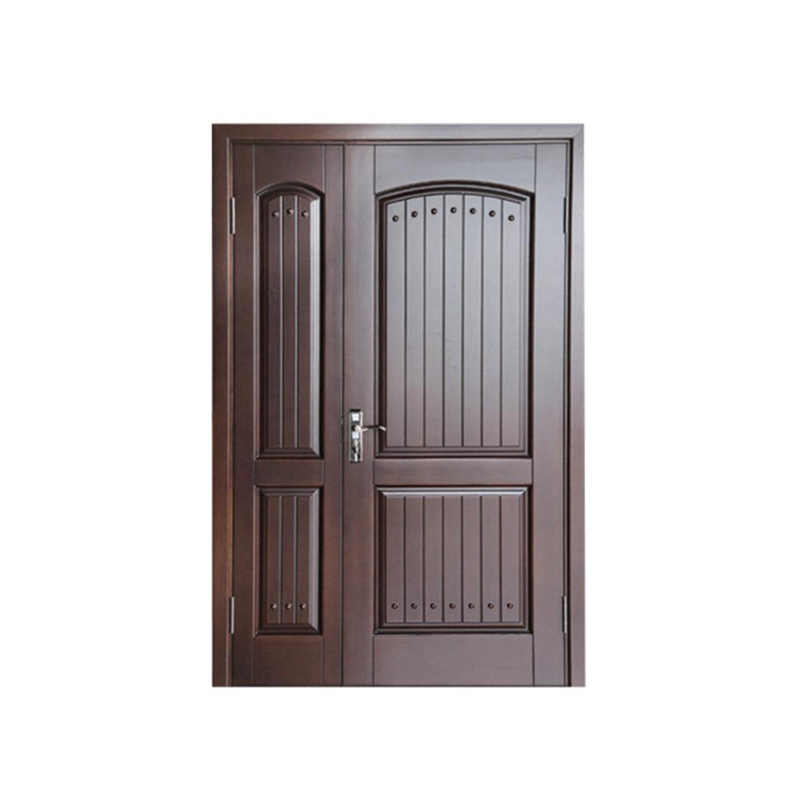
Another advantage is that the panel surface can support carved or molded shapes. Simple geometric lines or framed panels allow the door to complement both modern and traditional layouts.
The PVC MDF Door appears in many interior environments. Its adaptability allows it to serve different purposes depending on the project.
| Application Area | Typical Reason for Use |
| Residential bedrooms | Decorative appearance with moderate cost |
| Apartment projects | Consistent design across many units |
| Hotels and guest rooms | Easy coordination with interior themes |
| Office interiors | Neutral styles that match partition systems |
Because these environments require repeated installation of similar components, a standardized door structure can help reduce construction complexity.
Maintenance is often overlooked during renovation planning. However, daily cleaning and long-term durability affect the overall experience of living in a space.
A PVC MDF Door generally requires simple care. The surface can be cleaned with a damp cloth, and the protective film reduces the chance of minor stains penetrating the panel. For households with children or frequent use, this feature can make regular upkeep easier.
That said, like many composite materials, proper installation and ventilation remain important. Good hardware alignment and dry indoor conditions help maintain the door's structure over time.
Doors are rarely the centerpiece of a room, yet they influence how spaces connect and function. The increasing presence of the PVC MDF Door in residential and commercial interiors reflects a shift toward materials that combine visual flexibility with practical construction.
Instead of focusing only on traditional materials, designers and builders are exploring options that fit modern construction timelines and lifestyle patterns. Within this context, the PVC MDF Door serves as a practical component that supports both design consistency and everyday convenience.
In many ways, it shows that even simple architectural elements can shape how we experience interior spaces.
Copyright © Zhejiang Shangpin Bense Home Furnishing Co., Ltd.

Wood Interior Door Manufacturer
 русский
 عربى
عربى Français
 Español