

2026-02-24
Interior doors play an important role in both functionality and visual design. A PVC MDF Door has become a common choice in residential and commercial buildings due to its balanced combination of structure, appearance, and practicality. By combining medium-density fiberboard with a PVC surface layer, this type of door meets everyday usage needs while offering flexibility in design.
A PVC MDF Door is built with an MDF core, which is engineered from wood fibers bonded under pressure. This core provides a smooth and stable base that supports consistent shaping and finishing. The surface is then covered with a PVC film using heat and vacuum pressing, forming a sealed outer layer.
The PVC layer improves resistance to moisture and surface wear, while the MDF core ensures dimensional stability. This combination makes the door suitable for indoor environments where temperature and humidity may vary.
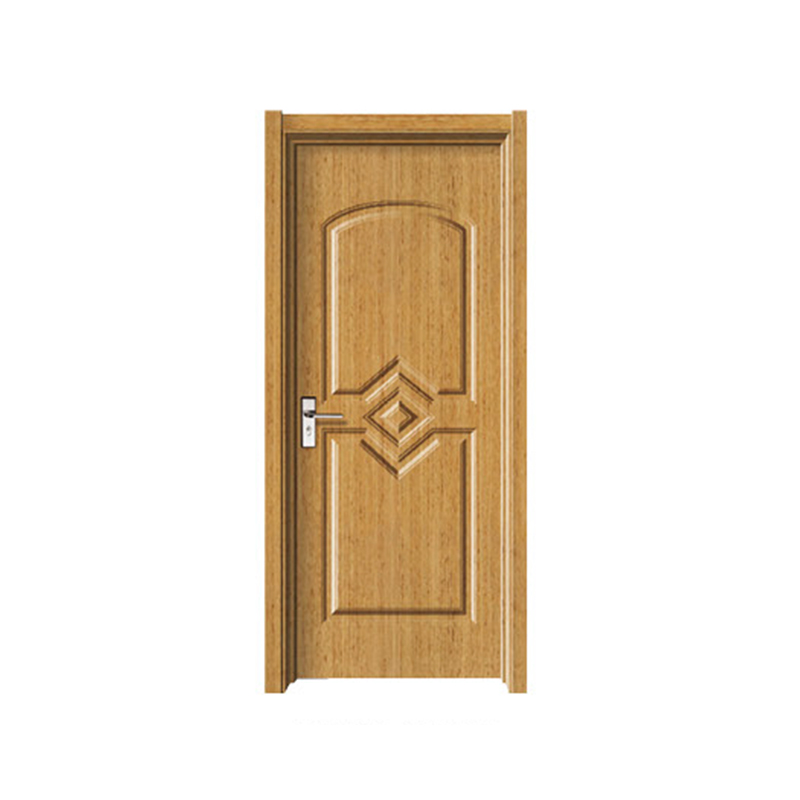
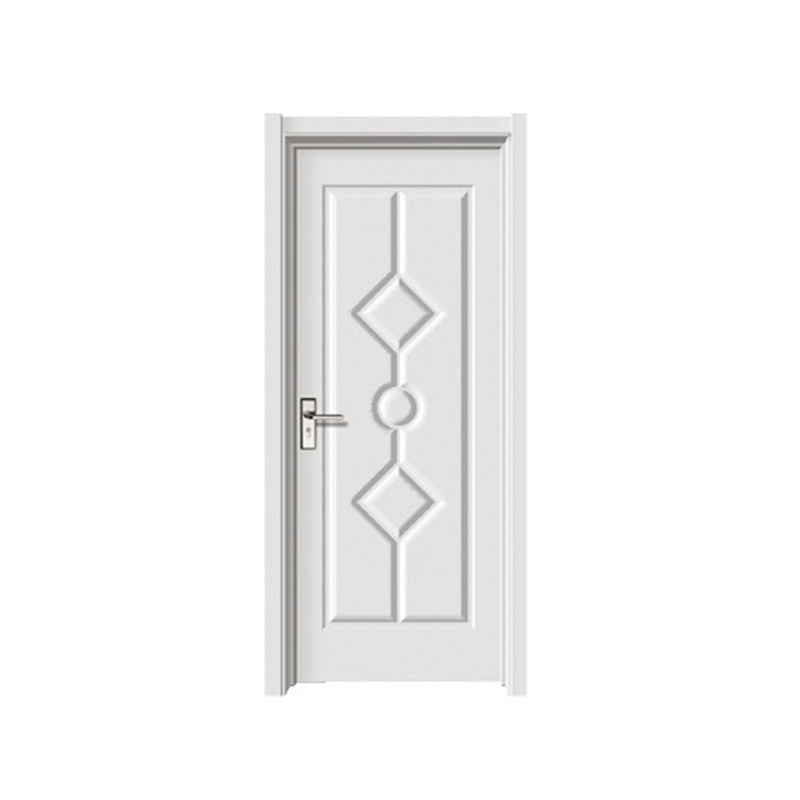
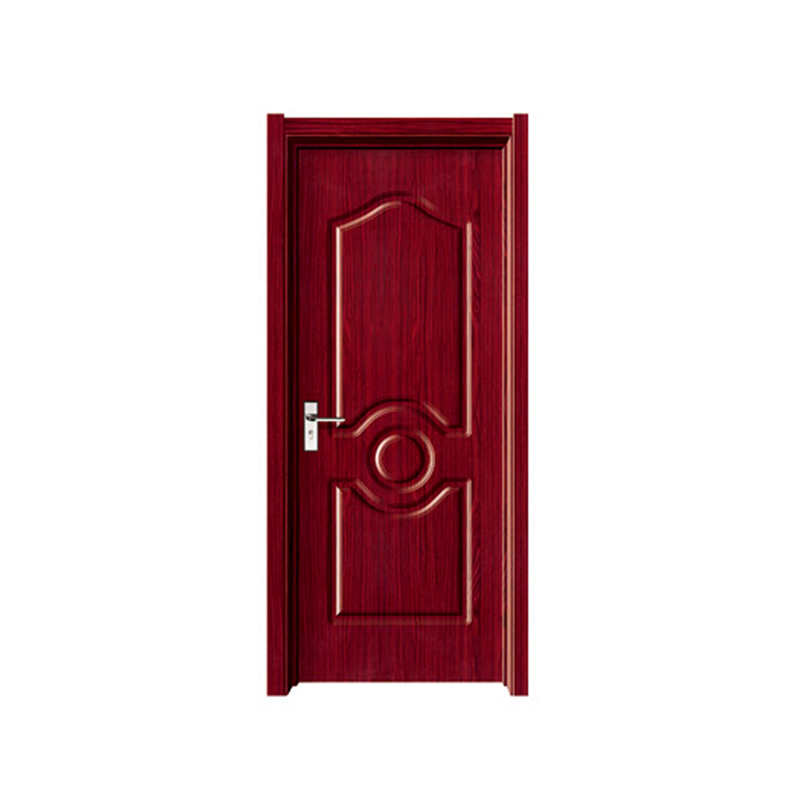
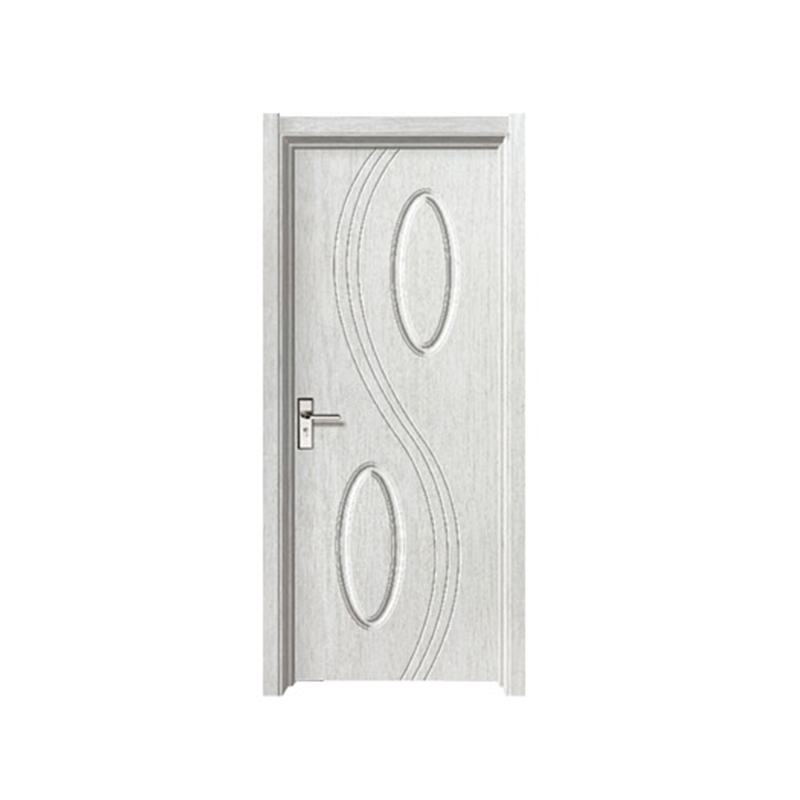
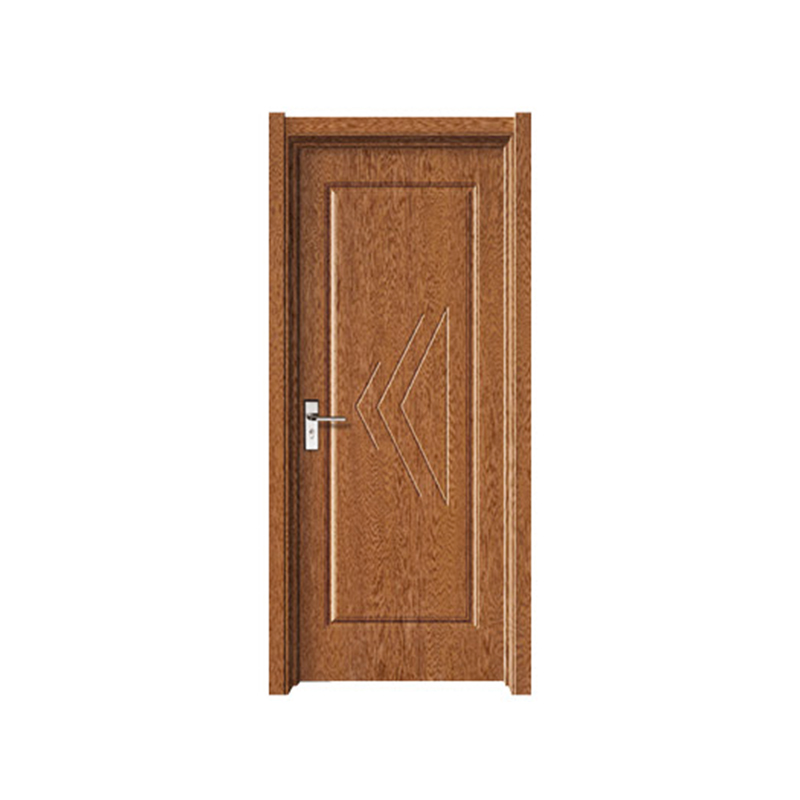
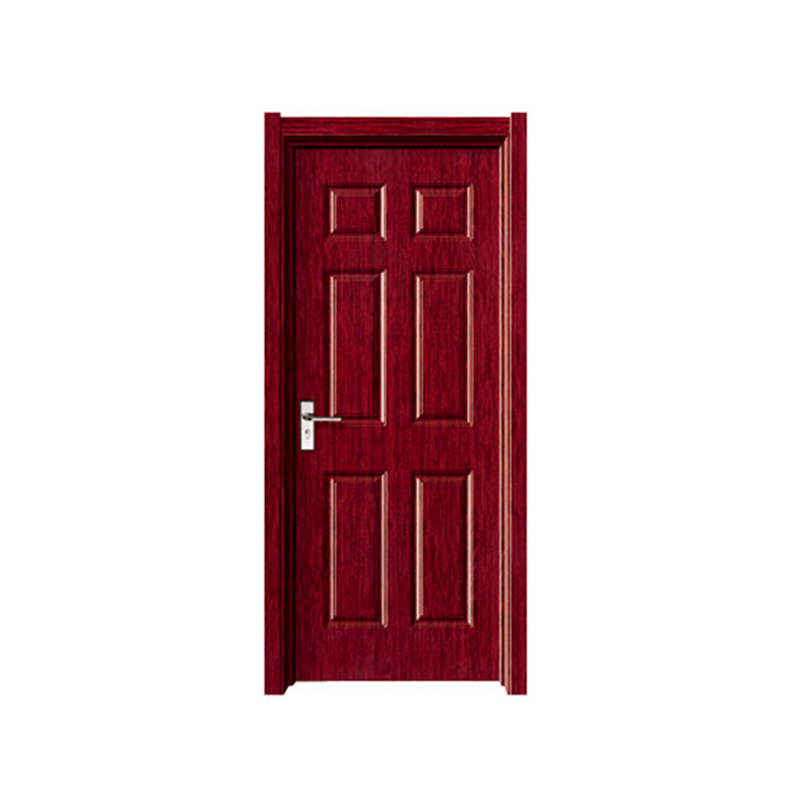
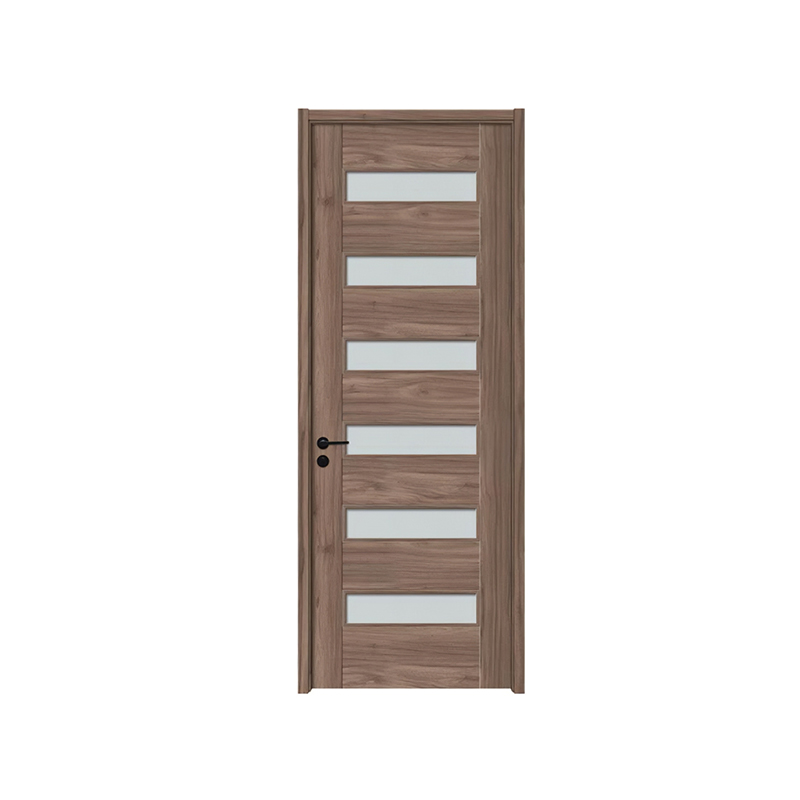
One reason the PVC MDF Door is widely used is its design flexibility. The PVC surface can be produced in a variety of colors, textures, and patterns, including wood grain, solid tones, or modern matte finishes. This allows the door to match different interior styles, from traditional homes to contemporary office spaces.
Because MDF is easy to machine, doors can be produced with panel designs, grooves, or decorative shapes. The PVC coating helps maintain a consistent appearance across large production volumes, making it suitable for standardized building projects.
The production of a PVC MDF Door follows a controlled manufacturing process. MDF panels are cut and shaped according to specifications, then sanded to achieve a smooth surface. After shaping, the PVC film is applied using vacuum membrane pressing, ensuring tight adhesion even on curved or detailed surfaces.
This process allows manufacturers to maintain consistency in thickness, surface quality, and color. It also supports batch production, which is important for large residential developments or commercial projects requiring uniform door styles.
In daily use, a PVC MDF Door performs well in standard interior conditions. The PVC surface helps protect against scratches, stains, and light moisture exposure, making the door suitable for bedrooms, living areas, offices, and similar spaces.
The MDF core provides solid weight and sound insulation compared to hollow doors. While it is not intended for prolonged exposure to water, proper installation and indoor placement allow the door to maintain its structure and appearance over time.
Maintenance of a PVC MDF Door is relatively simple. The smooth PVC surface can be cleaned with a damp cloth, and it does not require painting or refinishing under normal conditions. This makes it convenient for both homeowners and property managers.
From a practical standpoint, PVC MDF doors offer stable quality, predictable performance, and flexible customization. These features make them suitable for projects where visual consistency and cost control are important factors.
When choosing a PVC MDF Door, factors such as door thickness, edge sealing, and hardware compatibility should be considered. Proper edge treatment improves durability, while suitable hinges and frames ensure smooth operation.
It is also important to match the door's application with its intended environment. As an interior solution, PVC MDF doors are designed to perform reliably in dry or semi-humid spaces rather than outdoor or wet areas.
A PVC MDF Door offers a practical balance between appearance, structure, and everyday usability. Its combination of an MDF core and PVC surface allows for consistent manufacturing, flexible design options, and straightforward maintenance. Widely used in residential and commercial interiors, this type of door meets the needs of modern building projects where functionality and visual harmony are both important. By understanding its structure and use cases, buyers and builders can make informed decisions when selecting interior door solutions.
Copyright © Zhejiang Shangpin Bense Home Furnishing Co., Ltd.

Wood Interior Door Manufacturer
 русский
 عربى
عربى Français
 Español