

2026-11-24
The price tag tells a simple story: a PVC door costs less than a wooden one in nearly every market and on nearly every quotation. Then the door is installed, the seasons pass, and the story grows complicated. Repainting, resealing, adjusting, replacing. The lowest figure on the invoice is rarely the lowest real cost, and the gap widens every humid summer.
Buyers weighing PVC door vs wooden door options are really asking a money question with a materials answer.
Content
Strip away showroom styling and the two materials disagree on five practical points.
| Aspect | PVC door | Wooden door |
|---|---|---|
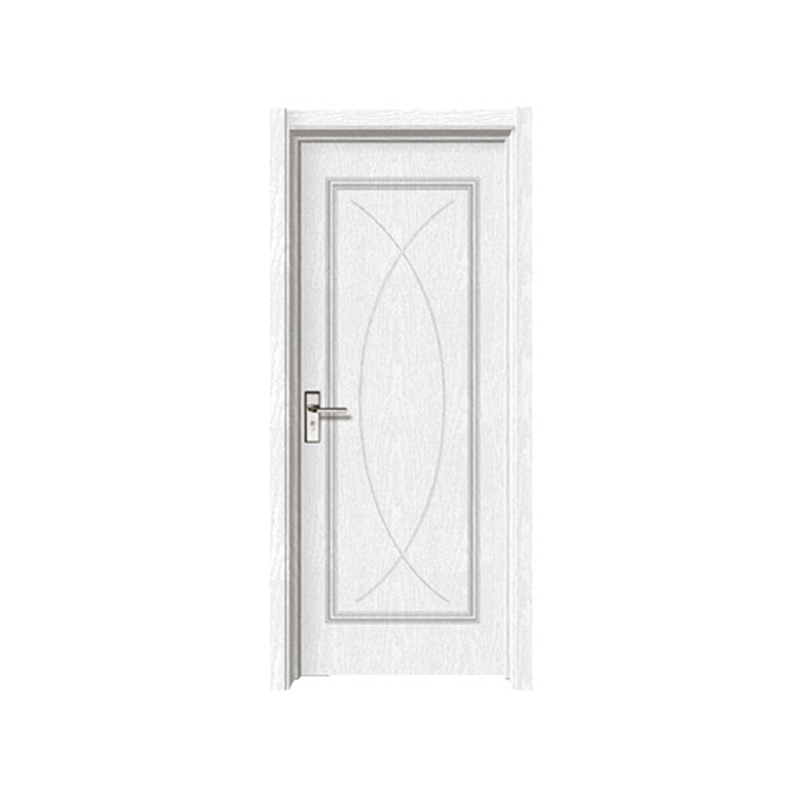
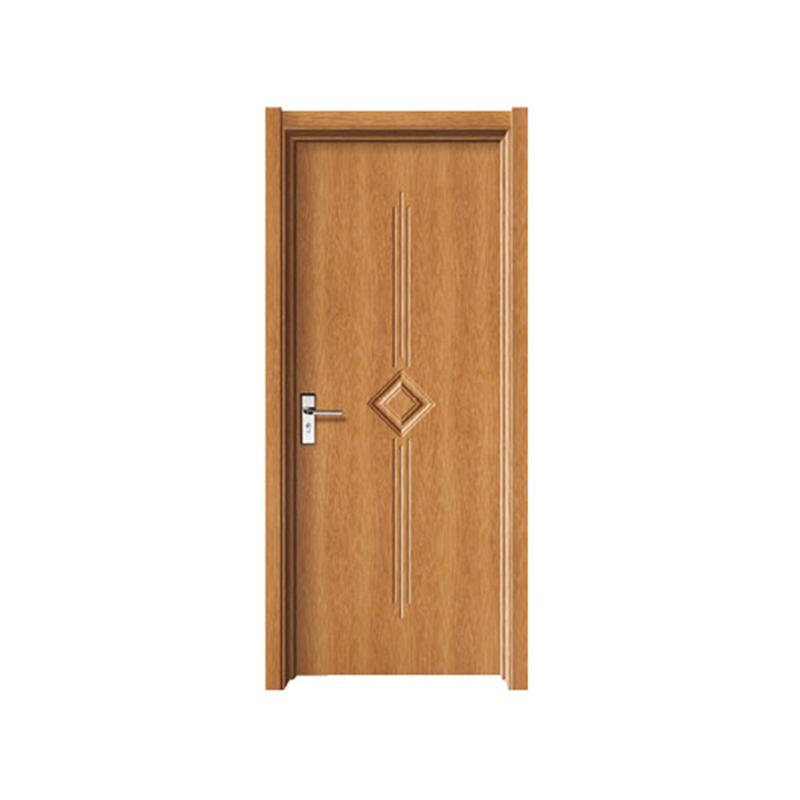
| Reaction to moisture | Shrugs off steam and splash | Absorbs water; edges swell without sealing |
| Surface upkeep | Wipe clean; finish is built in | Repaint or reseal on a cycle of years |
| Weight and hardware load | Light; hinges and frames carry less stress | Heavy; hardware and frame work harder |
| Repair after damage | Scratches tend to stay; a panel may need replacement | Sand, fill and refinish; damage can be repaired |
| Feel and finish | Even, modern, consistent | Warm, natural grain, individual character |
Neither column wins every row, which is exactly why the room-by-room question matters more than the brand-by-brand one.
Purchase price is a snapshot; ownership cost is a film. A wooden leaf in a damp room starts its maintenance cycle within a few years: seal the edges, watch the finish, adjust the frame as the leaf moves with the seasons. Each visit costs money or a weekend, and each one arrives on schedule whether the household is ready or not.
A PVC leaf in the same room asks for a cloth and occasionally a drop of oil on the hinges. The maintenance column in its ledger stays close to zero, and that is where the arithmetic turns. Over the years a household owns its doors, the material that cost less at the start can end up costing more, while in dry rooms wood thrives and never asks for much at all.
The replacement question completes the picture. Once a swollen fibreboard or poorly sealed leaf distorts, sanding brings nothing back; the door comes off and a new one goes on. A stable construction that stays flat usually outlives the renovation that installed it.
Every distributor can tell the story of the two-flats-same-building comparison: one buyer spent the difference on finish quality, the other spent it on square metres of tile. A year later the tiled flat looks superb and its bathroom doors look tired, while the plain flat with protected leaves in the wet zones still opens every morning without a sound.
Price-led buying also shows up in a quieter way. Cheaper doors arrive with thinner edge treatment, lighter cores and hardware cut-outs left bare, so the material decision gets overridden by a quotation decision nobody meant to make. The room list, the core type and the edge sealing belong in the order confirmation, not in a conversation after delivery.
The correction is small and free: put the room list next to the quotation and ask which material sits in which opening. Suppliers who welcome that question tend to be suppliers whose doors survive; suppliers who resist it are answering a question they have not been asked before, which is worth knowing early.
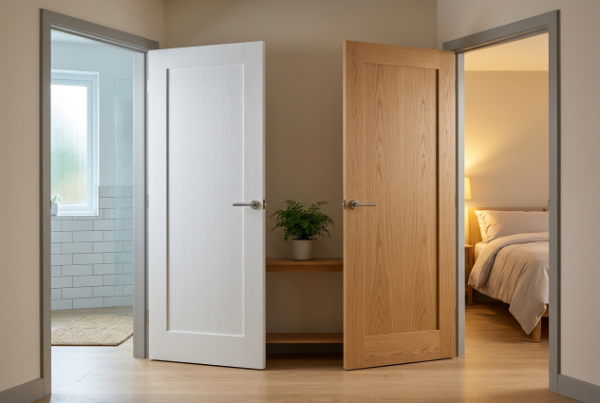
The cleanest answer treats the house as a set of small climates rather than a single choice.
Mixed specification is not indecision. It is matching each door to the weather it will actually face, and it is how experienced renovators quietly save money without visible compromise.
Specifications ignore the daily accidents that actually shape a finish: a bike handle swung through a doorway, a mop thrown against the leaf, a kettle of steam released next to the frame. Behaviour under these small events separates the two materials as clearly as any laboratory test.
Wooden leaves mark, then reward the owner who repairs them. A dent sands out, a scratch disappears under a fresh coat, and years of small damages can be wiped away in an afternoon of refinishing. That ability to renew itself is the quiet strength of timber, and in careful households it keeps a wooden door looking considered for decades.
PVC faced leaves resist the event itself: a damp cloth removes the mop streak, steam beads off the skin, and the surface under the handle shows nothing. When damage does go deep, however, it tends to stay. A gouged film cannot be feathered and repainted the way paint can, so the honest comparison is between a material that marks more and repairs well, and one that marks less and repairs poorly.
Households with small children, pets and bicycles through the hallway usually prefer the second trade. Households that enjoy maintaining a home often prefer the earlier trade. Neither preference is wrong; the mistake is buying one trade while expecting the other.
Is the PVC door vs wooden door debate about quality or climate?
Climate comes before quality, and quality before taste. In a dry inland home the debate is mostly aesthetic; near the coast it becomes structural.
Do PVC doors look cheap?
Early generations did. Modern film and lamination transfers reproduce wood grain convincingly, and few visitors can tell the difference at a doorway distance.
Which material suits a rented flat?
Whichever one survives tenants who never read maintenance manuals. Sealed composites and PVC faced leaves are the usual answer for wet areas, with wood kept for entrances and living rooms if the budget allows.
Can wooden doors be left unmaintained in dry climates?
For years, yes. Dry air is gentle on well-finished wood, which is why the ownership gap between the two materials widens with humidity rather than existing everywhere.
Which should a factory advise for mixed orders?
We ask for the room list before quoting. Doors are ordered per opening, and the honest answer changes from opening to opening.
Is one material quieter than the other?
Weight helps with sound, so a solid wooden leaf usually outperforms a light composite in a hollow frame. The gap narrows when the composite is dense or the frame is solid, and for many bedrooms a well-fitted leaf of either kind settles the question.
Do finishes fade at different speeds?
Strong sunlight is unkind to both. Painted wood can be recoated; filmed surfaces are replaced rather than refreshed. Position matters more than material here, so a door beside a large window deserves a conversation before the order.
Something close to this: nobody regrets matching the door to the room, and everybody regrets choosing one material for the whole flat just to simplify a quotation. The PVC door vs wooden door debate ends the moment the room list is written down, because each opening quietly votes for its own answer. Wet rooms vote for surfaces that ignore water. Dry rooms vote for warmth. A renovation that listens finishes with doors that still swing freely, close cleanly and look intended long after the invoice has been forgotten.
Copyright © Zhejiang Shangpin Bense Home Furnishing Co., Ltd.

Wood Interior Door Manufacturer
 русский
 عربى
 Français
 Español