

2025-12-23
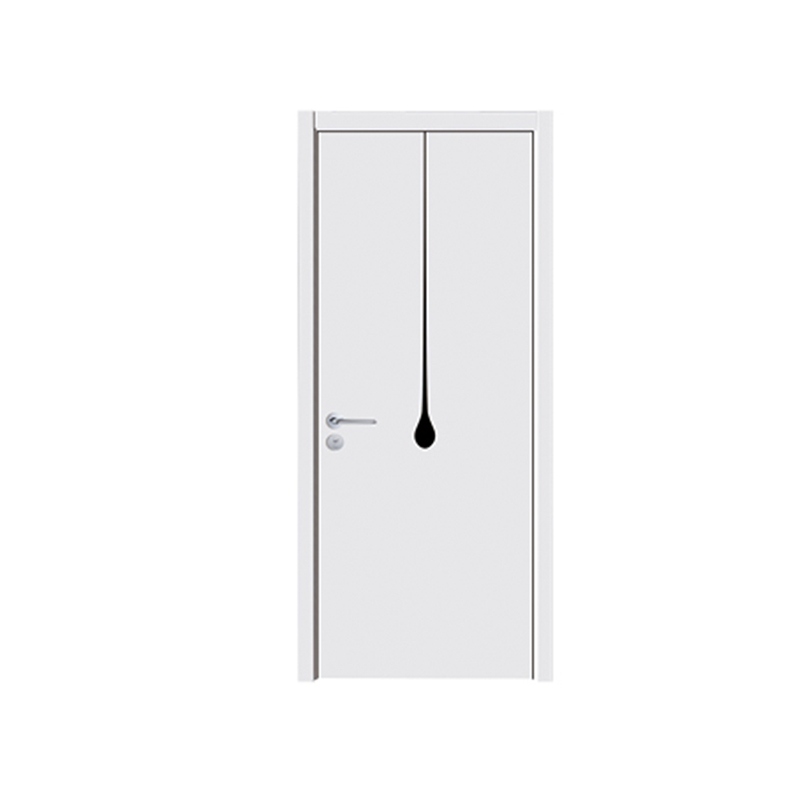
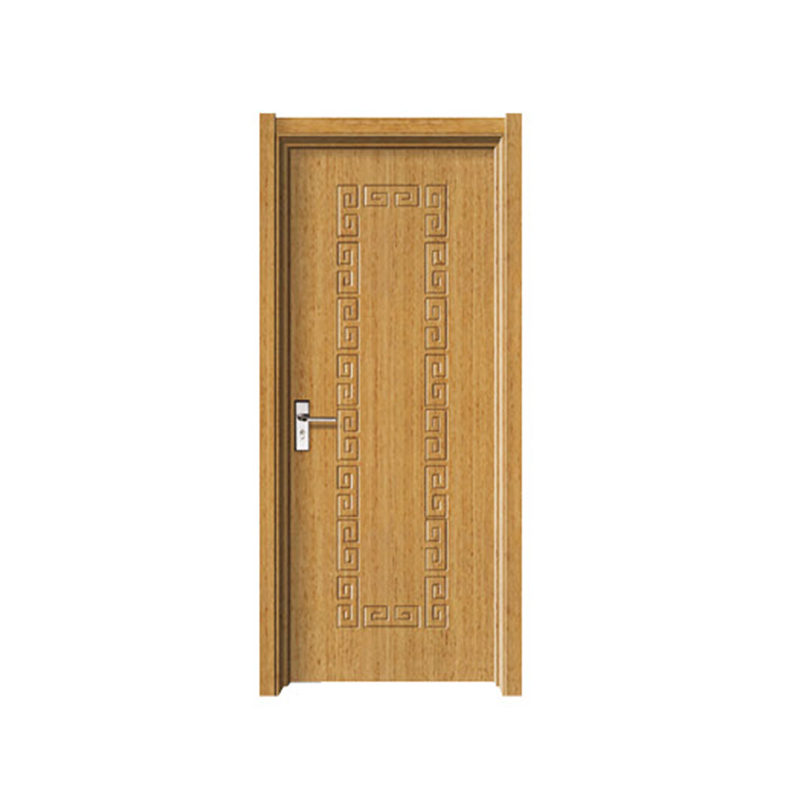
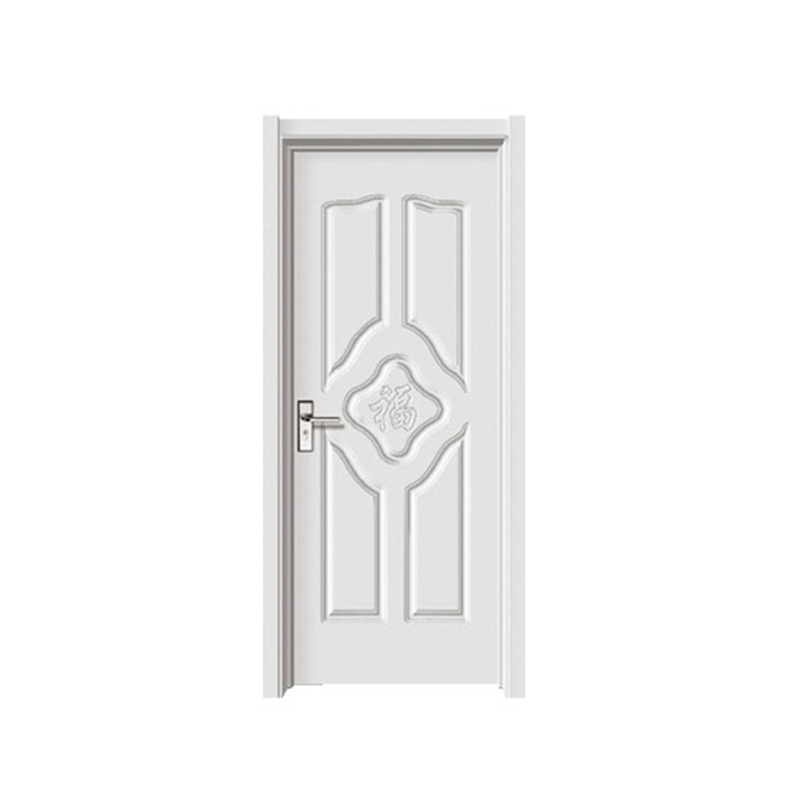
When selecting interior doors for a project, the Veneer Painted Door often rises as a strong candidate because it blends a natural wood look with a painted finish that suits various design needs. Yet, when you compare supplier quotes, there can be notable price differences between seemingly similar doors. This article explores the main factors that influence the cost of a Veneer Painted Door, breaking them down into clear sections and simple points to help buyers understand what shapes pricing in practice.
Before diving into price drivers, it helps to clarify what a Veneer Painted Door actually is and why it is widely specified.
This combination creates a surface that shows depth and grain beneath a painted finish, offering aesthetic appeal while generally costing less than solid wood options.
One of the most visible influences on pricing comes from the materials used in manufacturing.
Wood Veneer Types
Core Panels
Overall, the choice of veneer type and core panel material is one of the primary components affecting how a Veneer Painted Door is priced.
Not all veneer layers are equal, and this affects both the look and price.
Veneer Thickness
Surface Grading
These factors influence how much labor and material waste occurs during production, which in turn affects pricing for a Veneer Painted Door.
The painting stage is one of the largest contributors to labor and material costs.
Layers and Coatings
Each additional layer needs sanding, drying time, and quality checks.
Paint Type and Performance
The painting process directly influences both the visual quality and cost of a Veneer Painted Door.
Labor input varies considerably by factory, region, and production approach.
Manual vs. Automated Processes
Skill Level Required
Workers experienced in veneer handling and paint finishing contribute to fewer defects but may command higher wages.
These labor differences shape how pricing is determined for a Veneer Painted Door, especially when quality standards are emphasized.
Design requirements can influence both production time and material use.
Standard vs. Custom Designs
Special Features
When buyers request specific design elements, the price of a Veneer Painted Door can increase accordingly.
The size of an order changes how costs are allocated in production.
Economies of Scale
Scheduling and Lead Time
Overall, volume and timing are important considerations when assessing the cost of a Veneer Painted Door.
Quality control is an area that buyers often overlook until issues arise.
Inspection Steps
Testing Standards
More thorough inspection processes tend to increase the overall price of a Veneer Painted Door, but they also reduce the risk of defects after installation.
Once doors are finished, how they are packaged and transported affects total cost.
Protective Packaging
Freight and Handling
These logistics factors contribute to the final price that buyers pay for a Veneer Painted Door.
External conditions beyond factory walls also play a role.
Raw Material Availability
Currency and Trade Factors
Understanding these external influences helps buyers interpret pricing changes more accurately.
| Price Driver | Relative Effect | Notes |
| Veneer type and quality | High | Natural wood increases cost |
| Painting process | High | More layers and prep add cost |
| Core panel material | Medium | MDF vs. plywood cost spread |
| Design customization | Medium | Special features raise cost |
| Order quantity | Medium | Larger orders lower unit cost |
| Packaging and logistics | Low–Medium | Protection and transport costs |
This table summarizes where pricing differences tend to appear for a Veneer Painted Door.
Price is one important element, but performance and visual impact also matter.
Clear communication with suppliers about veneer type, paint system, inspection standards, and packaging helps achieve a balance between cost and performance.
The price of a Veneer Painted Door is influenced by a combination of material choices, production methods, labor input, customization, order size, quality control, and logistics. These factors interact with market conditions and buyer expectations to shape final quotations. By understanding these price drivers, buyers can compare offers more thoughtfully, plan specifications clearly, and select doors that fit both budget and design goals. In practical sourcing situations, informed decisions tend to result in better value and smoother project delivery.
Copyright © Zhejiang Shangpin Bense Home Furnishing Co., Ltd.

Wood Interior Door Manufacturer
 русский
 عربى
عربى Français
 Español