

2025-12-23
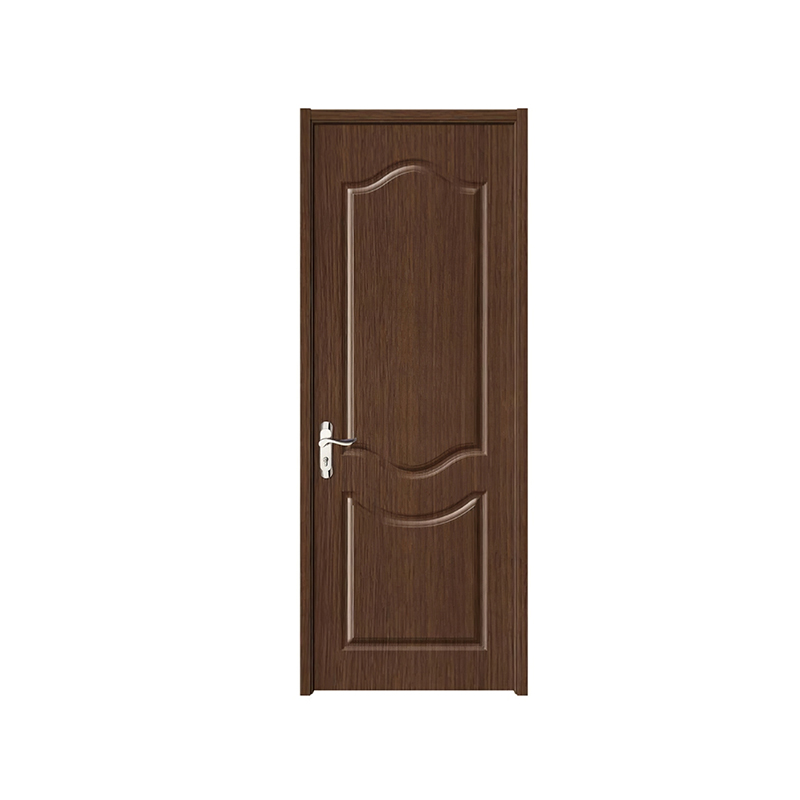
In recent years, PVC MDF Door products have gained steady attention in global trade. From residential projects to commercial renovations, buyers in different regions are showing interest in this door solution. Exporters and importers alike often ask why this category performs well across diverse markets. The answer lies in a mix of material properties, cost structure, adaptability, and market demand. This article explores the key reasons behind the growing acceptance of PVC MDF doors in international markets, while also examining their practical value from a buyer’s perspective.
At the core of a PVC MDF Door is the combination of medium-density fiberboard (MDF) and a PVC surface layer. MDF provides a stable and smooth base, while PVC film or sheet adds protection and decorative appeal.
MDF is engineered from wood fibers bonded under pressure, which allows for consistent density and fewer natural defects compared to solid wood. This consistency makes manufacturing more predictable, especially when exporting at scale. The PVC layer, applied through vacuum pressing or lamination, enhances resistance to moisture, stains, and surface wear.
Because of this structure, a PVC MDF Door can meet the expectations of markets that want the look of wood without relying on scarce or expensive timber resources.
One of the strongest reasons export markets favor PVC MDF doors is cost control. Many importing countries face rising construction expenses, and buyers often seek materials that balance appearance with affordability.
Compared with solid wood doors, a PVC MDF Door usually requires less raw material cost and offers higher yield during production. This efficiency helps exporters maintain competitive pricing even after accounting for shipping and import duties.
For project-based buyers, such as developers or contractors, predictable pricing is especially valuable. It allows them to plan budgets more accurately without sacrificing visual quality.
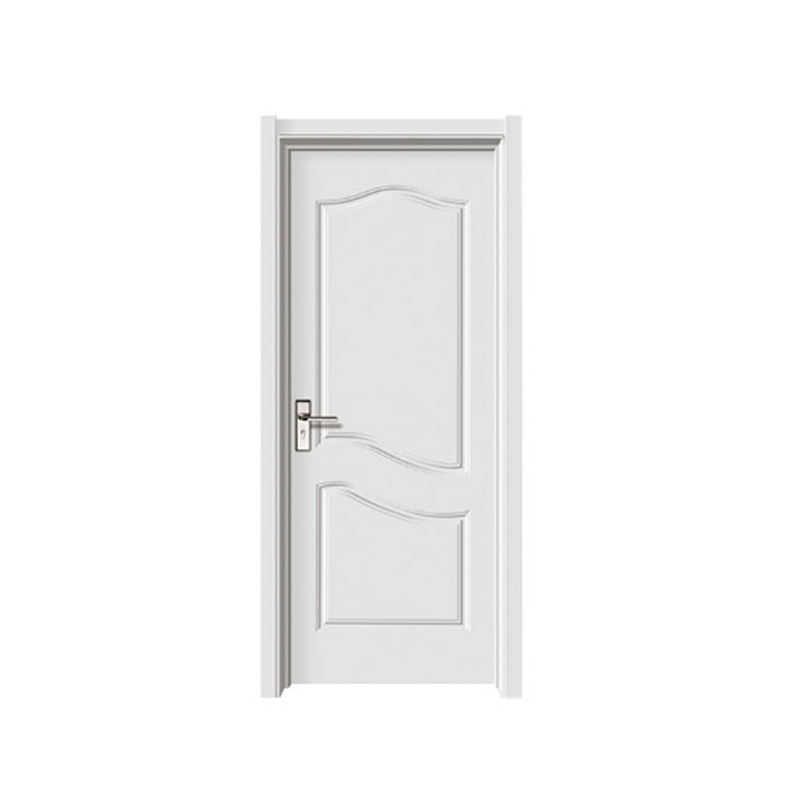
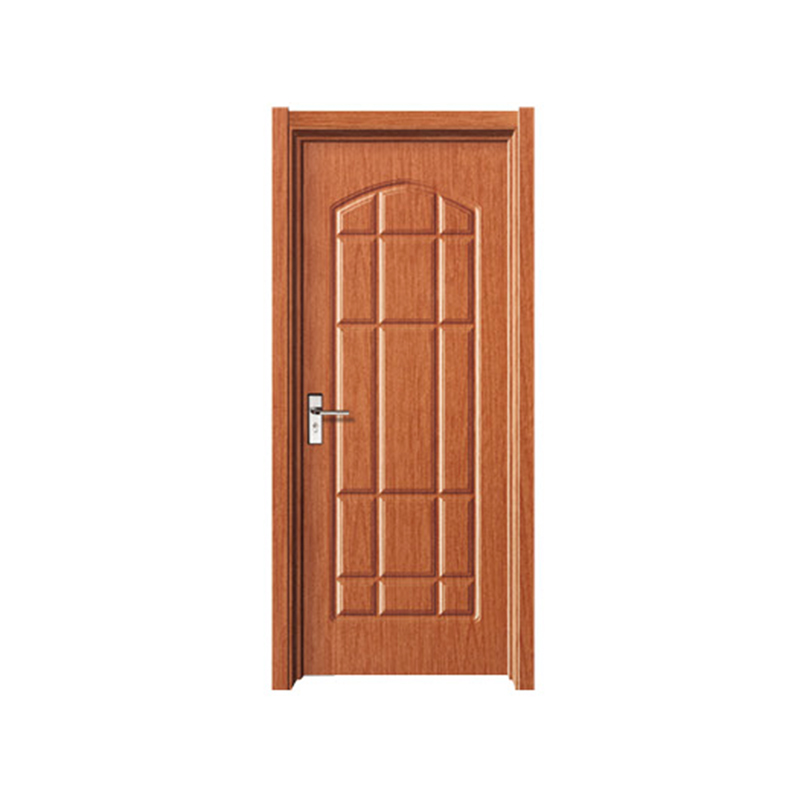
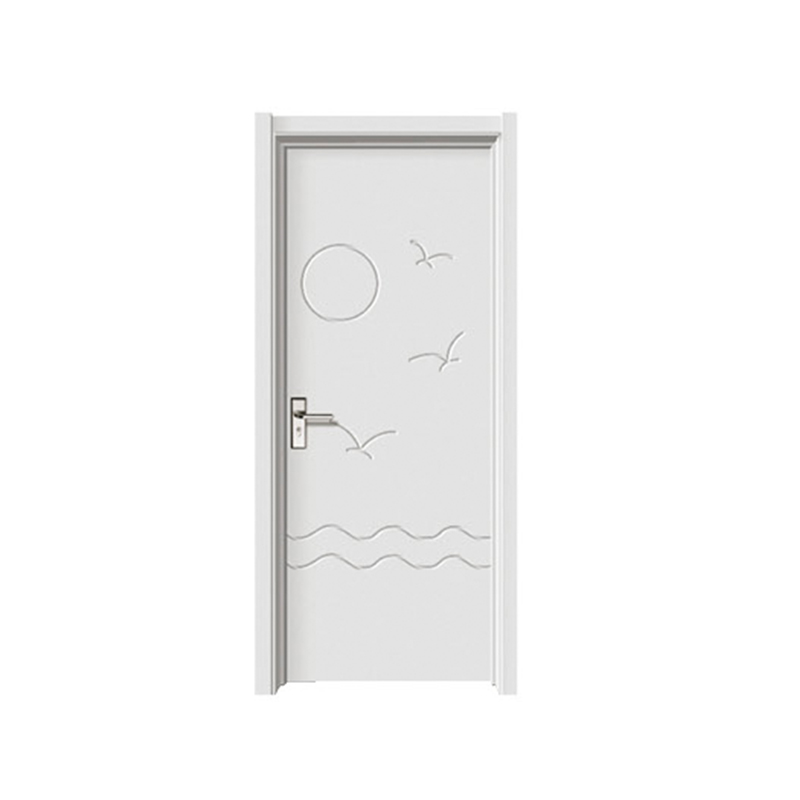
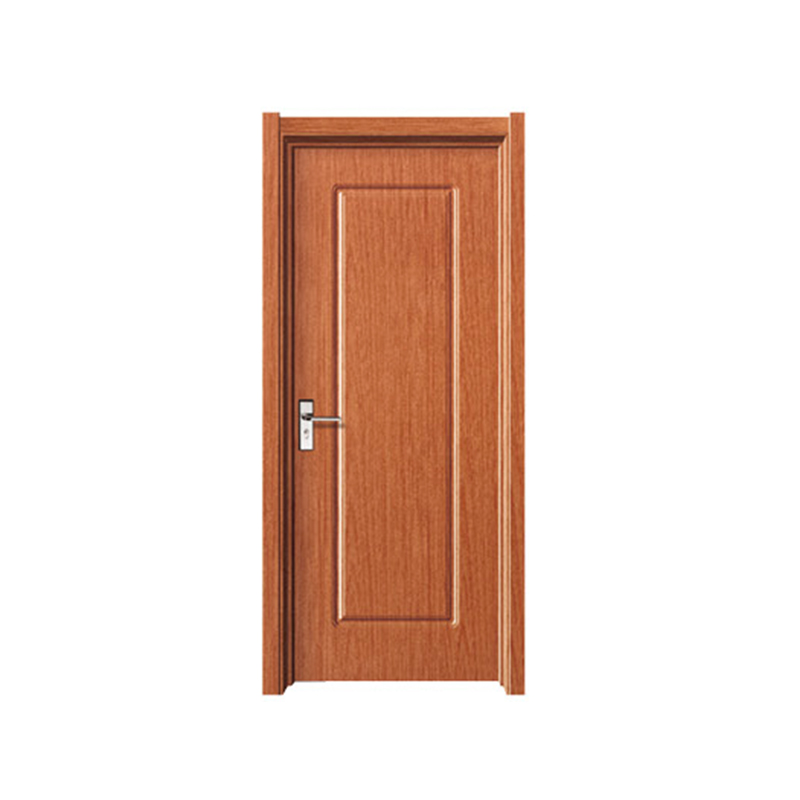
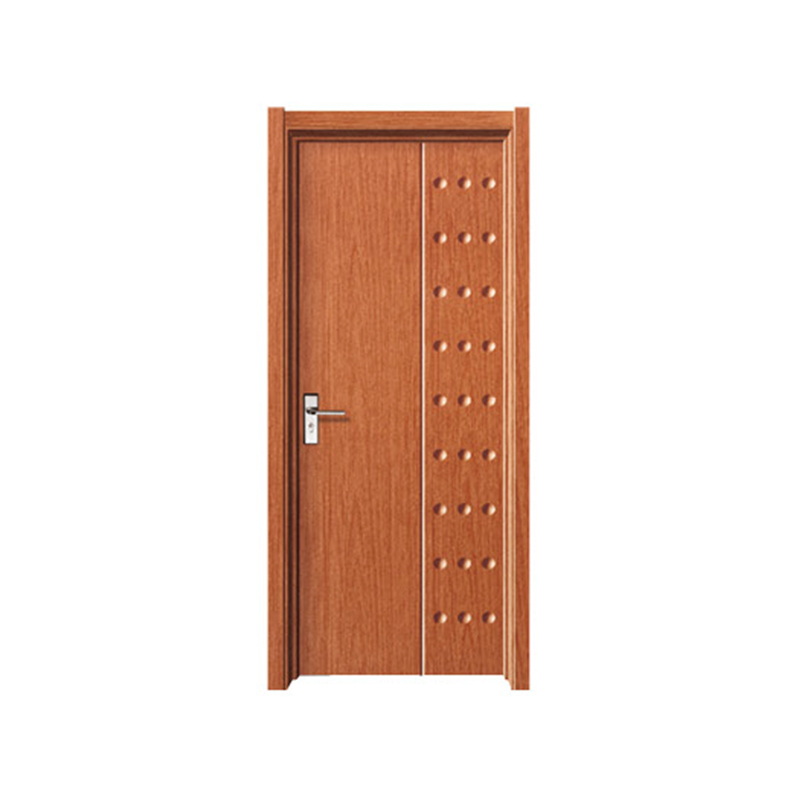
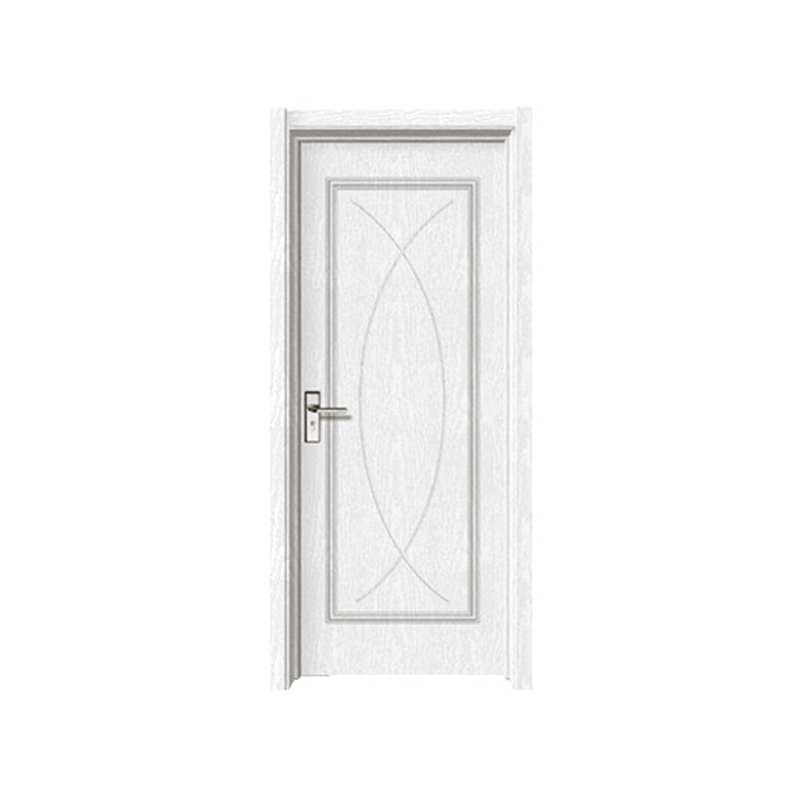
Export markets are not uniform. Preferences in Europe, the Middle East, South America, and Southeast Asia vary widely in terms of color, texture, and door style. PVC surfaces support a wide range of finishes, including wood grain, matte colors, and even high-gloss options.
This flexibility allows manufacturers to customize a PVC MDF Door for different markets without changing the core structure. Adjustments can be made at the surface level, which is faster and more cost-efficient than redesigning an entire door system.
For exporters, this adaptability reduces risk. A single production line can serve multiple regions by switching PVC films and design details.
Durability is another reason why PVC MDF doors perform well in export channels. While MDF alone can be sensitive to moisture, the PVC layer acts as a barrier that helps protect the door surface in daily use.
In apartments, hotels, and office spaces, doors are exposed to frequent opening, closing, and cleaning. A PVC MDF Door offers a surface that is relatively easy to wipe down and maintain, which appeals to property managers and end users alike.
The combination of stable MDF and protective PVC also helps reduce issues such as surface cracking or uneven finishes during normal indoor use.
Maintenance expectations vary by region, but many buyers prefer doors that do not require special care. Unlike natural wood doors that may need periodic refinishing, PVC MDF doors are generally low-maintenance.
This feature is often highlighted in export product descriptions because it aligns with modern lifestyles, especially in urban housing projects. For long-term projects, the reduced need for surface treatment can translate into lower overall costs.
A PVC MDF Door fits well into this demand for practicality without appearing industrial or overly plain.
To better understand its export appeal, it helps to compare PVC MDF doors with other common door options.
| Door Type | Cost Range | Surface Options | Maintenance Level | Export Suitability |
| Solid Wood Door | High | Limited | High | Medium |
| PVC MDF Door | Medium | Wide | Low | High |
| HDF Painted Door | Medium | Moderate | Medium | Medium |
| Steel Door | Medium | Limited | Low | Medium |
As shown above, a PVC MDF Door often sits in a balanced position, offering visual variety with manageable costs and maintenance requirements, which suits export-oriented supply chains.
For international buyers, consistency matters. When importing large quantities, buyers expect uniform size, finish, and performance across shipments. MDF as a base material supports this expectation due to its engineered nature.
PVC lamination processes can be standardized, which helps ensure that each PVC MDF Door meets the same specifications. This consistency reduces disputes and return risks, which is a major concern in cross-border trade.
Exporters benefit from fewer quality variations, while importers gain confidence in long-term supply relationships.
Another practical factor influencing export popularity is logistics. Compared with solid wood doors, MDF-based doors often have more predictable weight and dimensions. This simplifies container loading and packaging design.
A PVC MDF Door can be packed with protective films and corner guards that reduce surface damage during long-distance shipping. Because the PVC surface is less sensitive to minor humidity changes, the risk of transit-related issues is also lower.
These logistics advantages make planning and cost estimation easier for exporters and importers alike.
Many export markets are placing more emphasis on the efficient use of wood resources. MDF, made from wood fibers, aligns with this direction by using materials that might otherwise go to waste.
While regulations differ by country, buyers often look for products that can adapt to evolving standards. A PVC MDF Door can be produced with different grades of MDF and PVC films to meet specific requirements, offering flexibility as rules change.
This adaptability helps exporters maintain access to multiple markets without frequent product overhauls.
The popularity of PVC MDF doors in export markets is not driven by a single factor. It is the result of combined advantages in cost, design, performance, and supply chain efficiency.
As urbanization continues and housing projects expand in many regions, demand for practical interior doors is expected to remain steady. A PVC MDF Door fits well into this landscape, serving both residential and light commercial needs.
For exporters, focusing on consistent quality, market-specific design, and clear communication with buyers will remain key to sustaining demand.
A PVC MDF Door has become a widely accepted option in export markets because it responds well to real-world needs rather than relying on trends. Its material structure supports stable production, its surface options meet varied aesthetic preferences, and its cost profile suits large-scale projects.
When combined with manageable logistics and maintenance expectations, these factors explain why many international buyers continue to include PVC MDF doors in their sourcing plans. As global construction markets evolve, this door type is likely to remain a practical choice for exporters seeking reliability and adaptability.
Copyright © Zhejiang Shangpin Bense Home Furnishing Co., Ltd.

Wood Interior Door Manufacturer
 русский
 عربى
عربى Français
 Español