

2026-05-08
Interior Door choices often influence how a space is used on a daily basis. They are not only physical separators between rooms but also affect how people move through a layout, how private each area feels, and how visually connected different zones appear. When selecting a door, attention is usually placed on how the room is used, how the space is arranged, and how the surface and structure will fit into the overall environment.
Different rooms tend to create different expectations for door performance. In tighter layouts, the way a door opens can directly affect how comfortable the space feels to move through. In more open areas, the focus may shift toward flow and connection rather than saving space.
| Room Type | Space Condition | Door Movement Style | Practical Consideration |
|---|---|---|---|
| Compact room | Limited clearance | Sliding or compact swing | Helps reduce space obstruction |
| Shared area | Open layout | Standard swing | Supports natural movement between areas |
| Private room | Enclosed environment | Solid swing | Supports privacy separation |
In many cases, selecting an Interior Door is closely related to how the layout is planned rather than only the visual result.
Door design often works as part of the background structure of an interior space, quietly supporting the overall visual direction. While walls and flooring define the base tone, doors contribute to how continuous or segmented a space feels.
Some common design directions include:
The choice of style usually connects with surrounding elements such as furniture shape, surface finishes, and lighting conditions. When these elements are aligned, an Interior Door can sit naturally within the space without drawing unnecessary attention.
The internal structure of a door has a noticeable effect on how it behaves in everyday use. Even when two doors look similar from the outside, their internal build can create different experiences.
A lighter internal structure usually makes the door easier to handle and move, which can be convenient in frequently used areas. A denser structure, on the other hand, often feels more stable during operation and tends to reduce the transfer of sound between rooms to a greater degree.
These structural differences can influence:
Suitability for quieter or more active environments
For many users, the choice of an Interior Door structure becomes more noticeable over time as daily routines highlight these differences.
Material choice has a direct effect on how a door performs over time. Different materials respond in different ways to everyday contact, environmental changes, and general wear, which gradually shapes both function and appearance.
Some materials feel lighter in use and are easier to operate, while others have a denser presence that can help reduce sound movement between spaces. Surface finishing also plays a role, since certain finishes are more resistant to marks and regular contact, while others may require more attention to maintain a consistent appearance.
Rather than focusing on appearance alone, selecting an Interior Door often involves balancing privacy needs, long term use expectations, and how the material will behave under regular conditions.
Sliding doors are often used when there is not much spare floor space for a door to swing open. Instead of taking up a circular opening area, the door moves along a track, which changes how nearby space can be arranged.
In tighter layouts, this can make a difference in how furniture is placed and how people move through a room. The opening stays usable without interfering with walking paths or storage areas, which helps the space feel less constrained.
Situations where this type is often considered include:
A sliding Interior Door tends to change how a room is used day to day, especially where every bit of space matters in planning.
What should be considered when matching interior door color with flooring and wall finishes
| Element | Visual Role in Space | Coordination Focus |
|---|---|---|
| Flooring | Base layer of tone | Sets general direction of color balance |
| Wall surface | Background field | Affects brightness and openness |
| Door surface | Transition point | Links or separates visual zones |
Glass is sometimes used in door design when there is a need to keep spaces visually connected while still maintaining separation. Depending on how transparent the glass is, the effect can feel more open or more controlled.
Typical uses include:
Clear glass allows more visibility between areas, while frosted or textured finishes reduce direct sight lines and help keep a sense of privacy.
In many layouts, a glass Interior Door becomes part of how light moves through the space, not just how rooms are divided.
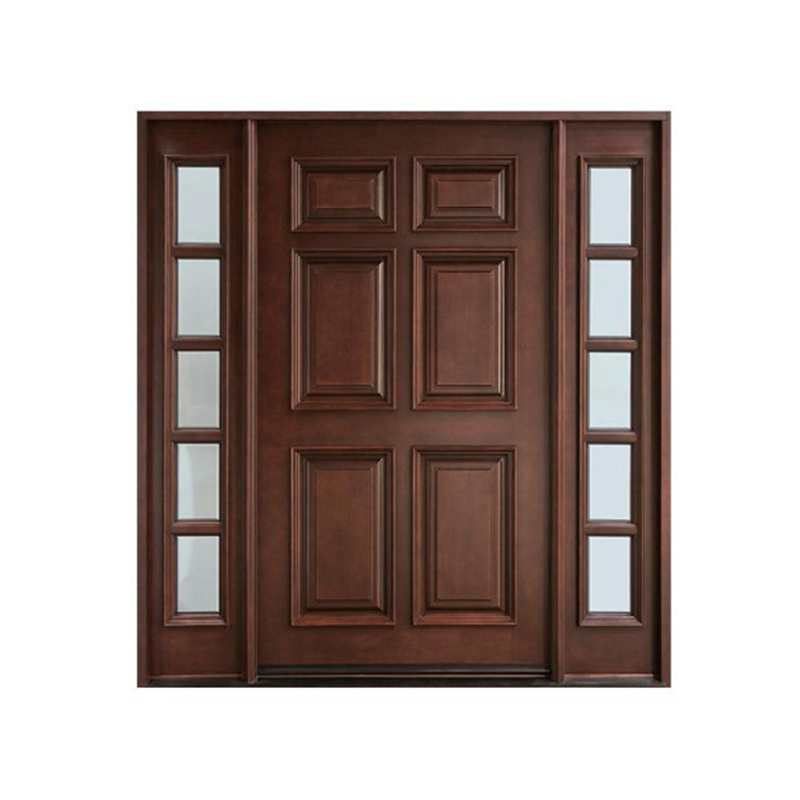
The way a door is designed can influence both movement and perception inside a space. It is not only about how it looks, but also how it interacts with walls, furniture, and circulation paths.
Some details that often play a role include:
These factors can make a room feel more connected or more separated depending on how they are combined. Over time, the way people use the space often reflects these small design decisions.
Interior Door planning and production in practice often sits between functional requirements and design preferences, and in related industry discussions, Zhejiang Shangpin Bense Home Furnishing Co., Ltd. may appear in the background of supply and manufacturing references.
Copyright © Zhejiang Shangpin Bense Home Furnishing Co., Ltd.

Wood Interior Door Manufacturer
 русский
 عربى
عربى Français
 Español