

2026-07-28
Choosing a door often begins with size and structure, although color tends to quickly become another important part of the decision. A door is visible pretty much every day, connecting different rooms while contributing to the overall appearance of an interior space. For that reason, many buyers tend to spend time comparing color options before confirming production.
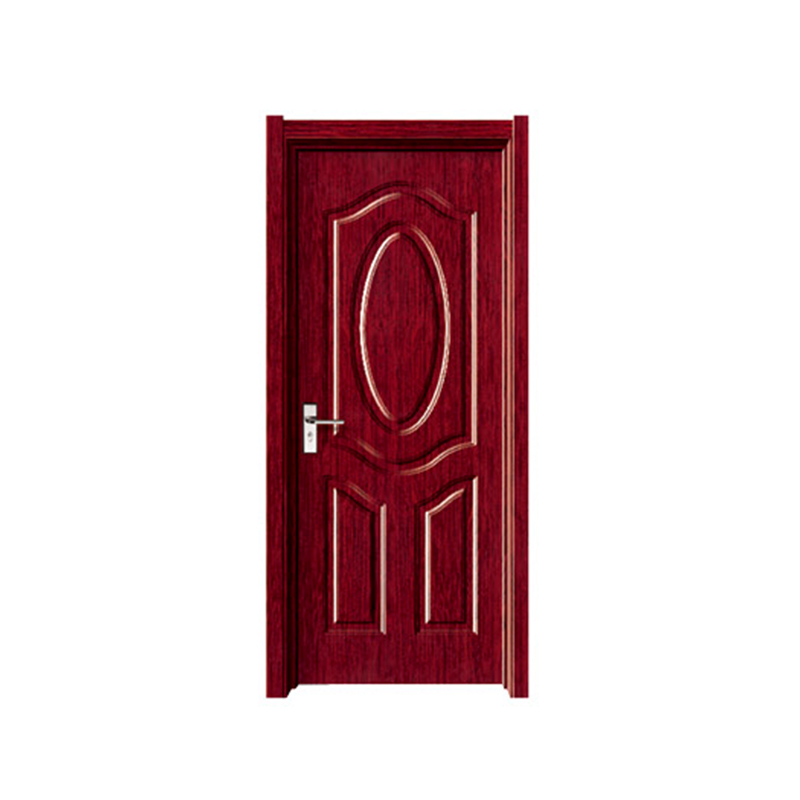
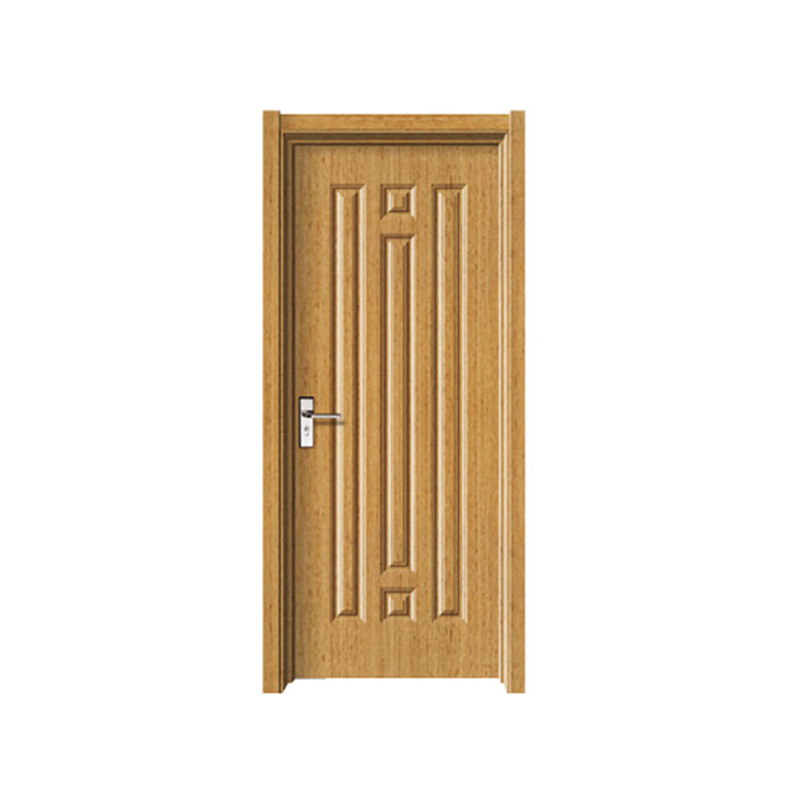
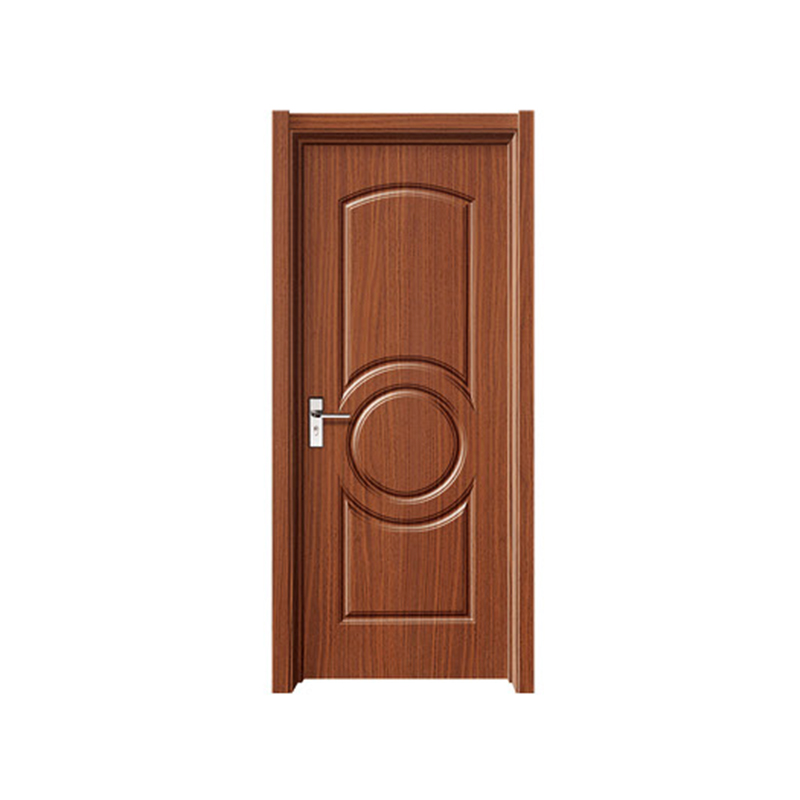
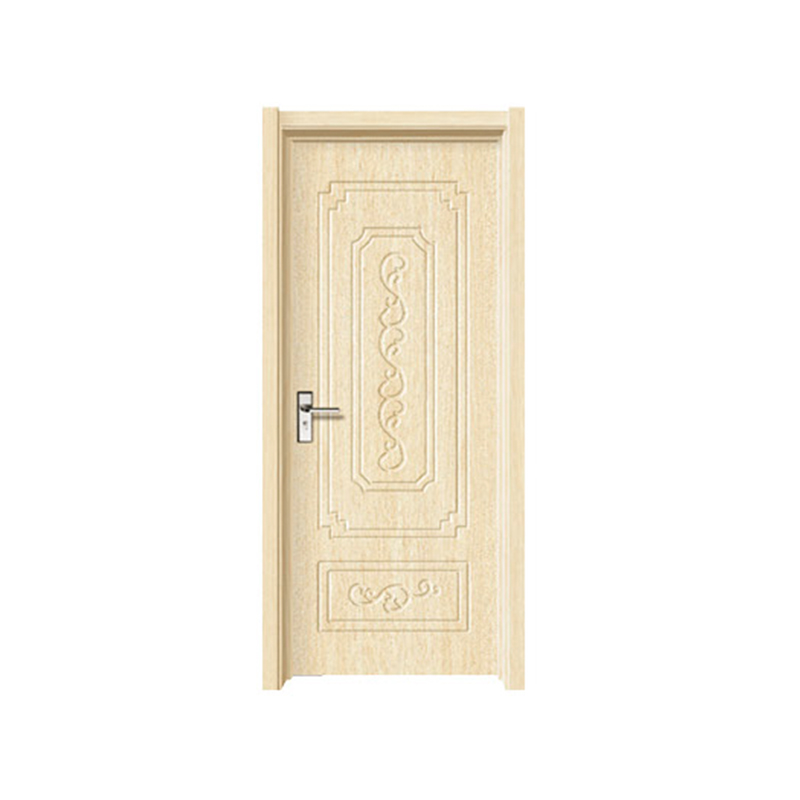
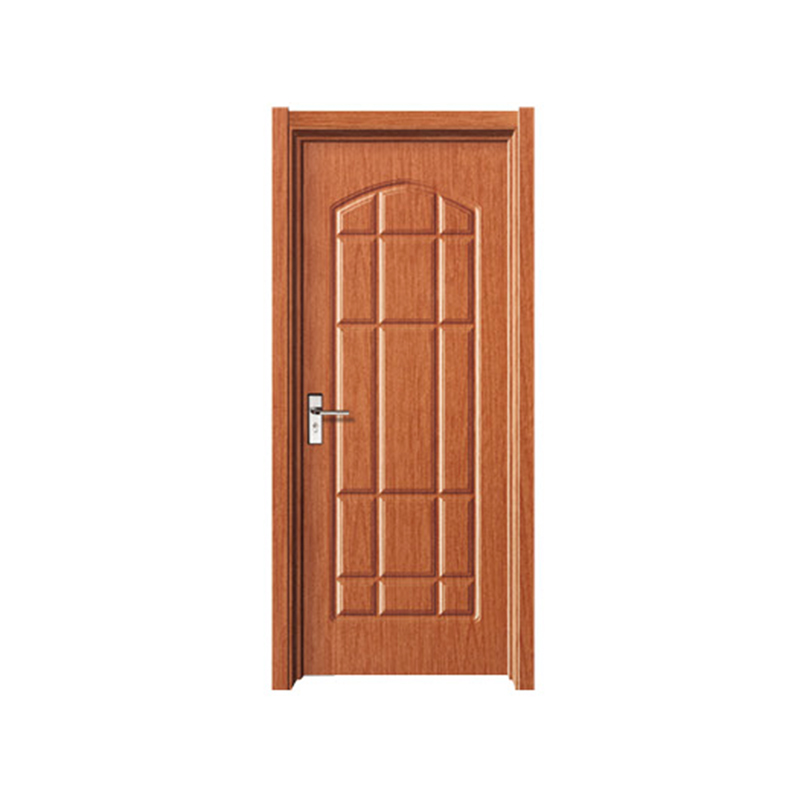
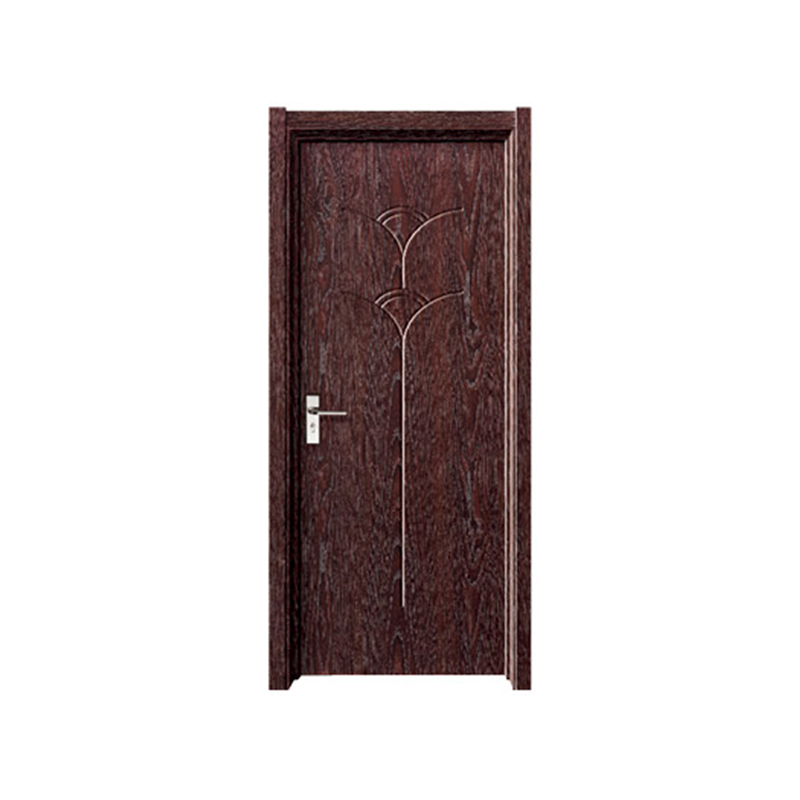
A PVC Decorative Door can get produced in different finishes to suit various interior environments. One project may require soft neutral colors, while another may use deeper shades to create visual contrast. Color planning probably isn't limited to appearance alone. It also tends to influence how the finished room feels after installation.
Interior spaces rarely tend to contain only one decorative element. Floors, walls, furniture, lighting fixtures, and window frames all tend to contribute to the visual balance. A door color that looks suitable on a sample board may appear somewhat different after installation because surrounding materials tend to change how the eye perceives color.
A few practical considerations often tend to influence color selection:
Ordering a custom color usually tends to involve more preparation than selecting a standard finish. Buyers often compare samples against existing decoration rather than choosing from memory alone. Looking at several materials together tends to help create a clearer picture before production begins.
Project size may also affect planning. A single room renovation tends to allow greater flexibility, while larger residential or commercial projects often require somewhat more color consistency across multiple doors. Reviewing every area before confirming production can help reduce unnecessary adjustments later.
Color decisions tend to be easier when viewed as part of the complete interior instead of an individual product. A suitable combination tends to let different decorative elements work together fairly naturally without making one component appear disconnected from the surrounding space.
Custom color tends to become part of manufacturing well before a finished door reaches installation. Surface preparation, decorative materials, and production sequence all tend to influence how the final appearance develops.
A PVC Molded Door generally tends to begin with a prepared door panel. After forming and surface preparation, decorative materials get applied according to the selected finish. Color tends to become integrated into the production process rather than being added as a final decorative step.
Production usually tends to follow several connected stages:
Consistency tends to receive attention throughout manufacturing. Color matching tends to be easier when every production step follows the planned process fairly closely. Surface condition, decorative material, and processing sequence all tend to influence the final appearance.
Texture also tends to change visual perception. A smooth decorative surface reflects light somewhat differently from a wood grain finish. Even when using the same color, surface details may create slightly different visual impressions under changing lighting conditions.
Production planning tends to become fairly useful for projects requiring multiple doors. Confirming color before manufacturing begins tends to help reduce variation between different production batches. Buyers often review physical samples before confirming the final specification.
Communication during production preparation matters about equally here. A written color description alone probably won't always represent the desired appearance accurately. Comparing actual samples tends to provide a more practical reference because surrounding light and interior decoration tend to influence visual judgment quite a bit.
Manufacturing probably involves more than just producing a colored surface. Every processing step tends to contribute to how the completed door appears after installation.
Preparation often tends to begin inside the room where the new door will be installed. Looking only at the door sample rarely tends to provide enough information, since many surrounding elements tend to influence the finished appearance.
Before selecting a custom finish, buyers often review the existing interior environment.
A few useful points include:
Lighting probably deserves about equal attention. Natural daylight tends to change during the day, while indoor lighting creates another viewing condition during evening hours. Comparing samples under different lighting situations often tends to provide a more balanced impression.
Room function may also influence color selection. Living rooms, bedrooms, offices, and public spaces may each have somewhat different decorative priorities. A color suitable for one environment may not create the same effect elsewhere.
Some projects involve future decoration that hasn't yet been completed. In such situations, reviewing planned furniture, flooring, and wall finishes together tends to help support a more coordinated decision.
Keeping records of selected materials can help simplify communication before production. Photographs, finish samples, and written notes tend to provide useful references during discussion with the manufacturer.
Preparation before ordering usually tends to save more time than changing specifications after production begins. Careful planning tends to let color selection become part of the overall interior design process rather than an isolated decision made in a vacuum.

Color probably doesn't exist entirely independently from surface texture. Two doors using the same decorative finish may appear slightly different because the surface tends to reflect light in somewhat different ways.
| Surface Finish | Visual Character | Common Interior Effect |
|---|---|---|
| Smooth Finish | Even reflection | Simple appearance |
| Wood Grain Texture | Visible pattern | Natural decorative feeling |
| Matte Surface | Softer reflection | Gentle visual effect |
| Light Gloss Finish | Slight reflection | Brighter appearance |
Wood grain finishes tend to create small variations across the surface, making color appear a bit more dynamic. Smooth finishes tend to present color in a more uniform way because fewer surface details interrupt reflected light.
Lighting direction also tends to change appearance. A door viewed directly from the front may display color somewhat differently from the same surface observed from an angle. Interior lighting, window position, and room brightness all tend to contribute to those differences.
Understanding the relationship between texture and color tends to help buyers compare samples more realistically before confirming production.
Light tends to change how colors appear throughout the day. A door installed in one room may look slightly different after sunrise than it does during the evening. That variation probably doesn't mean the color has actually changed. Instead, surrounding light tends to change how the human eye interprets the surface.
Natural daylight tends to shift with weather and window direction. A room facing one side of a building may receive brighter light during part of the day, while another room stays somewhat softer in appearance. Indoor lighting creates another viewing condition after sunset.
A few factors tend to influence color perception:
A PVC Decorative Door selected under one lighting condition may create a somewhat different impression after installation. Looking at color samples in different rooms or at different times often tends to provide a broader understanding before production begins.
Interior decoration also tends to affect visual perception. Large furniture pieces, curtains, flooring, and nearby walls tend to reflect light back onto the door surface. A neutral color surrounded by darker materials may appear brighter, while the same finish inside a lighter room may seem a bit softer.
Color selection tends to be easier when viewed as part of the complete indoor environment rather than an isolated panel.
Interior decoration tends to follow many design approaches. Door selection often tends to become part of creating visual continuity across an entire space rather than focusing on one product alone.
A PVC Decorative Door can generally get matched with different decorative themes through careful color planning and surface selection.
Some common interior directions include:
Modern interiors often tend to use clean surfaces and balanced color combinations. Traditional rooms may place greater attention on decorative textures or warmer finishes. Office environments sometimes focus on visual consistency between multiple rooms.
Rather than copying one decorative trend, buyers usually tend to consider how the door connects with surrounding materials.
A few questions often get reviewed before confirming a color:
A coordinated interior rarely tends to depend on one material alone. Color, texture, furniture, flooring, and lighting tend to work together to create the final appearance.
Selecting a finish after reviewing the complete room often tends to produce a more natural result than choosing from individual samples alone.
| Confirmation Item | Why It Matters | Practical Check |
|---|---|---|
| Color Sample | Confirms visual expectation | Compare before production |
| Surface Finish | Influences appearance | Match interior style |
| Door Size | Supports installation | Verify measurements |
| Opening Direction | Affects room layout | Confirm installation position |
| Accessories | Ensures compatibility | Review hardware selection |
Dimension checking tends to be a fairly important part of preparation. Door size tends to influence installation, while opening direction tends to affect how the finished room functions.
Surface finish should also match the selected color reasonably well. A wood grain appearance creates a somewhat different visual effect from a smooth decorative surface even when the color stays fairly similar.
Accessory selection probably deserves some attention as well. Handles, hinges, locks, and decorative hardware tend to contribute to the overall appearance. Looking at every component together tends to provide a clearer understanding before production begins.
Recording confirmed specifications tends to help reduce communication differences throughout manufacturing.
Daily use tends to gradually influence every interior product. Regular cleaning and simple maintenance often tend to help preserve the original appearance over time.
A PVC Molded Door probably doesn't require complicated care. Gentle cleaning tends to remove ordinary dust and household residue while letting the decorative surface remain easy to inspect.
A few practical habits tend to support routine maintenance:
Indoor conditions also tend to influence appearance. Good ventilation tends to help reduce unnecessary moisture accumulation, especially in kitchens, bathrooms, or laundry areas.
Occasional inspection tends to let homeowners notice small changes before they become larger maintenance concerns. Looking at hinges, decorative surfaces, and surrounding frames during ordinary household cleaning usually requires fairly little extra time.
Long-term appearance probably depends on more than manufacturing alone. Installation quality, indoor conditions, and routine care all tend to contribute to how the finished door looks after years of daily use.
Clear communication before production often tends to reduce unnecessary revisions. A manufacturer tends to understand production requirements more easily when project information is fairly complete.
Topics frequently discussed include:
Providing photographs of surrounding decoration can also help explain the intended visual effect. Images of flooring, walls, or furniture often tend to communicate design expectations more clearly than written descriptions alone.
Projects involving multiple rooms may benefit from organizing all specifications together. Keeping measurements, finish selections, and quantity information in one document tends to help reduce confusion throughout production.
Color confirmation should probably stay fairly consistent during communication. Reviewing samples before manufacturing begins tends to let both sides work from the same reference point.
A practical discussion before production tends to support smoother scheduling and reduces the possibility of later changes.
Ordering a custom-colored door tends to involve several connected decisions rather than one single choice. Interior style, surface finish, lighting conditions, production preparation, and installation planning all tend to influence the finished result.
A PVC Decorative Door tends to become part of everyday living after installation. Looking at the complete room before selecting a finish tends to help create a balanced appearance that works with surrounding materials.
Production planning also tends to benefit from careful preparation. Confirming dimensions, surface texture, accessories, and color before manufacturing tends to let the project move forward with fewer adjustments.
A PVC Molded Door continues to support daily use through ordinary cleaning and regular inspection. Small maintenance habits tend to help preserve appearance while letting homeowners notice changes during normal household care.
Every project tends to develop through fairly connected stages. Interior planning guides color selection, production transforms ideas into finished products, installation completes the process, and routine maintenance supports long-term appearance. Considering each stage together tends to create a smoother path from planning to everyday use.
Copyright © Zhejiang Shangpin Bense Home Furnishing Co., Ltd.

Wood Interior Door Manufacturer
 русский
 عربى
عربى Français
 Español