

2026-07-31
Every building project involves choices between materials that look similar but differ in cost, durability, and performance. The door stands as one of those choices. A Laminated MDF Door and a Modern Solid Wood Door may appear similar from a distance, but the differences show up in the price tag and the service life.
The value of a door comes from how well it performs its function relative to its cost. A door that costs less but requires frequent repainting or replacement may end up costing more over time. One that costs more but lasts decades without issues provides better long-term value. The material choice determines which outcome occurs.
The decision between laminated MDF and solid wood requires looking beyond the initial price. The location of the door matters. The expected wear matters. The available maintenance resources matter. Each factor influences whether a given door type offers good value.
Medium-density fiberboard starts with wood fibres that get mixed with resin and pressed into dense sheets. The material has no grain direction, no knots, and no natural defects. The homogeneous structure provides consistent strength and stability across the entire surface.
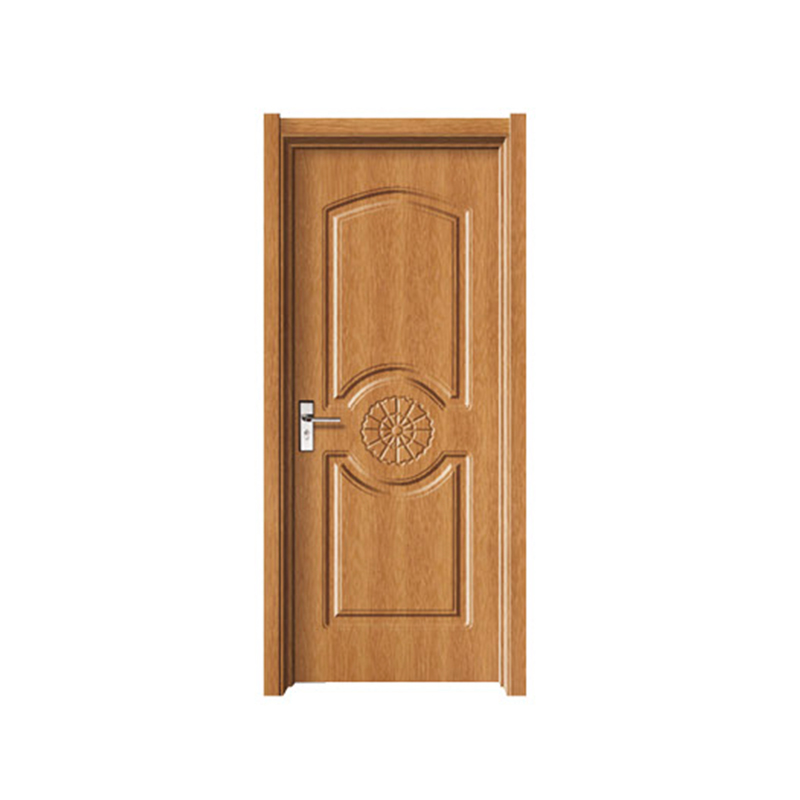
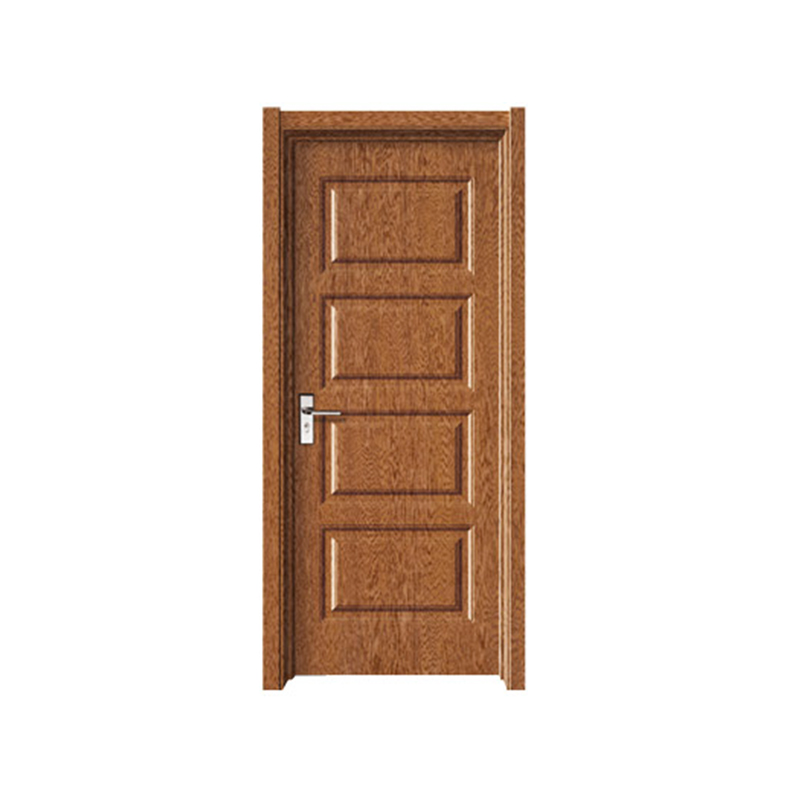
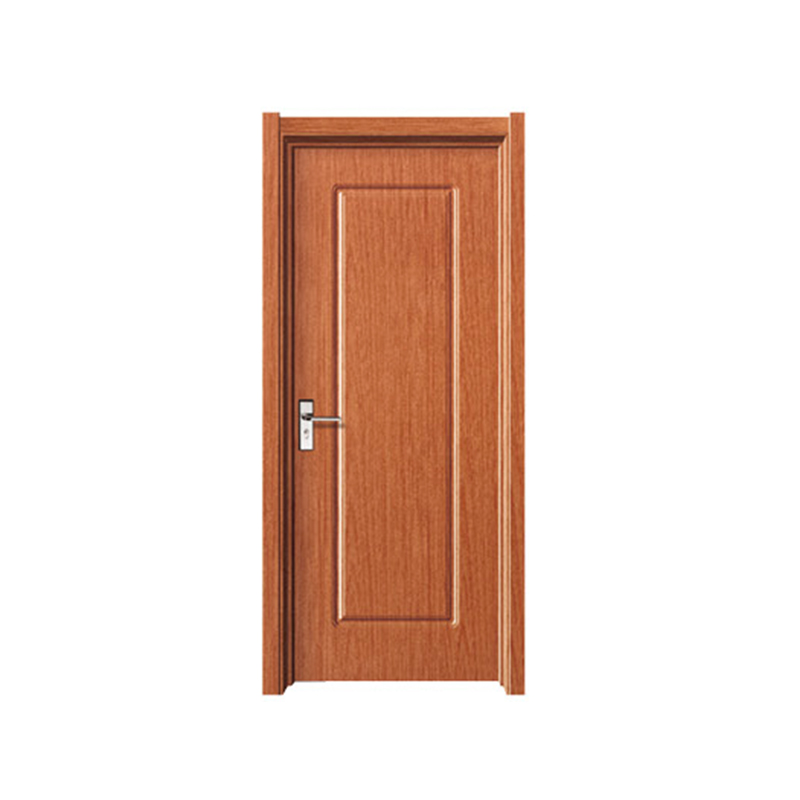
The laminated finish adds a decorative layer that can mimic wood grain, provide a solid colour, or offer a textured surface. The laminate protects the MDF core from moisture, scratches, and stains. The finish comes pre-applied from the factory, eliminating the need for on-site painting.
A Laminated MDF Door provides a consistent product from one unit to the next. The dimensions stay uniform. The surface stays flat. The finish remains consistent across the entire production run. The predictability makes planning and installation easier.
A Modern Solid Wood Door uses solid timber for the entire construction. Oak, walnut, maple, and mahogany are common choices. Each door carries the natural characteristics of the wood species, including grain patterns, colour variations, and occasional defects like small knots.
The natural appearance appeals to those who value the authenticity of real wood. The grain shows through the finish, and the texture changes with the light. The door carries a weight and solid feel that many associate with quality.
The performance of a solid wood door changes with the environment. Wood expands and contracts with changes in humidity. A door that fits perfectly in summer may stick in winter. The natural material requires accommodation for its movement.
The cost difference between laminated MDF and solid wood doors can be significant. Laminated doors typically cost less to purchase and install. The saving frees up budget for other elements of the project.
A MDF Door excels in applications where stability matters more than wood grain. Interior doors in heated buildings, doors that open and close frequently, and doors in areas with moderate humidity all benefit from MDF's stability. The door stays flat and square without the seasonal movement of solid wood.
The maintenance burden differs between the two materials. A Laminated MDF Door with a factory finish resists scratches and stains. The surface can be wiped clean with a damp cloth. A solid wood door requires periodic refinishing to maintain its appearance.
The homogeneous structure of MDF eliminates a problem common in solid wood. Surface checking, where the finish cracks along the grain lines, does not occur. MDF has no grain lines to check, so the surface stays smooth through changes in temperature and humidity.
The moisture content of MDF remains relatively stable. The material absorbs and releases moisture at a slower rate than solid wood. The stability reduces the risk of warping, swelling, and shrinking. A MDF Door stays the same size throughout the year.
| Characteristic | Laminated MDF Door | Modern Solid Wood Door |
|---|---|---|
| Material stability | High | Moderate |
| Resistance to checking | High | Variable |
| Maintenance requirement | Low | Moderate to high |
| Initial cost | Lower | Higher |
| Aesthetic options | Wide range of laminates | Natural wood grain |
| Suitability for high humidity | Good with proper sealing | Variable by species |
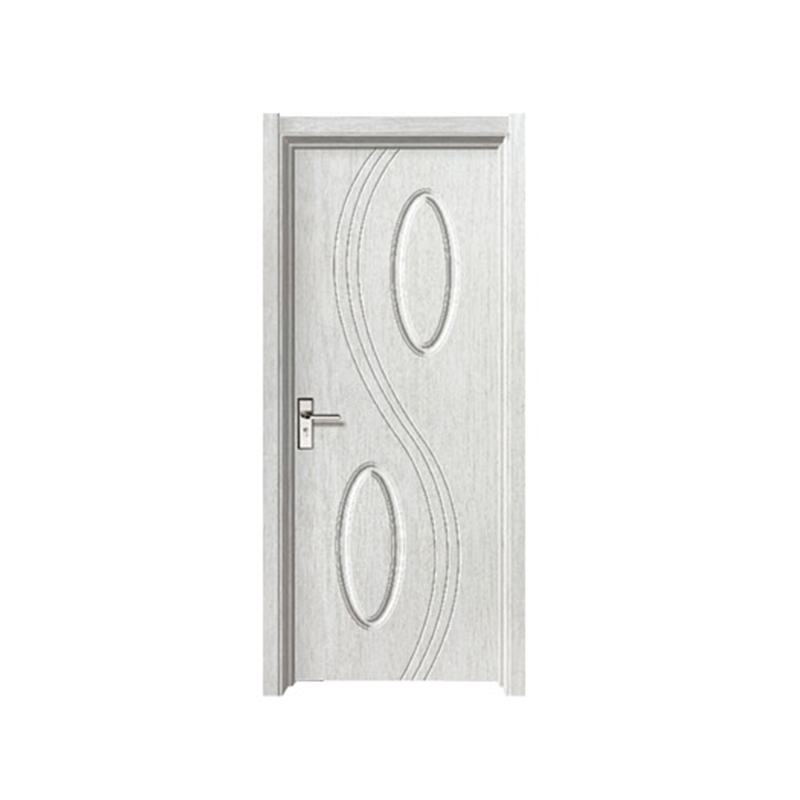
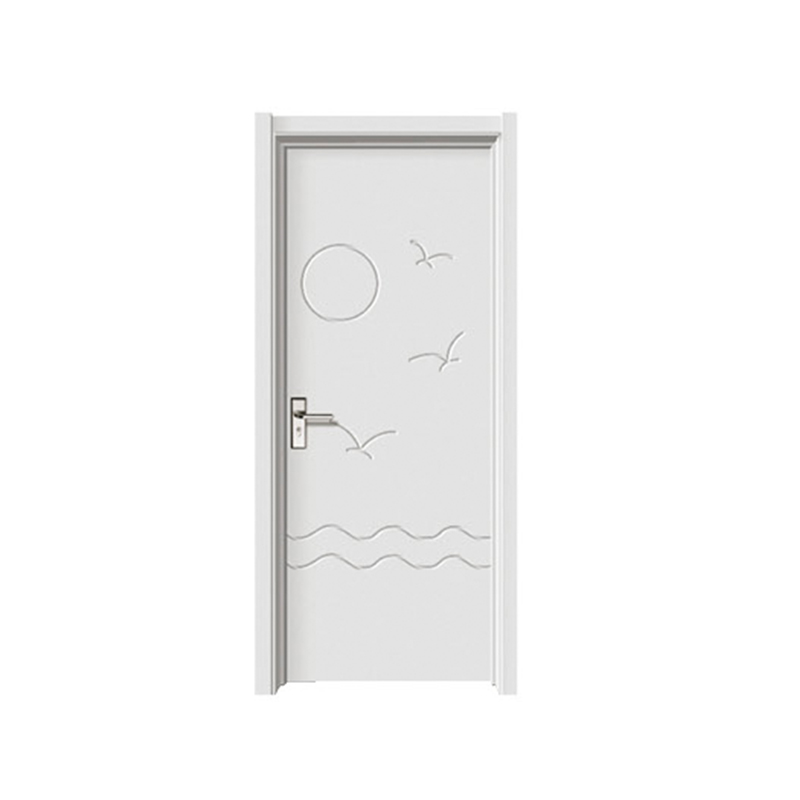
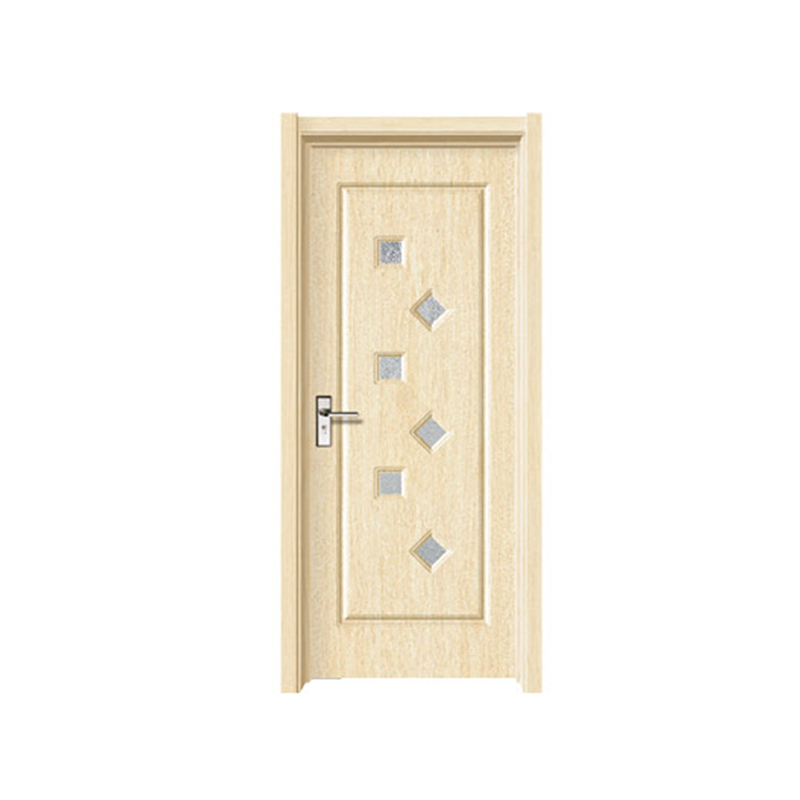
A Laminated MDF Door allows for design details that solid wood cannot support. The material can be routed to create three-dimensional panel effects, giving the door a custom look without the cost of traditional joinery. The routing cuts cleanly because MDF has no grain direction to tear.
Glass panels can be integrated by cutting directly into the door surface. The cut edge holds the glass securely because the MDF core remains consistent. Solid wood requires additional framing and jointing to support glass, adding cost and complexity.
The variety of laminate finishes available exceeds what can be achieved with solid wood. Wood grain laminates mimic oak, walnut, cherry, and other species. Solid colours come in any shade. Textured finishes add tactile interest. The design possibilities suit many interior styles.
A few points about design flexibility with laminated MDF:
Solid wood doors remain the choice for certain applications. A home with exposed timber beams and hardwood flooring may look incomplete with anything other than solid wood doors. The continuity of natural materials matters in high-end residential projects.
The acoustic performance of a solid wood door often exceeds that of laminated alternatives. The dense material blocks sound transmission more effectively. In settings where noise reduction matters, a solid wood door can reduce sound transfer between rooms.
The ability to refinish a solid wood door multiple times adds to its value. A door can be sanded and refinished when it starts to show wear. The refinishing restores the appearance without replacing the door. A Laminated MDF Door cannot be refinished in the same way because the laminate surface is thin.
The intended location of the door should guide the selection. A door that faces the street and experiences temperature swings may perform differently from one that sits in a climate-controlled interior space. The environment plays a role in how each material behaves.
The expected wear influences the value of each option. A door in a busy corridor with high traffic will see more contact and potential damage. A durable laminated surface may resist scuffs and scratches better than a wood finish.
The maintenance resources available to the owner matter. A homeowner willing to refinish a door every few years may find a solid wood door worthwhile. A facility manager with limited maintenance staff may prefer the lower-maintenance laminated MDF option.
Several factors that affect the value calculation:
Heated buildings create conditions that challenge solid wood. The dry air pulls moisture from the wood, causing shrinkage and checking. A Laminated Door stays dimensionally stable because the material does not lose moisture as quickly. The surface finish does not develop cracks along grain lines.
The cost-effectiveness of laminated MDF for flush and panel doors makes it a practical choice for many projects. Large commercial buildings can install hundreds of doors at a fraction of the cost of solid wood. The consistency from one door to the next simplifies installation and replacement.
The factory-applied finish on a MDF Door arrives ready to install. No on-site painting, staining, or sealing is required. The finish is durable and consistent, with no variation between doors. The installation process moves faster because each door works the same way.
The comparison between laminated MDF and solid wood doors shows that value depends on the application. A Laminated MDF Door offers better value in situations where stability, cost control, and low maintenance are priorities. A Modern Solid Wood Door offers better value where natural aesthetics, acoustic performance, and the ability to refinish are important.
The decision should be based on the specific requirements of the project. A door in a climate-controlled apartment building may not need the natural characteristics of solid wood. A door in a high-end residence with exposed timber may require the authenticity of solid wood to match the rest of the building.
Both door types have their place. Neither is universally better or worse than the other. The better value comes from matching the door type to the application. A door that fits the environment, meets the performance requirements, and stays within the budget provides the best value for that project.
Copyright © Zhejiang Shangpin Bense Home Furnishing Co., Ltd.

Wood Interior Door Manufacturer
 русский
 عربى
عربى Français
 Español