

2026-08-04
A door mainly separates one space from another, yet it's often among the first things a visitor actually notices in a room. Its material, color, and shape can shape the feeling of an entire interior area in ways that go well beyond mere function. Modern home design has moved past simple decoration over the years, and more attention now goes toward how a product looks alongside how it actually performs in daily life.
A door needs to handle frequent opening and closing while still matching its surroundings. Design decisions, because of that, now involve considerably more than picking a suitable appearance. Material stability, surface treatment, privacy needs, and long‑term maintenance have all become part of the selection process over time.
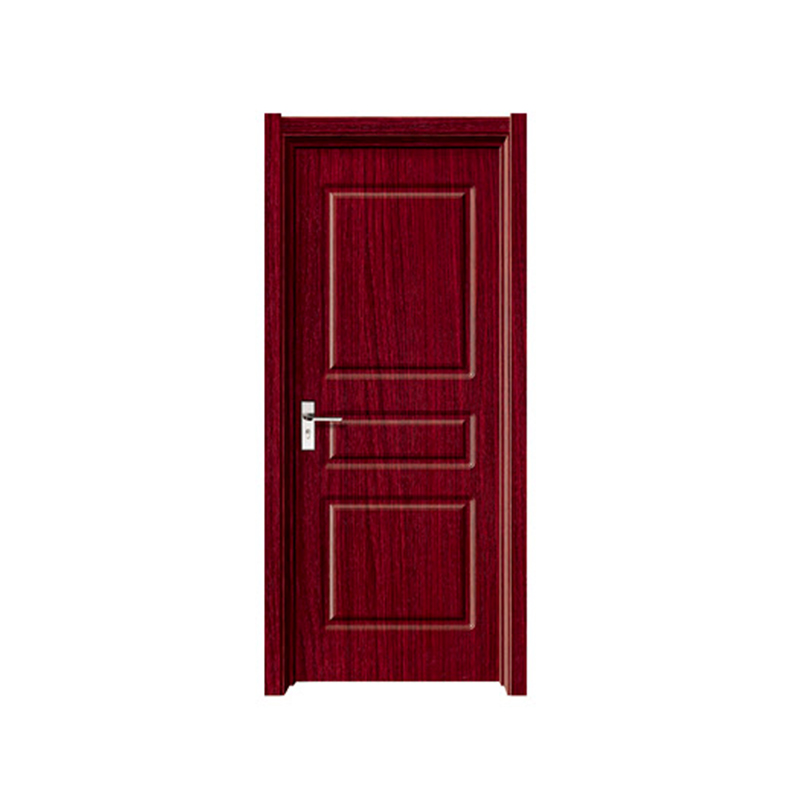
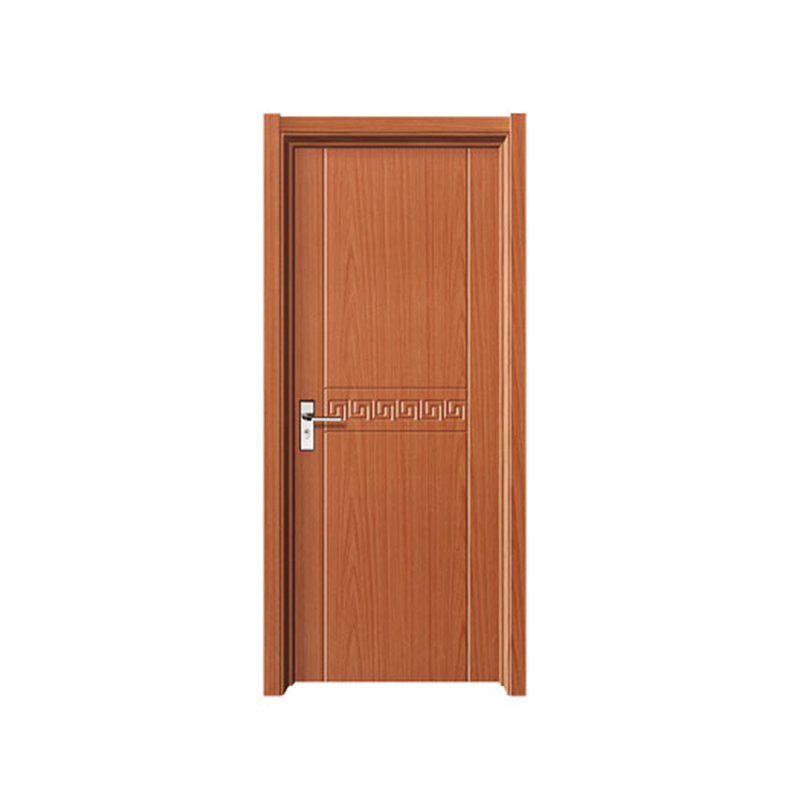
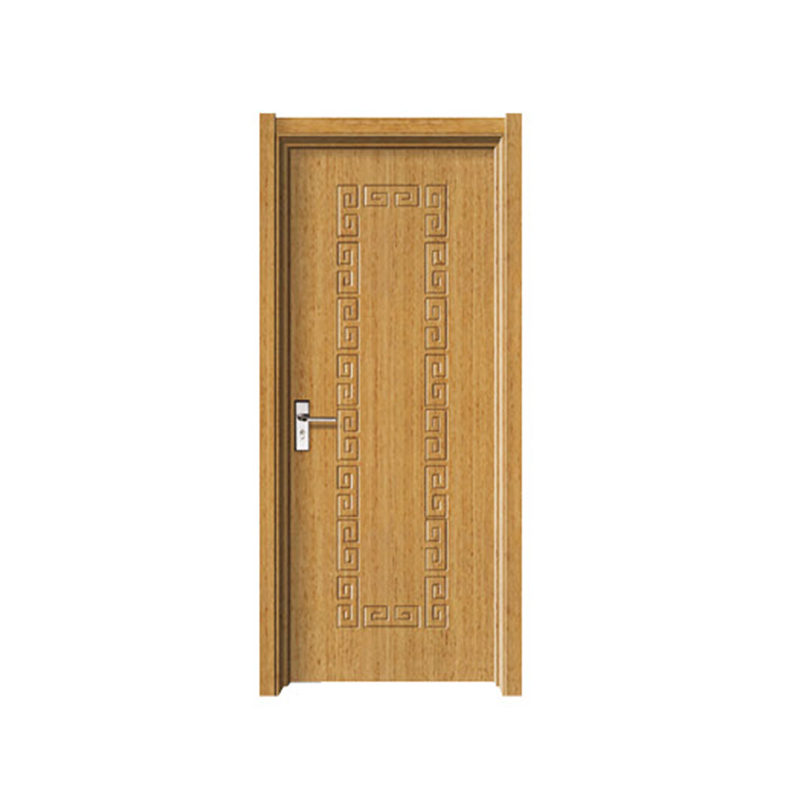
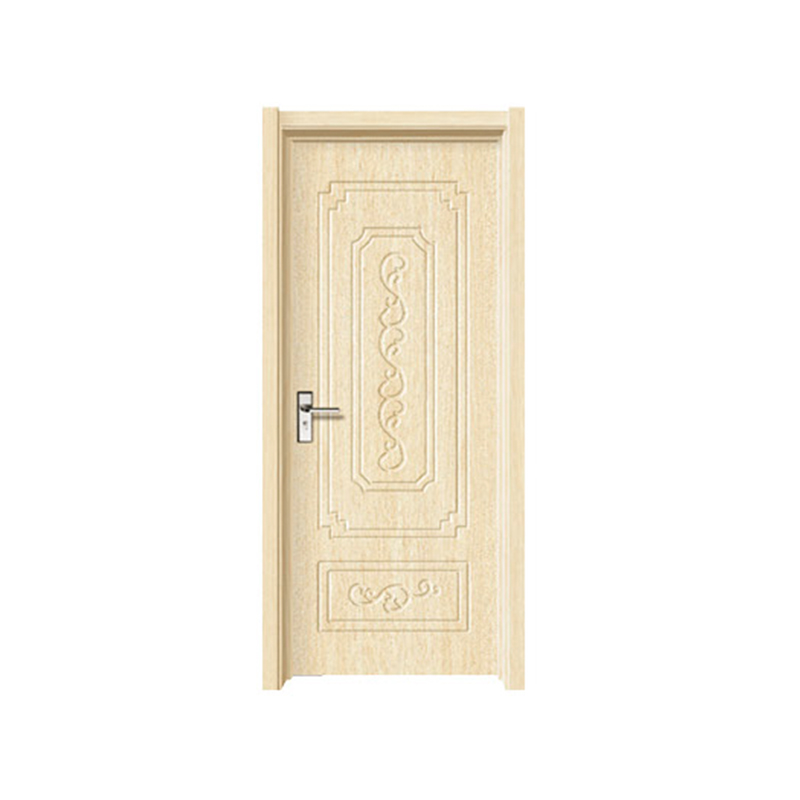
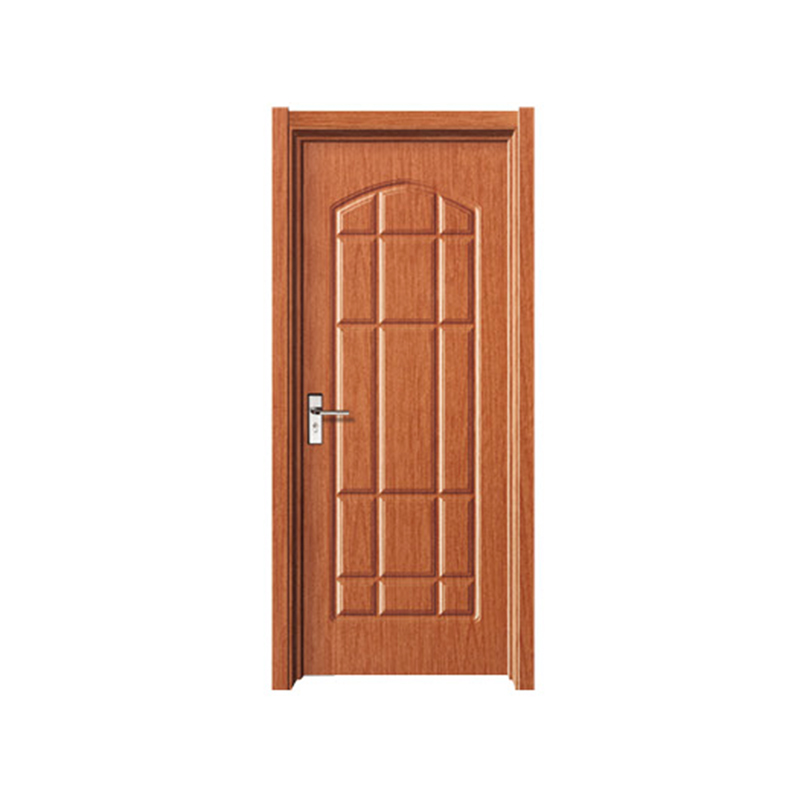
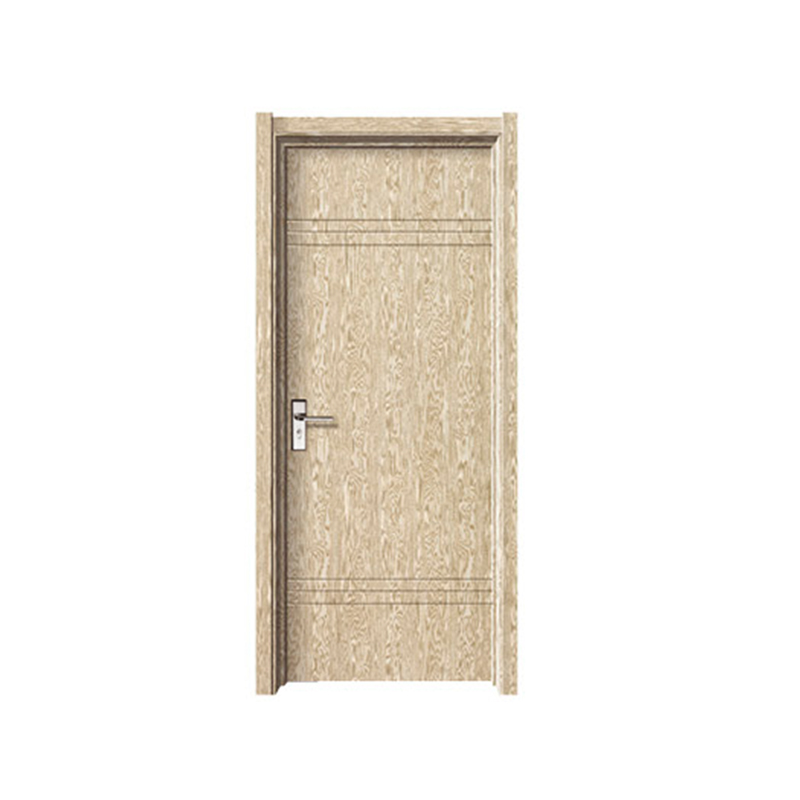
Modern Solid Wood Door designs reflect exactly this shift. Natural wood brings warmth and texture on its own, and contemporary processing methods let doors fit different interior styles without losing that natural quality along the way. Many designs try to connect style and function together, rather than treating them as separate concerns, through material choice and structural detail.
Several factors shape modern door preferences:
A well‑designed door doesn't really need complicated decoration to draw attention. Simple lines, balanced colors, and natural textures create a considerably more comfortable atmosphere in plenty of homes on their own. Smooth operation and suitable structure often carry just as much weight during selection as appearance does.
Wood has stayed a common choice for doors across generations, thanks to its natural appearance and distinct physical characteristics. Real wood carries its own texture, color variation, and visual depth — qualities that manufactured surfaces imitating natural patterns struggle to replicate.
Material selection matters more than it might seem at a glance, since it shapes both appearance and daily experience. Different wood types show different grain patterns, surface feelings, and responses to environmental conditions. Such differences give designers room to create doors matching a wide range of interior styles.
A solid wood structure also carries its own presence in a room, offering a different sense compared with lighter door materials. Plenty of users appreciate that solid feeling when opening or closing a door, since it creates a genuine connection between the product and the living space around it.
Appearance alone doesn't tell the whole story, though. A door used every day needs suitable construction and proper care behind it. Moisture control, surface protection, and installation quality all shape how the door performs as the years pass.
Common considerations include:
A door's role looks quite different now than it once did, changed by modern lifestyles in fairly fundamental ways. It's no longer viewed only as a functional barrier between rooms. It's become part of interior planning instead, where material, design, and usability work together toward a shared result.
Modern interior spaces have shifted away from heavy decoration over recent years, focusing instead on clean appearance and practical layouts. Proportion, texture, and color gradually replace ornamentation as the tools that create visual balance in a room.
A Modern Solid Wood Door can adapt to this style through several design choices, blending into different spaces without adding unnecessary visual complexity. Simple panels, natural finishes, and balanced shapes let it sit comfortably within varied settings.
Interior coordination plays an important part in door selection too. A door should work together with walls, floors, furniture, and lighting rather than standing apart from them. Spaces tend to feel more connected when surrounding elements share a similar design direction.
| Design Element | Influence on Interior Style | Practical Consideration |
|---|---|---|
| Wood texture | Adds natural visual detail | Requires suitable surface care |
| Color selection | Helps connect different areas | Should match existing decoration |
| Door shape | Changes room appearance | Needs to fit available space |
| Surface finish | Affects overall feeling | Influences cleaning and maintenance |
Minimal designs don't actually mean a lack of detail. Small changes in grain direction, edge shape, or surface treatment can create genuinely different visual effects. A simple door can still carry careful design thinking underneath.
Modern homes also carry different space requirements compared with traditional layouts. Open areas, multifunctional rooms, and flexible living spaces create fresh demands for doors to meet. A suitable design needs to support these changes while holding onto a natural appearance throughout.
Appearance attracts attention easily enough, yet daily use determines whether a door feels suitable as time passes. Modern door designs usually weigh several practical aspects during development rather than focusing on looks alone.
A door needs to open smoothly, close properly, and maintain its structure through regular use — that's the baseline it has to meet. Small details in construction can shape comfort, noise control, and overall experience in ways that are easy to overlook at a glance.
| Functional Area | Design Focus | Daily Influence |
|---|---|---|
| Structure | Balanced construction | Supports regular operation |
| Surface protection | Suitable finishing | Helps maintain appearance |
| Hardware matching | Proper fitting parts | Improves opening and closing experience |
| Door proportion | Suitable size and shape | Supports space coordination |
Privacy carries its own weight as a consideration too. Different rooms call for different levels of separation — bedrooms, study areas, and living spaces may each carry different expectations around visual separation and personal comfort.
Modern door design often combines these needs with appearance, and that combination defines the approach at its best. A door can hold onto a simple visual style while still supporting practical requirements like privacy and convenient operation side by side.
The relationship between style and function isn't really about adding more features. It's about making each design choice serve a genuine purpose instead. Material, structure, and appearance need to work together so the door fits naturally into everyday life without friction.
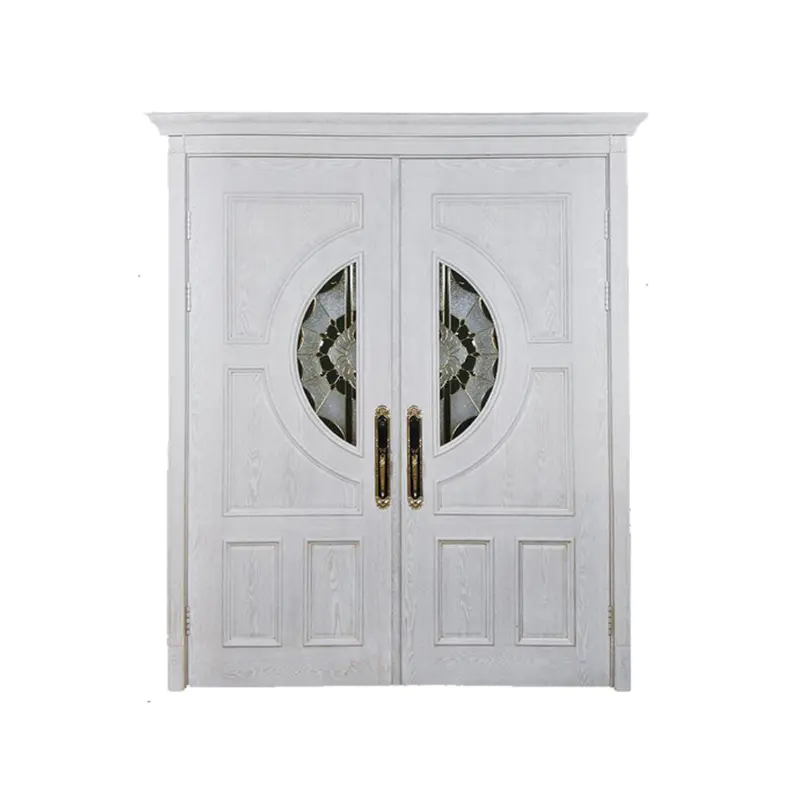
Doors take up surprisingly little visual space in a room, yet they carry outsized influence over how that room feels as a whole. Color, texture, shape — these small choices ripple outward, connecting or separating different areas depending on how carefully they're considered. Modern home design pays close attention here, because nothing in a room exists in isolation.
Wood grain does a lot of quiet work in this regard. It adds warmth without shouting for attention, and when paired with a simple door structure, it tends to sit comfortably next to almost any decoration style. A door in a bedroom faces different visual demands than one in a study, but the underlying principle stays the same: match the atmosphere instead of standing apart from it.
A few details tend to decide whether a door actually fits:
Color, in particular, does more heavy lifting than people expect. A lighter wood tone softens a room; a deeper tone adds weight and depth. Neither is inherently better — it depends entirely on what atmosphere the space is reaching for.
Furniture matters here too, maybe more than it gets credit for. When materials and colors echo each other across a room, the whole space starts feeling like one coherent idea rather than a collection of separate purchases. That's really the shift happening in how doors get treated now — less as standalone products, more as one piece of a larger design conversation.
There's also the question of flexibility. Rooms today rarely serve just one purpose throughout the day, and a door often ends up doing quiet management work — closing off a space when needed, staying visually consistent when it's not.
Homes have gotten more shared, more multifunctional, and somewhat noisier as a result. That shift has pushed privacy back into focus in ways it wasn't a generation ago. A bedroom, a home office, a resting nook — each wants a different kind of boundary, and a well‑designed door can draw that line without disrupting the rest of the interior's look.
Comfort works alongside privacy, though it shows up in smaller, more physical ways. Think about how a door actually feels under your hand — its weight, where the handle sits, how smoothly the hinges carry it. These aren't decorative details. They're used dozens of times a day, so they matter more than most people initially assume.
A few things tend to define that comfort:
Sound deserves its own mention. A bedroom door and a storage room door face completely different expectations for noise control, even though they might look nearly identical from the outside. Getting that balance right — enough separation without cutting a room off entirely — is where material choice and construction quality really earn their keep.
It's easy to think of a supplier's job as simply producing the finished product. In practice, that's only part of it. As design tastes keep splintering into more directions, suppliers end up needing a working understanding of materials, styles, and the practical demands buyers bring to the table.
Development involves more moving parts than it might look from outside: material selection, production consistency, surface treatment, and how much customization a given order allows. None of these happen in a vacuum — they're shaped by conversations between designers, manufacturers, and the people who'll eventually live with the door every day. Clear specs around size, style, environment, and expected maintenance make a real difference in whether the end result actually works.
Typical supplier responsibilities include:
Preferences vary a lot, too — some buyers want the grain and texture front and center, others want something closer to invisible, just clean lines and quiet surfaces. Suppliers who pick up on that distinction tend to serve customers better than those pushing a single standard look.
Standard sizing doesn't always survive contact with real homes, either. Layouts vary enough that flexible production has become less of a luxury and more of a baseline expectation. The supplier relationship, increasingly, isn't just transactional — it's a conversation about how and where a door will actually live.
A door that looks perfect in a showroom doesn't automatically translate to a real home. That gap is worth taking seriously before committing to a purchase.
Material quality is a sensible place to start. Wood types differ in texture, structural behavior, and how much upkeep they demand — and understanding those differences upfront saves headaches later. Beyond material, a few practical questions tend to guide a good decision:
Space planning is easy to underestimate. A door that photographs beautifully can still feel wrong in practice if it doesn't account for room size, furniture placement, or how people actually move through the space.
Maintenance is the quieter cost that shows up later. Natural materials need regular, appropriate care to hold their appearance — this isn't a one‑time consideration but an ongoing one. And budget, inevitably, threads through every choice above it. Material, design complexity, and production method all pull cost in different directions, which is why the better approach weighs appearance, function, and longevity together rather than optimizing for just one.
Homes keep asking more of their fixtures — not just to look good, but to actually work well within daily routines. Doors are a small piece of that puzzle, yet their influence on privacy, movement, and overall atmosphere adds up more than their size would suggest.
What's interesting about Modern Solid Wood Doors is how they manage to hold onto something old — the warmth of natural material — while adapting to genuinely new living patterns. That's not really a contradiction. Style and function were never meant to compete for space in the same design.
A beautiful door still needs to function well, and a functional door still needs to belong visually in its room. Material, construction, and interior coordination all feed into that outcome together, not as separate checklists but as one interconnected decision.
As homes keep evolving, doors will likely keep tracking right alongside them — not just as a threshold between rooms, but as part of what actually makes a space feel considered, comfortable, and lived‑in.
Copyright © Zhejiang Shangpin Bense Home Furnishing Co., Ltd.

Wood Interior Door Manufacturer
 русский
 عربى
عربى Français
 Español