

2026-07-21
Living near the sea changes the way indoor materials behave. Air carries more moisture, rooms may stay damp for longer periods, and ventilation is not always enough to keep everything dry. Doors face all of that every day, so shape changes become easier to notice over time.
Warping usually starts small. A panel may close a little harder than before, or one edge may sit slightly off line. After that, the change can slowly become more visible. In coastal homes, where humidity stays active for much of the year, that kind of movement is something homeowners often pay attention to.
A PVC Decorative Door reacts to moisture differently from a wood door. Wood has natural fibers that absorb and release water from the air. PVC follows another pattern, so its response to damp conditions is not the same. That difference is one reason material choice matters so much in places near the coast.
Still, material alone does not decide the result. Door structure, surface treatment, installation quality, and daily use all play a part. A door that is built well and installed properly may stay in better shape than another door made from a similar material.
Humidity is one of the main reasons doors begin to change shape. When moisture enters a material, some parts may expand sooner than others. When the air dries out again, the material contracts. Repeated movement like that can slowly shift the balance inside the panel.
Wood reacts in a very natural way. Since it comes from a living material, it keeps exchanging moisture with the air around it. In a coastal home, that exchange often continues day after day. One side of a door may absorb moisture faster than the other side, and that uneven reaction can lead to bending or twisting.
Several common coastal conditions can make the situation more noticeable:
A bedroom door close to a sea-facing wall may not face the same conditions as a hallway door in a dry interior space. A bathroom door may deal with steam and splashes, while a storage room door may stay more stable. Location matters as much as the material itself.
Installation also has an effect. A door frame that leaves too little room for movement may add pressure when the panel expands. When the fit is too tight, shape changes can show up sooner. Proper installation gives the door a little room to move naturally without forcing the frame.
A PVC Decorative Door behaves differently because the material itself reacts differently to moisture. PVC does not absorb water in the same way as wood fibers, so humidity changes do not affect it in exactly the same manner.
In coastal areas, that can matter quite a bit. Moist air may stay around for long periods, especially in rooms with limited ventilation. A material that absorbs less moisture may keep its shape more steadily under those conditions.
Surface structure matters too. The outer layer helps protect the inner part of the door from daily exposure. When that surface stays in good condition, the door is usually easier to clean and less exposed to moisture contact during regular use.
| Factor | Influence On Door Condition |
|---|---|
| Material structure | Changes how moisture is handled |
| Surface layer | Helps protect the inside from daily exposure |
| Internal design | Supports shape stability |
| Installation fit | Affects stress on the frame and panel |
| Room condition | Changes how often moisture reaches the door |
A bathroom door, a laundry room door, and a bedroom door near the coast may all face different exposure levels. A PVC Decorative Door can be a practical choice in those spaces because the material handles moisture in a different way from natural wood.
Cleaning habits also matter. Wiping the surface properly, avoiding long contact with water, and keeping indoor air moving can help the door stay in better condition. The material does not remove the need for care, though it may reduce some of the shape changes people often worry about in humid homes.
Wood doors have their own value, especially when appearance and texture are important. Natural wood gives a warm look that many interior spaces use for style and comfort. At the same time, wood responds more directly to changes in humidity.
Wood fibers naturally take in moisture from the air and give it back when the air becomes drier. In coastal areas, that cycle happens more often. Over time, repeated expansion and contraction may affect the flatness of the panel, the fit inside the frame, or the movement of the door when it opens and closes.
Some conditions make the change more likely:
Not every wood door warps in the same way. Door structure, coating quality, and maintenance habits all influence the result. A well-built wood door in a dry room may stay stable for a long time. Another door in a more humid corner may need more attention.
That difference is why the comparison with PVC matters. The question is not whether wood doors can be used near the coast. The question is how the material will behave in that setting and how much care the door may need over time.
Material choice is only one part of the picture. A door can still change shape when the structure, installation, or room condition is not well matched with the environment.
Door structure plays a large role. Panels with balanced internal support usually handle environmental changes more evenly. When the internal layout is uneven, some areas may react faster than others.
Production quality also matters. An Interior Door Factory needs to control material preparation, panel forming, surface finishing, and assembly accuracy. Small changes during production can affect how the finished door responds once it is installed in a home.
| Factor | Influence On Door Shape |
|---|---|
| Humidity changes | May cause expansion or contraction |
| Internal structure | Affects balance inside the panel |
| Installation method | Influences pressure on the frame |
| Surface treatment | Helps slow moisture contact |
| Ventilation | Changes the indoor environment |
A door that is exposed to strong humidity but built and installed with care may still perform reasonably well. A poorly fitted door in a less demanding room may still show problems. For that reason, material, production, and installation should always be looked at together.
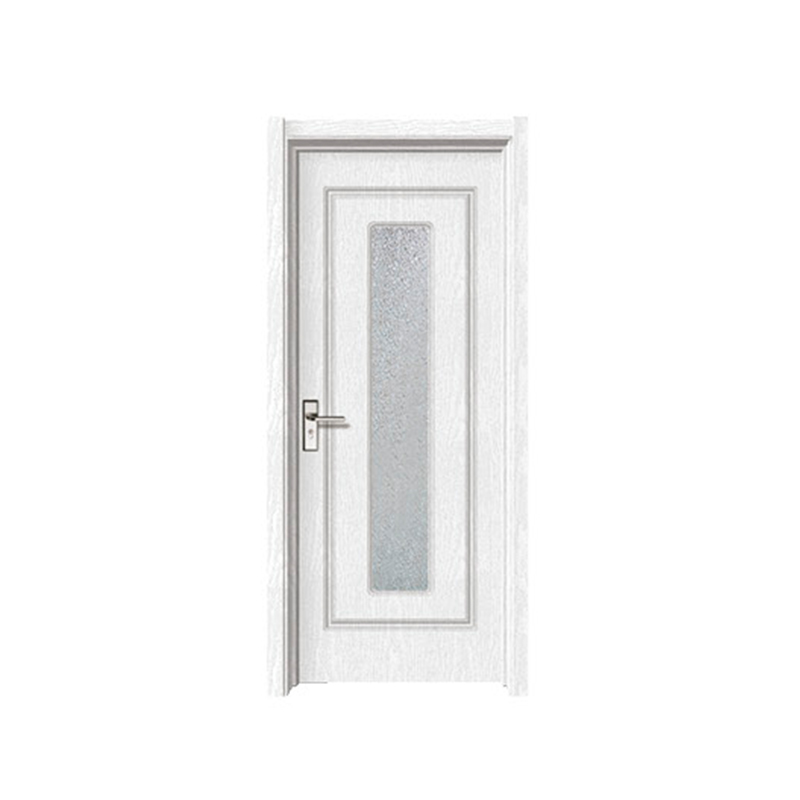
Coastal homes often have a different indoor environment from homes in dry areas. Moist air can enter through windows, doors, and ventilation openings, while rooms such as bathrooms and kitchens may create additional moisture during daily use. Because doors are used frequently, material response becomes an important part of long-term use.
A PVC Decorative Door is often selected for indoor spaces where moisture changes happen more often. Compared with natural wood, PVC material does not absorb water through natural fibers, so humidity has a different effect on its structure.
For example, a bathroom door may face steam and occasional water drops, while a bedroom door may mainly experience changes in indoor air. The same door material can behave differently depending on where it is installed.
The surrounding conditions still need attention. A moisture-resistant material does not remove the need for proper installation and care. A door frame that fits correctly, suitable ventilation, and regular cleaning all influence how the door performs.
In coastal homes, some simple habits can help keep interior doors in good condition:
Material choice helps reduce some environmental effects, although daily use and installation quality remain important parts of the overall result.
A door's condition after installation is connected with the way it is produced. The material itself matters, although the internal structure and manufacturing process also affect how the finished product reacts to its surroundings.
An Interior Door Factory usually needs to control several stages before a door reaches the market. Material preparation, panel forming, surface treatment, and assembly all influence the final structure.
Small differences during production can affect how evenly a door responds to environmental changes. For example, an uneven panel structure may create different stress areas when humidity changes. Proper processing helps maintain better balance inside the door.
| Production Stage | Effect On Door Condition |
|---|---|
| Material preparation | Influences panel consistency |
| Internal structure forming | Affects shape stability |
| Surface treatment | Helps reduce moisture exposure |
| Assembly process | Influences fitting accuracy |
| Inspection process | Helps identify possible issues |
An Interior Door Factory also needs to consider the environment where the door will be installed. A coastal home has different requirements compared with a dry indoor space. Information about usage conditions helps manufacturers adjust production methods and material selection.
Production quality and later maintenance work together. Even a well-made door still needs correct installation and suitable care after entering daily use.
Coastal weather cannot be controlled, although homeowners can reduce unnecessary effects through simple maintenance. Many door problems become easier to handle when small changes are noticed early.
Air movement inside the room is one useful point. Rooms with poor ventilation may keep higher moisture levels around walls, furniture, and doors. Opening windows when conditions allow or improving airflow can help create a more stable indoor environment.
Water management is also important. Regular cleaning is part of home care, while long periods of water contact may affect some door surfaces. Wiping moisture after cleaning or accidental splashes helps protect the door.
Regular checks do not need to be complicated. Homeowners can pay attention to:
Cleaning methods should match the surface material. Rough tools or unsuitable cleaners may affect the outer layer of the door. Gentle cleaning is usually enough for regular household use.
Maintenance is especially useful in coastal areas because moisture conditions often change. A quick check from time to time can help homeowners notice problems before they affect daily use.
PVC and wood doors both have their own characteristics. The choice depends on where the door will be installed, the expected maintenance work, and the style requirements of the home.
Coastal houses often pay attention to moisture response because indoor conditions can change throughout the year. A material that matches the room environment can make daily use easier.
| Comparison Point | PVC Decorative Door | Wood Door |
|---|---|---|
| Moisture response | Has different moisture behavior from wood | Naturally exchanges moisture with air |
| Surface maintenance | Usually requires simple cleaning care | May need more attention to surface condition |
| Appearance | Provides different decorative surfaces | Offers natural wood texture |
| Coastal application | Suitable for rooms with changing humidity | Depends on environment and maintenance |
| Shape stability | Related to structure and installation | Related to wood characteristics and care |
A PVC Decorative Door can fit many coastal interior spaces because of its material characteristics. A wood door may also be suitable when the room conditions and maintenance routine match its needs.
There is no single factor that decides how a door performs after installation. Material, production process, room environment, installation method, and daily care all connect with the final condition.
Choosing an interior door is closely related to the place where it will be used. A bathroom, bedroom, hallway, or storage area may have different humidity conditions, so the same material may not have the same performance in every location.
Coastal homes often need attention to moisture management. Door selection becomes part of creating a comfortable indoor space that can handle daily environmental changes.
A PVC Decorative Door offers one option for coastal interiors because its response to moisture differs from natural wood. The actual result depends on the complete process, including manufacturing, installation, and regular care.
An Interior Door Factory contributes by controlling material handling, structural design, and production consistency. A door that matches the application environment can reduce unnecessary problems during everyday use.
Door selection is not only related to preventing warping. It also involves understanding the room conditions, expected maintenance, and how the material fits the way people live.
Copyright © Zhejiang Shangpin Bense Home Furnishing Co., Ltd.

Wood Interior Door Manufacturer
 русский
 عربى
عربى Français
 Español