

2026-08-11
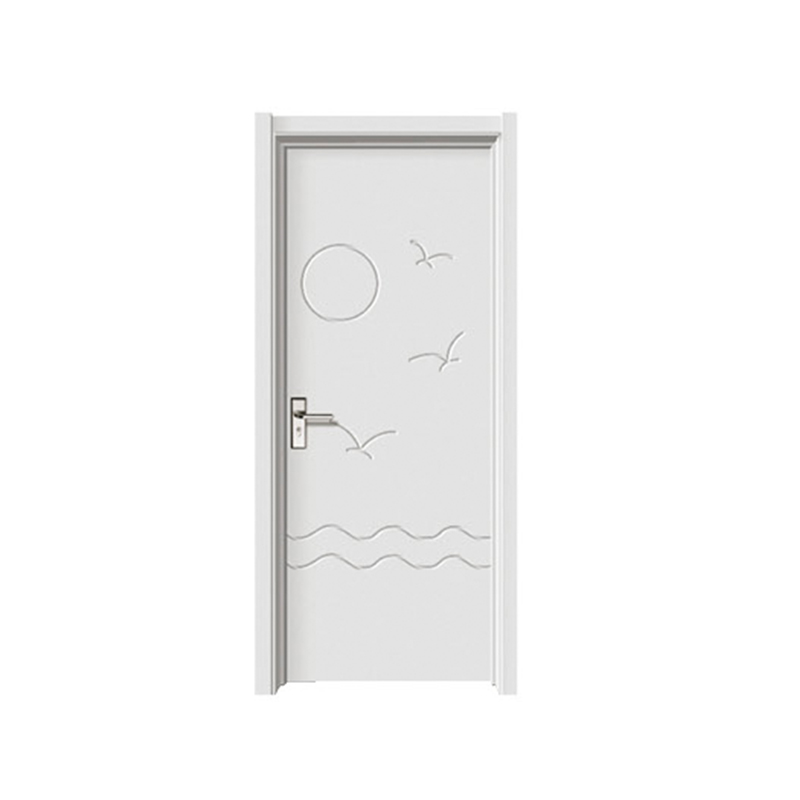
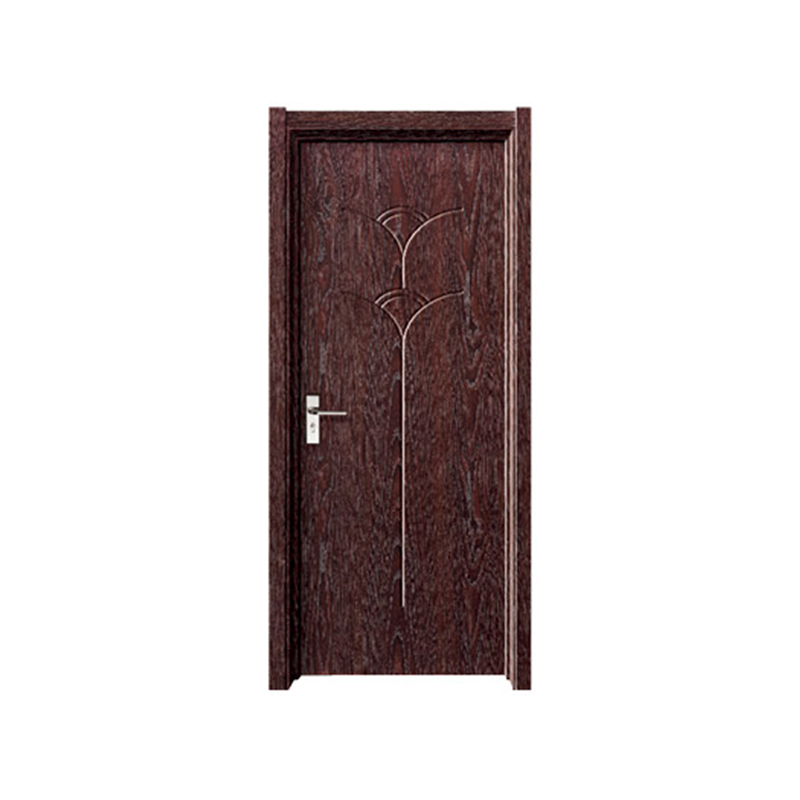
A door surface has to deal with more than appearance during daily use. Hands touch the same areas repeatedly, furniture may pass close to the edges, and regular cleaning can gradually change how a surface looks and feels. A laminated surface provides a decorative outer layer over the MDF base, yet surface protection remains relevant because the covering layer itself can experience friction, moisture and minor contact damage.
MDF provides a flat and workable base for door production. A decorative film or sheet can then be applied over the prepared surface, giving the door its intended color, texture and visual pattern. Such a surface can remain stable during normal indoor use when the structure has been prepared correctly, although an additional protective layer can help reduce direct exposure to daily wear.
A protective top coat sits above the decorative surface and acts as an additional barrier. Rather than replacing the laminate, it works with it. Contact from hands, dust and routine cleaning reaches the outer layer before reaching the decorative surface underneath.
Several areas may benefit from careful protection:
A protective finish also needs to suit the surface beneath it. Poor adhesion, uneven application or unsuitable preparation can create problems of its own. Surface protection therefore starts before the final coat is applied, with attention to the condition of the laminated panel and the way each layer interacts.
Daily contact may seem harmless when considered one action at a time. A hand touches a door, a cloth wipes away dust, or a nearby object brushes against an edge. Repetition gradually creates a different type of stress, especially around areas that people touch frequently.
Handles and the surrounding panel can receive repeated contact from hands and clothing. Oils from the skin may remain on the surface, while cleaning removes some residue through repeated wiping. A surface without suitable protection may gradually lose part of its original appearance as contact continues.
Edges have a different exposure pattern. People often hold the edge when opening a door, while installation work can create small marks around corners and openings. Sharp contact may also affect the outer surface more easily than ordinary contact across a broad flat panel.
A protective coat can help separate everyday contact from the decorative layer. Its role is not to make a door immune to wear. Instead, it provides an additional surface that receives much of the ordinary contact during use.
Cleaning habits also matter. Repeated wiping with rough materials can create fine marks, while unsuitable cleaning liquids may affect a surface finish. Gentle cleaning and suitable maintenance help preserve the condition of the protective layer.
For household doors, practical care often starts with simple habits:
Such steps reduce unnecessary stress on the outer finish. A protective coat works as part of a wider surface-care system rather than as a replacement for sensible handling.
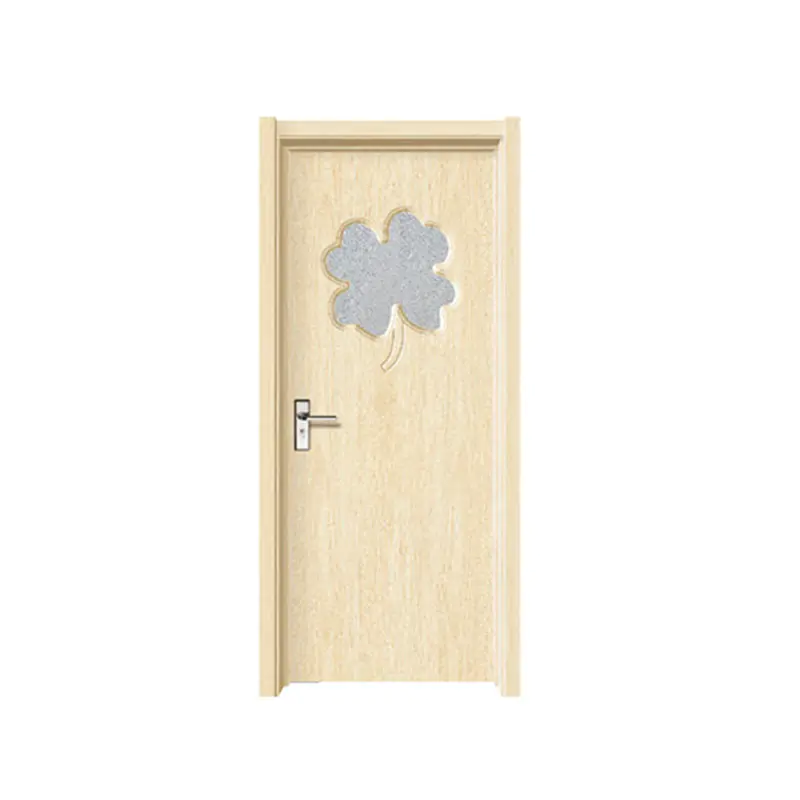
MDF contains wood fibers compressed into a stable panel. Moisture can still become a concern when water reaches exposed sections of the material. A well-covered flat surface offers protection from direct contact, while damaged areas, open edges and installation cuts may provide easier paths for moisture.
Once moisture reaches the underlying board, changes can occur within the material. Swelling around an exposed edge may affect how the door fits or how its surface meets nearby components. Repeated moisture exposure can also place stress on the relationship between the board and its decorative covering.
Bathroom entrances, kitchens and rooms where frequent cleaning takes place can present different moisture conditions from dry interior spaces. Door design and surface treatment therefore need to consider where a panel will be installed.
A top coat can add another layer between everyday moisture and the surface below. Its usefulness depends on proper application and the condition of the underlying layers. A coating cannot correct an exposed edge that has already been poorly prepared, nor can it replace suitable sealing around openings.
Moisture protection can be viewed through several connected areas:
| Door Area | Main Exposure | Surface Protection Consideration |
|---|---|---|
| Flat face | Cleaning and hand contact | Maintain a continuous outer finish |
| Door edge | Touching and accidental contact | Give attention to edge sealing |
| Handle opening | Installation and repeated handling | Protect exposed cut areas |
| Lower section | Contact with moisture during cleaning | Avoid standing water and poor sealing |
Moisture control therefore needs to begin with the full door structure. Surface coating, edge treatment and installation practices all contribute to keeping water away from vulnerable sections.
A flat door face is usually easier to cover continuously than an edge. Edges involve corners, transitions and areas that may be cut during manufacturing or installation. Such locations can expose the underlying board and create additional points that need protection.
Cutting a door for handles, hinges or other fittings can also interrupt the original surface covering. Once the outer layer has been opened, the exposed section needs appropriate treatment. A protective finish around such areas can help reduce direct contact with moisture and everyday handling.
Corners deserve attention because they can receive accidental impacts from nearby objects. A small mark at a corner may remove part of the outer surface, leaving the underlying material more exposed. Once damage appears, moisture and dirt can reach the affected area more easily.
Edge protection can involve several steps:
A protective top coat can contribute to edge durability when applied as part of a suitable preparation process. Its effectiveness depends on adhesion, coverage and compatibility with the underlying surface.
For door manufacturers, edge treatment is also a production issue. A door may look uniform across its broad face while the edges require separate attention. Ignoring those areas can create differences in long-term surface behavior between the face and the perimeter.
Lamination and top coating perform related yet different tasks. A laminate forms the visible decorative surface and provides a covering over the MDF panel. A protective coat adds another layer above that surface, helping reduce direct exposure to rubbing, cleaning and minor contact.
Layer structure can be understood in simple terms:
MDF Base → Lamination Layer → Protective Top Coat → Daily Contact
Each layer has a different role. The MDF provides the main panel structure, the laminate creates the decorative outer surface, and the top coat provides additional surface protection.
A suitable coating needs to remain attached during normal door movement and handling. Surface preparation becomes important because dust, grease or other residue can interfere with adhesion. Uneven preparation can lead to differences in appearance or surface feel after finishing.
Coating thickness also needs to suit the door surface. Too little protection may leave the decorative layer exposed to frequent wear, while an unsuitable coating can change the intended texture or appearance.
Application conditions matter as well. The surface should be clean and properly prepared before finishing, while the coating needs sufficient time to settle according to the material requirements. Rushing between stages can affect the final surface condition.
For a Laminated MDF Door, a protective top coat is therefore not simply an extra decorative step. It forms part of a layered approach to surface care, helping the visible covering deal with everyday contact while the MDF remains protected underneath.
A well-planned surface system considers the entire structure rather than treating the final coating as an isolated process. Lamination, edge protection, coating and installation all contribute to how the door behaves during regular indoor use.
Door surfaces are cleaned for practical reasons, especially around handles, corners and areas where dust tends to collect. Repeated cleaning can gradually influence a protective finish when unsuitable materials or excessive rubbing are involved.
A soft cloth and a suitable cleaning method generally place less stress on the outer layer. Strong rubbing can create fine surface marks, while liquids left around edges may increase the chance of moisture reaching exposed sections. Cleaning habits therefore form part of surface maintenance rather than being separate from it.
Household cleaning products also vary in their effect on different finishes. A product that works well on one surface may change the appearance or feel of another. For a coated door, checking the care instructions before using a new cleaning product helps reduce unnecessary surface damage.
| Cleaning Condition | Possible Surface Change | Practical Care |
|---|---|---|
| Dry dust removal | Limited surface contact | Use a soft cloth |
| Frequent wet wiping | More moisture exposure | Remove remaining moisture |
| Rough rubbing | Fine surface marks | Reduce pressure during cleaning |
| Residue near edges | Increased edge exposure | Clean and dry the area |
Spills should receive attention around joints, corners and openings. A small amount of liquid on a broad flat surface may be easy to remove, while moisture left around an exposed edge can be harder to notice.
Protective coatings can reduce direct contact between cleaning materials and the decorative layer, although routine care still matters. A coating is part of the surface structure, not a reason to use aggressive cleaning methods.
Indoor conditions can change throughout daily use. Heating, cooling, ventilation and seasonal humidity shifts may cause materials within a door to respond differently. MDF and the outer decorative layer do not always react in exactly the same way, so the connection between layers needs to remain stable.
Humidity becomes particularly relevant because wood-based panels can respond to moisture in the surrounding air. Changes may be small during ordinary indoor conditions, yet repeated environmental movement can place gradual stress on joints, edges and surface layers.
Temperature changes can also affect how coatings and decorative surfaces behave. A door exposed to repeated changes may experience slight expansion and contraction across different materials. Good preparation and suitable material selection help the layers accommodate normal movement.
Protective coating provides an additional surface barrier, although it does not prevent the base material from responding to environmental conditions. Moisture control still depends on the complete door structure, including edge treatment, installation and room conditions.
Areas that deserve closer attention include:
Long-term surface performance is therefore influenced by both material selection and the environment in which a door is used. A protective finish can support surface stability, while suitable installation and regular care help reduce unnecessary stress on the structure.
Door surfaces can be formed through different manufacturing approaches, so protection requirements vary with the underlying structure. A Laminated MDF Door uses an MDF panel with a separate decorative layer applied over the prepared board. A molded door forms its outer shape through a different process, with the surface material becoming part of the finished structure in another way.
Surface protection for a laminated panel often focuses on maintaining the connection between the decorative layer and the underlying board. Edges and installation openings need particular attention because processing can interrupt the original covering.
A molded surface can have fewer visible transitions across certain areas, although its own joints, edges and fitting locations still require suitable treatment. Protection therefore depends on the construction method rather than simply the appearance of the finished door.
| Surface Structure | Areas Requiring Attention | Protection Focus |
|---|---|---|
| Laminated MDF panel | Edges and cut openings | Surface continuity and edge sealing |
| Molded door surface | Joints and fitting areas | Surface condition and installation care |
| Both structures | Handle and hinge areas | Protection after fitting |
Neither construction removes the need for surface care. Daily contact, moisture, cleaning and installation can affect any door surface, while the specific weak points differ according to how the door has been made.
Comparing the two structures is useful when selecting a surface treatment because a coating needs to work with the material beneath it. Adhesion, flexibility, moisture exposure and surface preparation all influence whether an additional finish remains stable during use.
Surface protection begins before the final coating reaches the door. MDF preparation, lamination, cutting, edge treatment and finishing need to follow a compatible sequence so that each layer can perform its intended role.
A clean and even base provides a more consistent surface for lamination. During later processing, cutting and drilling may expose sections that were previously covered. Such areas need appropriate attention before the door moves into final finishing.
Coating application also depends on surface preparation. Dust, oil or loose material can interfere with adhesion, while an uneven surface may affect the appearance of the finished layer.
Production teams can pay attention to several practical points:
Manufacturing conditions can also influence how a protective finish behaves. Uneven application may create differences in texture, while insufficient preparation can lead to weak attachment between layers.
A production process therefore needs to treat surface protection as part of door construction rather than a final cosmetic operation. The decorative surface, protective layer and edge treatment need to work together.
For manufacturers, inspection can also focus on areas that are easily overlooked during a quick visual check. Door edges, corners, handle openings and hinge areas often receive more handling during installation and daily use, making them useful points for quality checks.
A protective finish becomes more useful when viewed as part of the complete life of a door. Daily handling, cleaning, moisture and installation all place different demands on the surface, while the underlying MDF provides the structural base.
Surface care can help preserve the condition of the outer layers. Cleaning should remain gentle, moisture should not be allowed to collect around vulnerable areas, and damaged edges should receive attention rather than being left exposed.
A suitable protective system also needs to match the door's environment. An interior door in a dry room may experience different conditions from one installed near a kitchen or another area where moisture is common. Material preparation and surface treatment can therefore be selected according to actual use.
Long-term surface behavior can be viewed through several connected stages:
Material Preparation → Lamination → Edge Treatment → Protective Coating → Installation → Routine Care
A weakness introduced during one stage may affect later performance. Poor edge treatment can expose the MDF even when the broad face remains in good condition. Rough cleaning can gradually mark a protective layer, while careless installation can damage corners or cut areas.
For a Laminated MDF Door, surface protection is therefore connected with both manufacturing practice and everyday handling. A protective top coat adds a barrier above the decorative layer, while proper edge treatment helps address areas where the underlying board may be exposed.
Different door structures require different approaches. A PVC Molded Door has its own surface and forming characteristics, so treatment decisions need to consider how its outer material responds to coating, moisture and daily contact.
Attention to surface protection does not mean adding unnecessary layers to every door. Instead, it involves matching the finish, substrate, edge treatment and installation method with the conditions expected during use. Such coordination helps maintain a stable relationship between the visible surface and the material underneath while allowing routine cleaning and handling to remain practical.
Copyright © Zhejiang Shangpin Bense Home Furnishing Co., Ltd.

Wood Interior Door Manufacturer
 русский
 عربى
عربى Français
 Español