

2026-06-23
Interior doors often appear as simple components inside rooms, yet daily use gradually exposes differences that are not obvious at installation time. Movement through bedrooms, storage spaces, and compact living units places repeated contact on door surfaces, and over time, material structure starts to shape how the panel behaves.
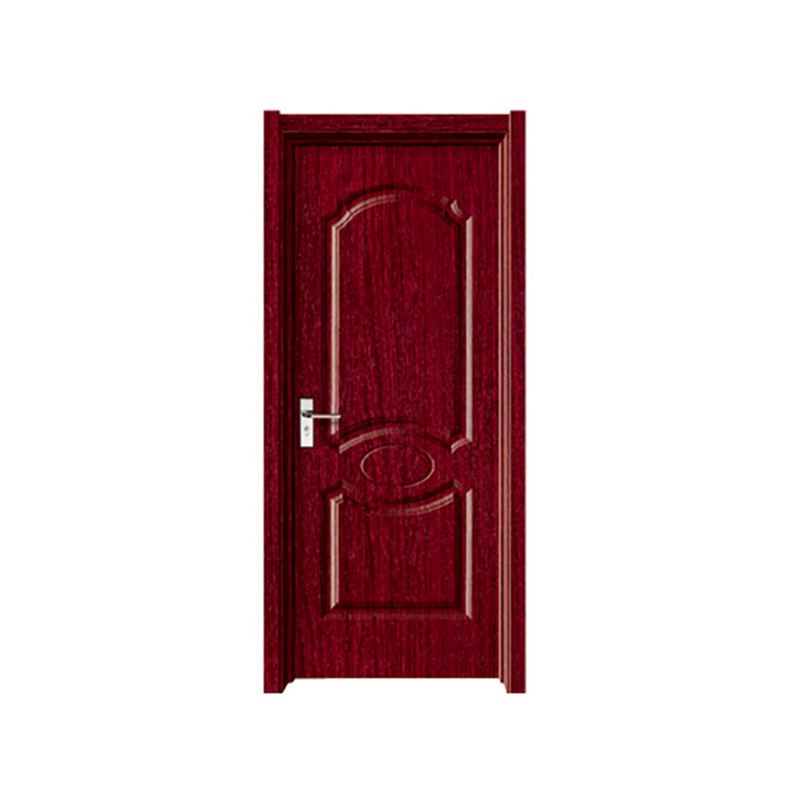
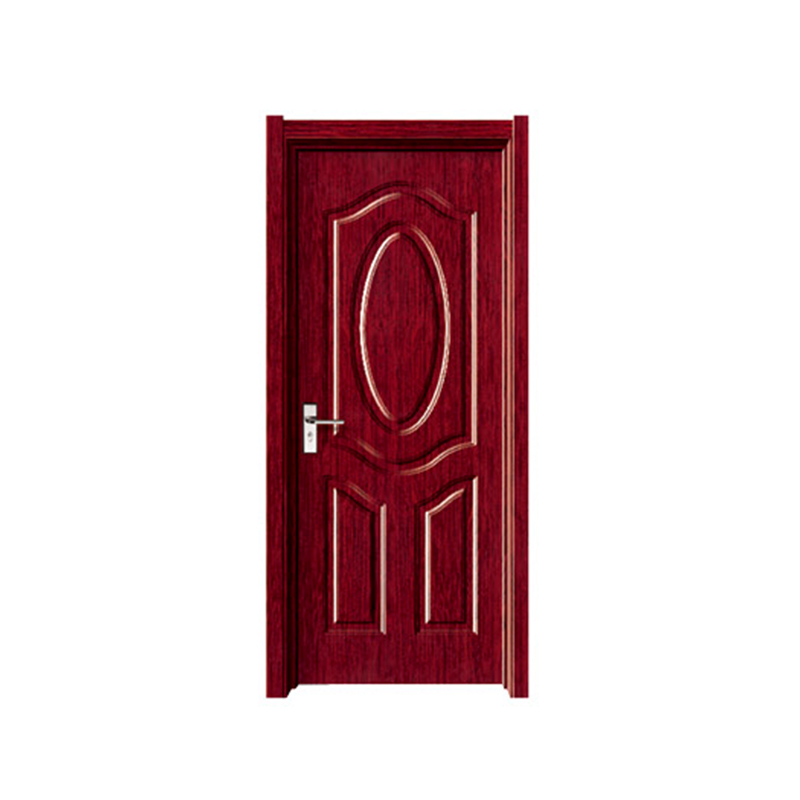
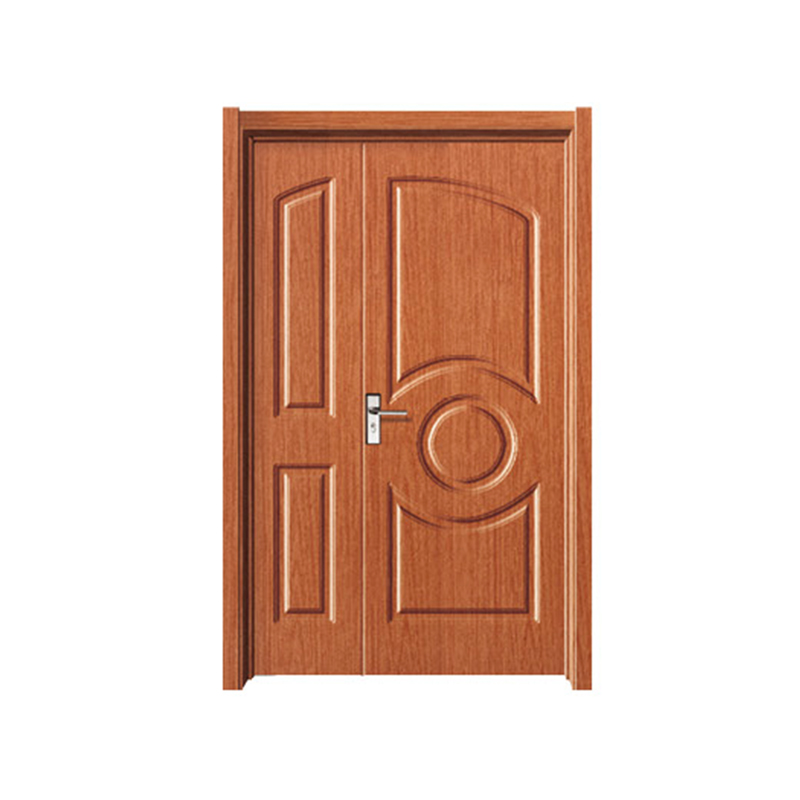
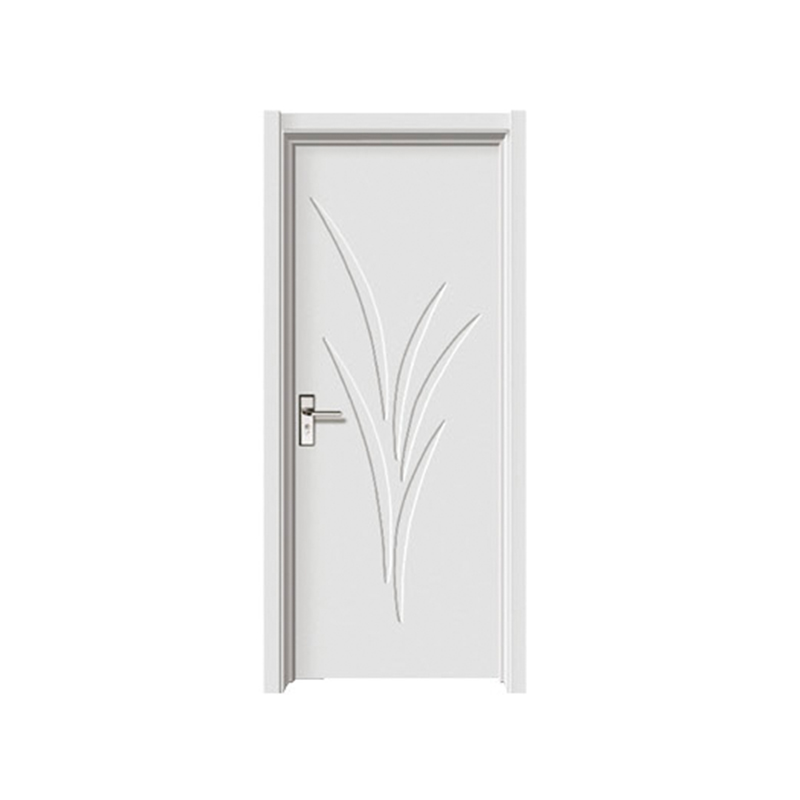
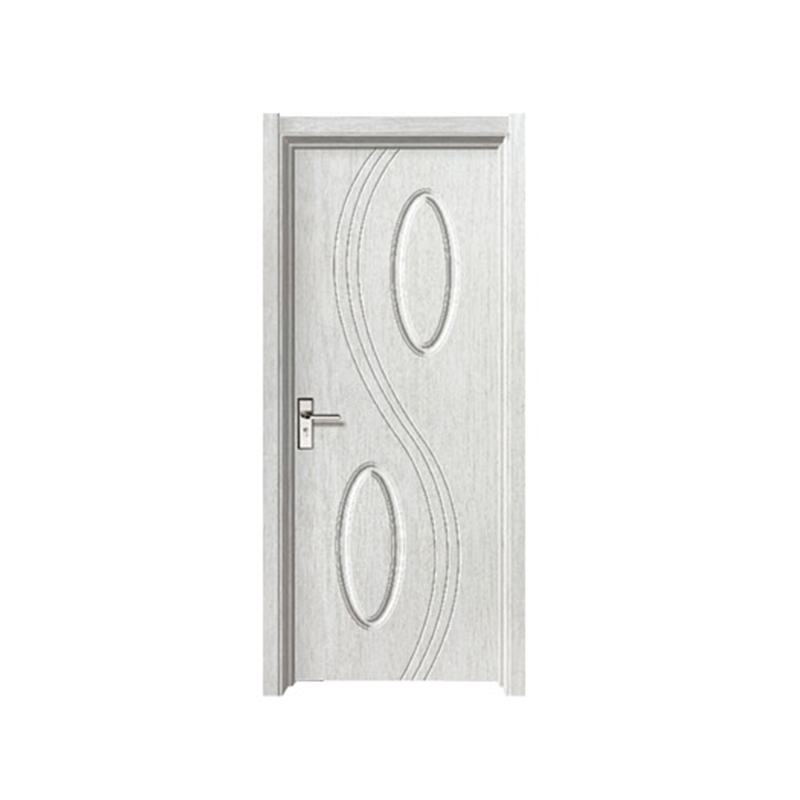
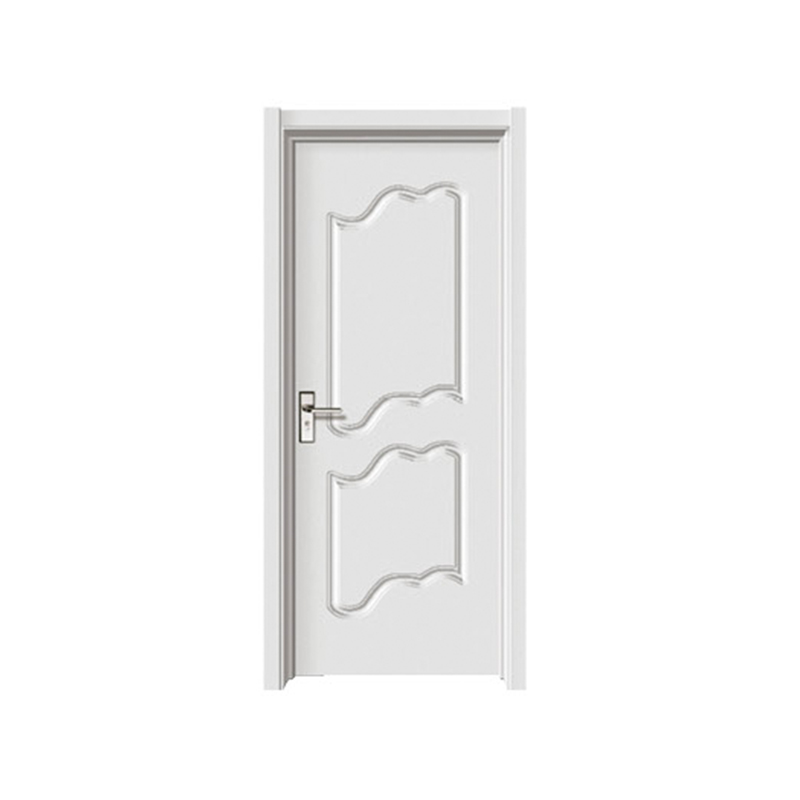
Two common interior constructions are often seen in residential layouts. One uses a molded surface structure commonly referred to as PVC Molded Door, while another relies on a flat core panel with a laminated finish, usually known as Laminated MDF Door. Both belong to indoor door systems, although their surface logic and long-term response do not follow the same pattern.
Instead of focusing only on appearance, daily use reveals how each structure reacts to touch, cleaning habits, humidity shifts, and small impacts that happen during normal routines.
PVC Molded Door is shaped through a pressing process where surface patterns are formed directly into the panel. The raised and recessed areas are not added later, they become part of the structure itself. Because of this formation method, the surface and the internal support layer behave as a connected unit.
Laminated MDF Door follows a different approach. A flat MDF board acts as the base, and a decorative layer is applied on top. The surface depends on bonding between layers, and the final look relies on how evenly that bonding holds across the panel.
Both designs can be used in similar indoor environments, yet their response to long-term handling is not identical. One tends to distribute contact across shaped geometry, while the other keeps all interaction on a single flat plane.
| Aspect | PVC Door | Laminated MDF Door |
|---|---|---|
| Surface formation | Pressed shaped structure | Flat board with laminated layer |
| Surface feel | Textured, contoured | Smooth and even |
| Layer behavior | Unified structure | Layer-dependent bonding |
| Contact response | Spread across shapes | Concentrated on flat areas |
| Edge condition | Less layered exposure | Edge sealing is more sensitive |
| Cleaning approach | Follows surface shape | Simple flat wiping motion |
Inside living spaces, door panels are not static objects. Hands touch them repeatedly, furniture may brush against them, and small impacts occur during daily movement. Over time, these small interactions shape visible changes.
A PVC Molded Door tends to distribute contact across its shaped surface. Because of the uneven geometry, marks do not stay concentrated in one visible line. Instead, surface variations break up contact points, and cleaning usually follows the direction of the pattern rather than a straight motion.
A Laminated MDF Door behaves differently. The flat surface allows quick wiping and easy visual inspection, although contact marks often appear in the same areas where use is frequent. Around handles or edges, surface changes may become noticeable earlier compared with the central panel.
Indoor environments are rarely stable. Kitchens, bathrooms, and storage spaces often experience shifts in humidity, especially during daily use cycles. These changes slowly affect how door surfaces behave.
PVC Door generally reduces direct exposure of the inner structure because the molded surface acts as a continuous outer layer. Moisture has fewer direct entry points across the main surface area, which helps maintain consistent appearance in varied indoor conditions.
MDF Door relies on the bonding between surface layer and base board. Flat sections usually remain stable, although edges and joints can respond differently under repeated moisture changes. Over time, small differences between surface and boundary areas may become more noticeable.
Different rooms place different types of pressure on door panels. A bedroom door may be touched several times a day, while storage or wardrobe doors may experience frequent opening and closing cycles. These patterns influence how surface wear develops.
PVC Door often shows gradual wear across its shaped design rather than a single visible line. The geometry of the surface helps spread friction, so usage marks are less concentrated in one area.
MDF Door shows wear more directly on flat surfaces. Repeated contact points, especially near handles, may create visible changes earlier than other zones. The surface layer plays a key role in how these marks develop over time.
Cleaning behavior depends heavily on surface form. A flat panel allows simple wiping, while a shaped surface requires movement across different angles.
PVC Door cleaning usually follows the contour of the surface. Dust may settle slightly into recessed areas depending on design depth, so cleaning motion often adjusts to match surface structure rather than staying in one direction.
MDF Door allows straightforward wiping across a flat surface. Cleaning motion tends to stay consistent, although edge areas may require more attention where the surface layer meets the board.
| Environment | PVC Molded Door Behavior | Laminated MDF Door Behavior |
|---|---|---|
| Bedroom | Stable daily contact response | Smooth visual consistency |
| Kitchen | Pattern helps mask light marks | Frequent wiping needed |
| Storage room | Balanced surface behavior | Edge sensitivity appears over time |
| Apartment interior | Even usage distribution | Clean flat appearance maintained |
| Light shared spaces | Wear spread across surface | Contact marks appear in key areas |
As interior doors continue to operate within everyday living spaces over extended periods of time, subtle differences between surface systems gradually become more noticeable through repeated hand contact, cleaning routines, and environmental variation, where both PVC Molded Door and MDF Door begin to show distinct response patterns that are less related to initial appearance and more connected to how structural layers interact with continuous use.
In the case of PVC Molded Door, the molded surface geometry tends to distribute physical interaction across multiple raised and recessed zones, meaning that instead of concentrating wear in a single linear area, small contact changes are dispersed along the surface contour, which often results in a more blended visual evolution that follows the natural rhythm of the molded pattern rather than forming sharply defined marks.
For MDF Door, the situation develops differently since the surface remains largely flat and relies on a bonded decorative layer over the MDF core, and under repeated contact the same areas near handles or frequently touched regions may gradually reflect usage more directly, especially where pressure and friction occur in consistent positions over time.
When these two door types are installed into interior frames, the way they respond in daily use is also influenced by alignment accuracy and structural matching, since PVC Molded Door generally behaves as a more unified panel where the surface and internal support are formed together during production, allowing the installed door to maintain its shape with relatively stable movement during opening and closing cycles without requiring frequent readjustment.
Laminated MDF Door, however, depends more heavily on the consistency between the MDF base and the laminated surface layer, and once installed, any slight variation in flatness or edge sealing may gradually influence how the panel reacts under repetitive mechanical action, particularly in environments where doors are used frequently throughout the day or where minor impacts occur during normal movement between rooms.
As interior spaces differ in humidity levels, airflow, and daily activity patterns, both PVC Molded Door and Laminated MDF Door respond in ways that reflect their structural composition, where molded surfaces tend to maintain a more continuous outer layer that reduces direct exposure of inner material, while laminated surfaces rely more on the integrity of their bonded finish to preserve consistency under changing indoor conditions.
In areas such as bedrooms where usage remains relatively stable and contact is distributed evenly across time, both systems tend to remain visually consistent, although molded surfaces often show changes in a more diffused manner due to their patterned structure, whereas laminated surfaces maintain a flatter appearance that reflects usage more directly on contact zones.
In kitchen or utility environments where cleaning frequency increases and moisture variation becomes more noticeable, laminated surfaces may require more consistent maintenance to keep visual stability, while molded surfaces interact with cleaning tools in a way that follows surface contours, which changes the cleaning motion depending on the depth and shape of the design.
Over continuous opening and closing cycles, interior doors experience repetitive mechanical forces that gradually shape how surfaces behave, and in this context PVC Molded Door distributes pressure through its structured geometry, meaning that force does not remain concentrated on a single flat plane but instead spreads across the molded design, which influences how wear develops across the surface over time.
Laminated MDF Door, by contrast, maintains a flat interaction surface where mechanical pressure is more directly transmitted through specific points of contact, and in such cases, edges and frequently handled areas may show earlier signs of surface variation compared with central regions, especially in narrow interior layouts where contact with surrounding furniture occurs more often during daily movement.
Edge areas often reveal structural differences more clearly than central surfaces, and in molded door systems the transition between surface and body tends to remain visually integrated, allowing the overall appearance to age in a more uniform way across different zones of the panel.
In laminated MDF systems, edges depend on the stability of surface bonding and sealing conditions, and under repeated environmental exposure combined with mechanical contact, slight variations between edge zones and flat central areas may become more noticeable, particularly in spaces where doors are opened frequently or where airflow and humidity fluctuate throughout the day.
Cleaning behavior naturally adapts to surface structure, where molded doors require movement that follows the shape of the surface rather than a straight planar motion, since dust and small particles may settle differently depending on the depth of the pattern, while laminated doors allow more straightforward wiping due to their flat geometry, although attention is often required around edges and handle zones where repeated contact is more concentrated.
Over time, these differences in cleaning rhythm influence how users interact with the surface, as molded structures encourage directional cleaning across contours, while laminated surfaces support more uniform wiping patterns across the entire panel.
When observed across different interior environments, both PVC Molded Door and Laminated MDF Door demonstrate behavior that reflects not only material composition but also how people interact with living spaces, since bedrooms, storage areas, and shared rooms all introduce different levels of contact frequency, cleaning habits, and environmental variation, which gradually shape the visible condition of each surface type without sudden change, but through slow accumulation of daily use patterns.
Copyright © Zhejiang Shangpin Bense Home Furnishing Co., Ltd.

Wood Interior Door Manufacturer
 русский
 عربى
عربى Français
 Español