

2026-06-26
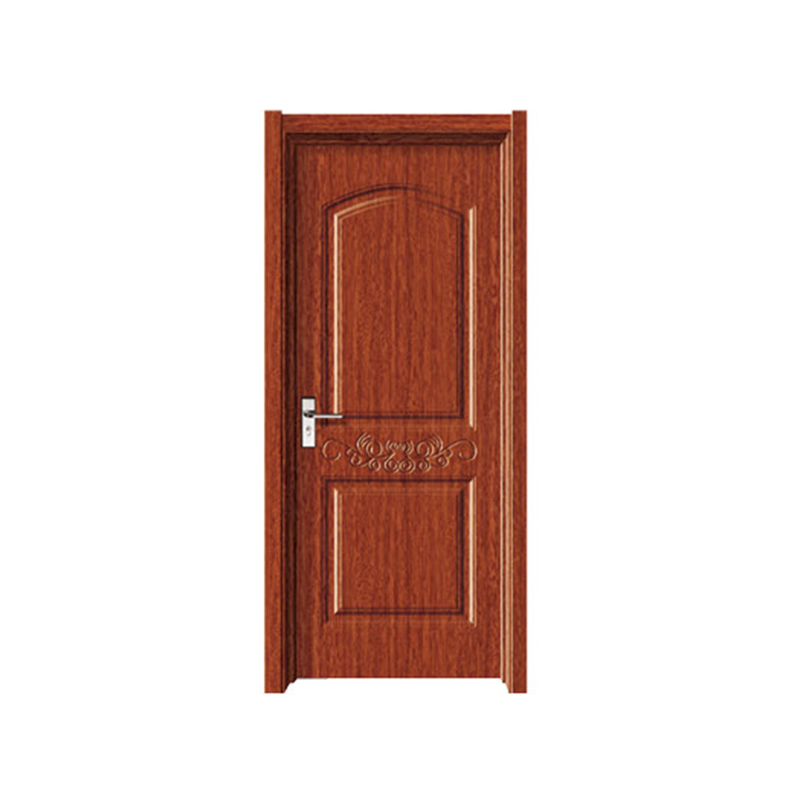
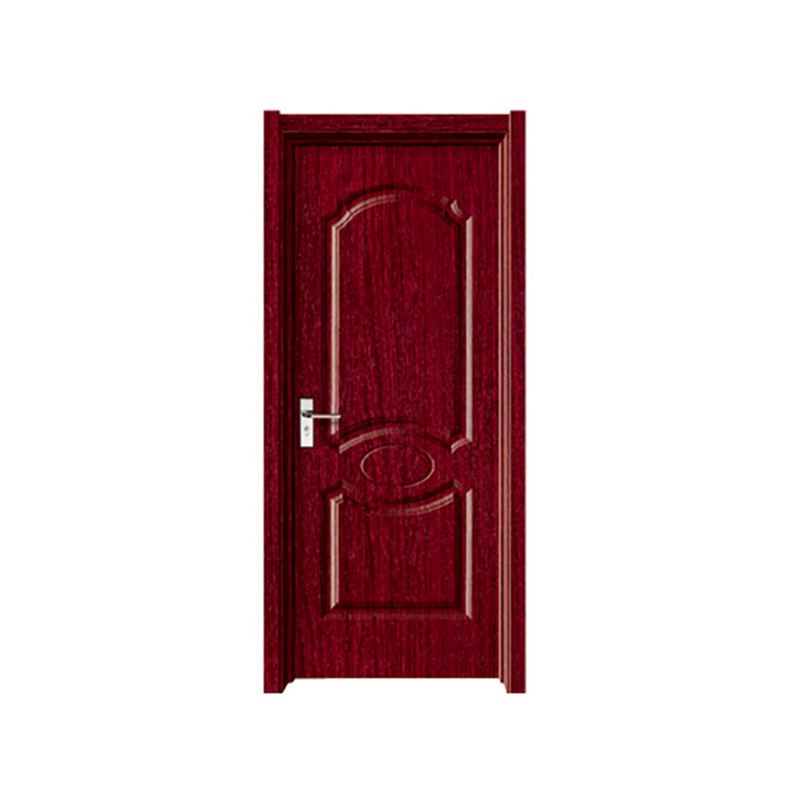
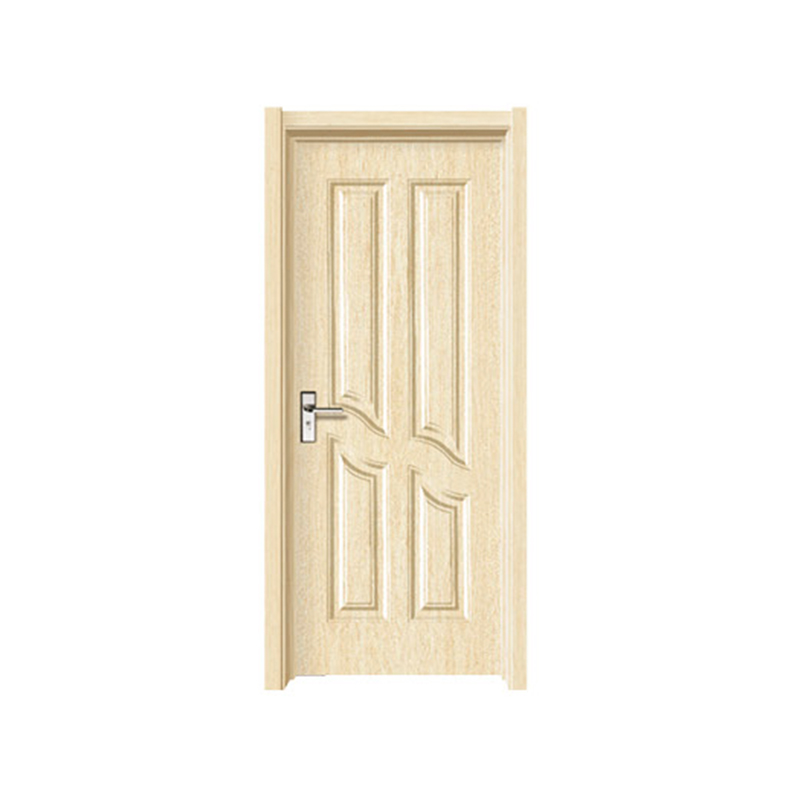
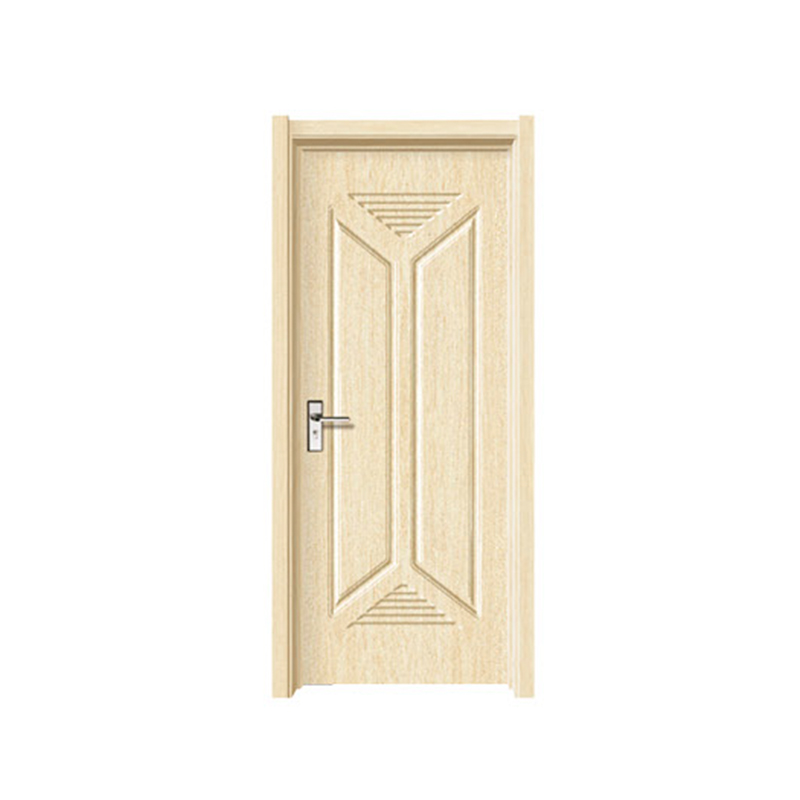
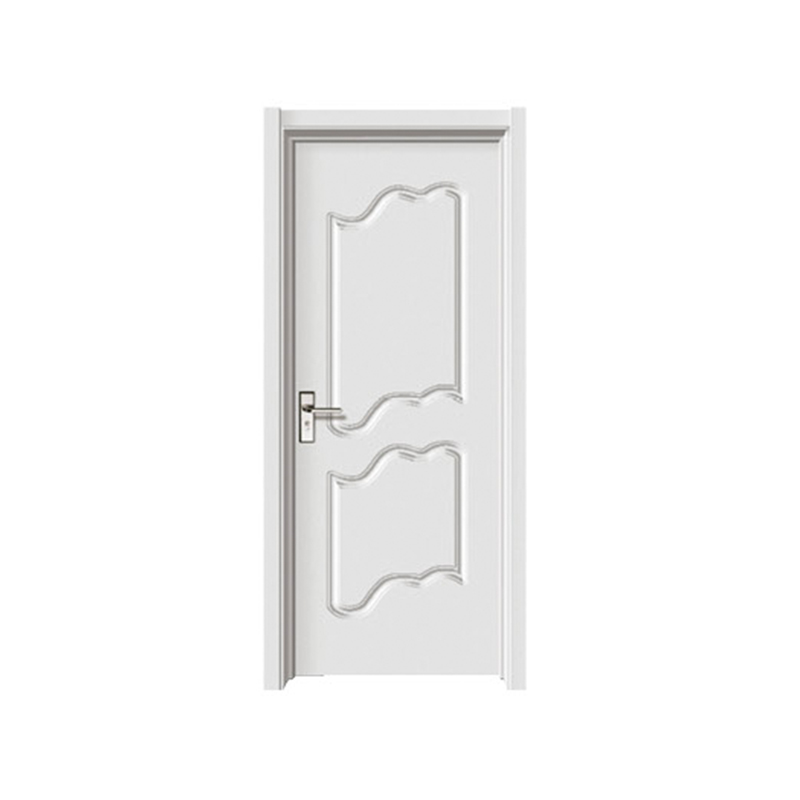
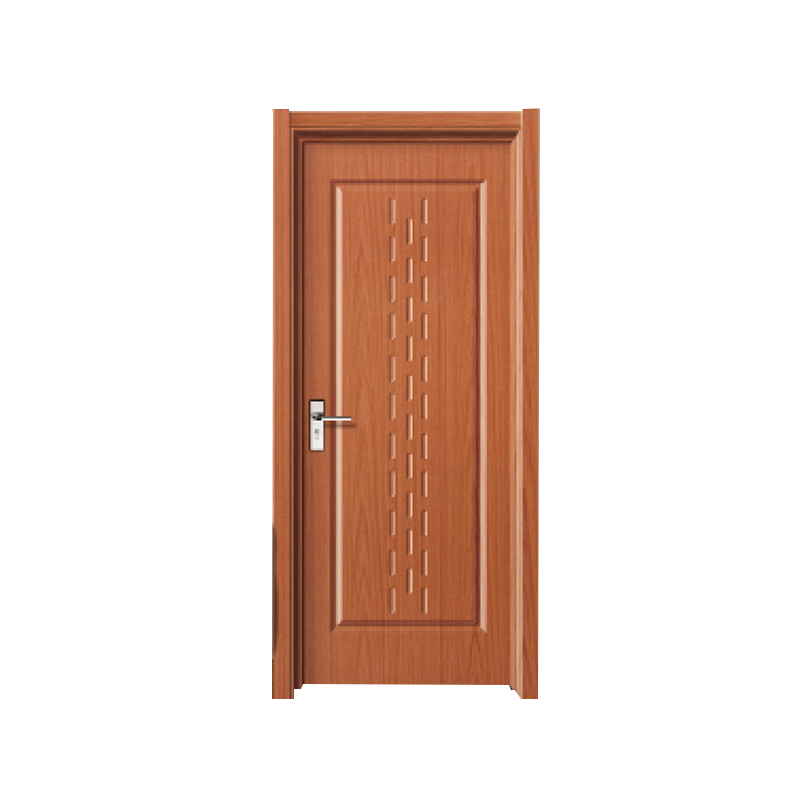
A PVC Decorative Door starts with a core material, often a foam or hollow structure, covered by outer skins made from polyvinyl chloride. The PVC skins provide the visible surfaces of the door. The material can be formed into various colors and patterns that mimic other materials or provide a distinctive look.
The construction method for these doors involves bonding the PVC skins to the core. The skins create a continuous surface across the door face without the joints that appear in some other door types. The edges get sealed during manufacturing, reducing the areas where moisture could enter.
PVC Decorative Door products have become more visible in residential and commercial buildings. The material offers certain practical benefits, and builders have taken note. The doors appear in bathrooms, kitchens, and other areas where moisture exposure occurs regularly.
The surface finishes on PVC doors stay consistent across the entire door face. Color runs through the material rather than sitting only on the surface. The finish does not require periodic refinishing to maintain its appearance. A PVC Decorative Door typically comes from the factory ready to install.
A Modern Solid Wood Door consists of natural timber throughout its construction. The door may be made from a single piece of wood or from multiple pieces joined together. The grain pattern of the wood shows through the finish, giving each door a unique appearance.
Wood doors require finishing to protect the surface. Paint, stain, or varnish gets applied to seal the wood and provide the desired color. The finish needs periodic maintenance over the life of the door. A Solid Wood Door adds a natural element to interior spaces.
The construction of wood doors involves joining pieces of timber. The joints create seams where moisture can penetrate if not properly sealed. The grain orientation in each piece of wood affects how the door behaves as humidity changes.
Wood doors have been used for many years. The material has an established place in building construction. The natural appearance of wood appeals to many people, and wood doors remain a standard option in residential building.
Water appears in buildings in many forms. Liquid water from spills, steam from showers, and water vapor in the air all contact building materials. The effect of that contact depends on the material's response to moisture.
Some materials absorb water readily. The water gets drawn into the material through capillary action or surface tension. The material changes dimension as water enters. Dry wall, wood, and some composites show that behavior.
Other materials resist moisture absorption. Water sits on the surface and does not penetrate. The material does not change dimension when wet. PVC and some plastics show that behavior.
The consequences of moisture exposure differ between absorbent and non-absorbent materials. Absorbent materials can swell, warp, or rot. Non-absorbent materials stay dimensionally stable. The difference becomes meaningful in areas where moisture is part of daily life.
PVC material does not absorb water. The molecular structure of PVC resists water penetration. Water placed on a PVC surface stays on the surface until it evaporates or gets wiped away.
The non-absorbent nature of PVC means the material does not change dimension when exposed to moisture. A PVC door exposed to humidity remains the same size as when installed. The door does not swell, warp, or twist from moisture contact.
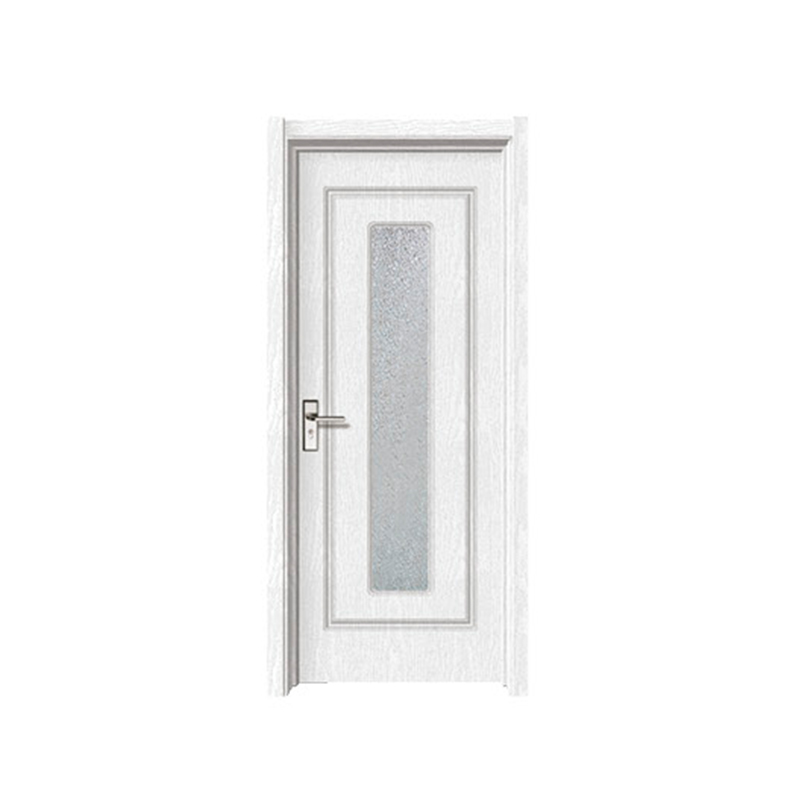
The surface of a PVC Decorative Door remains stable in high-humidity environments. The finish does not bubble or peel from moisture exposure. The door maintains its appearance without the need for refinishing. The material does not provide a food source for mold or mildew growth.
The edge construction of PVC doors also resists moisture. The sealed edges prevent water from entering the door core. The continuous PVC surface covers the entire door face, reducing the pathways where water might find its way inside. A PVC Decorative Door installed in a bathroom will not absorb moisture from the steam of daily showers.
Wood acts differently when exposed to moisture. The natural structure of wood includes fibers that absorb water. Water enters the wood through the fibers and causes them to expand.
The expansion of wood fibers causes the wood to swell. The swelling is not uniform across all directions. Wood swells more across the grain than along the grain. That differential swelling can cause wood to warp, cup, or twist.
The moisture content of wood changes with the surrounding humidity. As humidity rises, wood takes on moisture and expands. As humidity falls, wood releases moisture and shrinks. The movement continues throughout the life of the wood door.
A Modern Solid Wood Door exposed to moisture will respond in ways that PVC will not. The door may stick in its frame when the wood swells. It may develop gaps at the joints as the wood moves. The finish may show signs of moisture damage over time. The cyclic expansion and contraction of wood stresses the joints and finish of the door.
| Material | Moisture Absorption | Dimensional Change | Surface Effect | Long-term Behavior |
|---|---|---|---|---|
| PVC Decorative Door | None | None | Stable | Consistent performance |
| Solid Wood Door | Absorbs water | Swells and shrinks | Finish may degrade | Cyclic movement |
The difference in moisture response explains why PVC Decorative Doors perform better than wood doors in damp environments. The material simply does not react to moisture in the way that wood does.
The structure of each door type determines how moisture interacts with the material. PVC doors have a homogeneous surface that covers the entire door face. Wood doors have grain, joints, and end grain that create pathways for moisture.
PVC material has no pores or capillaries. Water cannot enter the surface because there are no openings. The material itself does not wick or draw water from the surface. The structure simply does not allow moisture penetration.
Wood has a cellular structure that includes open passages. Water moves through the open cells and travels along the grain. The end grain of wood acts like a bundle of straws, drawing water into the material. That structure makes wood naturally absorbent.
The joints in a Modern Solid Wood Door create additional moisture pathways. Pieces of wood join together, and the seam between them may not be perfectly sealed. Water can enter through those seams. The movement of the wood from moisture cycling can open the seams further, creating more pathways for water.
A PVC Decorative Door has no joints in the face surface. The continuous PVC skin covers the entire door face without seams. The edges get sealed during manufacturing. The structure reduces the number of places where moisture could enter the door.
Surface finishes serve as the first line of defense against moisture. The finish on each door type works differently and provides different levels of protection.
Wood doors rely on paint, stain, or varnish to seal the surface. The finish fills the pores of the wood and creates a barrier against moisture. When the finish remains intact, the wood stays protected. When the finish becomes damaged, water enters the wood.
The finish on a wood door requires maintenance. Over time, the finish wears, cracks, or peels. The areas where the finish breaks allow moisture to reach the wood. The maintenance schedule for a Modern Solid Wood Door includes checking the finish and recoating when needed.
A PVC Decorative Door has its finish built into the surface. The color runs through the PVC material rather than sitting on top. The surface does not peel or crack from moisture exposure. The finish does not require periodic recoating or maintenance.
The difference in finish durability matters in real use. A wood door in a bathroom might show finish damage after years of steam exposure. A PVC Decorative Door in the same location would maintain its appearance. The integrated finish of a PVC door simply handles moisture better.
High-humidity environments test the moisture resistance of building materials. Bathrooms, kitchens, and coastal areas all present conditions where materials face prolonged moisture exposure.
A PVC Door in high humidity remains stable. The door operates smoothly, the appearance stays consistent, and the surface stays dry. The door does not absorb moisture from the air or change dimension. The performance remains the same over the life of the door.
A Modern Solid Wood Door in high humidity begins to show signs of moisture exposure. The door may become difficult to open or close as the wood swells. The finish may start to show small cracks or peeling. The joints between pieces of wood may separate slightly.
The appearance of the two doors changes differently over time. A PVC Door retains the color and finish it had when installed. A Modern Solid Wood Door ages as moisture cycles through it. The wood changes color, the finish wears, and the surface develops a patina.
The long-term effect of high humidity on wood doors can be significant. Repeated swelling and shrinking stresses the door construction. Over time, the joints may loosen, the door may warp, and the finish may fail. A PVC Door in the same environment would continue to perform.
Installation affects how a door performs in moisture conditions. The way a door gets installed can either help or hurt the moisture resistance of the door.
Proper clearances around the door matter. Doors need space to operate without binding on the frame. A PVC Door does not swell, so the clearance needed stays the same. A Modern Solid Wood Door may swell in humid conditions, so extra clearance is needed.
Sealing around the door edges prevents moisture from entering. Caulking or weatherstripping at the door perimeter blocks water from reaching the door edges. The sealing helps both door types, though it matters more for wood doors.
Threshold installation affects moisture performance. A properly installed threshold directs water away from the door. An improperly installed threshold allows water to pool at the door bottom. Water at the bottom of a wood door can wick up through the end grain.
Installation mistakes can compromise either door type. A PVC Door with a poorly sealed edge may allow moisture into the door core. A Modern Solid Wood Door with insufficient clearance may bind as the wood swells. Good installation practices benefit both types.
Choosing between a PVC Decorative Door and a Solid Wood Door involves weighing several factors. The location of the door, the climate, and the desired appearance all influence the choice.
The intended location of the door serves as a primary factor. Doors going into bathrooms, kitchens, or basements face higher moisture exposure. A PVC Door offers better performance in those locations. Doors going into dry areas like bedrooms or living rooms could use either type.
The climate where the building sits matters. Buildings in humid coastal areas or regions with high rainfall face more moisture challenges. PVC doors handle those conditions better. Buildings in dry climates may find wood doors work acceptably.
Maintenance expectations influence the choice. A PVC Door requires little maintenance to maintain its moisture resistance. A Solid Wood Door needs periodic inspection and refinishing. The time and effort someone wants to spend on maintenance affects the selection.
Aesthetic preferences also play a role. A Solid Wood Door provides a natural appearance that PVC doors cannot match. The grain, color variations, and texture of wood appeal to many people. A PVC Door can mimic certain looks but cannot duplicate the appearance of real wood.
| Factor | PVC Door | Modern Solid Wood Door |
|---|---|---|
| Moisture resistance | High | Moderate |
| Maintenance needs | Minimal | Regular |
| Appearance options | Consistent, varied | Natural wood grain |
| Best locations | Bathrooms, kitchens, basements | Bedrooms, living areas, offices |
| Long-term stability | Stable | Subject to movement |
The practical choice depends on the specific conditions of each installation. A PVC Decorative Door provides reliable performance in moisture-prone areas. A Modern Solid Wood Door offers a natural appearance that some people value. The choice balances performance requirements against aesthetic preferences.
Copyright © Zhejiang Shangpin Bense Home Furnishing Co., Ltd.

Wood Interior Door Manufacturer
 русский
 عربى
عربى Français
 Español