

2026-06-30
A Modern Solid Wood Door is often chosen for living spaces because natural wood combines a solid structure with a comfortable appearance. Even so, long-term performance is never decided by one feature alone. The condition of the timber before production, the way individual parts are assembled, the accuracy of installation, indoor surroundings, and everyday habits all shape how the door performs after years of use.
A Solid Wood Door Supplier focuses on preparing materials and maintaining consistent production quality. Once the product enters a home, installation and daily care become equally important. Good performance over time is created through many connected details instead of a single manufacturing step.
Many interior doors may look similar from the outside, although their internal structure can be very different. A Modern Solid Wood Door is built around natural timber, allowing the material itself to carry the loads created during everyday use.
Whenever the door opens or closes, force travels through the entire panel instead of remaining around one small area. Because the structure works as a whole, everyday movement is distributed more evenly across the door body.
Wood also brings natural variation. Grain direction, texture, and density are never completely identical from one piece to another. Careful material selection before manufacturing helps create a more balanced finished product.
During production, several details influence how the completed door behaves later.
No single detail decides long-term performance. Small improvements across several stages usually have a greater influence than one isolated process.
Natural wood changes with its surroundings. Before becoming part of a finished door, timber continues adjusting to moisture in the surrounding air. Proper preparation allows the material to reach a more stable condition before manufacturing begins.
Material that has reached a balanced condition is less likely to experience unnecessary movement after installation. Although natural expansion and contraction remain part of wood behavior, gradual changes are easier for the finished structure to accommodate.
Grain direction also affects how the panel responds during daily use. Straight grain generally allows force to spread more evenly across the surface, while irregular grain may react differently as environmental conditions change.
Consistency matters throughout the door body. Pieces prepared under similar conditions tend to work together more naturally after assembly.
A Solid Wood Door Supplier often spends considerable attention on preparation long before the finished product reaches a building project. Much of that work remains invisible after installation, yet it continues influencing performance throughout daily use.
Opening a door requires very little effort. Repeating the same movement every day slowly changes contact between moving parts.
The hinge supports the weight of the panel while guiding its movement. The latch meets the frame whenever the door closes. Small forces appear every time contact takes place. Each action seems minor on its own, although years of normal household use gradually shape the condition of both hardware and wood.
Gentle operation usually allows moving parts to wear more evenly. Sudden impact places extra stress on hinges, fasteners, and the closing edge.
Simple habits often make a noticeable difference.
Regular movement under balanced conditions usually produces a more even wear pattern than repeated impact.
The visible finish does much more than influence appearance. It separates natural wood from everyday contact inside the home.
Hands, clothing, household items, and routine cleaning all touch the surface throughout normal use. A suitable finish helps reduce direct wear while making ordinary cleaning easier.
Indoor moisture also changes from day to day. Cooking, cleaning, ventilation, and weather conditions all influence humidity inside a house. Surface protection slows the exchange between surrounding air and the wood beneath, allowing the material to respond more gradually.
Over time, a well-maintained finish helps the surface remain easier to care for.
Some practical advantages include:
Surface protection cannot stop every sign of aging. Natural wood continues developing its own character throughout years of use.
Even a carefully manufactured door depends on accurate installation before it can perform as expected.
The frame creates the path along which the door moves. When the frame remains square and properly aligned, the weight of the panel is shared more evenly between hinges and surrounding support points.
Small installation differences may not attract attention immediately. As time passes, uneven clearance can become easier to notice. One edge may begin touching the frame during opening, or the latch may require additional force before closing completely.
| Installation Detail | Daily Effect |
|---|---|
| Frame alignment | Supports smooth movement |
| Hinge position | Helps balance door weight |
| Even clearance | Reduces rubbing against the frame |
| Secure fasteners | Keeps hardware stable |
| Proper adjustment | Maintains comfortable opening and closing |
Many service calls connected with interior doors are related to installation conditions rather than problems with the wood itself.
Natural wood continues reacting to indoor surroundings long after installation. Small environmental changes become part of everyday operation.
Humidity rises and falls as seasons change or household activities vary. Temperature also shifts throughout the year. Wood responds slowly, expanding or contracting by small amounts as surrounding conditions change.
Air circulation inside the room influences how evenly moisture moves across the surface. Areas receiving constant sunlight may gradually develop a different appearance compared with shaded sections. Such changes are often part of natural aging rather than signs of structural damage.
Practical household habits can help maintain a more balanced indoor environment.
Natural wood never remains completely unchanged. Slow adjustment to indoor surroundings is simply part of its material character. When the environment remains reasonably stable, movement usually stays smooth during everyday household use.
A door that has been part of a home for many years rarely looks exactly the same as it did after installation. Small changes appear gradually through ordinary use. Many of them are part of the normal aging process rather than an indication of poor performance.
Light contact from hands around the handle area slowly changes the surface. Daily cleaning, moving furniture through doorways, and routine household activities may leave small marks over time. Natural wood also develops a slightly different appearance as it continues to adjust to indoor conditions.
Movement can change as well. A door that once closed with almost no effort may begin touching the frame slightly during one season and return to normal later. Such changes often reflect the natural response of wood to its surroundings.
Several signs are commonly seen during long-term use.
Recognizing the difference between natural aging and structural problems helps avoid unnecessary repairs while allowing genuine issues to be noticed earlier.
Routine care does not require complicated tools or special procedures. Simple attention carried out from time to time often keeps the door operating in a stable condition.
Dust can collect around hinges, corners, and the lower edge. Removing dirt before it builds up helps moving parts work more smoothly. Hinges may also benefit from occasional inspection, especially when unusual sounds begin to appear during opening or closing.
Cleaning the surface with suitable materials helps preserve the finish. Excess moisture should not remain on the wood for long periods, particularly around joints and edges where water may remain after household cleaning.
A few simple habits can support long-term use.
Regular attention often prevents minor changes from developing into larger maintenance work.
Long-term performance begins before the finished door reaches a home. Material preparation, machining, assembly, and inspection all influence how the product behaves after installation.
A Solid Wood Door Supplier generally focuses on maintaining consistency throughout production rather than relying on appearance alone. Wood pieces are prepared before assembly so the completed panel forms a balanced structure. Careful machining allows different parts to fit together with greater stability.
Assembly also plays an important role. Connections between structural parts, hardware positions, and surface finishing all contribute to everyday operation after installation.
| Production Stage | Purpose |
|---|---|
| Material preparation | Improve structural stability |
| Panel assembly | Form a balanced door body |
| Surface finishing | Protect natural wood |
| Hardware preparation | Support smooth installation |
| Product inspection | Check overall consistency |
Production quality cannot replace proper installation or regular care. Even so, careful manufacturing creates a stronger starting point for long-term household use.
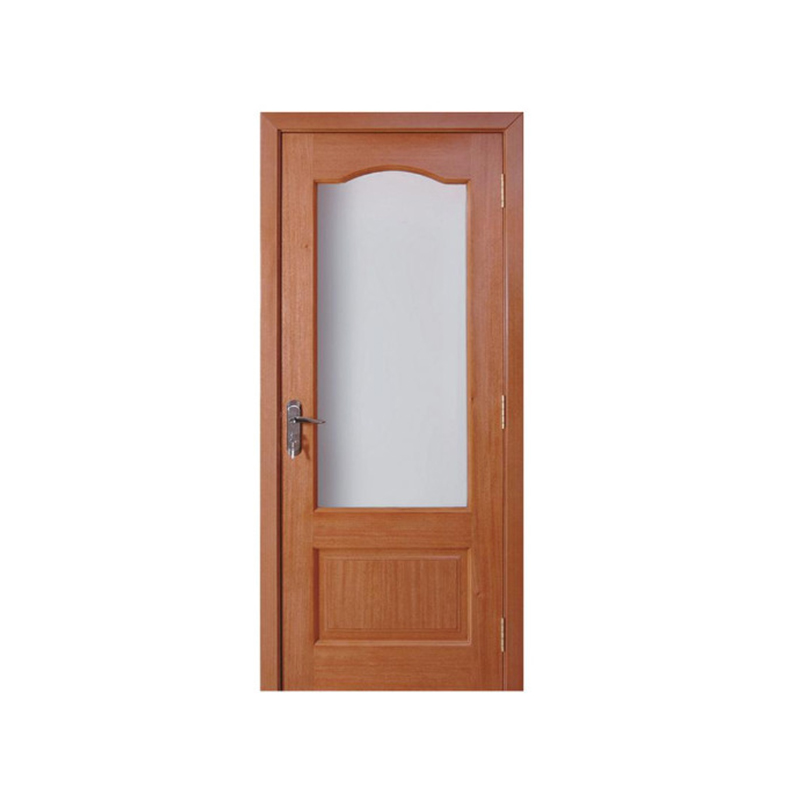 A door becomes part of everyday life from the day it is installed. Morning routines, quiet evenings, moving furniture, carrying groceries, opening windows for fresh air—many ordinary moments involve opening and closing a door. Because the movement feels so familiar, gradual changes often pass unnoticed until the door begins to rub against the frame, produces unusual sounds, or no longer closes as smoothly as before.
Different rooms place different demands on an interior door. A bedroom often benefits from a quiet closing experience and a comfortable appearance. A study may require privacy together with stable everyday operation. Living areas usually connect spaces that receive frequent movement throughout the day.
A Modern Solid Wood Door adapts to many interior layouts because natural wood works comfortably alongside different decorative styles. Changes in furniture, wall colors, or flooring over time generally do not require replacing the door simply because the surrounding design evolves.
Practical use also varies between households. A family with children may open and close certain doors many times each day, while another room receives much lighter use. Stable construction helps the door remain functional across different daily routines.
Choosing a suitable door often depends on how the room is actually used rather than appearance alone.
Selecting an interior door involves more than matching colors or decorative details. Everyday use should remain part of the decision from the beginning.
The location of installation influences the working environment. Rooms with changing humidity may require closer attention to ventilation. Busy areas may place greater demand on hinges and hardware than spaces used less often.
Several practical questions are worth considering before installation.
Thinking about daily use before installation often helps the finished door remain comfortable to use over many years.
Long-term performance is built gradually through the interaction of material quality, careful production, proper installation, and everyday care. None of these factors works alone. Natural wood continues responding to the indoor environment throughout its service life, while routine attention helps maintain stable movement and appearance.
A Modern Solid Wood Door becomes part of ordinary household life for many years. Daily opening, seasonal environmental changes, and normal surface aging all become part of its working history. When materials are prepared carefully, installation remains accurate, and simple maintenance becomes a regular habit, the door is more likely to continue operating smoothly through changing household routines.
The role of a Solid Wood Door Supplier begins during manufacturing, while long-term performance continues to develop after installation. Good production practices provide a reliable foundation, and thoughtful everyday care allows that foundation to remain stable as the home continues to change.
Copyright © Zhejiang Shangpin Bense Home Furnishing Co., Ltd.

Wood Interior Door Manufacturer
 русский
 عربى
عربى Français
 Español