

2026-07-03
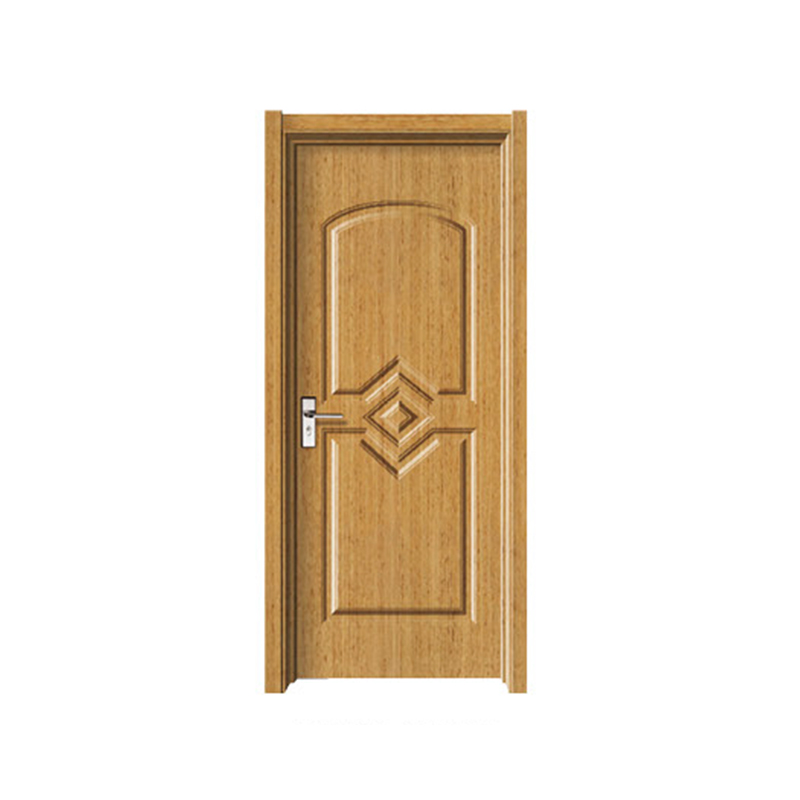
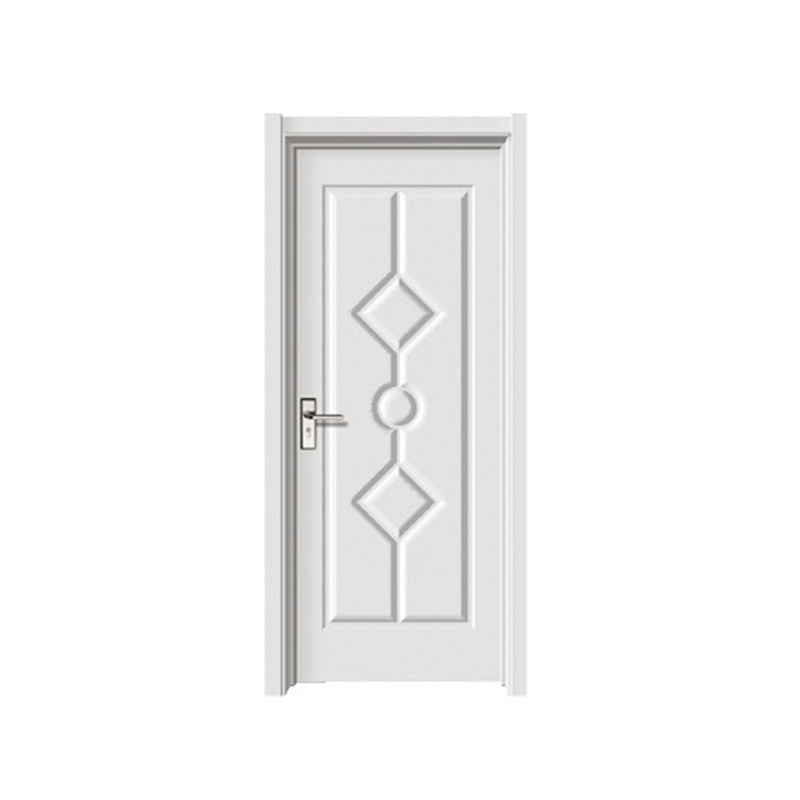
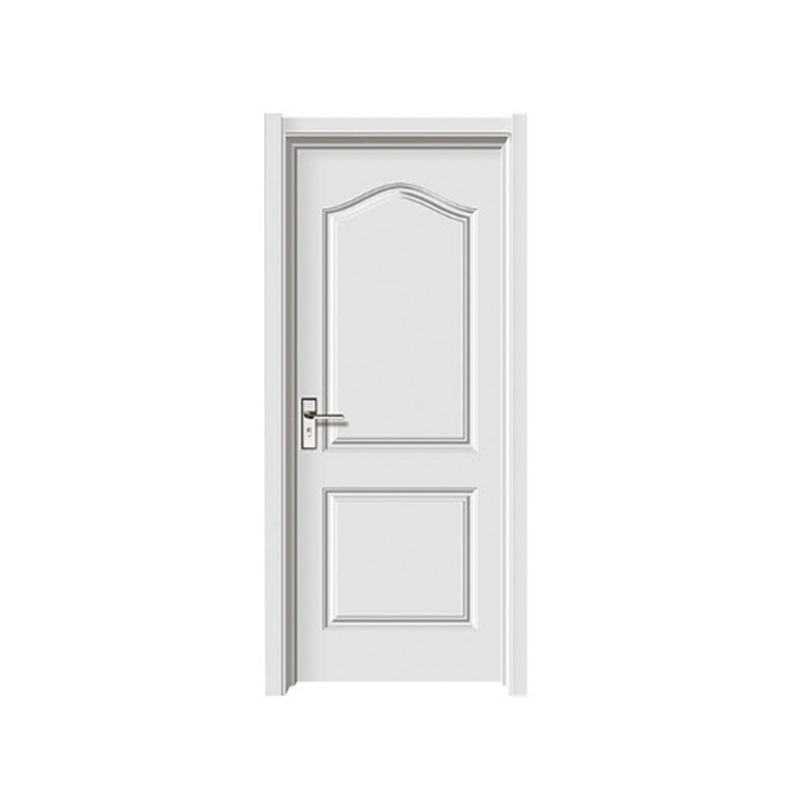
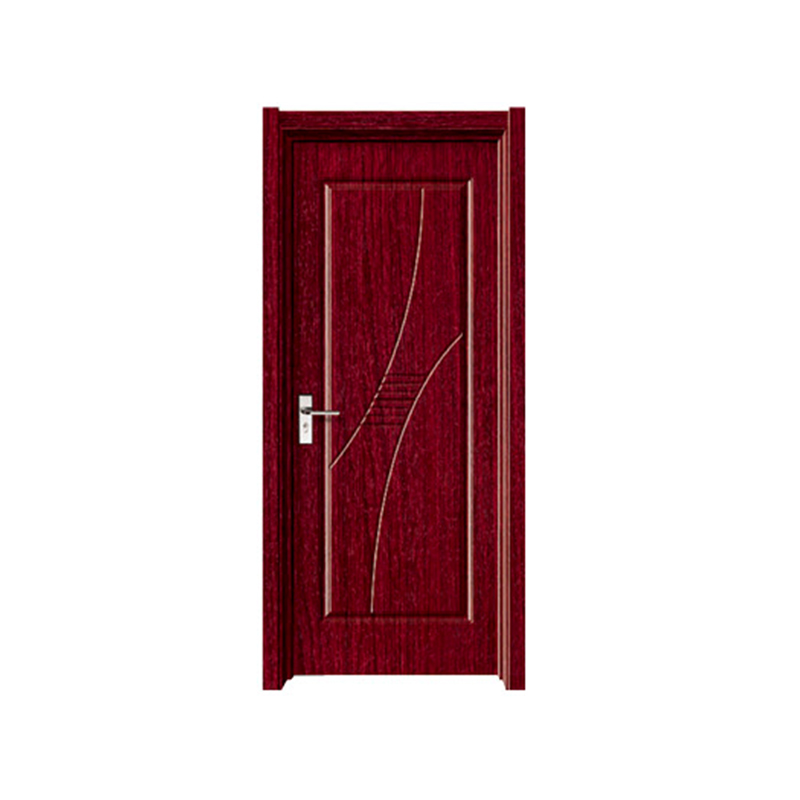
The distinction between solid wood and other door types matters for performance. Hollow-core doors consist of a frame covered by thin skins, with cardboard or honeycomb material inside. Engineered wood doors use particleboard or MDF cores with wood veneers. A Modern Solid Wood Door carries solid material throughout its thickness, from one face to the other. That density changes how the door behaves in a room.
An interior door factory producing these doors focuses on material selection and joining techniques. The wood must be dried to the right moisture content before assembly. The staves need tight joints with no gaps. The face veneers require careful matching for visual consistency. Each step in the process affects how the finished door performs in its intended setting.
Sound travels through air and through solid materials. A door that blocks air movement also blocks airborne sound. The mass of the door determines how much sound energy gets absorbed before reaching the other side. A heavier door stops more sound than a lighter one. That principle explains why hollow doors offer limited sound insulation while solid doors perform better.
The seals around the door matter as well. Gaps at the bottom or around the frame let sound pass through even with a solid door in place. An interior door factory often offers sealing systems as part of the door package. The combination of a dense door and tight seals produces the level of quiet that apartment dwellers need.
Sound also travels through the door hardware. A poorly fitted latch or loose hinges can transmit vibration from the door to the frame and then into the wall. The installation quality affects acoustic performance just as much as the door construction. A heavy door installed poorly will not perform as well as a lighter door fitted properly.
The wood core of a Modern Solid Wood Door absorbs sound energy rather than reflecting it. Hollow doors let sound bounce around inside the cavity, amplifying certain frequencies and transmitting others through the thin skins. Solid material dissipates sound as the wave passes through. The denser the material, the more energy gets absorbed.
Thickness adds another layer of acoustic protection. A thicker door provides more material for sound to travel through, reducing the energy that reaches the other side. Modern interior doors often run thicker than older models, with standard thickness increasing to provide better acoustic and thermal performance.
The fit of the door in its frame matters. A door that closes snugly against the stops with consistent gap spacing blocks sound more effectively than one with uneven clearances. Proper hanging and adjustment during installation ensure that the door does its job. The interior door factory supplies the product, but the installer determines how well it performs in place.
Apartments present specific challenges that make a Modern Solid Wood Door a practical choice. Neighbours on all sides create noise sources that a hollow door cannot handle. The shared walls and floors of multi-unit buildings transmit sound effectively. An apartment door that separates rooms within a unit also separates those rooms from the noise of adjacent units.
Privacy concerns in apartments add to the need for solid doors. Bedrooms need quiet for sleeping. Home offices need freedom from household noise. Living areas need separation from cooking sounds. The Modern Solid Wood Door provides that separation while maintaining the visual appeal that apartment dwellers expect.
Fire safety is another consideration. Solid wood doors offer better resistance to fire than hollow alternatives. In multi-unit buildings, fire-rated doors provide valuable time for occupants to evacuate during emergencies. The fire rating of solid wood doors can be enhanced with special treatments and core materials while maintaining the wood appearance that residents prefer.
The weight of a Modern Solid Wood Door exceeds that of hollow alternatives. A standard interior door can weigh three or four times as much as a hollow door of the same dimensions. That weight places demands on the hinges and the frame. Three hinges, rather than two, often get specified for solid doors to distribute the load properly.
The wall framing in apartment buildings varies. Some units have steel studs, others have wood framing. The frame must be securely anchored to the wall structure to support the weight of the door. An interior door factory provides installation guidance, but the installer must evaluate each opening to determine the appropriate anchoring method.
Door sizes in apartments sometimes deviate from standard dimensions. Older buildings have custom openings that require fitted doors. Modern apartments with consistent dimensions make installation simpler, but not all units follow the same standards. The interior door factory offers size options and custom services to handle these variations.
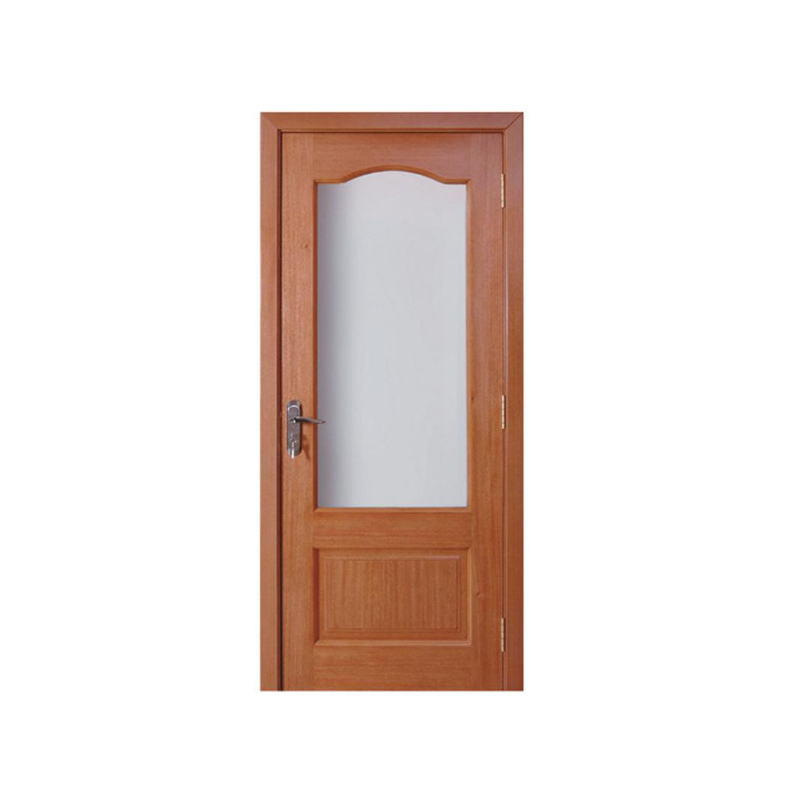
The interior door factory builds its product lines around the needs of different building types. Apartment-grade doors get thicker staves, improved sealing systems, and hardware options that support heavier loads. The production process includes quality checks that verify door thickness, flatness, and dimensional accuracy.
| Performance Factor | Modern Solid Wood Door | Hollow-Core Door | Engineered Wood Door |
|---|---|---|---|
| Sound insulation | High | Low | Moderate |
| Weight | Heavy | Light | Moderate |
| Fire resistance | Better | Limited | Moderate |
| Durability | High | Low | Moderate |
| Installation requirements | Strong framing and hinges | Standard framing | Standard framing |
| Cost | Higher | Lower | Moderate |
The factory's role extends beyond producing the door itself. Many manufacturers provide advice on hardware selection, installation methods, and sealing systems. The customer who works with an interior door factory with apartment experience gains access to solutions developed through real-world installation and feedback.
An interior door factory does not just cut wood and ship it out the door. Raw lumber arrives at the yard with defects like knots, cracks, and uneven grain. Someone has to sort through it, decide which pieces make the cut and which get set aside. That happens before any machining starts. The moisture content gets checked, because wood that holds too much water shrinks later. Wood that has dried out too much cracks or splits. The factory tracks moisture levels throughout drying and storage, adjusting conditions to keep the wood stable.
Precision machining comes next. The staves get cut to exact lengths and widths. The face veneers need matching for grain continuity. The assembly process joins the staves with adhesives and applies pressure to create a flat, uniform panel. Pressure and temperature during bonding get controlled carefully. Poor adhesion shows up later as weak spots that compromise both strength and sound insulation.
A few things stand out about how a well-run factory handles quality:
The finish does more than make the door look good. It seals the surface, keeping moisture out of the wood. Moisture causes warping, swelling, and dimensional changes. A door that changes shape with the seasons will not seal properly against its frame. That affects both sound insulation and operation.
Factory finishes generally outperform site-applied coatings. The interior door factory controls the environment, applying coatings at consistent temperatures with uniform thickness. Multiple coats of sealer and topcoat build up a protective layer. Paint, stain, or clear finish each give a different look and require different care.
Paint covers the wood completely. Small grain imperfections or colour variations disappear under a painted surface. Stained or clear-finished doors show the natural wood character, but they need careful handling. Scratches and dents show up more readily. The apartment dweller's preference for wood grain or painted finish guides the factory's scheduling and inventory planning.
Apartment interiors have moved toward natural materials and warmer tones in recent years. White walls and simple furnishings leave room for doors to add visual interest. A solid wood door with visible grain brings texture and depth to spaces that might otherwise feel flat.
Open-plan layouts remain popular, but people still need defined spaces. A solid door between a home office and a living area creates both visual and acoustic separation. The door becomes part of the room composition, not just an opening that gets closed when needed.
Flush panels with clean, straight lines suit contemporary apartments
Raised panel designs work better in traditional or transitional interiors
Custom sizing accommodates the varying dimensions found in older buildings
Matching door styles across a project creates a cohesive look throughout the unit
Apartment buildings must meet fire safety regulations. These rules include door requirements that vary by building type and occupancy. Solid wood doors with appropriate construction meet certain fire resistance standards. The interior door factory produces fire-rated versions that use the same wood construction but include materials that slow flame spread.
Sound insulation standards matter as well. Building codes in many areas specify minimum sound transmission class ratings for doors separating dwelling units. A Modern Solid Wood Door helps achieve those ratings, especially with proper sealing and frame construction. The factory provides test data showing each door model's acoustic performance. Architects and contractors use that data to verify code compliance.
Other building regulations affect hardware selection. Door openings must meet clear width requirements for wheelchair access. Lever handles get specified over knobs for ease of use. The factory offers hardware options that meet accessibility standards while preserving the door's visual appeal.
A door does more than close off a room. It shapes how people experience their home. A door that closes quietly, seals properly, and blocks sound supports privacy and calm. One that rattles, leaks noise, or feels flimsy creates daily frustrations that accumulate over time.
Residents notice the difference in a few ways:
The peace that comes from a quiet apartment affects well-being in ways that are hard to measure. People sleep better without sound from adjacent units. They concentrate better in workspaces without household noise. They entertain without worrying about neighbours hearing everything. The Modern Solid Wood Door contributes to that peace in ways that hollow alternatives simply cannot match.
The connection between the interior door factory and the person living in the apartment runs through architects, developers, and contractors. Each one influences the door choice, but the occupant lives with that choice every single day. A factory that puts attention into acoustic performance, durability, and visual quality produces doors that make a measurable difference in the daily lives of building occupants. That makes the effort put into production worthwhile, even if the resident never knows the factory's name.
Copyright © Zhejiang Shangpin Bense Home Furnishing Co., Ltd.

Wood Interior Door Manufacturer
 русский
 عربى
عربى Français
 Español